
Why the pitch of your roof determines which materials you can use
Your roof pitch affects more than just how your home looks. It determines what materials will work for your San Antonio home and how well they will protect you from our intense Texas weather. Many homeowners discover too late that their dream tile roof won’t work on their current slope or that their flat roof needs special materials to handle our heavy rain and hail storms. Texas Department of Insurance.
Understanding roof pitch ratios
Roof pitch measures the steepness of your roof. It is written as a ratio of rise over run. For example a 4:12 pitch means the roof rises 4 inches for every 12 inches it runs horizontally. This simple number affects everything from water drainage to material cost.. Read more about How to stop standing water from turning your flat roof into a breeding ground for mosquitoes.
In San Antonio most homes fall between 3:12 and 7:12 pitch. Steeper roofs shed water and debris faster while flatter roofs need special waterproofing to prevent leaks. The pitch also affects how wind and hail hit your roof during storm season. How to get your San Antonio roof fixed after a major hail storm.
Calculating your pitch is simple. You need a level and a tape measure. Mark 12 inches on your level then hold it level against a rafter in your attic. Measure from the 12 inch mark straight up to the rafter bottom. That measurement is your rise and gives you the first number in your pitch ratio.
The minimum pitch requirements for popular materials
Each roofing material has a minimum pitch it can handle. Going below these numbers risks leaks and material failure especially during San Antonio’s heavy spring storms. What to do when your San Antonio roof starts leaking in the middle of a storm.
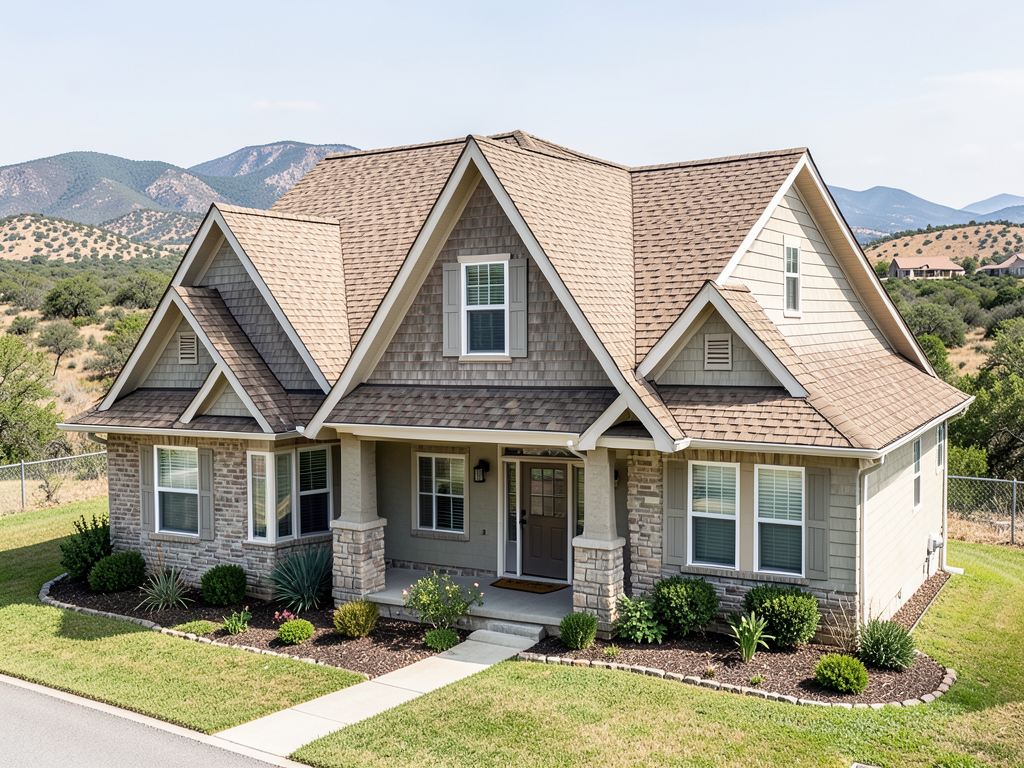
Asphalt shingles need at least 4:12 pitch to work properly. Below this angle water can back up under the shingles and cause leaks. Many homes in neighborhoods like Stone Oak and The Dominion use 5:12 to 6:12 pitches with architectural shingles for good wind resistance.
Standing seam metal roofing works on slopes as low as 1:12 but needs special sealant at the very low end. The metal panels lock together creating a watertight barrier that handles San Antonio’s high winds and hail. Many industrial buildings near Lackland Air Force Base use this system on their low slope roofs.. Read more about Why San Antonio restaurant owners should worry about grease trap runoff on their roofs.
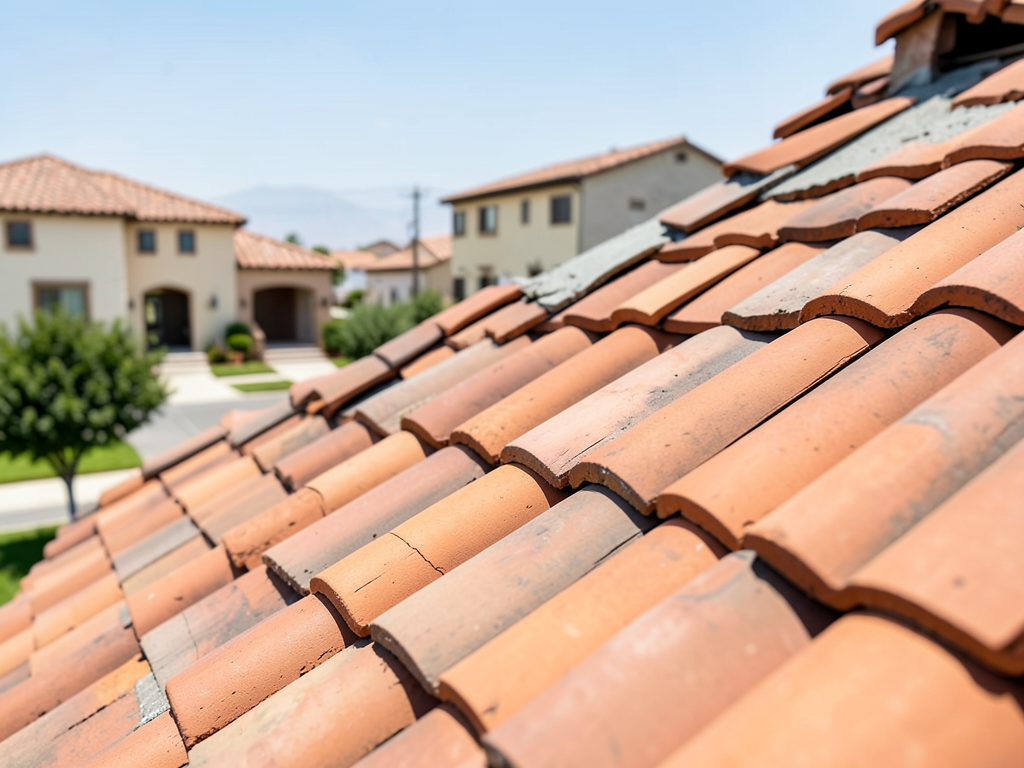
Clay and concrete tiles need steeper slopes usually 5:12 or higher. The weight and design of these tiles makes them shed water better on steeper angles. Mediterranean style homes in Alamo Heights often feature 7:12 to 9:12 pitches with clay tiles that handle our intense UV exposure.
Wood shakes require 4:12 minimum but perform better at 5:12 or steeper. The natural material needs good water shedding to prevent rot in our humid climate.
Low-slope solutions for San Antonio heat
Roofs with slopes between 1:12 and 3:12 need special low slope materials. These flatter surfaces cannot rely on gravity alone to shed water so they use different technology.
TPO and PVC membranes work well on slopes down to 1:4:12. These single ply systems create a continuous waterproof barrier. The white or light colored surfaces reflect heat helping reduce cooling costs during San Antonio’s long summers. Many commercial buildings in the Pearl District use these materials. How much a new roof actually costs in San Antonio right now.
Modified bitumen built up roofing works on slopes to 1:12. This multi layer system uses asphalt and reinforcements to create a durable surface. It handles foot traffic well making it good for roofs with HVAC equipment.
Spray polyurethane foam creates a seamless insulating layer on slopes to 1:12. It conforms to any shape and provides excellent insulation. The coating protects against UV damage and can be walked on for maintenance.
San Antonio’s intense sun means low slope roofs need high reflectivity ratings. Look for materials with Solar Reflectance Index ratings above 0.7 to keep cooling costs down.
Steep-slope aesthetics and performance
Steeper roofs offer more material choices and better natural water shedding. They also create more attic space and can improve your home’s appearance.
Clay and concrete tiles shine on steep slopes. Their weight and overlapping design create excellent water barriers. The heavy tiles resist wind uplift during our spring storms. Many homes in The Dominion use 8:12 to 12:12 pitches with clay tiles for Spanish Colonial style.
Premium asphalt architectural shingles work well on slopes from 4:12 to 12:12. The thicker material and varied tab designs create depth and shadow lines. Class 4 impact resistant shingles handle hail better making them popular in hail prone areas like Universal City. City of San Antonio Development Services Department.
Slate tiles need steep slopes usually 6:12 or higher. The natural stone creates a distinctive look that lasts for generations. The weight requires strong roof framing but the material handles San Antonio’s weather extremely well.
Metal roofing on steep slopes offers clean lines and excellent durability. Standing seam panels or metal shingles can handle slopes to 12:12. The smooth surface sheds debris and water quickly.
San Antonio building codes and drainage
The City of San Antonio Development Services Department sets specific requirements for roof pitch and drainage. These rules ensure your roof handles our heavy rain and protects your home’s structure.
Most residential roofs need positive drainage within 48 hours after a rain. This means water must flow off the roof and not pool. Flat roofs need tapered insulation or crickets to create slope toward drains.
Valley flashing requirements increase on steeper slopes. The flashing must extend farther up the adjoining roof planes to handle the faster water flow. This protects against blow in rain during our spring storms.
Underlayment requirements change with pitch. Low slope roofs need self adhering ice and water shield across the entire surface. Steeper slopes may only need it in valleys and around penetrations. Our high humidity means underlayment must breathe to prevent moisture buildup in the attic.
Wind requirements in San Antonio follow Texas Department of Insurance guidelines. Most areas need roofs to withstand 110 mph winds. Steeper pitches naturally handle wind better but may need extra fastening in exposed areas.. Read more about Understanding how Texas wildfire risks should influence your choice of roofing materials.
Visual comparison of roof pitch and material compatibility
| Material | Minimum Pitch | Best for San Antonio | Lifespan |
|---|---|---|---|
| Asphalt Shingles | 4:12 | Residential 4:12-7:12 | 15-30 years |
| Standing Seam Metal | 1:12 | All slopes especially low | 40-70 years |
| Clay Tile | 5:12 | Steep slopes 7:12+ | 50-100 years |
| TPO Membrane | 1:4:12 | Low slope commercial | 20-30 years |
| Modified Bitumen | 1:12 | Flat roofs commercial | 20-25 years |
Material selection factors for San Antonio climate
San Antonio’s weather creates unique challenges for roofing materials. Our intense UV exposure fades colors and breaks down materials. The spring hail storms can damage even impact resistant products. High humidity promotes algae and moss growth.
UV resistance becomes critical in our climate. Light colored materials reflect more heat reducing cooling costs. Metal and tile hold color longer than asphalt in direct sun. Many San Antonio homeowners choose materials with factory applied reflective coatings.
Hail resistance matters more here than in many areas. Class 4 impact resistant shingles have a rubberized asphalt layer that helps them survive hail impacts. Metal roofing dents but rarely punctures. Tile can crack from large hail but the broken piece can often be replaced.
Thermal expansion causes movement in all roofing materials. Our wide temperature swings from morning to afternoon make this worse. Materials need room to expand without buckling or tearing. Fasteners and attachment methods must handle this movement.
Algae and moss grow in our humid conditions especially on north facing slopes. Some asphalt shingles include copper granules that resist organic growth. Metal and tile naturally resist biological growth. Regular cleaning prevents buildup that can trap moisture.
Cost considerations by pitch and material
Roof pitch affects installation cost beyond just the material price. Steeper roofs take longer to install and require more safety equipment. Low slope roofs need more detailed flashing and waterproofing.
Material costs vary widely. Asphalt shingles run $100-$300 per square for standard products. Premium impact resistant shingles cost $200-$400 per square. Metal roofing ranges from $300-$800 per square depending on style and coating. Tile costs $400-$1000 per square installed.
Steep roofs may need roof jacks or scaffolding adding $500-$2000 to installation costs. Very steep roofs over 12:12 might require special equipment or additional crew members. Low slope roofs need more underlayment and flashings increasing material costs by 20-30%.
Long term costs matter as much as initial price. A $400 per square tile roof lasting 75 years costs less per year than a $150 per square shingle roof needing replacement every 20 years. Energy savings from reflective materials also add up in our hot climate.
Making the right choice for your San Antonio home
Choosing roofing materials starts with understanding your current pitch and what you want from your roof. Do you need maximum hail protection? Are you concerned about energy costs? Does your home’s architecture suggest certain materials? Understanding Roof Warranties.
Check your deed restrictions before selecting materials. Some neighborhoods in Stone Oak or Alamo Heights require specific roofing types or colors. Historic districts may limit your choices to maintain architectural character.
Consider your long term plans. If you will sell within five years a mid range asphalt shingle offers good value. If you plan to stay 20+ years investing in premium materials often makes sense. The energy savings and reduced maintenance add up.
Always get multiple quotes from licensed San Antonio roofers. Compare not just price but warranty terms material specifications and installation methods. A cheap roof installed wrong costs more in the long run than a quality installation.
Ask about ventilation requirements for your chosen material and pitch. Poor ventilation causes heat buildup and moisture problems that void warranties. Ridge vents work well on steep roofs while low slope roofs may need different systems.
Consider the weight of your chosen material. Heavy tile or slate may need structural reinforcement adding to costs. Your existing framing might support the weight but an engineer should verify this.
Plan for disposal of your old roof. Some materials like tile can be recycled reducing landfill fees. Asphalt shingles often end up in landfills but some facilities now recycle them into road base.
Frequently Asked Questions
What roof pitch is most common in San Antonio?
Most San Antonio homes have pitches between 4:12 and 7:12. This range balances water shedding with walkable safety for maintenance. Steeper pitches around 9:12 appear in some hillside areas while low slope roofs under 3:12 are more common on commercial buildings. How to Get Your Commercial Flat Roof Ready for San Antonio Summer Storms.
Can I change my roof pitch during replacement?
Changing roof pitch requires major structural work including rebuilding the roof framing. This adds significant cost often $10000-$30000 depending on house size. Many homeowners find it more cost effective to choose materials that work with their existing pitch.
How does roof pitch affect insurance rates?
Insurance companies consider roof pitch when setting rates. Steeper pitches naturally shed hail reducing damage risk. Some companies offer discounts for impact resistant materials on any pitch. Your agent can explain how your specific pitch and material choices affect premiums.
Do I need permits to change roofing materials?
San Antonio requires permits for most roofing work including material changes. The city inspects underlayment installation and flashings. Permit fees run $100-$300 depending on project size. Your roofer should handle permitting as part of the project.
How long does roof replacement take based on pitch?
Standard pitch roofs take 1-3 days for replacement. Very steep roofs may take 3-5 days due to safety requirements and slower installation. Low slope commercial roofs often take 1-2 weeks due to the detailed waterproofing needed.
Your roof pitch determines which materials will protect your San Antonio home best. From the minimum 4:12 for asphalt shingles to the 5:12 needed for clay tiles each material has specific requirements. Our intense sun hail storms and heavy rains make material selection critical for long term performance.
Before choosing new roofing understand your current pitch and how it affects your options. Consider both upfront costs and long term value including energy savings and durability. Most importantly work with a local roofer who understands San Antonio’s unique climate challenges.
Ready to explore roofing options for your home’s pitch? Summit Roofing San Antonio offers free inspections and can explain exactly which materials will work for your specific roof. Call us today at (726) 256-6199 to schedule your consultation and get expert advice on protecting your home with the right roofing system.
{
“@context”: “https://schema.org”,
“@type”: “BlogPosting”,
“headline”: “Why the pitch of your roof determines which materials you can use”,
“description”: “Learn how your roof’s pitch affects material choices for San Antonio homes. Discover minimum pitch requirements and best options for our climate.”,
“wordCount”: 2088,
“datePublished”: “2026-05-18T07:44:00.000Z”,
“dateModified”: “2026-05-18T07:44:00.000Z”,
“inLanguage”: “en-US”,
“mainEntityOfPage”: {
“@type”: “WebPage”,
“@id”: “https://summitroofingsanantonio.com”
},
“publisher”: {
“@type”: “LocalBusiness”,
“name”: “Summit Roofing San Antonio”,
“url”: “https://summitroofingsanantonio.com”
},
“author”: {
“@type”: “Organization”,
“name”: “Summit Roofing San Antonio”,
“url”: “https://summitroofingsanantonio.com”
},
“image”: {
“@type”: “ImageObject”,
“url”: “https://summitroofingsanantonio.com/wp-content/uploads/2026/03/why-the-pitch-of-your-roof-determines-which-materi-1.png”
}
}
{
“@context”: “https://schema.org”,
“@type”: “RoofingContractor”,
“name”: “Summit Roofing San Antonio”,
“url”: “https://summitroofingsanantonio.com”,
“address”: {
“@type”: “PostalAddress”,
“addressLocality”: “San Antonio”
},
“areaServed”: {
“@type”: “City”,
“name”: “San Antonio”
}
}
{
“@context”: “https://schema.org”,
“@type”: “FAQPage”,
“mainEntity”: [
{
“@type”: “Question”,
“name”: “What roof pitch is most common in San Antonio?”,
“acceptedAnswer”: {
“@type”: “Answer”,
“text”: “Most San Antonio homes have pitches between 4:12 and 7:12. This range balances water shedding with walkable safety for maintenance. Steeper pitches around 9:12 appear in some hillside areas while low slope roofs under 3:12 are more common on commercial buildings. How to Get Your Commercial Flat Roof Ready for San Antonio Summer Storms.”
}
},
{
“@type”: “Question”,
“name”: “Can I change my roof pitch during replacement?”,
“acceptedAnswer”: {
“@type”: “Answer”,
“text”: “Changing roof pitch requires major structural work including rebuilding the roof framing. This adds significant cost often $10000-$30000 depending on house size. Many homeowners find it more cost effective to choose materials that work with their existing pitch.”
}
},
{
“@type”: “Question”,
“name”: “How does roof pitch affect insurance rates?”,
“acceptedAnswer”: {
“@type”: “Answer”,
“text”: “Insurance companies consider roof pitch when setting rates. Steeper pitches naturally shed hail reducing damage risk. Some companies offer discounts for impact resistant materials on any pitch. Your agent can explain how your specific pitch and material choices affect premiums.”
}
},
{
“@type”: “Question”,
“name”: “Do I need permits to change roofing materials?”,
“acceptedAnswer”: {
“@type”: “Answer”,
“text”: “San Antonio requires permits for most roofing work including material changes. The city inspects underlayment installation and flashings. Permit fees run $100-$300 depending on project size. Your roofer should handle permitting as part of the project.”
}
},
{
“@type”: “Question”,
“name”: “How long does roof replacement take based on pitch?”,
“acceptedAnswer”: {
“@type”: “Answer”,
“text”: “Standard pitch roofs take 1-3 days for replacement. Very steep roofs may take 3-5 days due to safety requirements and slower installation. Low slope commercial roofs often take 1-2 weeks due to the detailed waterproofing needed.”
}
}
]
}
{
“@context”: “https://schema.org”,
“@type”: “BreadcrumbList”,
“itemListElement”: [
{
“@type”: “ListItem”,
“position”: 1,
“name”: “Home”,
“item”: “https://summitroofingsanantonio.com”
},
{
“@type”: “ListItem”,
“position”: 2,
“name”: “Blog”,
“item”: “https://summitroofingsanantonio.com/blog”
},
{
“@type”: “ListItem”,
“position”: 3,
“name”: “Why the pitch of your roof determines which materials you can use”
}
]
}
{
“@context”: “https://schema.org”,
“@type”: “Service”,
“serviceType”: “Roofing”,
“provider”: {
“@type”: “LocalBusiness”,
“name”: “Summit Roofing San Antonio”,
“url”: “https://summitroofingsanantonio.com”
},
“areaServed”: {
“@type”: “City”,
“name”: “San Antonio”
},
“description”: “Learn how your roof’s pitch affects material choices for San Antonio homes. Discover minimum pitch requirements and best options for our climate.”
}