
How Your Home Addition in the Deco District Might Affect Your Existing Roof Warranty
Adding square footage to your home in the Deco District sounds exciting until you realize your existing roof warranty might be at risk. The moment new roofing materials meet your old ones the rules change. A tie-in point becomes the most vulnerable spot on your entire roof and it sits right at the intersection of two different warranties. Understanding Roof Warranties.
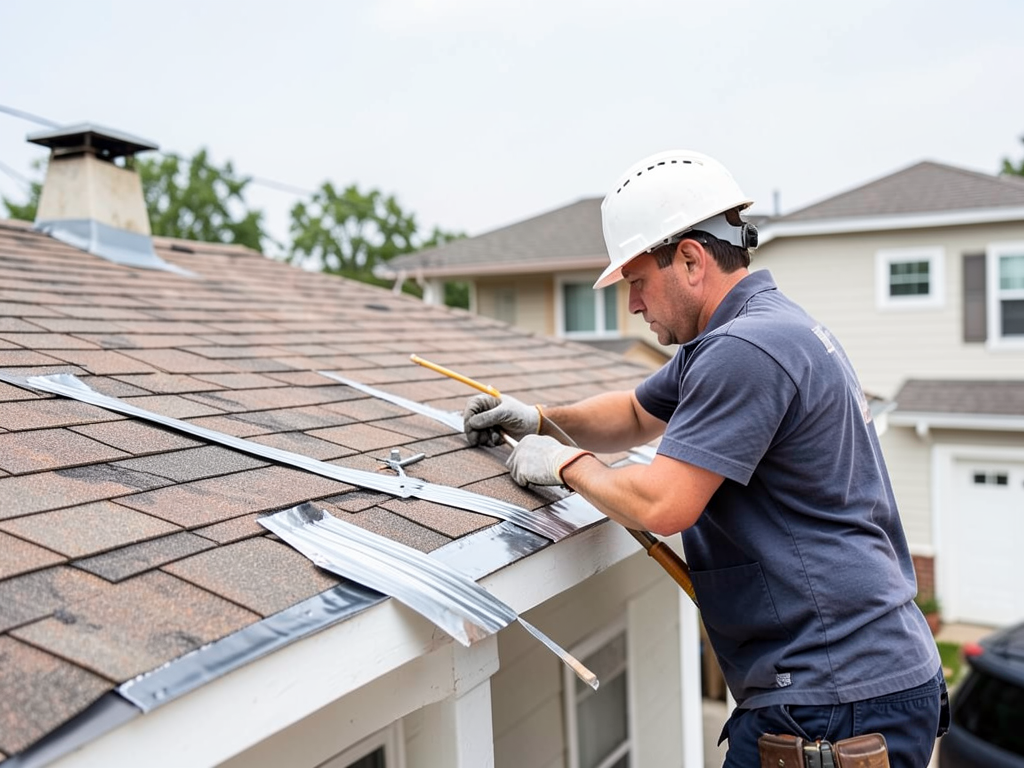
Why the Tie-In Point Matters More Than You Think
San Antonio’s Deco District features mid-century ranch homes with asphalt shingle roofs that typically carry 20 to 30-year manufacturer warranties. When you expand your home the new roofing section needs to connect perfectly with the existing one. This connection point called a tie-in requires exact flashing installation and underlayment overlap. One mistake here can void both your original manufacturer warranty and the new workmanship warranty. How to get your San Antonio roof fixed after a major hail storm.
The problem gets worse with San Antonio’s climate. Our area sees more than 30 days of hail annually and summer temperatures regularly exceed 95 degrees. These conditions stress tie-in points where different roof sections meet. If the flashing fails water can travel under both roof systems causing damage that neither warranty covers because it originated at an improper installation point. What to do when your San Antonio roof starts leaking in the middle of a storm.
Manufacturer Warranty vs Workmanship Warranty
Understanding the difference between these two warranties prevents expensive surprises. A manufacturer warranty from companies like GAF or Owens Corning covers defects in the roofing materials themselves. This means if your shingles curl or crack prematurely within the warranty period you get replacement materials. However this warranty only applies to properly installed roofs. Built-Up Roofing (BUR).
The workmanship warranty covers installation errors. Most reputable San Antonio roofers offer 5 to 10-year workmanship warranties. This covers problems like improper nailing patterns, inadequate underlayment, or flashing failures. When you add onto your home you now have two workmanship warranties potentially covering different sections of your roof.
The critical issue occurs when an addition ties into your existing roof. If the new roofer makes an installation error at the tie-in point both warranties can become void. The manufacturer will claim improper installation voided their coverage. The workmanship warranty won’t apply because the error occurred at the intersection of two different contractor’s work.. Read more about Connecting a new roof to an old one when building a home addition in Five Points.
San Antonio Building Codes and Your Addition
Bexar County requires building permits for any home addition over 100 square feet. The City of San Antonio enforces the International Building Code with local amendments specific to our climate. These codes mandate certain installation practices that directly impact your roof warranty. International Association of Certified Home Inspectors.
For example San Antonio’s high wind requirements mean your tie-in flashing must meet specific uplift resistance standards. The city also requires ice and water shield installation in valleys and around roof penetrations. If your addition’s roofer skips these steps to save time or money you could void your warranty without realizing it.
The permitting process includes roof inspections at multiple stages. Missing an inspection or failing to obtain proper permits can void your warranty immediately. Insurance companies also check permit records before processing claims. An unpermitted addition with roofing issues becomes a nightmare for both warranty and insurance claims.. Read more about Common roofing mistakes people make when renovating a house in Tobin Hill.
Critical Checklist: What to Ask Your Roofer Before Adding On
Before signing any contracts for your Deco District home addition ask these specific questions. Write down the answers and get them in writing. This documentation protects you if warranty issues arise later.
- Will the tie-in work void my existing manufacturer warranty?
- What specific flashing techniques will you use at the connection point?
- Do you provide a separate workmanship warranty for the tie-in section?
- Will you coordinate with my original roofer if needed?
- How do you handle underlayment overlap between old and new sections?
- What permits will you obtain and what inspections are required?
- Can you provide references for similar tie-in projects in San Antonio?
Pay special attention to how contractors discuss flashing. The flashing transition between old and new roofing represents the highest failure point. Quality contractors will explain their specific flashing strategy in detail. Those who brush off your questions likely cut corners.
The ‘Hail Factor’: San Antonio Roof Warranties & Storm Damage
San Antonio experiences more hail events than most Texas cities. Our location in Hail Alley means storm damage affects warranty claims differently than in other regions. When hail strikes a roof with a tie-in point the damage patterns become complex. Texas Department of Licensing and Regulation.
Insurance adjusters look for consistent damage patterns across roof sections. If your addition ties into an existing roof and only one section shows hail damage questions arise. Was the damage caused by the storm or by installation issues at the tie-in? This uncertainty can lead to claim denials affecting both your insurance coverage and warranty protection.
Class 4 impact-resistant shingles offer better protection but don’t eliminate tie-in risks. These premium shingles resist hail damage but still require perfect installation at connection points. Some manufacturers void warranties on Class 4 shingles if they tie into non-impact-resistant roofing without specific transition techniques.
Permitting Requirements for Deco District Additions
The Deco District falls under San Antonio’s historic and architectural guidelines. Any exterior modification including roof additions requires approval from the Office of Historic Preservation. This process adds time to your project but protects your investment long-term.
Historic district requirements often mandate specific roofing materials or colors that match existing structures. Your addition’s roof must blend with the neighborhood aesthetic while meeting modern building codes. This dual requirement creates additional complexity at tie-in points.
Work with contractors familiar with Deco District regulations. They understand which materials pass historic review and how to document installations for warranty purposes. Local experience prevents costly mistakes like using non-compliant materials that void warranties or fail historic review.
Extended Warranties for Structural Additions
Some manufacturers offer extended warranties that cover entire roof systems including additions. These warranties cost more upfront but provide better protection for complex projects. GAF’s Golden Pledge warranty for example covers both materials and workmanship for 50 years when installed by certified contractors.
Extended warranties often require specific installation techniques and approved contractors. The tie-in process must follow manufacturer guidelines exactly. Documentation becomes crucial. Keep all permits, inspection reports, and contractor agreements. These documents prove your roof was installed correctly if warranty issues arise.
Transferable warranties add value when you sell your home. A buyer seeing a valid roof warranty covering the entire structure including additions gains confidence in the purchase. This warranty protection can become a selling point in the Deco District’s competitive market.
Common Tie-In Mistakes That Void Warranties
Learning from others’ mistakes saves you money and headaches. Here are the most common tie-in errors that void warranties in San Antonio:
- Using different shingle brands without manufacturer approval for tie-ins
- Skipping ice and water shield in valleys where new and old roofs meet
- Incorrect nailing patterns that don’t match manufacturer specifications
- Improper flashing overlap leaving gaps for water infiltration
- Mixing ventilation systems between old and new roof sections
- Installing without required permits or inspections
- Using unlicensed contractors unfamiliar with local codes
Each of these mistakes creates a weak point where water can enter. Once water penetrates under the roofing system it travels along the path of least resistance. This often means under both your original roof and the new addition sections. Neither warranty covers damage from improper installation.
Insurance Implications of Adding Square Footage
Your homeowner’s insurance changes when you add onto your home. The insurance company needs to know about the addition to adjust your coverage. Failing to report an addition can void your entire policy if a claim arises.
Insurance companies also examine roof age and condition when setting rates. A new addition with a brand-new roof attached to a 15-year-old roof creates an unusual situation. Some insurers may require you to replace the entire roof to maintain consistent coverage and rates.. Read more about Why brand new homes in Redbird Ranch still need a yearly roof check.
Storm damage claims become more complex with additions. Adjusters must determine whether damage originated in the original roof section, the addition, or at the tie-in point. Clear documentation of your tie-in installation helps prove the damage source and supports your claim.
Choosing the Right Contractor for Your Deco District Addition
Not all roofing contractors understand the complexities of home additions in historic districts. Look for contractors with specific experience in Deco District renovations. They should understand both historic preservation requirements and modern building codes.
Ask potential contractors about their tie-in experience. Request photos of similar projects they’ve completed in San Antonio. A quality contractor will show you detailed tie-in work with proper flashing and underlayment transitions.
Verify contractor licensing through the Texas Department of Licensing and Regulation. Check for liability insurance and workers’ compensation coverage. These protections matter more with complex projects where multiple contractors might work on your home.
Communication becomes critical during additions. Your contractor should keep you informed about permit status, inspection results, and any issues discovered during demolition. Regular updates prevent surprises and ensure your warranty protection stays intact.
Protecting Your Investment Long-Term
Your home addition represents a significant investment. Protecting that investment means understanding how tie-ins affect your roof warranty. Take these steps to ensure your warranty stays valid:
- Document everything: permits, contracts, inspection reports, and warranties
- Keep all manufacturer installation guides and warranty documents
- Schedule regular roof inspections to catch tie-in issues early
- Address any leaks immediately to prevent warranty-voiding damage
- Maintain consistent maintenance between old and new roof sections
Regular maintenance prevents small issues from becoming major problems. Have your roof inspected annually and after major storms. Pay special attention to tie-in points where different roof sections meet. Early detection of flashing issues or underlayment problems can save thousands in repairs.
Consider establishing a relationship with a local roofing company that understands Deco District homes. They can provide ongoing maintenance and warranty support specific to your home’s unique roof configuration.
Making the Right Decision for Your Home Addition
Adding onto your Deco District home doesn’t have to risk your roof warranty. The key is working with knowledgeable professionals who understand tie-in complexities. Your contractor should explain exactly how they’ll protect your existing warranty while installing the new addition.
Ask about warranty transfer options if you plan to sell your home in the future. A valid roof warranty covering both original and addition sections adds significant value. Some buyers specifically look for homes with transferable roof warranties in historic districts.
Remember that cheapest isn’t always best when it comes to roof additions. Quality tie-in work costs more upfront but prevents expensive problems later. The peace of mind knowing your warranty stays intact and your home stays protected is worth the investment. How much a new roof actually costs in San Antonio right now.
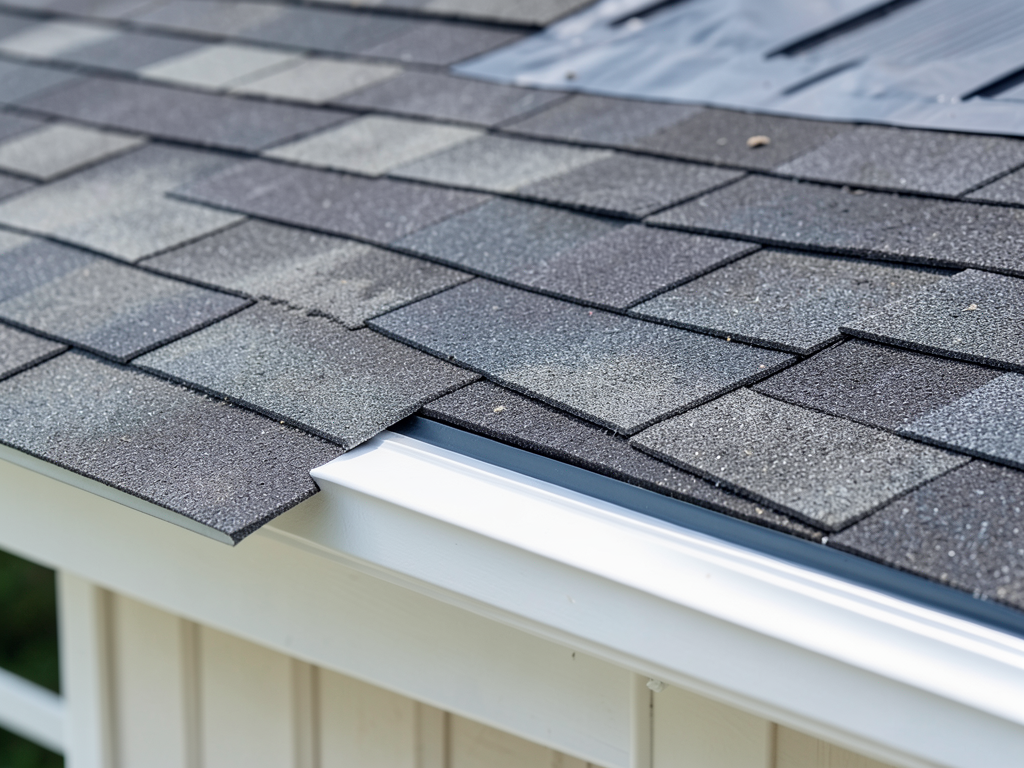
Frequently Asked Questions
Will adding a home addition automatically void my existing roof warranty?
No but it can void your warranty if the tie-in installation isn’t done correctly. The connection point between old and new roofing requires specific techniques to maintain warranty coverage. Working with certified contractors who understand manufacturer requirements prevents warranty issues.
How long does a typical roof tie-in installation take?
A proper tie-in installation usually takes 2 to 3 days depending on weather and roof complexity. Rushing the process increases the risk of warranty-voiding mistakes. Quality contractors won’t compromise installation speed for warranty protection.
Can I use different shingle brands for my addition than my existing roof?
You can use different brands but only if the manufacturer approves the tie-in configuration. Some manufacturers void warranties when different brands tie together without specific transition techniques. Always check warranty terms before selecting materials.
What permits do I need for a roof addition in the Deco District?
You need building permits from Bexar County plus approval from San Antonio’s Office of Historic Preservation. The historic review ensures your addition meets Deco District aesthetic guidelines. Both permit types are required before starting any roofing work.
How do I know if my tie-in work is causing problems?
Signs of tie-in problems include water stains on ceilings near the addition, curling shingles at connection points, and visible gaps in flashing. Schedule a professional inspection if you notice any of these issues. Early detection prevents warranty-voiding damage.
Get Professional Help Before Starting Your Addition
Don’t risk your roof warranty on an improper tie-in installation. The Deco District’s unique requirements and San Antonio’s challenging climate demand experienced professionals who understand warranty protection. Before signing any contracts for your home addition call Summit Roofing San Antonio at (726) 256-6199.
Our team specializes in complex tie-in installations that maintain warranty coverage while meeting all local building codes and historic district requirements. We provide detailed documentation of every installation step to protect your warranty rights. Schedule your free consultation today and ensure your home addition enhances rather than endangers your roof investment.
- Research Contractor Credentials
Verify licensing insurance and Deco District experience before hiring anyone.
- Document Existing Warranty Terms
Review your current warranty documents to understand tie-in requirements.
- Obtain Required Permits
Secure all building and historic preservation permits before starting work.
- Schedule Professional Inspections
Have qualified inspectors examine tie-in work at key completion stages.
- Maintain Detailed Records
Keep all permits contracts and inspection reports for warranty claims.
You may also find this helpful. How heavy dust and vibration from nearby construction can impact your Dellview roof.
You may also find this helpful. Turning Your Southtown Flat Roof into a Functional Deck or Patio Space.
{
“@context”: “https://schema.org”,
“@type”: “BlogPosting”,
“headline”: “How Your Home Addition in the Deco District Might Affect Your Existing Roof Warranty”,
“description”: “Planning a home addition in San Antonio’s Deco District? Learn how tie-ins and local building codes affect your roof warranty and what to ask before construction starts.”,
“wordCount”: 2221,
“datePublished”: “2026-06-06T13:22:00.000Z”,
“dateModified”: “2026-06-06T13:22:00.000Z”,
“inLanguage”: “en-US”,
“mainEntityOfPage”: {
“@type”: “WebPage”,
“@id”: “https://summitroofingsanantonio.com”
},
“publisher”: {
“@type”: “LocalBusiness”,
“name”: “Summit Roofing San Antonio”,
“url”: “https://summitroofingsanantonio.com”
},
“author”: {
“@type”: “Organization”,
“name”: “Summit Roofing San Antonio”,
“url”: “https://summitroofingsanantonio.com”
},
“image”: {
“@type”: “ImageObject”,
“url”: “https://summitroofingsanantonio.com/wp-content/uploads/2026/03/how-your-home-addition-in-the-deco-district-might-1.png”
}
}
{
“@context”: “https://schema.org”,
“@type”: “RoofingContractor”,
“name”: “Summit Roofing San Antonio”,
“url”: “https://summitroofingsanantonio.com”,
“address”: {
“@type”: “PostalAddress”,
“addressLocality”: “San Antonio”
},
“areaServed”: {
“@type”: “City”,
“name”: “San Antonio”
}
}
{
“@context”: “https://schema.org”,
“@type”: “FAQPage”,
“mainEntity”: [
{
“@type”: “Question”,
“name”: “Will adding a home addition automatically void my existing roof warranty?”,
“acceptedAnswer”: {
“@type”: “Answer”,
“text”: “No but it can void your warranty if the tie-in installation isn’t done correctly. The connection point between old and new roofing requires specific techniques to maintain warranty coverage. Working with certified contractors who understand manufacturer requirements prevents warranty issues.”
}
},
{
“@type”: “Question”,
“name”: “How long does a typical roof tie-in installation take?”,
“acceptedAnswer”: {
“@type”: “Answer”,
“text”: “A proper tie-in installation usually takes 2 to 3 days depending on weather and roof complexity. Rushing the process increases the risk of warranty-voiding mistakes. Quality contractors won’t compromise installation speed for warranty protection.”
}
},
{
“@type”: “Question”,
“name”: “Can I use different shingle brands for my addition than my existing roof?”,
“acceptedAnswer”: {
“@type”: “Answer”,
“text”: “You can use different brands but only if the manufacturer approves the tie-in configuration. Some manufacturers void warranties when different brands tie together without specific transition techniques. Always check warranty terms before selecting materials.”
}
},
{
“@type”: “Question”,
“name”: “What permits do I need for a roof addition in the Deco District?”,
“acceptedAnswer”: {
“@type”: “Answer”,
“text”: “You need building permits from Bexar County plus approval from San Antonio’s Office of Historic Preservation. The historic review ensures your addition meets Deco District aesthetic guidelines. Both permit types are required before starting any roofing work.”
}
},
{
“@type”: “Question”,
“name”: “How do I know if my tie-in work is causing problems?”,
“acceptedAnswer”: {
“@type”: “Answer”,
“text”: “Signs of tie-in problems include water stains on ceilings near the addition, curling shingles at connection points, and visible gaps in flashing. Schedule a professional inspection if you notice any of these issues. Early detection prevents warranty-voiding damage.”
}
}
]
}
{
“@context”: “https://schema.org”,
“@type”: “HowTo”,
“name”: “How to Protect Your Roof Warranty During a Home Addition”,
“step”: [
{
“@type”: “HowToStep”,
“position”: 1,
“name”: “Research Contractor Credentials”,
“text”: “Verify licensing insurance and Deco District experience before hiring anyone.”
},
{
“@type”: “HowToStep”,
“position”: 2,
“name”: “Document Existing Warranty Terms”,
“text”: “Review your current warranty documents to understand tie-in requirements.”
},
{
“@type”: “HowToStep”,
“position”: 3,
“name”: “Obtain Required Permits”,
“text”: “Secure all building and historic preservation permits before starting work.”
},
{
“@type”: “HowToStep”,
“position”: 4,
“name”: “Schedule Professional Inspections”,
“text”: “Have qualified inspectors examine tie-in work at key completion stages.”
},
{
“@type”: “HowToStep”,
“position”: 5,
“name”: “Maintain Detailed Records”,
“text”: “Keep all permits contracts and inspection reports for warranty claims.”
}
],
“image”: “https://summitroofingsanantonio.com/wp-content/uploads/2026/03/how-your-home-addition-in-the-deco-district-might-1.png”
}
{
“@context”: “https://schema.org”,
“@type”: “BreadcrumbList”,
“itemListElement”: [
{
“@type”: “ListItem”,
“position”: 1,
“name”: “Home”,
“item”: “https://summitroofingsanantonio.com”
},
{
“@type”: “ListItem”,
“position”: 2,
“name”: “Blog”,
“item”: “https://summitroofingsanantonio.com/blog”
},
{
“@type”: “ListItem”,
“position”: 3,
“name”: “How Your Home Addition in the Deco District Might Affect Your Existing Roof Warranty”
}
]
}
{
“@context”: “https://schema.org”,
“@type”: “Service”,
“serviceType”: “Roofing”,
“provider”: {
“@type”: “LocalBusiness”,
“name”: “Summit Roofing San Antonio”,
“url”: “https://summitroofingsanantonio.com”
},
“areaServed”: {
“@type”: “City”,
“name”: “San Antonio”
},
“description”: “Planning a home addition in San Antonio’s Deco District? Learn how tie-ins and local building codes affect your roof warranty and what to ask before construction starts.”
}