
How to spot hidden roof damage after a San Antonio windstorm
High winds can cause serious damage to your roof even when you don’t see obvious signs from the ground. In San Antonio, where spring thunderstorms and summer gusts regularly exceed 60 mph, understanding what to look for after a wind event can save you thousands in repair costs. San Antonio Building Codes.
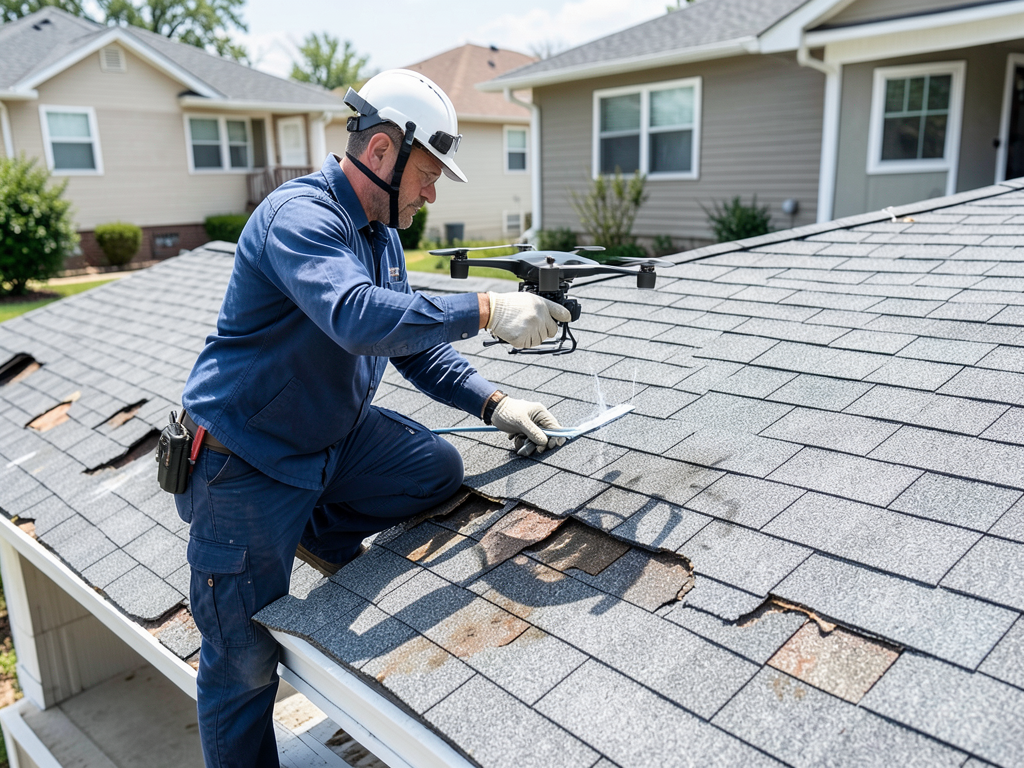
Wind damage often hides in plain sight. Shingles may look intact but have subtle creases or lifted edges that compromise your roof’s waterproofing. These hidden defects can lead to leaks during the next rain, causing interior damage to your walls, ceilings, and insulation.
Common signs of wind damage on San Antonio roofs
Wind affects different roofing materials in specific ways. In San Antonio’s climate, most homes use asphalt shingles, but tile and metal roofs also experience unique wind-related issues. How to get your San Antonio roof fixed after a major hail storm.
Asphalt shingle damage
Look for these specific indicators after a windstorm:
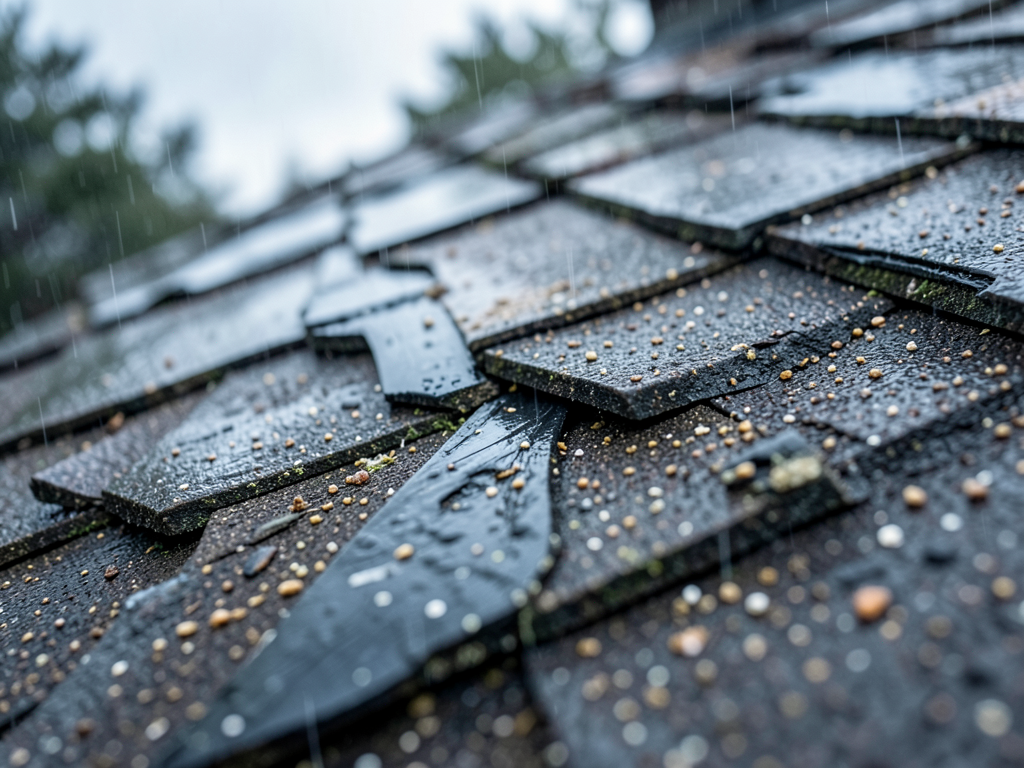
- Shingle creasing – Small diagonal wrinkles near the nail line where wind lifted the shingle
- Granule loss – Bare spots where protective granules have been stripped away
- Lifted edges – Shingles that no longer lie flat against the roof deck
- Missing nails – Exposed nail heads where fasteners have backed out
Tile roof indicators
Tiles in neighborhoods like Alamo Heights and Terrell Hills face different challenges:
- Cracked or broken tiles – Often from wind-driven debris impact
- Shifted tiles – Wind can slide tiles out of position
- Exposed underlayment – Missing tiles reveal vulnerable layers
Hidden damage you can’t see from the ground
Many homeowners in Stone Oak and surrounding areas miss critical damage because it occurs in areas they cannot easily observe. Professional inspectors use specific techniques to find these issues.
Wind uplift damage happens when wind pressure creates a lifting force on your roof. This can cause:
- Seal failure – Adhesive strips lose their grip
- Deck movement – The roof deck shifts slightly, breaking seals
- Flashing separation – Metal flashing around chimneys and vents pulls away
Water infiltration often begins at these compromised points. By the time you notice a ceiling stain, the damage has already spread to your attic insulation and structural components. How to Get Your Commercial Flat Roof Ready for San Antonio Summer Storms.
Step-by-step wind damage inspection process
Following a systematic approach helps you identify all potential issues. Here’s what professional inspectors check:
- Ground-level assessment
Walk around your property and look for obvious signs like missing shingles, debris in the yard, or damaged gutters.
- Attic inspection
Check for daylight through the roof deck, water stains, or damp insulation. Use a flashlight to examine rafters and sheathing.
- Edge examination
Inspect roof edges, rakes, and eaves where wind forces are strongest. Look for lifted or curled shingles.
- Flashing check
Examine all flashing around chimneys, vents, and valleys. Wind can bend or separate these critical components.
- Granule collection
Check gutters and downspouts for excessive granule accumulation, indicating shingle deterioration.
San Antonio-specific wind considerations
San Antonio’s unique geography creates specific wind patterns that affect roof damage patterns. The Edwards Plateau to the north and the Gulf Coastal Plain to the southeast create wind channels that intensify during certain weather events. What to do when your San Antonio roof starts leaking in the middle of a storm.
Recent wind data from the National Weather Service shows that San Antonio experiences: National Weather Service San Antonio.
| Wind Event Type | Typical Speed Range | Common Damage Level |
|---|---|---|
| Spring Thunderstorms | 45-65 mph | Moderate shingle damage |
| Summer Gust Fronts | 50-70 mph | Flashing separation |
| Hurricane Remnants | 60-80 mph | Significant structural issues |
Neighborhoods in the northern and western parts of San Antonio, such as Helotes and Boerne, often experience higher wind speeds due to elevation changes and fewer obstructions. The Boerne homeowner’s guide to emergency roof repairs.
When to call a professional inspector
DIY inspections have limitations. Professional roofers use specialized tools and have the training to identify subtle damage that untrained eyes miss.
Call a professional if you notice:
- Multiple lifted or creased shingles
- Water stains on interior ceilings or walls
- Missing or damaged flashing
- Age of roof exceeds 15 years
- Recent severe weather event
Professional inspectors document damage with detailed photographs and measurements, which insurance companies require for claim approval.
Insurance claim documentation requirements
Insurance companies in Texas follow specific guidelines for wind damage claims. Your documentation must meet these standards:
| Required Documentation | Why It Matters |
|---|---|
| Date-stamped photos | Establishes timeline of damage |
| Detailed damage report | Provides scope for repair estimate |
| Wind speed verification | Confirms weather event severity |
| Material specifications | Determines replacement costs |
Working with a local roofing contractor familiar with San Antonio’s insurance requirements streamlines the claims process. They understand what documentation adjusters need and can communicate effectively about regional building codes.. Read more about Why South San Antonio Homes Are More Susceptible to Wind Damage During Squall Lines.
Preventing future wind damage
Once your roof is repaired, consider upgrades that improve wind resistance. Modern roofing materials and installation techniques offer better protection against San Antonio’s wind patterns.. Read more about How extreme San Antonio freezes can actually damage your roof shingles and pipes.
High-wind resistant features include:
- Six-nail fastening patterns instead of four
- Enhanced adhesive strips on shingles
- Reinforced starter strips
- Upgraded underlayment systems
These improvements can qualify for insurance discounts and provide better protection during future storms.
Emergency tarping services
If you discover significant damage, emergency tarping prevents further water intrusion while you arrange permanent repairs. Professional tarping services in San Antonio typically respond within 24 hours of your call.
Emergency services include:
- Waterproof tarp installation
- Debris removal from damaged areas
- Initial damage assessment
- Insurance documentation photos
Quick response prevents secondary damage from rain that often follows wind events in South Texas.
Understanding wind uplift ratings
Roofing materials carry specific wind uplift ratings measured in pounds per square foot. San Antonio’s building codes require different ratings based on your location within the city.
Typical wind uplift requirements:
| Location | Required Uplift Rating | Recommended Materials |
|---|---|---|
| Central San Antonio | 90 psf | Standard architectural shingles |
| North/Northwest | 110 psf | High-wind rated shingles |
| Exposed areas | 130 psf | Premium impact-resistant materials |
Higher ratings provide better protection but may increase initial costs by 15-25%. How much a new roof actually costs in San Antonio right now.
Local building code compliance
San Antonio’s Unified Development Code (UDC) includes specific requirements for wind-resistant roofing. These regulations ensure your roof meets minimum safety standards.
Key code requirements include:
- Minimum fastener patterns for different roof slopes
- Required underlayment types based on roof age
- Flashing specifications for valleys and penetrations
- Ventilation requirements to prevent uplift
Professional roofers stay current with these codes and ensure your repairs or replacement meet all local requirements.
Comparing inspection options
Homeowners often wonder about the difference between free and paid inspections. Understanding these options helps you make informed decisions.
| Inspection Type | Cost | Depth of Analysis | Best For |
|---|---|---|---|
| Free inspection | $0 | Basic visual check | Initial screening |
| Paid inspection | $150-300 | Detailed forensic analysis | Insurance claims |
| Engineering inspection | $500-800 | Structural assessment | Complex damage |
Free inspections provide a good starting point, but paid inspections offer the detailed documentation needed for insurance claims or major repairs.
Common misconceptions about wind damage
Many San Antonio homeowners misunderstand how wind affects their roofs. Clearing up these misconceptions prevents costly mistakes.
Myth: Only missing shingles indicate damage
Reality: Subtle creasing and granule loss often cause more problems than missing shingles.
Myth: Wind damage is always obvious
Reality: Many defects require close inspection or even removal of shingles to detect.
Myth: All roofing contractors provide equal inspections
Reality: Experience and training significantly impact inspection quality and accuracy.
Preparing for your inspection
Before the inspector arrives, gather information that helps them assess your situation accurately.
- Approximate roof age and installation date
- Previous repair history
- Recent weather events in your area
- Any interior water stains or damage
- Photos of visible exterior damage
This information helps the inspector focus on likely problem areas and provide more accurate recommendations.
Next steps after discovering damage
If your inspection reveals wind damage, follow these steps to protect your home and financial interests:
- Document all findings with photos and notes
- Contact your insurance company promptly
- Obtain multiple repair estimates from licensed contractors
- Review your insurance policy for coverage details
- Schedule repairs before the next rain event
Delaying repairs often leads to more extensive and expensive damage.
Frequently Asked Questions
How long after a windstorm should I inspect my roof?
Inspect your roof within 24-48 hours after a windstorm. This timing allows you to document damage before weather or foot traffic alters the evidence.
Can I walk on my roof to inspect for damage?
Walking on your roof is dangerous and can cause additional damage. Use binoculars from the ground or hire a professional with proper safety equipment.
Will my insurance cover wind damage?
Most homeowners insurance policies cover wind damage, but coverage varies by policy. Check your specific policy or contact your insurance agent for details.
How can I tell if damage is from wind versus age?
Wind damage typically shows directional patterns and affects multiple shingles in specific areas. Age-related wear is more uniform across the roof surface.
What should I do if I find damage?
Document the damage with photos, contact a licensed roofing contractor for a professional assessment, and notify your insurance company if repairs exceed your deductible.
Wind damage can compromise your home’s protection without obvious signs. Understanding what to look for and when to call professionals helps you address problems before they become major expenses.
San Antonio’s weather patterns make wind damage a recurring concern for homeowners. Regular inspections, prompt repairs, and quality materials provide the best protection for your investment.
Don’t wait until water stains appear on your ceiling. If you suspect wind damage after a recent storm, schedule a professional inspection today. Early detection saves money and prevents the stress of emergency repairs during the next rain event.
Call Summit Roofing San Antonio at (726) 256-6199 for a comprehensive wind damage inspection. Our experienced technicians understand San Antonio’s unique wind patterns and building requirements, ensuring your roof receives the thorough assessment it needs.
You may also find this helpful. Why you should never let a door-to-door roofer sign your insurance check.
You may also find this helpful. Why removing an old satellite dish can leave your roof vulnerable to leaks.
{
“@context”: “https://schema.org”,
“@type”: “BlogPosting”,
“headline”: “How to spot hidden roof damage after a San Antonio windstorm”,
“description”: “Learn how to identify wind damage on your San Antonio roof. Expert tips on shingle creasing, granule loss, and hidden damage that insurance companies look for.”,
“wordCount”: 1653,
“datePublished”: “2026-05-10T07:43:00.000Z”,
“dateModified”: “2026-05-10T07:43:00.000Z”,
“inLanguage”: “en-US”,
“mainEntityOfPage”: {
“@type”: “WebPage”,
“@id”: “https://summitroofingsanantonio.com”
},
“publisher”: {
“@type”: “LocalBusiness”,
“name”: “Summit Roofing San Antonio”,
“url”: “https://summitroofingsanantonio.com”
},
“author”: {
“@type”: “Organization”,
“name”: “Summit Roofing San Antonio”,
“url”: “https://summitroofingsanantonio.com”
},
“image”: {
“@type”: “ImageObject”,
“url”: “https://summitroofingsanantonio.com/wp-content/uploads/2026/03/how-to-spot-hidden-roof-damage-after-a-san-antonio-1.png”
}
}
{
“@context”: “https://schema.org”,
“@type”: “RoofingContractor”,
“name”: “Summit Roofing San Antonio”,
“url”: “https://summitroofingsanantonio.com”,
“address”: {
“@type”: “PostalAddress”,
“addressLocality”: “San Antonio”
},
“areaServed”: {
“@type”: “City”,
“name”: “San Antonio”
}
}
{
“@context”: “https://schema.org”,
“@type”: “FAQPage”,
“mainEntity”: [
{
“@type”: “Question”,
“name”: “How long after a windstorm should I inspect my roof?”,
“acceptedAnswer”: {
“@type”: “Answer”,
“text”: “Inspect your roof within 24-48 hours after a windstorm. This timing allows you to document damage before weather or foot traffic alters the evidence.”
}
},
{
“@type”: “Question”,
“name”: “Can I walk on my roof to inspect for damage?”,
“acceptedAnswer”: {
“@type”: “Answer”,
“text”: “Walking on your roof is dangerous and can cause additional damage. Use binoculars from the ground or hire a professional with proper safety equipment.”
}
},
{
“@type”: “Question”,
“name”: “Will my insurance cover wind damage?”,
“acceptedAnswer”: {
“@type”: “Answer”,
“text”: “Most homeowners insurance policies cover wind damage, but coverage varies by policy. Check your specific policy or contact your insurance agent for details.”
}
},
{
“@type”: “Question”,
“name”: “How can I tell if damage is from wind versus age?”,
“acceptedAnswer”: {
“@type”: “Answer”,
“text”: “Wind damage typically shows directional patterns and affects multiple shingles in specific areas. Age-related wear is more uniform across the roof surface.”
}
},
{
“@type”: “Question”,
“name”: “What should I do if I find damage?”,
“acceptedAnswer”: {
“@type”: “Answer”,
“text”: “Document the damage with photos, contact a licensed roofing contractor for a professional assessment, and notify your insurance company if repairs exceed your deductible.”
}
}
]
}
{
“@context”: “https://schema.org”,
“@type”: “HowTo”,
“name”: “How to inspect your roof for wind damage”,
“step”: [
{
“@type”: “HowToStep”,
“position”: 1,
“name”: “Ground-level assessment”,
“text”: “Walk around your property and look for obvious signs like missing shingles, debris in the yard, or damaged gutters.”
},
{
“@type”: “HowToStep”,
“position”: 2,
“name”: “Attic inspection”,
“text”: “Check for daylight through the roof deck, water stains, or damp insulation. Use a flashlight to examine rafters and sheathing.”
},
{
“@type”: “HowToStep”,
“position”: 3,
“name”: “Edge examination”,
“text”: “Inspect roof edges, rakes, and eaves where wind forces are strongest. Look for lifted or curled shingles.”
},
{
“@type”: “HowToStep”,
“position”: 4,
“name”: “Flashing check”,
“text”: “Examine all flashing around chimneys, vents, and valleys. Wind can bend or separate these critical components.”
},
{
“@type”: “HowToStep”,
“position”: 5,
“name”: “Granule collection”,
“text”: “Check gutters and downspouts for excessive granule accumulation, indicating shingle deterioration.”
}
],
“image”: “https://summitroofingsanantonio.com/wp-content/uploads/2026/03/how-to-spot-hidden-roof-damage-after-a-san-antonio-1.png”
}
{
“@context”: “https://schema.org”,
“@type”: “BreadcrumbList”,
“itemListElement”: [
{
“@type”: “ListItem”,
“position”: 1,
“name”: “Home”,
“item”: “https://summitroofingsanantonio.com”
},
{
“@type”: “ListItem”,
“position”: 2,
“name”: “Blog”,
“item”: “https://summitroofingsanantonio.com/blog”
},
{
“@type”: “ListItem”,
“position”: 3,
“name”: “How to spot hidden roof damage after a San Antonio windstorm”
}
]
}
{
“@context”: “https://schema.org”,
“@type”: “Service”,
“serviceType”: “Roofing”,
“provider”: {
“@type”: “LocalBusiness”,
“name”: “Summit Roofing San Antonio”,
“url”: “https://summitroofingsanantonio.com”
},
“areaServed”: {
“@type”: “City”,
“name”: “San Antonio”
},
“description”: “Learn how to identify wind damage on your San Antonio roof. Expert tips on shingle creasing, granule loss, and hidden damage that insurance companies look for.”
}