
Why South San Antonio Homes Are More Susceptible to Wind Damage During Squall Lines
South San Antonio homeowners face unique wind damage risks during squall line storms that sweep across the region each spring and fall. The combination of open terrain south of downtown and older roofing systems in neighborhoods like Brooks and Harlandale creates conditions where wind speeds intensify and cause more severe roof damage than in other parts of the city. City of San Antonio Building Department.
Understanding why these storms hit South San Antonio harder helps homeowners prepare and protect their properties. The flat, open landscape south of downtown lacks the natural windbreaks that exist in more developed areas. When squall lines approach from the west, they maintain higher speeds over this open terrain, creating wind gusts that can exceed 70 mph by the time they reach neighborhoods near Mission San Francisco. How to get your San Antonio roof fixed after a major hail storm.
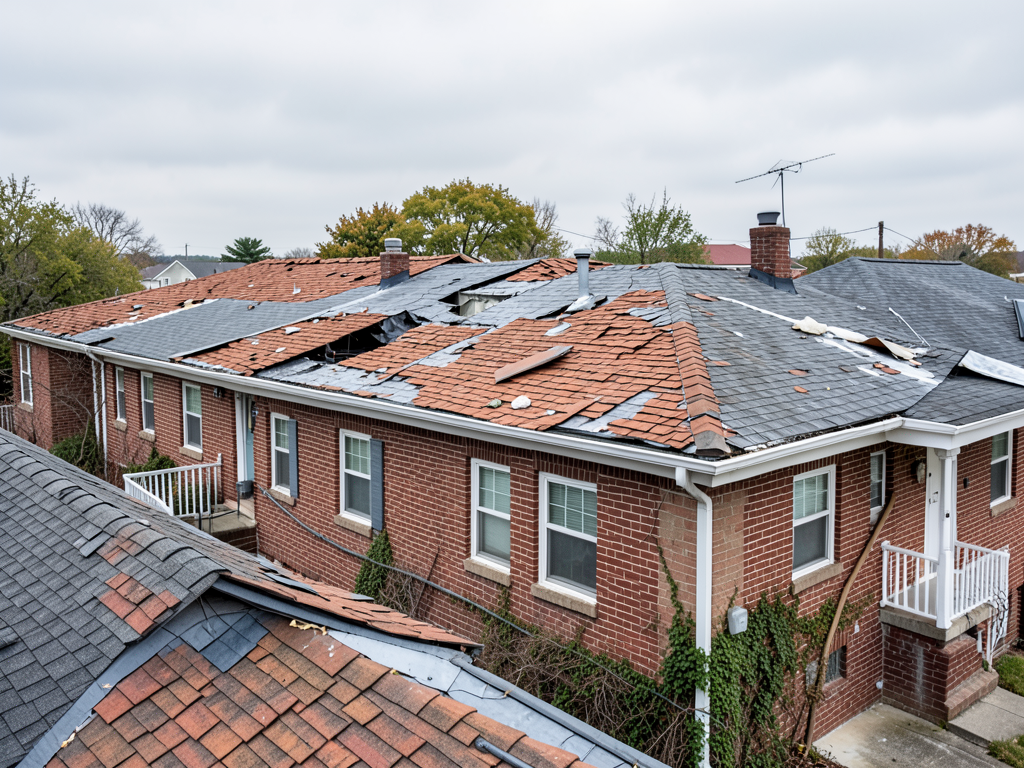
Wind Patterns That Target South San Antonio
The geography south of downtown San Antonio creates a wind tunnel effect during severe weather events. The area between the San Antonio River and the open ranch lands to the south experiences fewer obstructions, allowing wind speeds to build as storms approach. What to do when your San Antonio roof starts leaking in the middle of a storm.
Stinson Municipal Airport weather data shows that wind gusts during squall lines are typically 10-15 mph higher in the 78214 and 78221 zip codes compared to downtown or north San Antonio. This difference may seem small, but it significantly impacts roof damage potential.
The open terrain near Brooks City Base and the Mission Reach area creates conditions where wind can accelerate before hitting residential neighborhoods. Homes in these areas often experience shingle blow-off, flashing damage, and even structural roof uplift that requires immediate repair.
Common Wind Damage Types in South San Antonio Homes
Wind damage in South San Antonio homes typically follows predictable patterns based on roof age and construction type. Older homes with 3-tab asphalt shingles are most vulnerable, while newer architectural shingles provide better wind resistance.
Shingle blow-off represents the most visible damage. High winds can peel back entire sections of shingles, exposing the underlayment and creating immediate leak risks. The open terrain south of downtown means homes here often experience wind speeds that exceed the design limits of older roofing materials. Built-Up Roofing (BUR).
Flashing damage around chimneys, vents, and roof edges becomes more common during intense squall lines. The repeated expansion and contraction from South Texas temperature swings weakens these metal components over time, making them more susceptible to wind uplift. Texas Department of Insurance.
Granule loss on asphalt shingles accelerates after wind storms. The combination of high winds and flying debris scours the protective granules from shingle surfaces, reducing their lifespan and UV protection capabilities.
South San Antonio Neighborhoods Most at Risk
Several South San Antonio neighborhoods consistently report higher wind damage rates during squall line events. The pattern correlates with roof age, construction style, and proximity to open terrain.
Harlandale area homes built before 2000 show the highest damage rates. Many of these properties still have original 3-tab shingles that cannot withstand modern wind speeds. The neighborhood’s proximity to the open areas south of Mission San Jose means these homes face the full force of approaching storms.
Brooks neighborhood experiences unique wind challenges due to its former military base layout. The wide-open spaces and older industrial-era construction create conditions where wind accelerates before reaching residential areas.
Southcross area homes near the railroad tracks face different challenges. The linear features create wind channeling effects that can intensify gusts between buildings, causing unexpected damage to roofs that might otherwise withstand direct wind exposure.
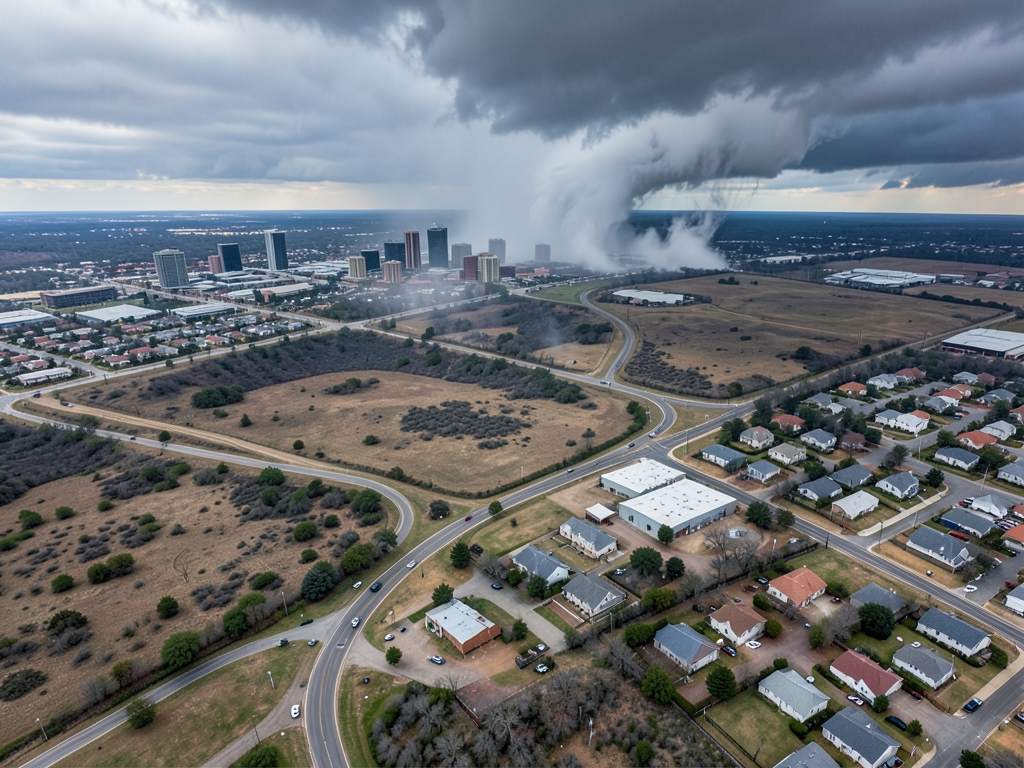
Wind Speed Damage Thresholds for South Texas Roofs
Understanding wind speed damage thresholds helps homeowners assess storm damage and plan repairs. South Texas roofing systems face different challenges than those in other regions due to our unique climate conditions. Understanding Roof Warranties.
3-tab asphalt shingles typically fail when wind speeds exceed 60 mph. Many South San Antonio homes still have these older shingles, making them vulnerable during severe squall lines. The combination of age and wind exposure means these roofs often fail at lower speeds than their rated capacity.
Architectural shingles provide better wind resistance, typically withstanding gusts up to 110 mph when properly installed. However, installation quality matters significantly. Many homes in older South San Antonio neighborhoods have installation issues that reduce their actual wind resistance.
Texas Department of Insurance building code requirements mandate specific wind resistance ratings for new construction. Homes built after 2000 in South San Antonio must meet higher wind resistance standards, but many older properties still have original roofing that falls below current requirements.
Immediate Steps After Wind Storm Damage
Taking the right steps immediately after wind damage can prevent further property damage and strengthen insurance claims. South San Antonio homeowners should follow a specific process to protect their homes and document damage.
Safety comes first. Never climb on a damaged roof. Instead, inspect from the ground using binoculars to identify missing shingles, damaged flashing, or debris accumulation. Look for water stains on ceilings that indicate roof leaks.
Document all visible damage with photos and videos. Take wide shots showing the entire affected area, then close-ups of specific damage points. This documentation proves invaluable during insurance claims and helps roofing contractors provide accurate repair estimates.
Emergency tarping prevents interior water damage while waiting for professional repairs. Use heavy-duty tarps secured with 2×4 boards rather than nails or staples that can create additional roof damage. Cover all exposed areas completely.
- Safety Assessment
Evaluate the situation from ground level. Look for hanging debris, exposed underlayment, or visible leaks inside your home.
- Documentation
Take clear photos of all damage from multiple angles. Include photos of your entire roof if possible.
- Emergency Tarping
Cover exposed areas with heavy-duty tarps. Secure with boards rather than nails to prevent additional damage.
- Insurance Notification
Contact your insurance company immediately to report damage and start the claims process.
Insurance Claim Process for Wind Damage
Navigating insurance claims for wind damage in South San Antonio requires understanding local insurance company practices and Texas insurance regulations. The process differs from other types of claims due to the seasonal nature of wind damage.
Most South Texas insurance policies have specific wind damage deductibles that may be higher than standard deductibles. Some policies use percentage-based deductibles for wind damage rather than flat dollar amounts. Understanding your policy details before filing a claim prevents surprises.
Insurance companies often send multiple adjusters to areas affected by widespread wind damage. This can extend the claims process timeline. Having thorough documentation and being available for adjuster inspections speeds up claim resolution.
Working with a roofing contractor who understands South Texas insurance requirements can streamline the claims process. These professionals know what documentation insurance companies require and can help ensure your claim includes all necessary information.
Preventative Measures for South San Antonio Homes
Homeowners in South San Antonio can take several steps to reduce wind damage risk and protect their properties during squall line events. These preventative measures often pay for themselves through reduced repair costs and insurance premiums. How much a new roof actually costs in San Antonio right now.
Roof inspections before storm season identify potential weaknesses. Professional inspectors can spot loose flashing, damaged shingles, or installation issues that might fail during high winds. Addressing these problems before storm season prevents more extensive damage.
Tree trimming reduces debris impact during wind storms. Overhanging branches can damage roofs directly or create projectiles that damage shingles and other roofing components. Removing dead trees near structures eliminates collapse risks during severe weather.
Upgrading to wind-resistant roofing materials provides long-term protection. Class 4 impact-resistant shingles offer better wind resistance than standard materials and may qualify for insurance discounts in South Texas.
Local Building Code Requirements
San Antonio building codes include specific requirements for wind resistance in roofing systems. These requirements vary by location within the city and the age of the structure being repaired or replaced.
Homes in the 78214 and 78221 zip codes must meet higher wind resistance standards due to their location relative to open terrain. New construction and major repairs in these areas often require additional fastening methods or upgraded materials.
Texas Department of Insurance regulations require roofing contractors to follow specific installation practices for wind resistance. These requirements include proper fastener spacing, underlayment installation, and flashing techniques that exceed standard building codes.
Building permit requirements for roof replacement in South San Antonio may include wind uplift calculations and documentation of material specifications. Working with a contractor familiar with local requirements ensures compliance and prevents inspection delays.
Cost Factors for Wind Damage Repairs
Wind damage repair costs in South San Antonio vary based on several factors unique to the region. Understanding these cost drivers helps homeowners budget for repairs and evaluate contractor estimates.
Roof age significantly impacts repair costs. Older roofs often require more extensive repairs because wind damage exposes underlying issues like deteriorated underlayment or rotted decking. These hidden problems increase repair complexity and cost.
Material availability affects pricing, especially after widespread wind events. When multiple South San Antonio neighborhoods experience damage simultaneously, material costs may increase due to high demand. Planning repairs during off-peak seasons can reduce costs.
Roof complexity influences labor costs. Homes with multiple valleys, dormers, or steep pitches require more labor time and specialized techniques for wind damage repairs. Simple gable roofs typically cost less to repair than complex architectural designs.
Finding Qualified Roofing Contractors
Selecting the right roofing contractor for wind damage repairs in South San Antonio requires evaluating specific qualifications and experience. Not all contractors understand the unique challenges of repairing storm damage in this region.
Local experience matters significantly. Contractors familiar with South San Antonio neighborhoods understand the specific wind patterns, building styles, and insurance requirements that affect repair work. They can provide more accurate estimates and complete repairs more efficiently.
Insurance claim experience helps navigate the complex process of wind damage repairs. Contractors who regularly work with South Texas insurance companies understand documentation requirements and can communicate effectively with adjusters.
Emergency response capability becomes critical after widespread wind damage. Contractors with adequate staffing and material resources can begin repairs quickly, preventing additional interior damage from water intrusion.
Long-term Protection Strategies
South San Antonio homeowners can implement long-term strategies to reduce wind damage risk and extend roof life. These approaches combine immediate repairs with ongoing maintenance and material upgrades.
Regular maintenance inspections catch problems before they become severe. Professional inspections twice yearly identify loose fasteners, damaged flashing, or worn shingles that might fail during high winds. Addressing these issues proactively prevents storm damage.
Material upgrades provide the best long-term protection. Class 4 impact-resistant shingles, enhanced underlayment systems, and upgraded flashing materials all increase wind resistance. While these upgrades require upfront investment, they often pay for themselves through reduced repair costs.
Proper attic ventilation reduces wind uplift pressure on roofing systems. Adequate ventilation allows air to flow through the attic space, reducing the pressure differential that can cause roof failure during high winds.
Community Resources and Support
South San Antonio communities offer resources for homeowners dealing with wind damage. Understanding these resources helps homeowners navigate the repair process more effectively.
Local building departments provide information about permit requirements and inspection processes for wind damage repairs. They can also offer guidance about licensed contractors and code compliance requirements specific to South San Antonio.
Neighborhood associations often share information about reputable contractors and recent storm damage experiences. This community knowledge helps homeowners make informed decisions about repairs and contractor selection.
State and federal disaster assistance may be available after widespread wind events. Understanding eligibility requirements and application processes helps homeowners access available support for major repairs.
Weather Monitoring and Preparation
Staying informed about approaching squall lines helps South San Antonio homeowners prepare for potential wind damage. Modern weather monitoring tools provide advance warning that allows for protective measures.
National Weather Service alerts provide advance warning of severe weather approaching South San Antonio. These alerts include wind speed predictions and storm track information that helps homeowners assess risk levels. National Weather Service San Antonio.
Local weather apps offer real-time updates during storm events. Features like wind speed tracking and lightning detection help homeowners understand when storms pose immediate threats to their properties.
Emergency supply kits should include items specific to wind damage scenarios. Tarps, ropes, and basic tools allow for immediate temporary repairs if damage occurs during a storm.
Frequently Asked Questions
How can I tell if my roof has wind damage?
Look for missing or creased shingles, damaged flashing around chimneys and vents, and water stains on interior ceilings. Check your yard for shingle debris after storms. Professional inspections can identify less obvious damage.
Will my insurance cover wind damage repairs?
Most homeowners insurance policies cover wind damage, but coverage details vary. Check your policy for wind damage deductibles and coverage limits. Document all damage thoroughly and contact your insurance company promptly after storms.
How long do wind damage repairs typically take?
Minor repairs often complete within 1-2 days. Major repairs or full replacements may take 3-7 days depending on material availability and weather conditions. Emergency tarping can prevent further damage while waiting for permanent repairs.
Should I get multiple estimates for wind damage repairs?
Yes, obtaining 2-3 estimates helps ensure fair pricing and allows you to evaluate contractor experience and communication. Choose contractors familiar with South San Antonio building codes and insurance requirements.
Can I prevent wind damage to my roof?
While you cannot prevent all wind damage, regular maintenance, proper material selection, and timely repairs significantly reduce risk. Consider upgrading to wind-resistant materials and ensuring proper installation techniques are used.
What should I do if I discover wind damage at night?
Focus on preventing interior water damage by placing buckets under active leaks. Avoid climbing on the roof in darkness. Contact a roofing contractor for emergency tarping services the next morning.
Take Action Now to Protect Your South San Antonio Home
Don’t wait for the next squall line to damage your roof. Schedule a professional roof inspection today to identify vulnerabilities before storm season arrives. Contact a local roofing contractor who understands South San Antonio’s unique wind patterns and building requirements. Your home deserves protection from the specific wind risks that affect our community.
{
“@context”: “https://schema.org”,
“@type”: “BlogPosting”,
“headline”: “Why South San Antonio Homes Are More Susceptible to Wind Damage During Squall Lines”,
“description”: “South San Antonio homes face unique wind damage risks from squall lines due to open terrain and older roofing systems. Learn protection strategies.”,
“wordCount”: 2398,
“datePublished”: “2026-04-20T07:18:00.000Z”,
“dateModified”: “2026-04-20T07:18:00.000Z”,
“inLanguage”: “en-US”,
“mainEntityOfPage”: {
“@type”: “WebPage”,
“@id”: “https://summitroofingsanantonio.com”
},
“publisher”: {
“@type”: “LocalBusiness”,
“name”: “Summit Roofing San Antonio”,
“url”: “https://summitroofingsanantonio.com”
},
“author”: {
“@type”: “Organization”,
“name”: “Summit Roofing San Antonio”,
“url”: “https://summitroofingsanantonio.com”
},
“image”: {
“@type”: “ImageObject”,
“url”: “https://summitroofingsanantonio.com/wp-content/uploads/2026/03/why-south-san-antonio-homes-are-more-susceptible-t-1.png”
}
}
{
“@context”: “https://schema.org”,
“@type”: “RoofingContractor”,
“name”: “Summit Roofing San Antonio”,
“url”: “https://summitroofingsanantonio.com”,
“address”: {
“@type”: “PostalAddress”,
“addressLocality”: “San Antonio”
},
“areaServed”: {
“@type”: “City”,
“name”: “San Antonio”
}
}
{
“@context”: “https://schema.org”,
“@type”: “FAQPage”,
“mainEntity”: [
{
“@type”: “Question”,
“name”: “How can I tell if my roof has wind damage?”,
“acceptedAnswer”: {
“@type”: “Answer”,
“text”: “Look for missing or creased shingles, damaged flashing around chimneys and vents, and water stains on interior ceilings. Check your yard for shingle debris after storms. Professional inspections can identify less obvious damage.”
}
},
{
“@type”: “Question”,
“name”: “Will my insurance cover wind damage repairs?”,
“acceptedAnswer”: {
“@type”: “Answer”,
“text”: “Most homeowners insurance policies cover wind damage, but coverage details vary. Check your policy for wind damage deductibles and coverage limits. Document all damage thoroughly and contact your insurance company promptly after storms.”
}
},
{
“@type”: “Question”,
“name”: “How long do wind damage repairs typically take?”,
“acceptedAnswer”: {
“@type”: “Answer”,
“text”: “Minor repairs often complete within 1-2 days. Major repairs or full replacements may take 3-7 days depending on material availability and weather conditions. Emergency tarping can prevent further damage while waiting for permanent repairs.”
}
},
{
“@type”: “Question”,
“name”: “Should I get multiple estimates for wind damage repairs?”,
“acceptedAnswer”: {
“@type”: “Answer”,
“text”: “Yes, obtaining 2-3 estimates helps ensure fair pricing and allows you to evaluate contractor experience and communication. Choose contractors familiar with South San Antonio building codes and insurance requirements.”
}
},
{
“@type”: “Question”,
“name”: “Can I prevent wind damage to my roof?”,
“acceptedAnswer”: {
“@type”: “Answer”,
“text”: “While you cannot prevent all wind damage, regular maintenance, proper material selection, and timely repairs significantly reduce risk. Consider upgrading to wind-resistant materials and ensuring proper installation techniques are used.”
}
},
{
“@type”: “Question”,
“name”: “What should I do if I discover wind damage at night?”,
“acceptedAnswer”: {
“@type”: “Answer”,
“text”: “Focus on preventing interior water damage by placing buckets under active leaks. Avoid climbing on the roof in darkness. Contact a roofing contractor for emergency tarping services the next morning.”
}
}
]
}
{
“@context”: “https://schema.org”,
“@type”: “HowTo”,
“name”: “Emergency Roof Protection Steps”,
“step”: [
{
“@type”: “HowToStep”,
“position”: 1,
“name”: “Safety Assessment”,
“text”: “Evaluate the situation from ground level. Look for hanging debris, exposed underlayment, or visible leaks inside your home.”
},
{
“@type”: “HowToStep”,
“position”: 2,
“name”: “Documentation”,
“text”: “Take clear photos of all damage from multiple angles. Include photos of your entire roof if possible.”
},
{
“@type”: “HowToStep”,
“position”: 3,
“name”: “Emergency Tarping”,
“text”: “Cover exposed areas with heavy-duty tarps. Secure with boards rather than nails to prevent additional damage.”
},
{
“@type”: “HowToStep”,
“position”: 4,
“name”: “Insurance Notification”,
“text”: “Contact your insurance company immediately to report damage and start the claims process.”
}
],
“image”: “https://summitroofingsanantonio.com/wp-content/uploads/2026/03/why-south-san-antonio-homes-are-more-susceptible-t-1.png”
}
{
“@context”: “https://schema.org”,
“@type”: “BreadcrumbList”,
“itemListElement”: [
{
“@type”: “ListItem”,
“position”: 1,
“name”: “Home”,
“item”: “https://summitroofingsanantonio.com”
},
{
“@type”: “ListItem”,
“position”: 2,
“name”: “Blog”,
“item”: “https://summitroofingsanantonio.com/blog”
},
{
“@type”: “ListItem”,
“position”: 3,
“name”: “Why South San Antonio Homes Are More Susceptible to Wind Damage During Squall Lines”
}
]
}
{
“@context”: “https://schema.org”,
“@type”: “Service”,
“serviceType”: “Roofing”,
“provider”: {
“@type”: “LocalBusiness”,
“name”: “Summit Roofing San Antonio”,
“url”: “https://summitroofingsanantonio.com”
},
“areaServed”: {
“@type”: “City”,
“name”: “San Antonio”
},
“description”: “South San Antonio homes face unique wind damage risks from squall lines due to open terrain and older roofing systems. Learn protection strategies.”
}