
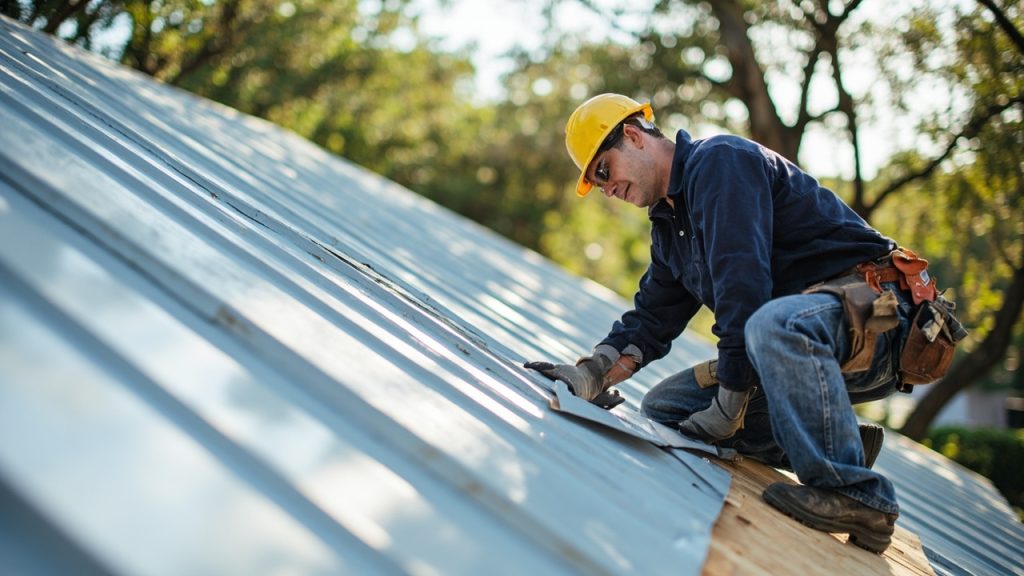
Debunking the Myth That Metal Roofs Are Louder During San Antonio Rainstorms
San Antonio homeowners considering metal roofing often hear the same concern. Will a metal roof sound like a drum during the next thunderstorm? The short answer is no. Modern residential metal roofing systems are engineered with multiple layers of sound-deadening materials that make them quieter than many people expect.. Read more about Does a metal roof actually make your house louder during a South Texas thunderstorm?.
The myth comes from memories of old barns or sheds with thin metal panels nailed directly to framing. Those structures had no insulation or solid sheathing. Today’s homes in neighborhoods like Stone Oak and Alamo Heights use solid decking, high-quality underlayment, and attic insulation that block most rain noise before it ever reaches your living space.
Understanding how sound travels through roofing materials helps explain why the “drum effect” doesn’t apply to modern installations. When rain hits a solid surface like asphalt shingles, the water spreads and flows off gradually. On metal, the same rain makes direct contact, but the solid wood decking underneath and the air gap in your attic absorb and dissipate the sound waves.
Let’s break down the science and local factors that make metal roofing a quiet, durable choice for San Antonio’s climate.
How Modern Metal Roofing Systems Control Noise
Three key components work together to minimize rain noise on metal roofs:
- Solid roof decking (OSB or plywood) that provides a dense barrier
- High-performance synthetic underlayment that adds another sound-dampening layer
- Attic insulation that absorbs remaining sound vibrations
Together, these elements reduce rain noise to levels comparable to or even quieter than traditional asphalt shingles.
Decibel Comparison: Metal vs. Asphalt Shingles in Rain
Sound intensity is measured in decibels (dB). Here’s how different roofing surfaces compare during moderate rain:
| Roofing Type | Average Rain Noise (dB) | Perceived Loudness |
|---|---|---|
| Metal with solid decking + underlayment | 45-50 dB | Light rainfall |
| Asphalt shingles | 40-45 dB | Light rainfall |
| Corrugated metal (barn style) | 70-80 dB | Heavy traffic noise |
The difference between modern metal roofing and asphalt shingles is only about 5-6 decibels. That’s roughly the difference between a quiet library and a soft conversation. Both are considered pleasant ambient sounds.
San Antonio’s Unique Weather Pattern and Metal Roof Performance
San Antonio experiences intense spring thunderstorms that can drop over 2 inches of rain per hour. These storms often include high winds and occasional hail. The city’s location in South Texas means roofs face extreme UV exposure, rapid temperature changes, and the occasional severe weather event.
Metal roofing handles these conditions exceptionally well. The same underlayment that reduces rain noise also provides impact resistance against hail. Class 4 impact-resistant metal panels can withstand hailstones up to 2 inches in diameter without damage.
During San Antonio’s hottest months, metal roofs reflect solar radiation rather than absorbing it like asphalt shingles. This can reduce cooling costs by 20-30% in homes across neighborhoods from Converse to Kirby.
Standing Seam vs. Corrugated Metal: The Acoustics Difference
Not all metal roofing is created equal. Standing seam systems use raised panels with hidden fasteners, creating a smooth surface that allows water to flow off quickly. This design actually reduces the duration of rain impact noise.
Corrugated metal, often used on agricultural buildings, has exposed fasteners and a more rigid structure that can transmit more vibration. However, when installed over solid decking with proper underlayment, even corrugated metal becomes acceptably quiet for residential use.
Most San Antonio homes use standing seam or architectural metal shingles because they offer better aesthetics and superior noise control.
Best Underlayment Options for Sound Dampening
The underlayment is your first line of defense against rain noise. Here are the top choices for San Antonio homes:
| Underlayment Type | Sound Reduction (dB) | Additional Benefits |
|---|---|---|
| Synthetic polymer (40 mil) | 15-20 dB | UV resistant, tear resistant |
| Peel-and-stick rubberized asphalt | 20-25 dB | Self-sealing around fasteners |
| Standard felt paper | 5-10 dB | Basic moisture barrier |
For maximum noise reduction in San Antonio’s climate, synthetic polymer or peel-and-stick underlayments are worth the investment. They also provide superior protection against the city’s occasional high-wind events.
Attic Insulation: The Hidden Noise Fighter
Your attic insulation plays a crucial role in sound control. The Texas Department of Insurance requires minimum R-38 insulation in San Antonio attics. This thickness provides excellent sound absorption.
Fiberglass batts offer good sound dampening at a reasonable cost. Spray foam insulation provides superior noise reduction and also creates an air seal that prevents drafts and improves energy efficiency.
During a typical San Antonio thunderstorm, most rain noise that penetrates the metal surface and underlayment gets absorbed by this attic insulation before it reaches your living space.
Thermal Expansion and Noise: What to Expect
Metal expands and contracts with temperature changes. San Antonio’s extreme temperature swings can cause metal panels to make minor popping sounds as they adjust.
This thermal movement is normal and not a sign of problems. Quality installations include floating clip systems that allow panels to move without creating noise or stress on the fasteners.
The clicking or popping sounds are usually less noticeable than the rain itself and often become background noise that homeowners stop noticing within a few weeks.
Cost-Benefit Analysis: Premium Underlayment vs. Standard Options
Premium sound-dampening underlayment costs $0.50 to $1.00 more per square foot than standard felt. For a typical 2,000-square-foot roof, that’s an additional $1,000 to $2,000 investment.
However, this premium underlayment provides multiple benefits beyond noise reduction:
- Extended roof life (10-15 years longer than standard systems)
- Better impact resistance during hail storms
- Improved energy efficiency through better insulation
- Reduced risk of leaks at fastener penetrations
In San Antonio’s hail-prone climate, the added durability often pays for itself through avoided repairs and insurance premium discounts for impact-resistant roofing.
Installation Factors That Affect Roof Noise
Proper installation is crucial for noise control. Here are key factors that affect how quiet your metal roof will be:
- Fastener tightness: Over-tightened fasteners can transmit vibration. Professional installers use calibrated tools to achieve the correct torque.
- Panel overlap: Proper overlap prevents water intrusion and reduces noise transmission at panel joints.
- Ventilation: Adequate attic ventilation prevents moisture buildup that can amplify sound.
- Decking quality: Solid, undamaged decking provides the best sound barrier.
Always verify your contractor’s experience with metal roofing installations. Poor installation can lead to loose panels that rattle in high winds, creating noise issues unrelated to rain.
Real-World Performance in San Antonio Neighborhoods
Homeowners in Stone Oak report that their metal roofs are quieter than their previous asphalt shingle roofs during rain. The solid decking and quality underlayment make a noticeable difference.
In areas like Alamo Heights with older homes, metal roofing retrofits often include upgraded insulation and underlayment, resulting in quieter performance than the original roofing materials.
Industrial buildings in the San Antonio area use similar noise-reduction techniques. Large warehouses with metal roofing systems employ the same principles of solid decking and sound-dampening underlayments to create comfortable work environments.
Maintenance Tips for Quiet, Long-Lasting Metal Roofs
Regular maintenance ensures your metal roof continues to perform quietly and efficiently:
- Inspect fasteners annually for tightness and corrosion
- Clean gutters and downspouts to prevent water backup
- Check underlayment seals around vents and chimneys
- Look for signs of oil canning (waviness) that might indicate installation issues
Most metal roofs in San Antonio need minimal maintenance beyond these basic checks. The material’s durability means you’ll likely replace your air conditioner before needing to replace your metal roof.
Energy Efficiency Benefits Beyond Noise Control
Metal roofing’s reflective properties provide year-round benefits for San Antonio homeowners. Light-colored metal panels can reflect up to 70% of solar radiation, compared to 10-15% for dark asphalt shingles.
This reflection reduces heat gain during summer months when San Antonio often sees temperatures above 95°F. Your air conditioning system works less, lowering energy bills and extending equipment life.
During winter, metal roofs shed snow and ice more effectively than other materials, preventing ice dams that can cause leaks and structural damage.
Insurance and Resale Value Considerations
Many San Antonio insurance companies offer premium discounts for impact-resistant metal roofing. Class 4 rated systems can qualify for 10-15% reductions in annual premiums.
Home buyers increasingly value energy-efficient, durable roofing. Homes with metal roofs often sell faster and at higher prices than comparable homes with aging asphalt shingles.
The combination of noise reduction, energy savings, and storm resistance makes metal roofing an attractive feature for the San Antonio real estate market.
Frequently Asked Questions
Will I hear rain louder with a metal roof than with shingles?
No. Modern metal roofs with proper underlayment and attic insulation are actually quieter than many people expect. The difference in rain noise between metal and asphalt shingles is only about 5-6 decibels, which is barely noticeable.
Does hail make metal roofs louder?
Hail creates more noise than rain on any roofing material. However, metal roofs with sound-dampening underlayment reduce hail noise significantly. The same underlayments that control rain noise also provide impact protection.
How long does a metal roof last in San Antonio’s climate?
Quality metal roofs typically last 40-70 years in South Texas. They resist UV damage, won’t crack from thermal expansion, and handle the region’s severe weather better than most alternatives.
Can I install a metal roof over my existing shingles?
Yes, in many cases. Installing over existing shingles can provide additional sound dampening. However, local building codes and the condition of your current roof determine if this is permitted.
What’s the best metal roof color for energy efficiency?
Light colors like white, light gray, or tan reflect the most solar radiation. In San Antonio’s hot climate, these colors can reduce cooling costs by 20-30% compared to dark colors.
Making the Right Choice for Your San Antonio Home
Metal roofing offers San Antonio homeowners a quiet, durable, and energy-efficient solution that performs exceptionally well in the region’s challenging climate. The noise concerns that keep many people from considering metal are largely unfounded when modern installation techniques are used.
Whether you live in Stone Oak, Alamo Heights, or any neighborhood in between, a properly installed metal roof provides decades of reliable protection while actually reducing the rain noise you experience compared to older roofing materials.
The combination of sound-dampening underlayments, solid decking, and quality attic insulation ensures that your metal roof will be a peaceful addition to your home rather than the noisy drum many people fear.
Ready to explore metal roofing options for your San Antonio home? Contact Summit Roofing San Antonio for a free consultation and learn how modern metal roofing can provide quiet, durable protection for your family.
Learn more about hail damage repair or get current pricing information to make an informed decision about your roofing investment.
{
“@context”: “https://schema.org”,
“@type”: “BlogPosting”,
“headline”: “Debunking the Myth That Metal Roofs Are Louder During San Antonio Rainstorms”,
“description”: “Worried metal roofs echo rain in San Antonio storms? Discover the science, local data, and soundproofing secrets that prove modern metal roofs are actually quieter than you think.”,
“wordCount”: 1757,
“datePublished”: “2026-04-27T07:39:00.000Z”,
“dateModified”: “2026-04-27T07:39:00.000Z”,
“inLanguage”: “en-US”,
“mainEntityOfPage”: {
“@type”: “WebPage”,
“@id”: “https://summitroofingsanantonio.com”
},
“publisher”: {
“@type”: “LocalBusiness”,
“name”: “Summit Roofing San Antonio”,
“url”: “https://summitroofingsanantonio.com”
},
“author”: {
“@type”: “Organization”,
“name”: “Summit Roofing San Antonio”,
“url”: “https://summitroofingsanantonio.com”
},
“image”: {
“@type”: “ImageObject”,
“url”: “https://summitroofingsanantonio.com/wp-content/uploads/2026/03/debunking-the-myth-that-metal-roofs-are-louder-dur-1.jpg”
}
}
{
“@context”: “https://schema.org”,
“@type”: “RoofingContractor”,
“name”: “Summit Roofing San Antonio”,
“url”: “https://summitroofingsanantonio.com”,
“address”: {
“@type”: “PostalAddress”,
“addressLocality”: “San Antonio”
},
“areaServed”: {
“@type”: “City”,
“name”: “San Antonio”
}
}
{
“@context”: “https://schema.org”,
“@type”: “FAQPage”,
“mainEntity”: [
{
“@type”: “Question”,
“name”: “Will I hear rain louder with a metal roof than with shingles?”,
“acceptedAnswer”: {
“@type”: “Answer”,
“text”: “No. Modern metal roofs with proper underlayment and attic insulation are actually quieter than many people expect. The difference in rain noise between metal and asphalt shingles is only about 5-6 decibels, which is barely noticeable.”
}
},
{
“@type”: “Question”,
“name”: “Does hail make metal roofs louder?”,
“acceptedAnswer”: {
“@type”: “Answer”,
“text”: “Hail creates more noise than rain on any roofing material. However, metal roofs with sound-dampening underlayment reduce hail noise significantly. The same underlayments that control rain noise also provide impact protection.”
}
},
{
“@type”: “Question”,
“name”: “Can I install a metal roof over my existing shingles?”,
“acceptedAnswer”: {
“@type”: “Answer”,
“text”: “Yes, in many cases. Installing over existing shingles can provide additional sound dampening. However, local building codes and the condition of your current roof determine if this is permitted.”
}
},
{
“@type”: “Question”,
“name”: “What’s the best metal roof color for energy efficiency?”,
“acceptedAnswer”: {
“@type”: “Answer”,
“text”: “Light colors like white, light gray, or tan reflect the most solar radiation. In San Antonio’s hot climate, these colors can reduce cooling costs by 20-30% compared to dark colors.”
}
}
]
}
{
“@context”: “https://schema.org”,
“@type”: “BreadcrumbList”,
“itemListElement”: [
{
“@type”: “ListItem”,
“position”: 1,
“name”: “Home”,
“item”: “https://summitroofingsanantonio.com”
},
{
“@type”: “ListItem”,
“position”: 2,
“name”: “Blog”,
“item”: “https://summitroofingsanantonio.com/blog”
},
{
“@type”: “ListItem”,
“position”: 3,
“name”: “Debunking the Myth That Metal Roofs Are Louder During San Antonio Rainstorms”
}
]
}
{
“@context”: “https://schema.org”,
“@type”: “Service”,
“serviceType”: “Roofing”,
“provider”: {
“@type”: “LocalBusiness”,
“name”: “Summit Roofing San Antonio”,
“url”: “https://summitroofingsanantonio.com”
},
“areaServed”: {
“@type”: “City”,
“name”: “San Antonio”
},
“description”: “Worried metal roofs echo rain in San Antonio storms? Discover the science, local data, and soundproofing secrets that prove modern metal roofs are actually quieter than you think.”
}