






Menu

Average Cost of Roof Replacement 2025 in San Antonio – Get Transparent Pricing for Your Specific Roof Type

Understanding the average cost of roof replacement 2025 means knowing how San Antonio's climate, your roof size, material selection, and structural challenges impact your final investment in a secure, energy-efficient home.

Slider Image 1
Slider Image 2
Slider Image 3
Slider Image 4
Slider Image 5
Slider Image 7
Slider Image 8
Slider Image 9
Slider Image 10
Slider Image 11

Why San Antonio Homeowners Need Accurate Roof Replacement Cost Data in 2025

San Antonio's brutal summer heat and sudden hailstorms put roofs through accelerated aging. When your shingles start curling or your underlayment fails, you need real numbers, not vague estimates.

The average cost of a new roof 2025 in San Antonio varies widely based on pitch, material, and existing damage. A basic 1,800 square foot ranch with composition shingles sits at the lower end of the spectrum. A two-story home with steep slopes, multiple valleys, and impact-resistant architectural shingles pushes costs higher. The price to replace a roof 2025 also accounts for San Antonio's caliche soil, which can shift foundations and stress roof structures over time.

Most homeowners search for new roof cost estimates 2025 after noticing granule loss, missing shingles, or interior water stains. By that point, the underlayment may already be compromised. Waiting amplifies damage. The 2025 reroofing costs include tear-off, disposal, decking repair, and installation. Decking rot from trapped moisture is common in older San Antonio homes where attic ventilation was poorly designed.

Roof replacement cost per square 2025 measures material and labor per 100 square feet. This metric helps you compare bids accurately. If one contractor quotes a dramatically lower price per square, they may be cutting corners on flashing details, edge metal, or ventilation components. San Antonio's intense UV exposure demands quality materials and proper installation. A rushed job fails within five years. You deserve to know what drives your specific project cost so you can budget confidently and avoid surprise expenses mid-project.

Why San Antonio Homeowners Need Accurate Roof Replacement Cost Data in 2025
How Material Selection and Roof Complexity Impact Your 2025 Replacement Cost

How Material Selection and Roof Complexity Impact Your 2025 Replacement Cost

The price to replace a roof 2025 depends on shingle type, warranty grade, and structural requirements. Composition shingles offer the most budget-friendly entry point. Architectural shingles add dimensional texture and enhanced wind resistance, which matters during San Antonio's severe thunderstorm season. Metal roofing costs more upfront but reflects heat and lasts decades longer in our climate.

Roof pitch directly affects labor time and safety equipment. A 4/12 pitch allows roofers to move quickly. An 8/12 or steeper pitch requires harness systems, roof jacks, and slower material handling. Steeper roofs also use more material due to the increased surface area per square foot of attic coverage. If your home has multiple hips, valleys, or dormers, expect higher 2025 reroofing costs. Each valley requires custom flashing and careful waterproofing. Each dormer adds cuts, transitions, and potential leak points.

Decking condition determines how much structural work precedes shingle installation. Homes built before 1990 often have spaced wood sheathing or thin plywood that fails under modern shingle weight. We replace compromised decking with 7/16-inch OSB or half-inch plywood rated for San Antonio wind loads. Soffit and fascia repair adds to the scope if moisture has rotted the wood behind your gutters.

Ventilation upgrades are non-negotiable. San Antonio attics reach 150 degrees in July. Without adequate ridge vents and soffit intake, your new shingles bake from below and fail prematurely. We calculate net free ventilation area based on attic square footage and install continuous ridge vents paired with baffled soffit vents to achieve proper airflow. This extends shingle life and reduces cooling costs.

What Happens During Your Roof Replacement Cost Consultation

Average Cost of Roof Replacement 2025 in San Antonio – Get Transparent Pricing for Your Specific Roof Type
01

Roof Inspection and Measurement

We measure your roof using aerial imaging software and ground-level inspection. This captures exact square footage, pitch, and complexity. We check decking from the attic, looking for soft spots, water stains, and ventilation deficiencies. We document shingle condition, flashing integrity, and any structural concerns. You receive a detailed report with photos showing current damage and our recommended scope of work before we discuss pricing.
02

Material Selection and Pricing

We present shingle options with manufacturer data sheets showing wind ratings, algae resistance, and warranty terms. You see samples of composition, architectural, and impact-resistant shingles. We explain how each material performs in San Antonio's climate and calculate roof replacement cost per square 2025 for your selected product. We include underlayment type, starter strip, ridge cap, and all flashing components in the line-item estimate so you know exactly what you are paying for.
03

Project Timeline and Contract

We provide a written proposal with material specifications, labor breakdown, disposal fees, and payment terms. You see projected start and completion dates based on our current schedule and material availability. We schedule around San Antonio weather windows to avoid monsoon delays. Once you approve, we order materials and coordinate permitting with the city. You receive a project timeline and direct contact for our site supervisor who manages your installation from tear-off through final cleanup.

Why Summit Roofing San Antonio Delivers Accurate Cost Estimates and Quality Installations

San Antonio roofing requires expertise in local building codes, material performance under extreme heat, and structural adaptation to foundation movement. Summit Roofing San Antonio specializes in accurate estimates that account for your home's specific challenges. We do not provide vague price ranges. We measure, inspect, and calculate based on your actual roof.

We understand San Antonio's soil conditions. Expansive clay causes foundation shifts that stress roof framing. We check for sagging ridge lines, racked walls, and truss movement before quoting your project. If structural repairs are needed, we identify them upfront so you can budget appropriately. Surprise costs mid-project erode trust. We build transparency into every estimate.

Our crews work year-round in San Antonio's climate. We know how afternoon heat affects shingle seal-down and when morning installation prevents thermal damage. We stage materials to avoid sun exposure that warps bundles. We use proper nail patterns and placement for South Texas wind uplift requirements, which exceed standard specs due to our severe weather exposure.

We source materials from local suppliers who stock inventory for San Antonio's high replacement volume. This means faster project starts and fewer delays waiting for special orders. We also maintain relationships with manufacturers, which gives you access to better warranty registration and support if issues arise years later.

Choosing a contractor who understands San Antonio's unique roofing environment protects your investment. We have completed thousands of replacements across Alamo Heights, Stone Oak, and the historic neighborhoods near downtown. We know which details matter and which shortcuts lead to callbacks. You get accurate pricing and professional installation backed by experience in your specific market.

What to Expect During Your San Antonio Roof Replacement Project

Project Duration and Scheduling

Most San Antonio roof replacements take two to four days depending on size and complexity. A standard single-story home with straightforward geometry finishes in two days. Two-story homes with multiple valleys, chimneys, or tile-to-shingle conversions require additional time. We schedule around weather forecasts to avoid afternoon thunderstorms common in spring and early summer. We provide a start date after materials arrive and permits clear. Our crews arrive early to maximize cooler morning hours and protect your landscaping with tarps and plywood walkways.

Inspection and Preparation Phase

Before tear-off begins, we inspect your attic one final time to confirm decking condition and ventilation layout. We mark any areas needing plywood replacement. We set up debris chutes and magnetized rollers to capture nails. San Antonio's hard caliche soil makes nail cleanup critical since standard magnets miss embedded fasteners. We also disconnect satellite dishes, cover HVAC units, and protect pool equipment. You receive daily updates on progress and any findings that require decision-making. We document everything with photos so you see exactly what happens under your old shingles.

Quality Control and Final Walkthrough

After installation, our site supervisor conducts a full quality check. We verify shingle alignment, flashing seal, ridge cap fastening, and drip edge installation. We check that ventilation components are properly seated and unobstructed. We perform a final nail sweep using rolling magnets and handheld detectors. You walk the property with us to inspect finished work and ask questions. We photograph completed sections for your records and warranty registration. San Antonio's monsoon season tests every roof, so we ensure every detail meets our installation standards before we consider the job complete.

Warranty Registration and Maintenance Guidance

We register your shingle warranty directly with the manufacturer using your project photos and material batch numbers. You receive documentation showing coverage terms and claim procedures. We also provide a maintenance guide specific to San Antonio conditions. This includes gutter cleaning frequency to prevent water backup, attic ventilation checks during summer, and post-storm inspection protocols. We recommend annual inspections to catch minor issues before they become expensive repairs. Proper maintenance extends shingle life and keeps your warranty valid. We remain available for questions and follow-up inspections as your roof ages.

Frequently Asked Questions

You Have Questions,
We Have Answers

What should a new roof cost in 2025? +

Roof replacement costs in 2025 vary widely based on materials, square footage, and roof complexity. In San Antonio, asphalt shingle roofs typically range from budget-friendly options to premium architectural grades. Metal roofing costs more upfront but handles San Antonio's intense summer heat and occasional hail better. Tile roofs are popular here due to Spanish Colonial architecture and perform well in our climate. Labor rates in the San Antonio metro differ from national averages. Factors include removal of old materials, decking repairs from storm damage or humidity rot, and permit fees. Always get multiple written estimates that itemize materials and labor separately.

How much does a roof cost for a 2000 ft house? +

A 2000 square foot house in San Antonio typically requires 2200-2400 square feet of roofing material once you account for pitch and waste. Asphalt shingle roofs fall in the lower cost range, while metal or tile systems cost significantly more. San Antonio's clay soil can cause foundation shifts that affect roof structure, potentially adding repair costs. Hail damage is common in Bexar County, so impact-resistant shingles may increase upfront costs but reduce insurance premiums. Ventilation upgrades are critical in our heat to prevent attic temperature extremes. Request itemized quotes that separate materials, tear-off, disposal, and labor.

What is the average cost of a new roof in Alabama? +

Alabama roof costs differ from San Antonio pricing due to regional labor markets and material availability. Alabama faces higher humidity year-round and different storm patterns compared to South Texas. Building codes vary between states, affecting underlayment and ventilation requirements. Alabama has more tornado risk while San Antonio deals with hail and extreme heat. Material costs shift based on regional supplier networks. For accurate San Antonio pricing, focus on local estimates that account for our specific climate challenges like UV degradation, thermal cycling, and summer temperatures exceeding 100 degrees. Regional comparisons provide limited value for local budgeting decisions.

How much to replace a 5000 sq ft roof? +

A 5000 square foot roof represents a large residential or small commercial project in San Antonio. Material choice dramatically impacts total cost. Asphalt shingles offer the lowest price point, metal roofing sits mid-range with superior heat reflection, and tile or specialty systems cost the most. San Antonio's building codes require specific wind ratings and proper flashing around roof penetrations. Large roofs may need additional structural support, especially after foundation settling common in our expansive clay soils. Tear-off and disposal fees increase proportionally. Complex roof designs with multiple valleys, dormers, or skylights add labor hours and material waste.

Is a new roof tax deductible in 2025? +

Roof replacements on primary residences are generally not tax deductible in 2025. The IRS classifies new roofs as home improvements that increase property value rather than deductible repairs. However, you can add the replacement cost to your home's cost basis, reducing capital gains tax when you sell. For San Antonio rental properties or commercial buildings, roof replacements may qualify as deductible business expenses or depreciable improvements. Energy-efficient roofing materials like cool-roof coatings or solar integration might qualify for federal tax credits. Consult a local tax professional familiar with Texas property regulations for guidance specific to your situation.

What is the best time of year for roof replacement? +

Fall and spring offer ideal conditions for roof replacement in San Antonio. October through December provides cooler temperatures that make labor safer and allow proper shingle sealing. Spring months before severe heat work well too. Avoid June through September when roof surface temperatures exceed 150 degrees, making material handling dangerous and affecting installation quality. San Antonio's mild winters rarely prevent work, unlike northern climates. Hurricane season runs June through November, but our inland location sees less impact. Schedule around major holidays when contractors book up. Off-peak timing may offer better rates and faster scheduling in the greater San Antonio metro.

What is the most expensive part of replacing a roof? +

Labor typically represents the largest cost component in San Antonio roof replacements, especially for complex designs or steep pitches. Tear-off and disposal of existing materials add substantial expense, particularly for multiple layer removals or heavy tile. Decking repairs are common here due to humidity damage or foundation movement from our clay soils. Premium materials like architectural shingles, metal panels, or clay tiles cost significantly more than basic three-tab shingles. Proper underlayment and ice-and-water shield protect against San Antonio's occasional severe weather. Code-compliant ventilation systems prevent attic heat buildup. Flashing around chimneys, skylights, and valleys requires skilled installation to prevent leaks.

How to calculate roof replacement cost? +

Calculate roof area by measuring length and width of each roof plane, then multiply by pitch factor. A 6:12 pitch adds roughly 12 percent to flat measurements. Add 10-15 percent for waste and cuts. Get material costs per square (100 square feet) for your chosen roofing type. In San Antonio, factor in removal costs for existing materials, disposal fees, and potential decking repairs from storm damage or rot. Add costs for underlayment, drip edge, ventilation, and flashing. Labor runs per square or as a project rate. Include permit fees required by San Antonio building codes. Request detailed written estimates from licensed local contractors.

What is the cost to tear off an existing roof? +

Tear-off costs in San Antonio depend on existing roof layers, material type, and roof accessibility. Single-layer asphalt shingle removal costs less than multiple layers or heavy tile removal. Steep pitches increase labor difficulty and time. Disposal fees at Bexar County facilities add to total costs. Properties in Historic Districts like King William may face additional requirements. Some contractors include tear-off in total project pricing while others itemize it separately. Leaving existing shingles and installing over them saves money but adds weight, traps moisture, and violates many building codes. Most San Antonio roofers recommend complete removal for proper inspection of decking.

Should a 20 year old roof replace? +

A 20-year-old roof in San Antonio likely needs replacement soon, even if it appears functional. Our intense UV exposure, thermal cycling between hot days and cool nights, and occasional hail accelerate shingle deterioration. Check for curling, missing granules, cracked shingles, or visible decking from below. Asphalt shingles typically last 20-25 years in South Texas, less than manufacturer ratings based on moderate climates. Leaks often start before visible exterior damage appears. Foundation shifts from our clay soil can stress roof structure. Insurance companies may limit coverage on roofs over 15-20 years old. Schedule a professional inspection to assess remaining lifespan before emergency repairs become necessary.

How San Antonio's Hail Storms and Summer Heat Affect Roof Replacement Timing and Cost

San Antonio sits in a high-frequency hail corridor where spring storms drop golf ball-sized ice that fractures shingles and dents flashing. After severe weather events, demand for roof replacement spikes, which can extend lead times and affect material availability. The average cost of roof replacement 2025 includes impact-resistant shingles rated for Class 4 hail resistance, which many insurance companies now require for coverage in our area. Delaying replacement after hail damage allows moisture infiltration that rots decking and compromises structural integrity. Summer heat accelerates this deterioration as trapped moisture creates steam cycles that delaminate plywood. Timing your replacement before monsoon season protects your home and avoids the rush when every contractor is booked solid.

Summit Roofing San Antonio maintains strong relationships with local building inspectors and understands city permit requirements for roof replacements in historic districts and HOA-governed neighborhoods. We navigate San Antonio's specific code amendments for wind uplift and fire ratings without delays. Our familiarity with local material suppliers means we secure inventory during high-demand periods when national chains run short. We also understand how San Antonio's foundation movement patterns affect roof performance, which lets us recommend structural reinforcements that prevent future problems. Choosing a contractor with deep local knowledge ensures your project meets city standards, performs well in our climate, and maintains your home's resale value in the competitive San Antonio real estate market.
Roofing Services in The San Antonio Area

Explore our service coverage in and around San Antonio using the map below. Summit proudly serves residential and commercial clients throughout the region. Whether you're in the heart of the city or in the nearby suburbs, we’re just a call away. We make it easy to reach us for inspections, quotes, or emergency assistance. Your trusted roofing team is always nearby.

Address:
Summit Roofing San Antonio, 1100 NW Loop 410, Suite 700, San Antonio, TX, 78213

Additional Services We Offer

Our news updates

Latest Articles & News from The Blogs

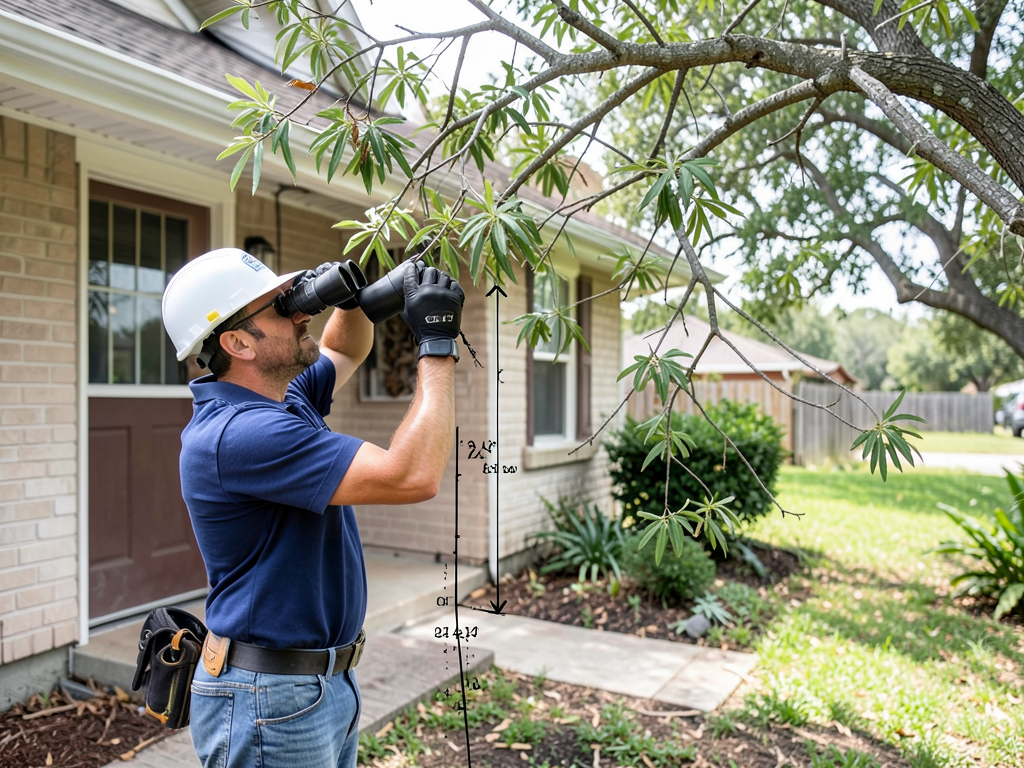
What to do when a neighbor's tree limbs are hanging over your roof in the Great Northwest Living in the…

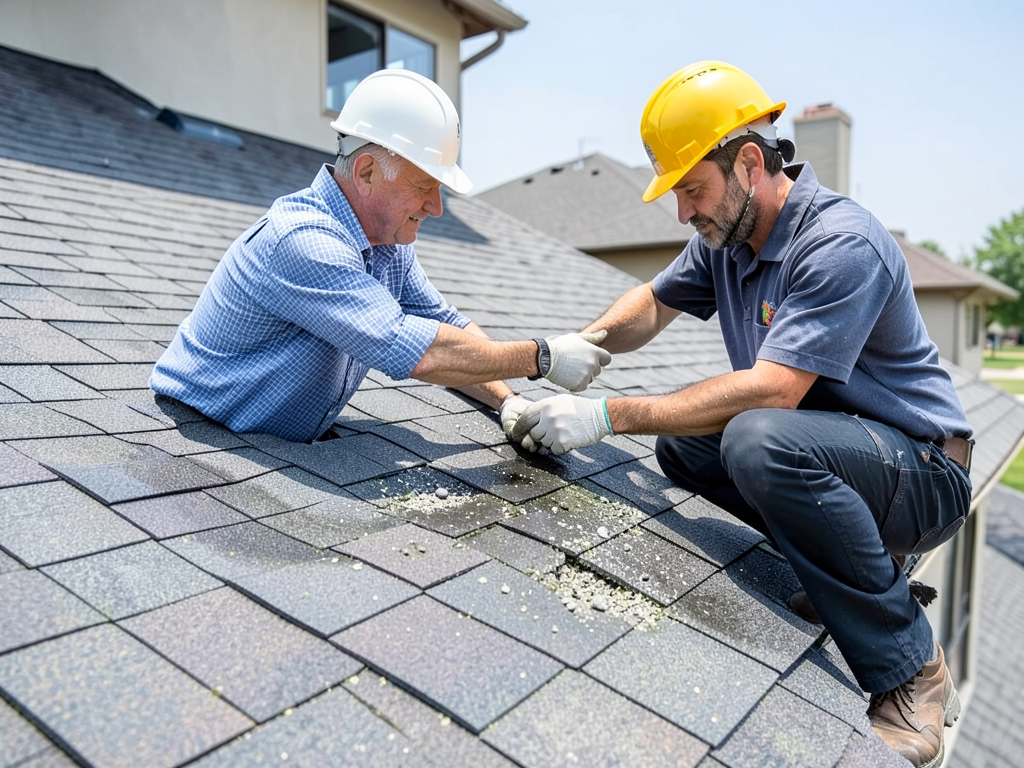
What to do when a neighbor's tree limbs are hanging over your roof in the Great Northwest

What to do when a neighbor's tree limbs are hanging over your roof in the Great Northwest Living in the…

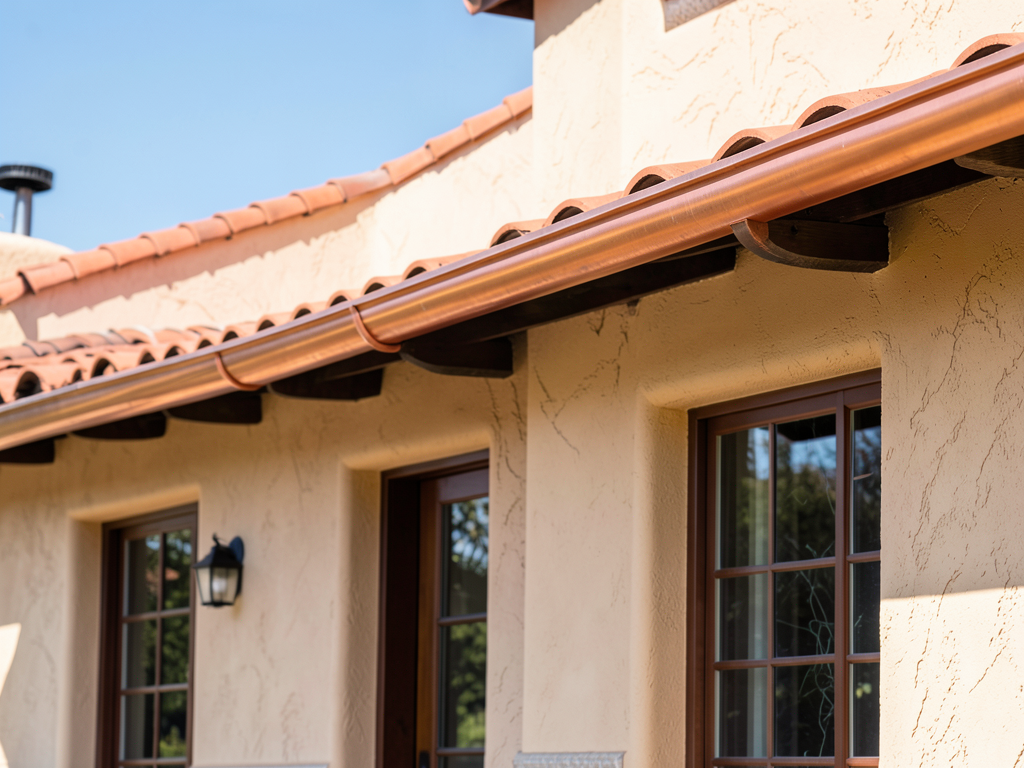
Adding instant curb appeal to your Terrell Hills home with copper gutters

Adding instant curb appeal to your Terrell Hills home with copper gutters Your Terrell Hills home deserves more than ordinary…

Why brand new homes in Redbird Ranch still need a yearly roof check

Why brand new homes in Redbird Ranch still need a yearly roof check Your brand new roof in Redbird Ranch…

Contact Us

Stop guessing about roof replacement costs. Call Summit Roofing San Antonio at (726) 256-6199 for a detailed inspection and transparent estimate. We measure accurately, explain your options, and deliver quality installations that protect your home through every San Antonio storm season.

;