




Menu

Roof Installation in San Antonio – Expert Reroofing for Every Building Type

Summit Roofing San Antonio handles every aspect of roof replacement from permit-ready structural assessments to final flashing installation, serving residential and commercial properties across the Alamo City metro area with complete new roof installation services.

Slider Image 1
Slider Image 2
Slider Image 3
Slider Image 4
Slider Image 5
Slider Image 7
Slider Image 8
Slider Image 9
Slider Image 10
Slider Image 11

Why San Antonio Properties Need Strategic Roof Replacement

San Antonio's unique climate creates a perfect storm for roof failure. Summer temperatures regularly exceed 100 degrees, causing thermal expansion that stresses roofing materials. The intense UV exposure degrades shingles faster than in northern cities. Then come the flash floods. When heavy rains hit our region, water accumulates quickly on flat or low-slope sections, testing every penetration point and seal.

The clay-rich soil throughout Bexar County shifts with moisture changes. This movement transfers stress to your structure, particularly at load-bearing walls and roof connections. You see it in the form of cracked flashing, separated valleys, and fasteners that gradually work loose. These aren't minor cosmetic problems. They're entry points for water that leads to rotted decking, compromised insulation, and mold growth inside wall cavities.

Most San Antonio homeowners wait too long. They patch a missing shingle here, seal a crack there, not realizing the entire system has reached its functional limit. A roof replacement becomes necessary when repairs cost more than they prevent. Storm damage accelerates this timeline. After the 2021 winter freeze, we saw roofs that looked fine from the ground but had suffered membrane tears and fastener pullout from ice loading.

The architectural diversity here adds complexity. Historic neighborhoods near downtown feature standing seam metal and clay tile that require specialized installation knowledge. Modern subdivisions in Stone Oak and Alamo Ranch use composite shingles with specific ventilation requirements. Commercial properties along I-10 need TPO or modified bitumen systems rated for our wind loads. Each project demands different materials, techniques, and code compliance measures.

Why San Antonio Properties Need Strategic Roof Replacement
How We Execute Complete Roofing Installation Projects

How We Execute Complete Roofing Installation Projects

Every new roof installation starts with structural assessment. We inspect the decking for rot, sag, or inadequate fastening. The existing deck must meet current load requirements before we install anything. If we find compromised OSB or plywood, we replace those sections and document the work for building inspectors. This step prevents callbacks and ensures your investment sits on a solid foundation.

Material selection depends on building type, budget, and performance requirements. For residential work, we specify architectural shingles rated for 130 mph wind speeds, which exceeds San Antonio's code minimum but provides real protection during severe weather. TPO membranes work well for commercial flat roofs because they resist UV degradation and maintain flexibility through temperature swings. Metal roofing makes sense for specific applications where longevity justifies the higher initial expense.

The underlayment layer matters more than most property owners realize. We use synthetic underlayment rather than felt paper because it won't tear during installation and provides superior water resistance. Ice and water shield goes around every penetration, along all valleys, and across the lower three feet of eaves. This creates a waterproof barrier at the most vulnerable points.

Ventilation design affects roof lifespan. We calculate the required net free area based on your attic square footage, then install the proper combination of ridge vents, soffit vents, or turbine ventilators. Inadequate ventilation traps heat and moisture, which cooks shingles from below and creates conditions for mold growth. Proper airflow keeps your attic within 10 degrees of outside temperature and extends material life by years.

Flashing installation requires precision. We fabricate custom pieces for chimneys, skylights, and wall intersections rather than relying on generic fit. Each piece overlaps correctly and gets sealed with polyurethane or butyl compounds rated for our climate. This attention to detail prevents the leaks that typically appear two or three years after poor installation work.

Your Roof Replacement Timeline From Start to Finish

Roof Installation in San Antonio – Expert Reroofing for Every Building Type
01

Site Evaluation and Planning

We measure your roof using satellite imagery and ground verification, then inspect attic spaces to assess ventilation, insulation, and decking condition. You receive a detailed scope that specifies materials, identifies structural concerns, and outlines the installation sequence. We pull permits and schedule inspections before any demolition begins. This front-end work prevents surprises and keeps the project moving once we start tearing off old materials.
02

Tearoff and Installation

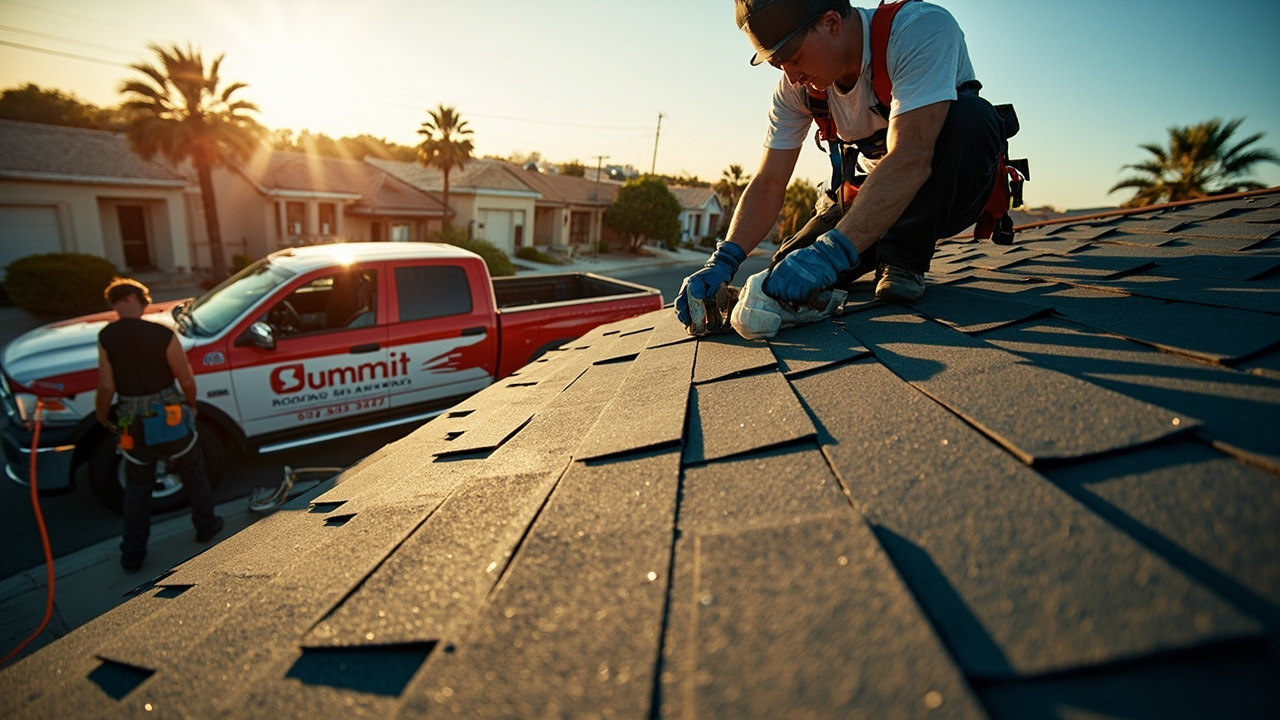
Our crews strip the existing roof down to bare decking, working in sections to maintain weather protection. We replace damaged deck boards, install underlayment and ice barrier, then begin laying your new roofing system from eaves to ridge. Each course gets fastened according to manufacturer specifications for wind rating. Flashing goes in as we reach each penetration or transition. We coordinate inspections at required intervals so you pass on the first visit.
03

Final Details and Cleanup

After the roofing installation completes, we inspect every valley, hip, and ridge for proper fastening and sealant coverage. Magnetic sweeps remove nails from your property. We haul away all tear-off debris the same day. You get documentation that includes material certifications, installation photos, permit closure, and warranty registration. This package provides the proof you need for insurance records and future property transactions.

Why San Antonio Property Owners Choose Summit Roofing

Summit Roofing San Antonio understands the building code nuances that catch out-of-town contractors off guard. San Antonio requires specific wind uplift ratings and fastening patterns that differ from surrounding counties. We know which inspectors work which districts and what documentation they expect at rough and final inspections. This familiarity keeps your project on schedule and prevents the delays that happen when someone has to redo work to pass inspection.

Our material suppliers stock products rated for South Texas conditions. The shingles available at big box stores often carry warranties that void in our climate zone. We source materials with proper algae resistance, UV stability, and thermal cycling ratings. When we install metal roofing, we use Galvalume or aluminum that resists the corrosion that affects standard steel in our humidity levels.

We handle both residential and commercial work, which gives us perspective most roofing companies lack. The engineering rigor required for commercial projects makes us better at residential installations. We apply the same attention to flashing details and waterproofing on a ranch home in Helotes that we use on a 50,000 square foot warehouse in the industrial corridor. You get commercial-grade execution at residential scale.

The local presence matters when problems develop years later. We're not a franchise that might close next year or a storm chaser who moves to the next disaster zone. Our service area covers Bexar County and the surrounding region. If you need warranty work or have questions about maintenance, you reach someone who knows your project history and can dispatch help quickly.

We've worked on historic properties that require matching original materials and modern builds that use the latest synthetic systems. This range of experience means we understand how different roof types perform in San Antonio conditions and can guide you toward solutions that match your building and budget.

What Happens During Your Roof Replacement

Project Duration and Scheduling

Most residential reroofing projects take two to four days depending on size, complexity, and weather. We schedule work to avoid rain in the forecast and adjust if conditions change. Commercial installations take longer due to size and often happen in phases to keep businesses operational. You get a start date once permits clear, typically within one to two weeks of contract signing. We coordinate material delivery to arrive the day before work begins so products don't sit exposed to weather. Our crews arrive early and work full days to minimize disruption. Noise and activity happen during roofing installation, but we communicate each phase so you know what to expect.

The Initial Inspection Process

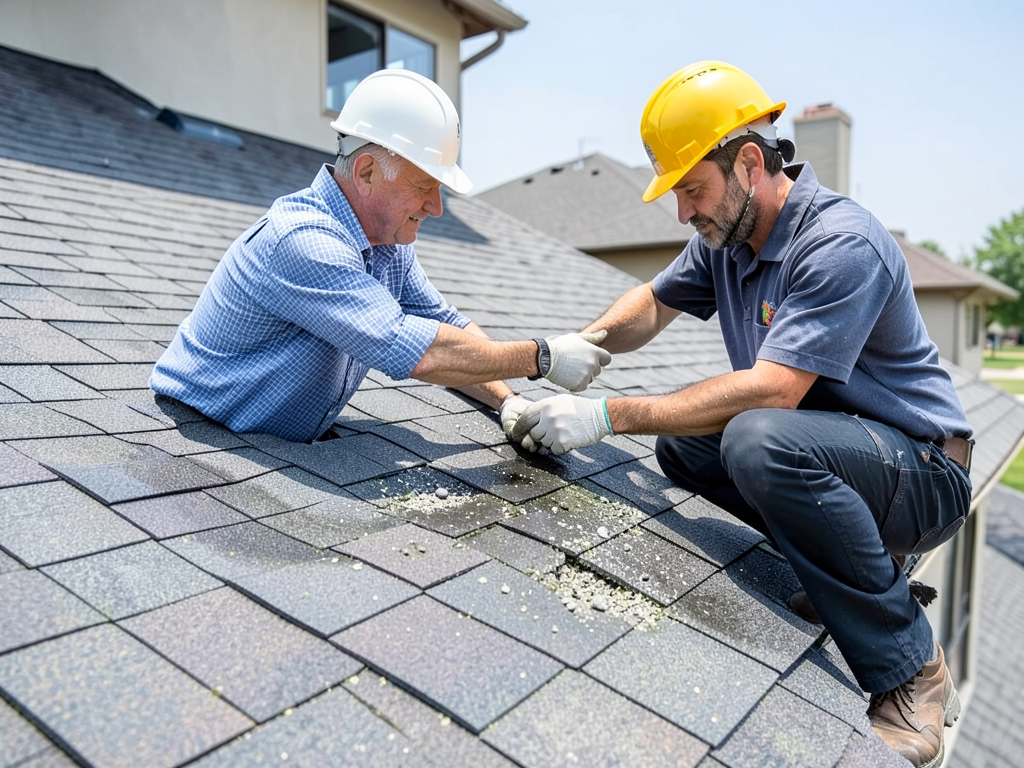
We start with a visual inspection from ground level and drone imagery for steep or complex roofs. Then we access the roof surface to check fastener condition, look for soft spots indicating deck damage, and examine flashing and penetrations. Inside your attic, we evaluate ventilation adequacy, insulation condition, and look for water stains or active leaks. This assessment identifies structural issues that need resolution before new materials go down. You receive a written report with photos that explains current condition and recommends necessary repairs. For insurance claims, we document storm damage and provide the evidence adjusters need to approve your roof replacement claim.

The Completed Installation Standard

Your finished roof meets or exceeds local building code and manufacturer installation requirements. Every shingle, tile, or membrane section gets fastened with the correct number and placement of fasteners. Flashing at all penetrations provides overlapping protection against water intrusion. Ridge ventilation balances with soffit intake to create proper attic airflow. The work passes city inspection on the first attempt because we follow code from the start. You receive documentation that includes permit closure, material warranty registration, and installation photos. The roof should look clean and uniform with straight lines and consistent exposure. Any damaged landscaping or property gets restored to original condition.

Ongoing Support and Coverage

Material manufacturers provide product warranties ranging from 25 years to lifetime depending on the system you choose. These warranties cover defects in the shingles, tiles, or membrane itself. Our workmanship warranty covers installation quality for a defined period and ensures we return to address any issues that result from installation errors. We recommend annual inspections to catch minor problems before they become major leaks. These checkups involve visual examination of flashings, sealants, and fasteners, with repairs completed as needed. Regular maintenance extends roof life and preserves warranty coverage, which often requires professional inspection records.

Frequently Asked Questions

You Have Questions,
We Have Answers

What is the average cost to put on a roof? +

Roof installation costs vary widely based on material type, roof size, pitch, and complexity. In San Antonio, you can expect a full asphalt shingle installation to range from budget-friendly to premium pricing, while metal or tile systems cost more. San Antonio's intense sun exposure and occasional hail storms often push homeowners toward impact-resistant shingles, which affect the total. Factors like multiple valleys, chimneys, skylights, and the number of layers being removed also influence pricing. Get multiple quotes from licensed contractors who account for local building codes and weather conditions specific to Bexar County.

How much does it cost to put a new roof on a 2000 square foot home? +

For a 2000 square foot home in San Antonio, roof installation typically depends on material choice and roof complexity. Asphalt shingles are the most common and affordable option. Metal roofing costs more upfront but handles San Antonio's heat and hail better over time. Clay or concrete tile is popular in historic neighborhoods but adds weight and expense. The pitch of your roof, number of penetrations, and accessibility also affect labor costs. Always verify your contractor pulls proper permits and uses materials rated for high wind zones common in South Texas.

How much does it cost to have a roof replacement? +

Roof replacement cost hinges on square footage, material selection, labor rates, and disposal fees. In San Antonio, you must also consider underlayment upgrades for heat resistance and proper ventilation to combat attic temperatures that routinely exceed 150 degrees in summer. If your decking shows rot or water damage, expect additional costs for plywood replacement. Removal of multiple old layers increases labor and dump fees. Get a detailed written estimate that includes flashing replacement, drip edge, and ridge vents. Cheaper bids often skip critical components that lead to callbacks and leaks.

What is the process of installing a roof? +

Roof installation begins with a thorough inspection and measurements. The crew removes old shingles down to the decking, inspects for rot or damage, and replaces bad sections. Next, they install underlayment and ice-and-water shield in vulnerable areas like valleys and eaves. Drip edge goes on, followed by starter strips. Shingles are nailed in overlapping rows from bottom to top. Flashing is installed around chimneys, vents, and skylights. Ridge cap shingles finish the peak. Final steps include cleanup, magnet sweep for stray nails, and a walkthrough. Most residential roofs in San Antonio finish in one to three days.

How much do shingles cost for a 2000 sq ft house? +

Shingles for a 2000 square foot home typically require 20 to 22 squares of material, depending on roof pitch and waste factor. In San Antonio, basic three-tab shingles are the cheapest but offer minimal hail protection. Architectural or dimensional shingles cost more but provide better wind resistance and curb appeal. Impact-resistant shingles, which many San Antonio insurers favor, add to the price but can lower your premium. Prices fluctuate based on manufacturer, color availability, and whether you choose algae-resistant or cool-roof rated products to combat heat absorption in South Texas sun.

Is roof replacement tax deductible? +

Roof replacement is generally not tax deductible for primary residences. The IRS considers it a capital improvement that adds to your home's cost basis, which matters only when you sell. If you use part of your home for business, you may deduct a proportional amount. For rental properties, roof replacement is deductible as a repair or depreciated over time. If the roof replacement qualifies as a medical necessity, such as for mold remediation prescribed by a doctor, limited deductions may apply. Consult a tax professional familiar with Texas property rules for your specific situation.

How much should a new roof cost in 2025? +

In 2025, roof costs continue to reflect material price volatility, labor shortages, and supply chain factors. San Antonio homeowners should expect moderate increases compared to prior years, especially for premium materials like metal and tile. Asphalt shingle prices stabilize but remain higher than pre-pandemic levels. Impact-resistant options add a premium but are increasingly standard in hail-prone areas like Bexar County. Labor costs rise as demand stays strong in new construction and storm restoration markets. Financing options and insurance settlements can offset sticker shock. Always get multiple bids and verify contractor credentials before committing.

What is the most expensive part of replacing a roof? +

Labor is often the most expensive component of roof replacement, especially for complex roof designs with multiple valleys, dormers, or steep pitches common in older San Antonio neighborhoods. Material costs for premium shingles, metal panels, or tile also add up quickly. Structural repairs to decking or trusses damaged by water intrusion or termites can spike the budget unexpectedly. In South Texas, proper ventilation and underlayment upgrades to handle extreme heat are non-negotiable and add cost. Disposal fees for multiple old layers and permit costs in San Antonio also contribute to the total expense.

How to estimate roofing cost? +

Start by measuring your roof's square footage. Count the number of squares, which equals 100 square feet each. Factor in roof pitch because steep roofs require more material and labor. Add costs for underlayment, flashing, drip edge, ridge vents, and starter strips. In San Antonio, include impact-resistant shingles if you want insurance discounts. Account for removal and disposal of old materials, especially if multiple layers exist. Get quotes from three licensed contractors who itemize materials, labor, permits, and warranty coverage. Compare line by line, not just the bottom number, to avoid lowball bids that skip critical components.

Does replacing your roof lower your insurance? +

Replacing your roof with impact-resistant shingles can lower your homeowners insurance premium in San Antonio. Many Texas insurers offer discounts for Class 4 rated shingles that resist hail damage, a common claim trigger in Bexar County. You must provide proof of installation and material certification to your insurer. Discounts vary by carrier but can reach 20 percent or more. Upgrading wind-rated shingles in high-wind zones also qualifies for reductions. A new roof signals lower risk to insurers, which may improve your overall policy terms. Contact your agent before installation to confirm eligibility and required documentation.

How San Antonio's Weather Patterns Drive Roof Installation Decisions

San Antonio sits at the intersection of humid subtropical and semi-arid climate zones, creating weather extremes that punish roofing systems. Summer heat regularly exceeds 100 degrees, causing thermal expansion and UV degradation. Then flash floods dump inches of rain in hours, overwhelming drainage systems and testing every seal. The 2021 winter storm proved our region experiences freezing temperatures that cause ice damming and material brittleness. These swings mean roof replacement projects need materials rated for thermal cycling and fastening systems designed for wind uplift. Choosing products designed for milder climates leads to premature failure in our conditions.

Summit Roofing San Antonio maintains relationships with local building inspectors and stays current on code changes that affect new roof installation projects. We know the permit requirements for different property types and which jurisdictions require engineered drawings for commercial work. Our material suppliers stock products specifically rated for South Texas rather than generic inventory that might not meet wind or impact resistance requirements. This local knowledge prevents the costly mistakes that happen when contractors unfamiliar with San Antonio try to apply installation methods that work elsewhere but fail here.
Roofing Services in The San Antonio Area

Explore our service coverage in and around San Antonio using the map below. Summit proudly serves residential and commercial clients throughout the region. Whether you're in the heart of the city or in the nearby suburbs, we’re just a call away. We make it easy to reach us for inspections, quotes, or emergency assistance. Your trusted roofing team is always nearby.

Address:
Summit Roofing San Antonio, 1100 NW Loop 410, Suite 700, San Antonio, TX, 78213

Additional Services We Offer

Our news updates

Latest Articles & News from The Blogs

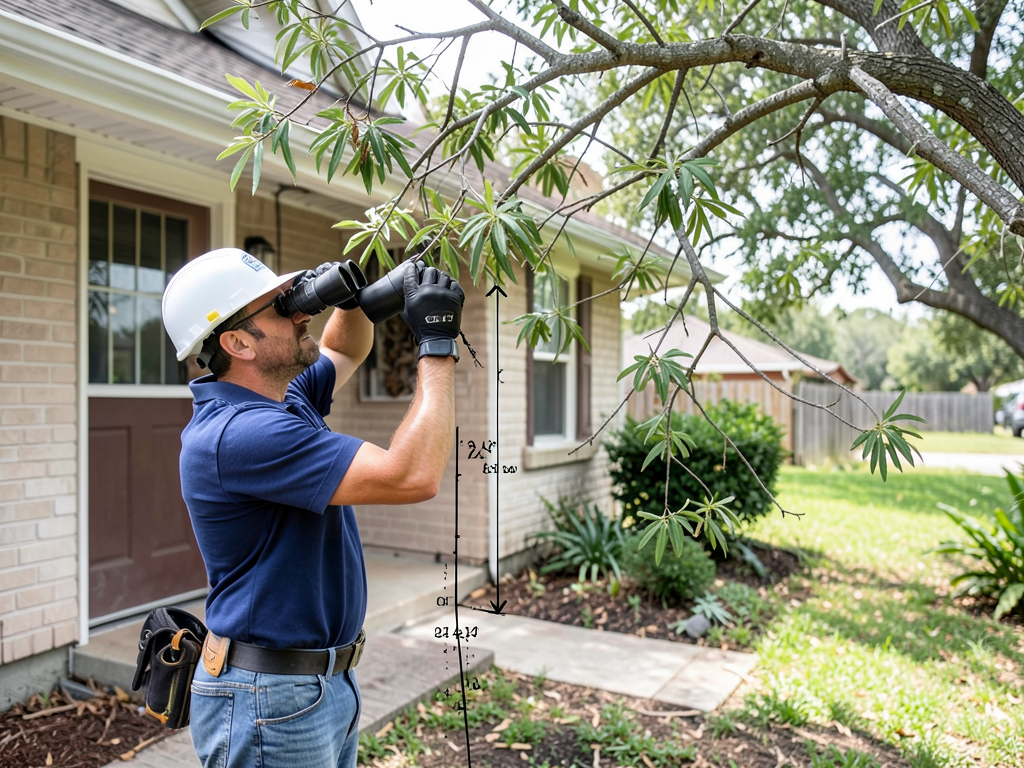
What to do when a neighbor's tree limbs are hanging over your roof in the Great Northwest Living in the…

What to do when a neighbor's tree limbs are hanging over your roof in the Great Northwest

What to do when a neighbor's tree limbs are hanging over your roof in the Great Northwest Living in the…

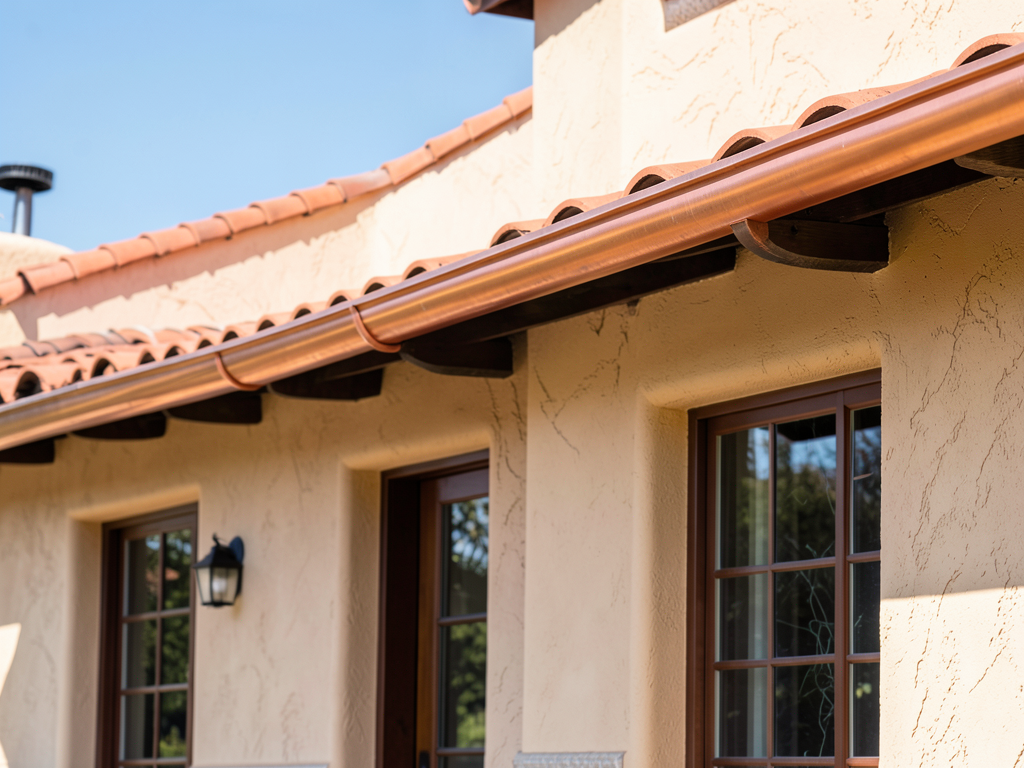
Adding instant curb appeal to your Terrell Hills home with copper gutters

Adding instant curb appeal to your Terrell Hills home with copper gutters Your Terrell Hills home deserves more than ordinary…

Why brand new homes in Redbird Ranch still need a yearly roof check

Why brand new homes in Redbird Ranch still need a yearly roof check Your brand new roof in Redbird Ranch…

Contact Us

Get a detailed assessment of your property and a clear scope for your roofing installation project. Call Summit Roofing San Antonio at (726) 256-6199 for an inspection that identifies exactly what your building needs and provides accurate project timelines and material options.