




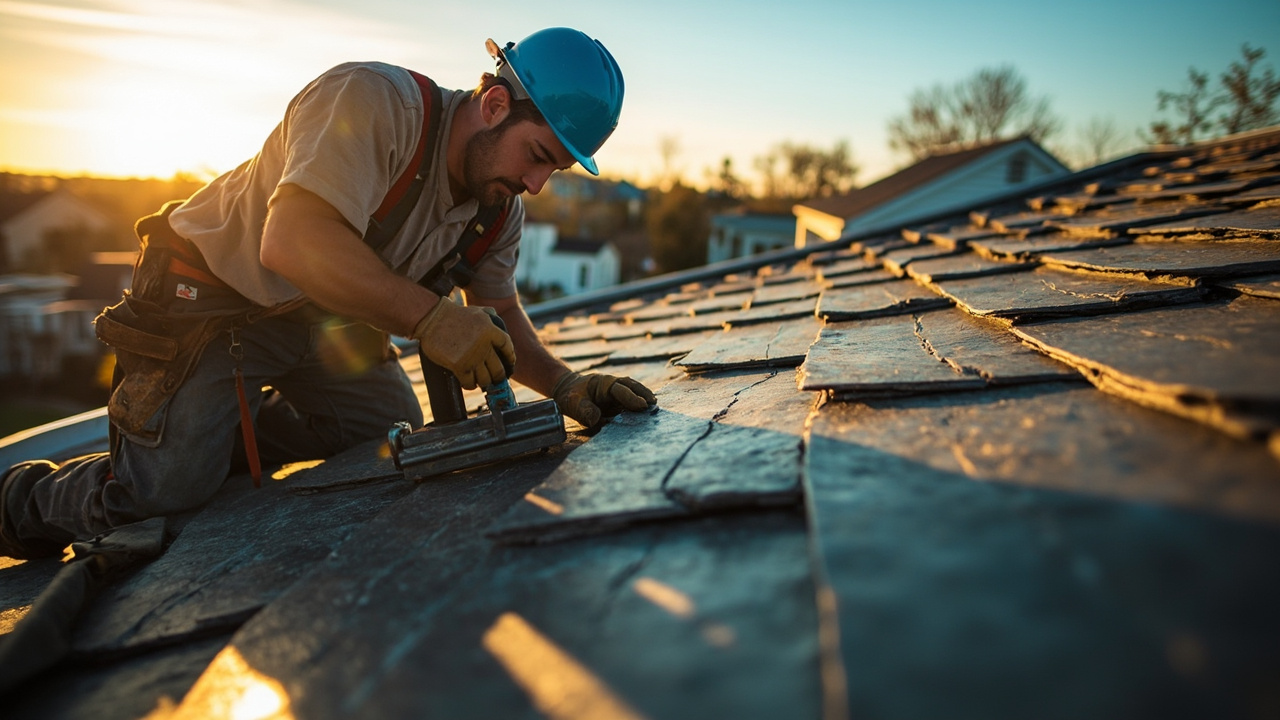
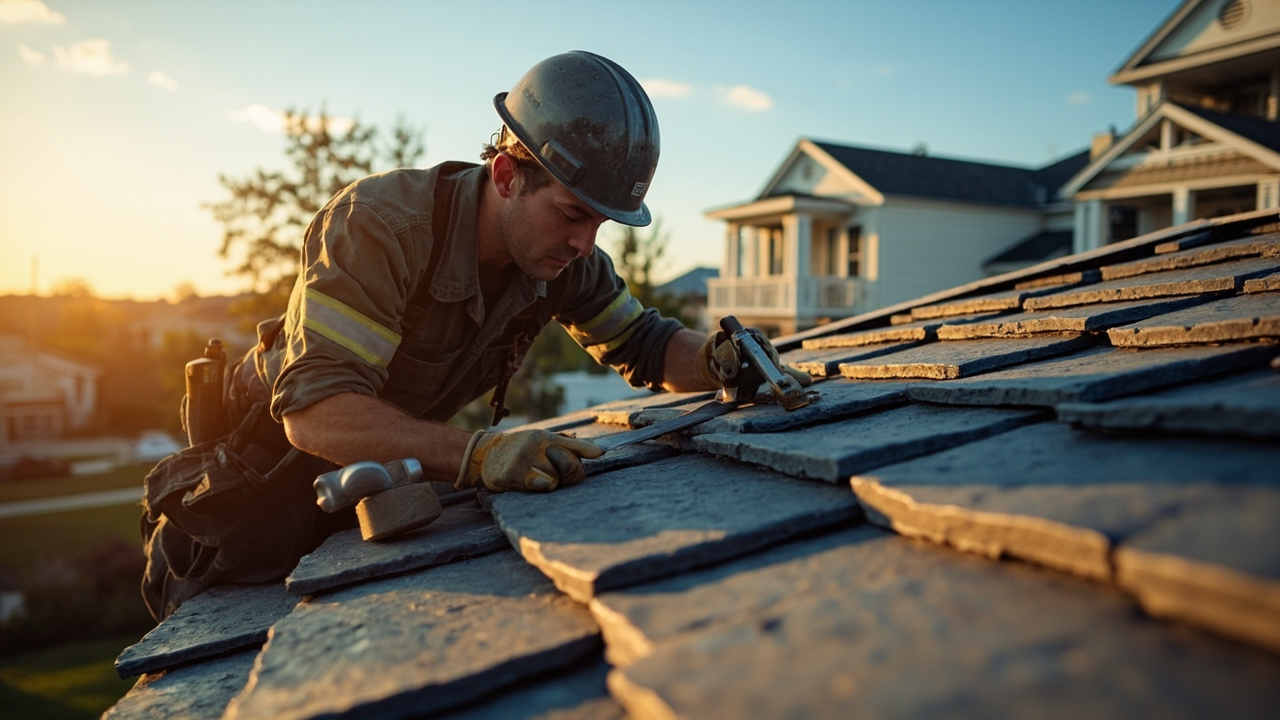
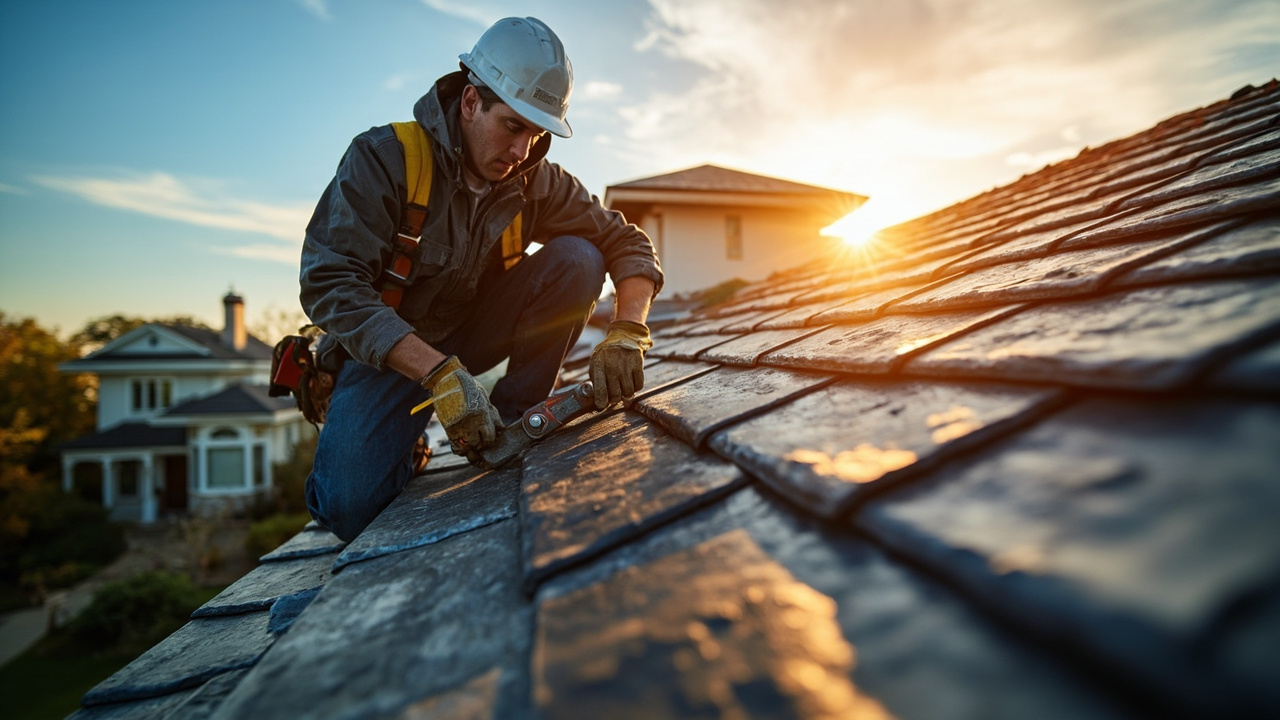
San Antonio experiences extreme daily temperature swings, particularly in spring and fall. A roof surface can reach 160 degrees in afternoon sun, then drop to 50 degrees overnight. This thermal cycling causes expansion and contraction in roofing materials. Natural slate handles this stress better than any alternative, but only when installed with proper headlap and flexible fastening. Rigid installations crack under movement. We account for San Antonio's thermal environment by using copper nails driven to precise tension, allowing slate tiles to shift fractionally without breaking. This technique, combined with high-temperature underlayment, ensures your slate roof survives decades of South Texas heat without delamination or fastener failure.
San Antonio's building codes require specific wind uplift ratings for roofing systems, particularly in areas near the Balcones Escarpment where wind speeds increase. Slate roofing installations must meet these standards, which dictate fastener type, spacing, and underlayment attachment. Summit Roofing San Antonio maintains up-to-date certifications and works directly with Bexar County building inspectors to ensure every installation passes code review. We also understand the permitting process for historic homes in protected districts like Monte Vista, where architectural review boards require documentation of materials and techniques. Choosing a contractor familiar with local regulations prevents project delays and ensures your roof meets both safety standards and preservation guidelines.