




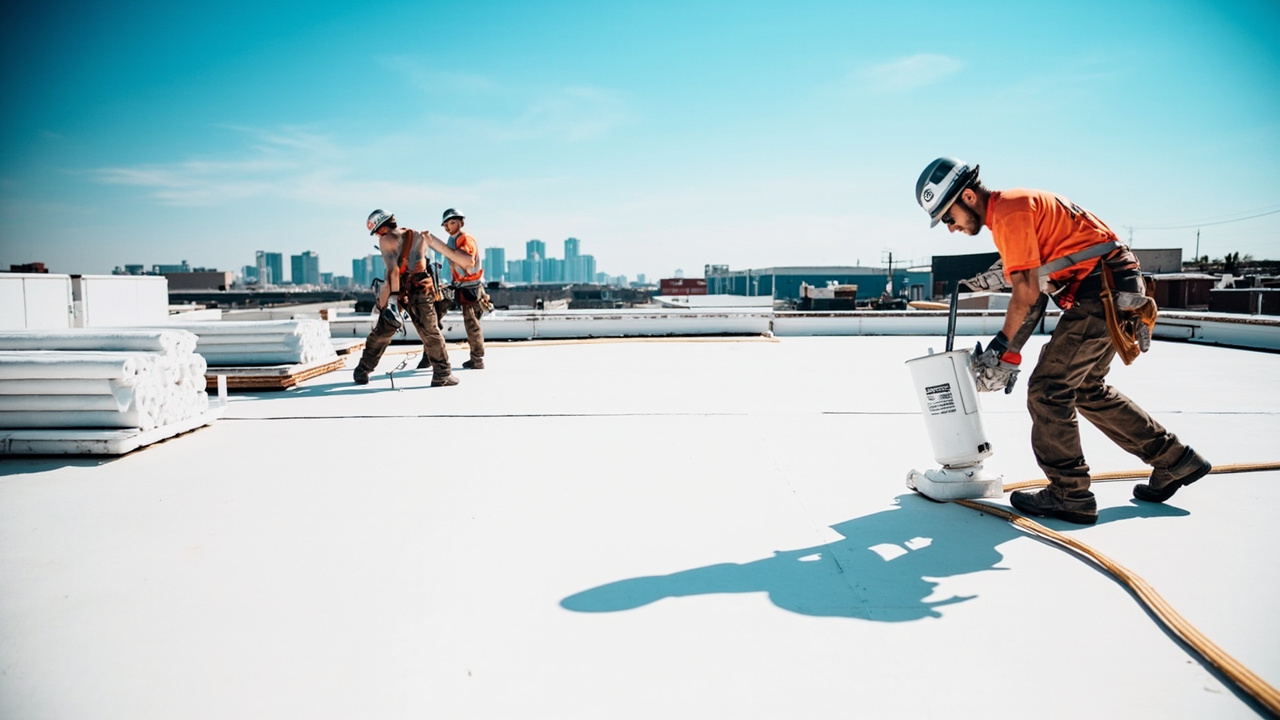

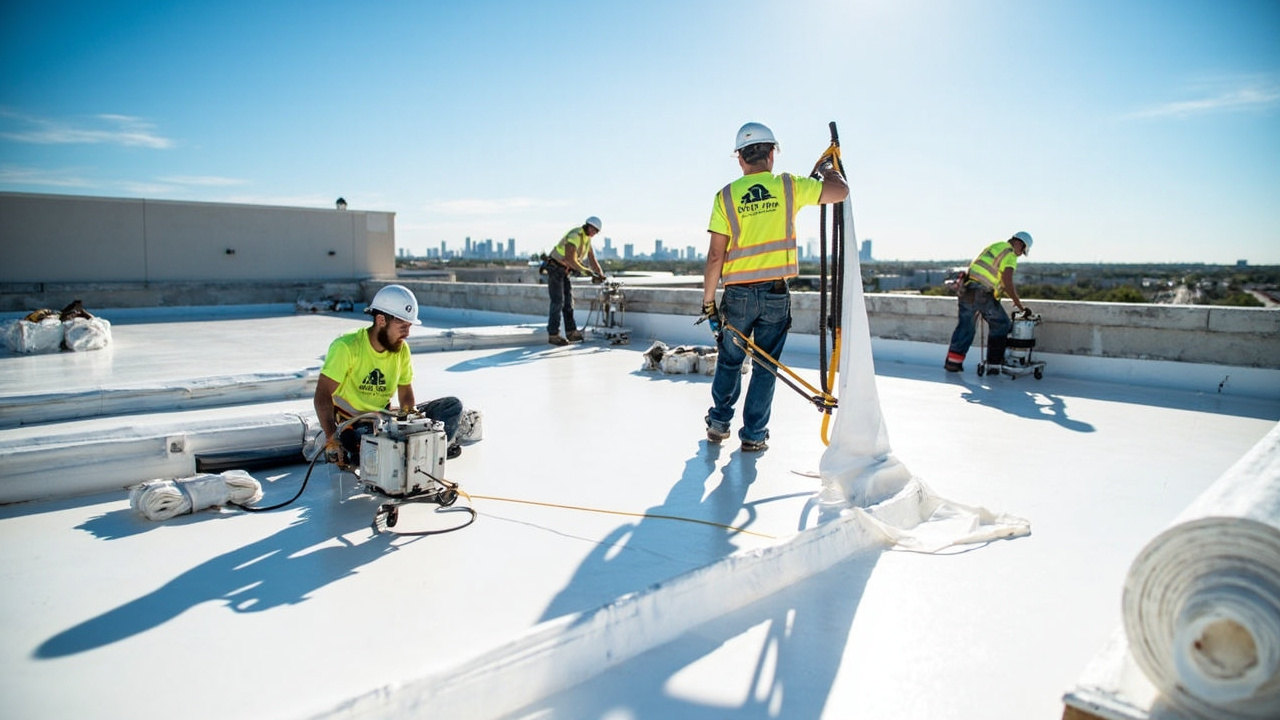
San Antonio commercial properties experience daily temperature swings that subject roof membranes to continuous expansion and contraction. Summer roof surface temperatures exceed 170 degrees, then drop to 90 degrees during evening thunderstorms. This 80-degree differential happens repeatedly throughout the May through September period. Membrane seams and flashing terminations bear the brunt of this thermal movement. Single-ply systems installed without adequate fastener density develop billowing between attachment points. Modified bitumen systems develop stress cracks at inside corners where thermal movement concentrates. The commercial roofing contractors who succeed in this market engineer systems with enhanced attachment schedules and use base flashings that accommodate movement without tearing. Generic installation specifications developed for temperate climates fail within five years when applied to San Antonio's thermal environment.
Summit Roofing San Antonio has completed commercial projects throughout the city's major business corridors, from the airport industrial area to the Medical Center's hospital complexes. We maintain working relationships with the structural engineering firms that design San Antonio's commercial buildings and understand how local construction practices affect roof performance. The city's commercial roofing firms who deliver long-term system performance specify materials based on actual local weather data, not manufacturer's generic climate zones. We participate in continuing education through the Roof Consultants Institute and maintain current knowledge of code changes affecting commercial properties. This expertise protects your facility from the costly failures that occur when contractors apply outdated practices to modern building challenges. Local knowledge translates directly to roof systems that perform as engineered throughout their design life.