




Menu

Commercial Roof Coatings in San Antonio | Minimize Downtime with Industrial-Grade Fluid Applied Systems

Summit Roofing San Antonio delivers commercial roof restoration systems engineered for business continuity, using elastomeric roof coatings and fluid applied roofing systems that protect assets and reduce operational disruptions across the greater San Antonio metro.

Slider Image 1
Slider Image 2
Slider Image 3
Slider Image 4
Slider Image 5
Slider Image 7
Slider Image 8
Slider Image 9
Slider Image 10
Slider Image 11

San Antonio's Climate Accelerates Commercial Roof Deterioration

Your facility's roof faces relentless thermal cycling in San Antonio. Summer surface temperatures exceed 170 degrees on commercial flat roof systems, then drop 40 degrees overnight. This expansion and contraction cracks conventional membranes, opens seams, and accelerates degradation.

The region's intense UV exposure breaks down asphalt-based systems within 8 to 12 years. Add in sudden hailstorms from spring convection patterns and heavy monsoon rains that pool on flat surfaces, and you face a liability equation. Water intrusion disrupts operations, damages inventory, and creates mold growth that triggers OSHA compliance issues.

Industrial roof coatings solve this through chemistry. Elastomeric roof coatings flex with thermal movement instead of cracking. Fluid applied roofing systems create seamless, monolithic barriers that eliminate the vulnerable laps and seams found in sheet membranes. These commercial roof restoration systems reflect up to 85 percent of solar radiation, reducing surface temperatures by 50 degrees and cutting HVAC costs by 15 to 25 percent.

The clay-heavy soils around San Antonio shift during drought cycles, stressing roof structures. Buildings near Loop 410 and I-10 corridors experience additional vibration stress from heavy truck traffic. A properly engineered coating system absorbs these micro-movements without compromising the waterproof envelope.

Waiting for visible leaks means you already have hidden damage. Wet insulation loses R-value, structural decking rots, and repair costs multiply by factors of five or more once water penetrates the assembly.

San Antonio's Climate Accelerates Commercial Roof Deterioration
How Commercial Roof Coatings Extend Asset Life

How Commercial Roof Coatings Extend Asset Life

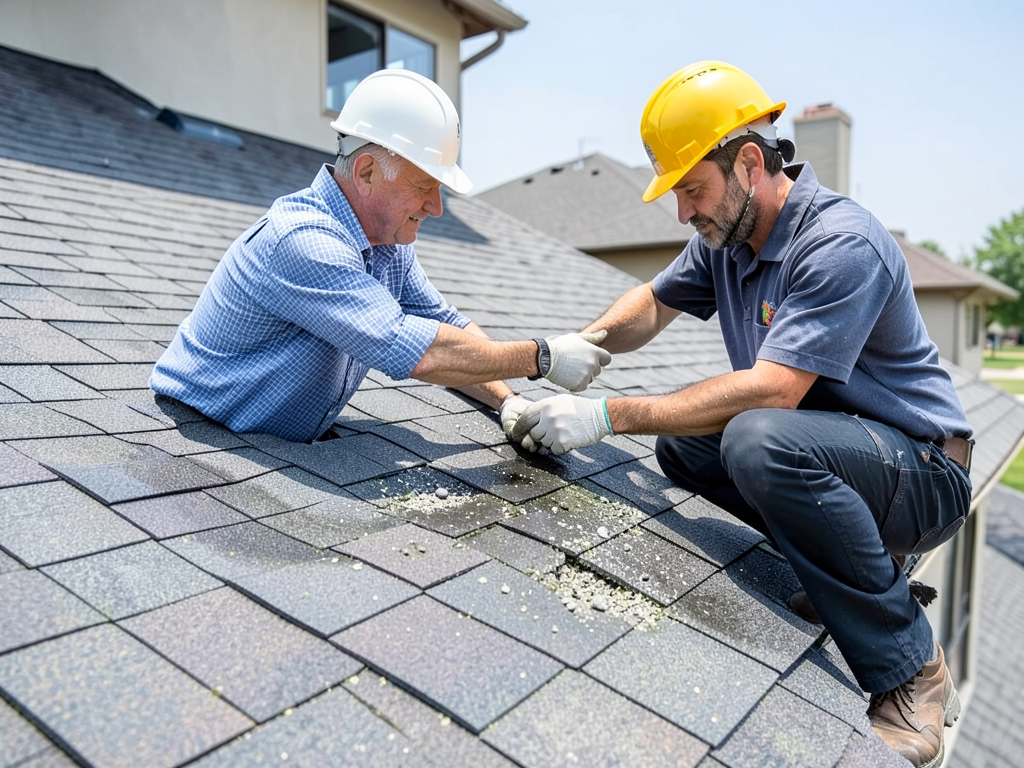
We start with infrared thermography and core sampling to map moisture intrusion. You need data, not guesses. Thermal imaging identifies saturated insulation zones invisible to visual inspection. Core samples verify substrate integrity and determine if the existing assembly can support a restoration system or requires tear-off.

Surface preparation dictates coating performance. We pressure wash to remove biological growth, grind down rough seams, and apply primer to ensure mechanical adhesion. Substrates vary: modified bitumen requires different preparation than TPO or EPDM. Skipping this step causes delamination within 24 months.

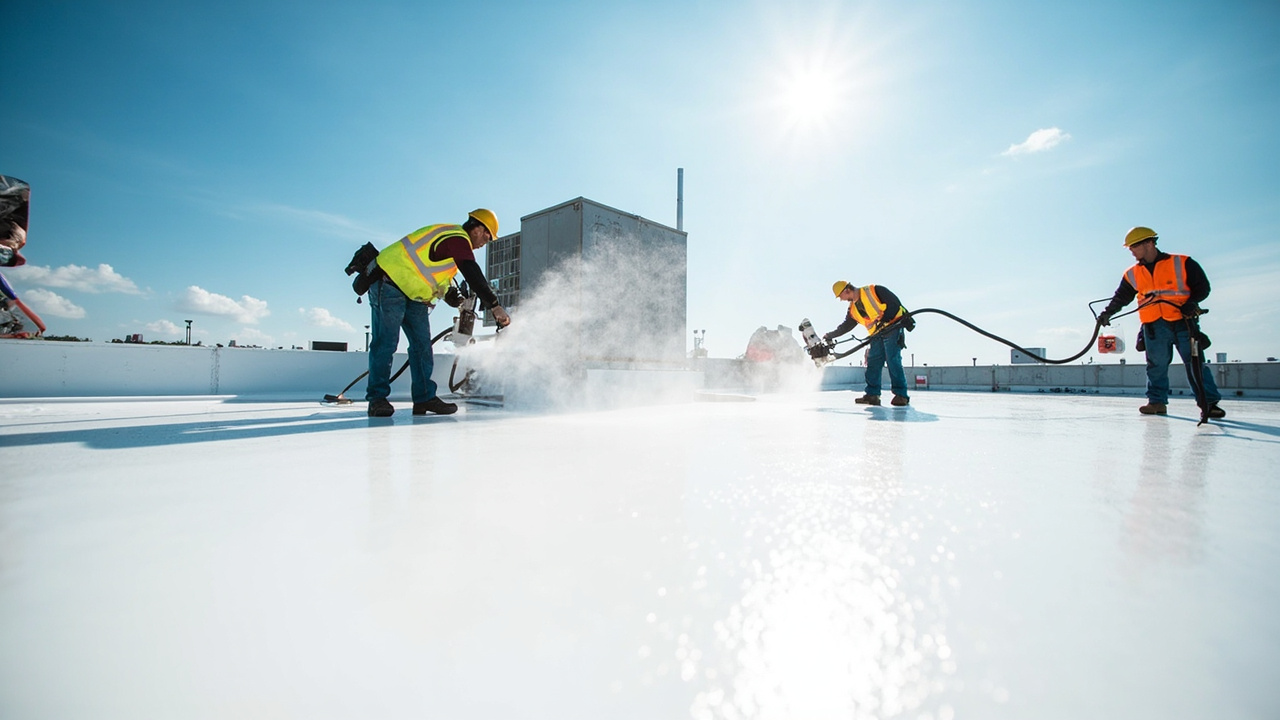
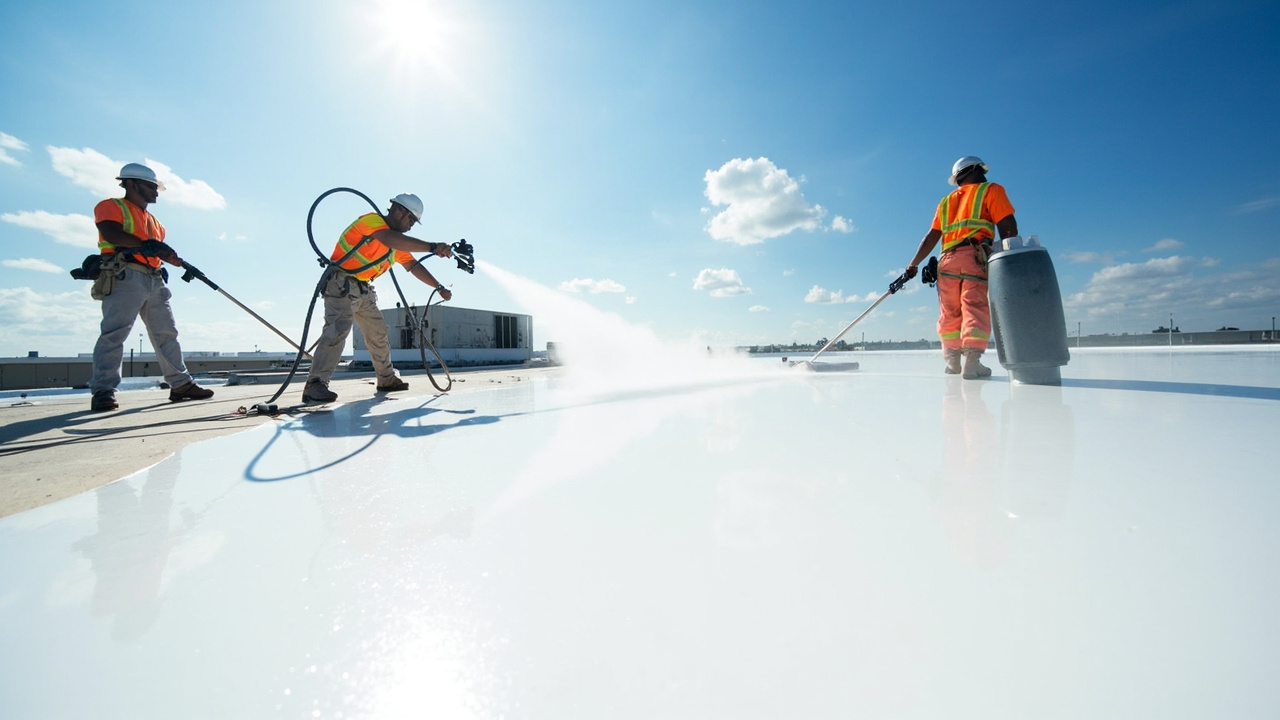
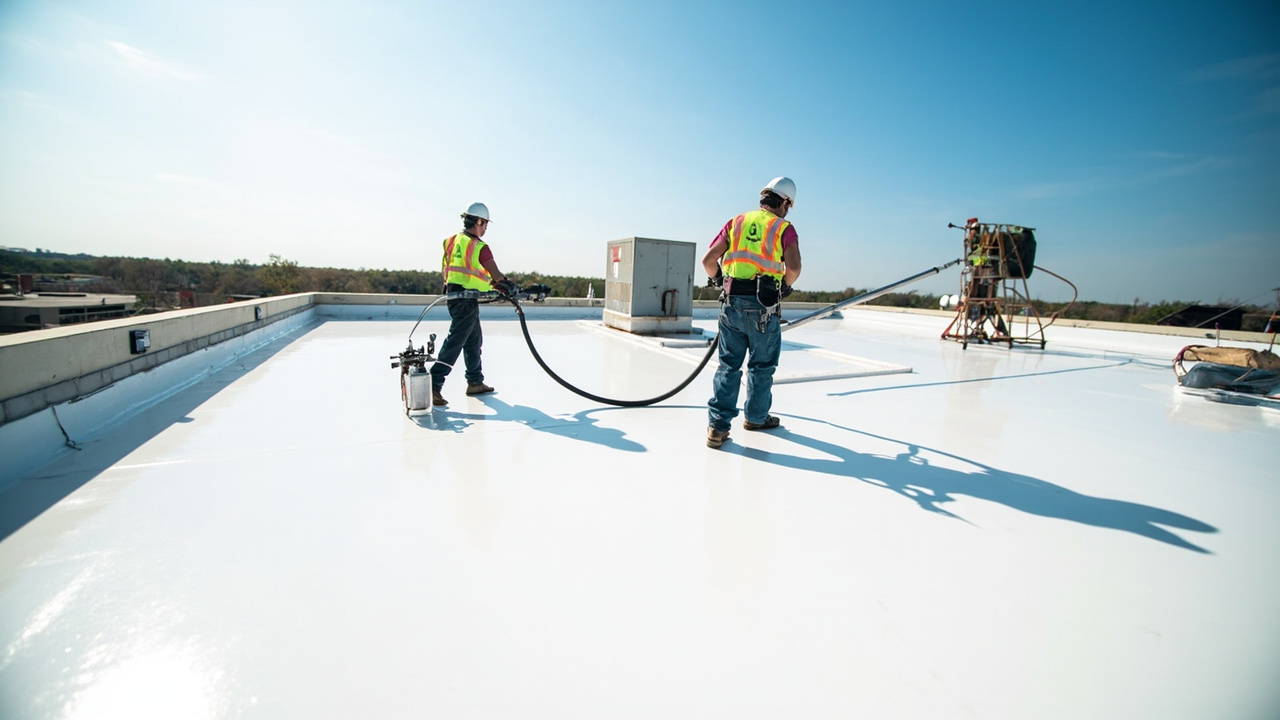
We apply elastomeric roof coatings in multiple passes using airless spray equipment calibrated for specific mil thickness. Base coats at 20 to 30 mils fill minor surface irregularities. Reinforcing fabric embeds in wet coating over seams, penetrations, and transition areas to prevent differential movement cracks. Top coats at 10 to 15 mils provide UV protection and reflectivity.

Commercial flat roof coatings cure through solvent evaporation or moisture reaction, depending on chemistry. Acrylic systems dry fast but require temperatures above 50 degrees. Silicone coatings cure through atmospheric moisture and tolerate ponding water better than any alternative. Polyurethane systems offer superior impact resistance for roofs with foot traffic or equipment.

Fluid applied roofing systems weigh 0.5 to 1.5 pounds per square foot, compared to 5 to 8 pounds for new membrane installations. Your structure avoids additional dead load stress. Installation happens during business hours with zero interior disruption. No tear-off means no dumpsters, no debris falling, and no membrane adhesive odors migrating through HVAC intakes.

What Happens During Your Coating Application

Commercial Roof Coatings in San Antonio | Minimize Downtime with Industrial-Grade Fluid Applied Systems
01

Roof Assessment and Substrate Testing

We conduct infrared scans during evening hours when temperature differentials make wet insulation visible. Core samples go to depths that verify deck condition and insulation type. You receive a moisture map showing compromised areas and a written assessment of whether your roof qualifies for a restoration system. This takes two to four hours and determines project feasibility before you commit to scope.
02

Surface Preparation and Primer Application

Power washing removes contaminants that block adhesion. We cut out and replace saturated insulation, then install cover boards over repaired areas. Seams get ground smooth, and fastener heads receive additional sealant. Primer goes down in a single coat matched to your existing membrane chemistry. Surface preparation accounts for 40 percent of labor hours but determines whether your coating lasts 5 years or 20 years.
03

Coating Application and Quality Verification

Base coat application happens in sections, with fabric reinforcement installed wet-on-wet over critical areas. We measure wet film thickness with gauges to ensure specification compliance. Top coats follow after cure intervals specified by the manufacturer. Final inspection includes mil thickness verification at 20 random points per 10,000 square feet. You receive a completion report with photos, application records, and maintenance guidelines for your facility management team.

Why San Antonio Facility Managers Choose Summit Roofing

We have applied commercial roof restoration systems across distribution centers near Port San Antonio, manufacturing facilities in the Southeast Side industrial corridor, and retail centers from Stone Oak to Southtown. That exposure teaches you which coating chemistries tolerate ponding water on the low-slope roofs common to tilt-wall construction, and which primers bond to the weathered TPO found on big-box retail buildings built in the 1990s.

San Antonio's commercial building stock includes thousands of metal roofs on pre-engineered buildings. These require specialized primers and topcoats that accommodate thermal expansion rates three times higher than membrane roofs. We have coating systems rated for Coastal Wind Zones that meet the 140-mph design pressures required within 100 miles of the Gulf Coast.

Your project needs coordination with ongoing operations. We schedule applications during low-occupancy periods, stage equipment to avoid blocking loading docks, and communicate with your team daily about access restrictions. A coating failure that requires re-work costs you double the downtime.

Local code compliance matters. The City of San Antonio requires Title 24 cool roof compliance for re-roofing projects over 2,000 square feet. Elastomeric roof coatings with Solar Reflectance Index values above 78 meet this without requiring city plan reviews or additional permitting beyond standard commercial alteration permits.

We provide spec sheets and technical data sheets for every product before application. Your insurance carrier and property management firm need this documentation. We coordinate with third-party inspectors if your roof assembly carries an existing warranty that requires approved contractors for restoration work.

What Your Commercial Coating Project Includes

Project Timeline and Scheduling Flexibility

Coating projects move faster than tear-off replacements. A 50,000-square-foot roof takes 5 to 8 working days from prep to final coat, weather permitting. We work around your operational requirements. Weekend or night applications cost more but eliminate daytime disruptions. Weather delays happen. Coatings require dry surfaces and temperatures above minimum cure thresholds. We monitor forecasts and communicate schedule adjustments 48 hours in advance. Rush projects for buildings with active leaks get priority scheduling. You need water infiltration stopped before inventory damage or business interruption costs exceed the roof repair budget.

Comprehensive Roof Evaluation Process

Our assessment goes beyond visual inspection. Infrared thermography maps subsurface moisture without destructive testing. Core samples verify deck integrity and insulation condition. We test existing coating or membrane samples for compatibility with proposed systems. You receive a written report with thermal images, core sample analysis, and recommended scope. This evaluation costs between $500 and $1,500 depending on roof size, but it prevents applying coating over substrates that will fail. Some roofs need tear-off replacement, not restoration. We tell you this before you waste money on a system that delaminates within three years.

Performance Specifications and Material Standards

We apply industrial roof coatings to manufacturer specifications, not field-adjusted mix ratios that void warranties. Mil thickness gets verified with wet film gauges during application and dry film gauges after cure. You receive batch numbers, mix ratios, and application records for every product. Reflectivity values meet or exceed ASTM C1549 and ASTM E1980 standards for cool roof designation. Elongation properties exceed 300 percent to accommodate substrate movement. Tear strength ratings meet ASTM D2261 requirements. These specifications matter when your insurance carrier audits roof condition or when you sell the property and buyers perform due diligence on deferred maintenance.

Maintenance Plans and System Longevity

Elastomeric roof coatings require maintenance inspections every 24 months. We check for ponding water, membrane blisters, and coating erosion around penetrations. Minor touch-ups extend system life by 5 to 7 years beyond initial application. You receive a maintenance manual with cleaning procedures, acceptable repair materials, and inspection checklists. Recoat intervals depend on coating type and exposure conditions. Acrylic systems need recoating every 8 to 12 years. Silicone coatings last 15 to 20 years before requiring a top coat. We provide recoat proposals based on mil thickness measurements, not calendar dates. Proper maintenance doubles your return on investment compared to neglected systems.

Frequently Asked Questions

You Have Questions,
We Have Answers

What type of roof coating is best? +

The best coating depends on your building's existing membrane and operational needs. Silicone coatings excel in San Antonio's intense UV exposure and ponding water conditions common on flat commercial roofs. Acrylic coatings offer strong reflectivity to reduce cooling costs during our extended summer heat. Polyurethane coatings provide superior impact resistance for roofs with foot traffic or equipment. For warehouse and industrial facilities, silicone typically delivers the best ROI due to weather resistance and minimal maintenance. Your substrate condition, budget, and building use determine the optimal choice. A professional assessment identifies which coating maximizes lifespan and energy efficiency for your specific property.

What is the minimum R value for a commercial roof? +

San Antonio follows Texas Energy Code requirements, which mandate a minimum R-value of R-15 for commercial roofs in Climate Zone 2. However, this is the bare minimum. Most commercial properties benefit from R-20 to R-30 insulation to offset cooling costs during our 100-degree summers. Metal buildings and warehouses often require higher R-values to maintain interior temperature control and meet tenant comfort standards. Code compliance alone does not optimize energy performance. Calculate your ROI based on current utility costs and building use. Higher insulation values reduce HVAC load, extend equipment life, and improve lease competitiveness in San Antonio's commercial market.

How much does a commercial TPO roof cost? +

TPO pricing varies based on membrane thickness, insulation requirements, and roof complexity. Commercial TPO installations range from material and labor costs that fluctuate with building size and access challenges. San Antonio's competitive commercial roofing market offers pricing advantages, but rush jobs or difficult access points increase costs. Larger facilities achieve better per-square-foot pricing. Factor in tearoff costs if replacing an existing system, plus any structural repairs needed for code compliance. TPO delivers strong ROI through energy savings and low maintenance. Request detailed proposals comparing 45-mil versus 60-mil membranes. Thicker membranes cost more upfront but extend service life in high-traffic applications.

What is seal best roof coating? +

Seal Best is a branded acrylic roof coating marketed for residential and light commercial applications. It provides basic UV protection and reflectivity but does not match the performance standards required for large commercial facilities in San Antonio's climate. Commercial-grade silicone or polyurethane coatings offer superior adhesion, weathering resistance, and warranty coverage. Building owners need products engineered for ponding water, thermal cycling, and extended service intervals. Evaluate coatings based on ASTM testing standards, manufacturer reputation, and installer certification requirements. Your facility's operational demands require professional-grade solutions, not consumer-level products. Specify coatings with proven track records in Texas commercial applications.

What is the average cost of roof coating? +

Commercial roof coating costs depend on square footage, substrate condition, and coating type. Silicone and polyurethane systems cost more than acrylic but deliver longer service life. San Antonio's flat commercial roofs often require surface preparation to address ponding areas or failed seams, which increases project scope. Warehouse facilities achieve economies of scale on large installations. Factor in energy savings when calculating ROI. Reflective coatings reduce cooling costs by 15 to 25 percent during summer months. Coating extends roof life by 10 to 15 years, deferring full replacement expenses. Request proposals detailing prep work, material specifications, and warranty terms to compare true value.

What is better, TPO or EPDM? +

TPO outperforms EPDM in San Antonio's commercial applications. TPO's heat-welded seams create watertight bonds superior to EPDM's adhesive seams, which fail faster in our thermal cycling conditions. TPO's white reflective surface reduces cooling loads, cutting energy costs for warehouses and retail facilities. EPDM's black membrane absorbs heat, increasing HVAC demands. TPO resists ponding water better, a common issue on flat commercial roofs in our region. EPDM costs slightly less upfront but delivers lower long-term ROI. TPO's growing market share reflects its superior performance in Texas climate zones. Choose TPO for new construction or replacement projects requiring energy efficiency and durability.

Can you put too much insulation in a roof? +

Excessive insulation creates condensation problems and structural load issues. San Antonio's humid climate requires proper vapor barrier placement to prevent moisture accumulation within the insulation layer. Over-insulating without addressing ventilation traps humidity, promoting mold growth and membrane degradation. Structural calculations must verify your roof deck can support added insulation weight, especially on older buildings not designed for current code requirements. Diminishing returns occur beyond R-30 in our climate zone. Focus on balanced insulation that meets code, controls energy costs, and maintains proper moisture management. Consult a structural engineer before adding insulation layers to existing commercial roofs to avoid warranty violations and building damage.

Is R10 better than R5 insulation? +

R10 insulation provides double the thermal resistance of R5, making it superior for temperature control and energy efficiency. In San Antonio's commercial buildings, R10 better resists heat transfer during summer months, reducing cooling costs and HVAC strain. However, neither R5 nor R10 meets Texas Energy Code minimums for commercial roofs, which require R-15 or higher. These lower R-values apply to wall insulation or supplemental applications, not primary roof insulation. Commercial facility owners should specify insulation meeting current code requirements to avoid compliance issues and maximize operational efficiency. Higher R-values deliver measurable ROI through reduced utility expenses and improved tenant comfort in office and retail spaces.

What is a commercial grade roof? +

Commercial-grade roofing systems meet stringent performance standards for fire resistance, wind uplift, and weathering durability. Unlike residential roofs, commercial systems use membranes engineered for low-slope or flat applications common in San Antonio warehouses, retail centers, and office buildings. TPO, EPDM, PVC, and modified bitumen membranes qualify as commercial-grade materials. These systems include reinforced layers, mechanically fastened or fully adhered installation, and compliance with FM Global or UL testing standards. Commercial roofs must withstand higher wind loads, accommodate HVAC equipment, and provide longer service life with minimal maintenance. Proper installation by certified contractors ensures warranty validity and code compliance for your investment property.

Can roofers make 100k a year? +

Experienced commercial roofers in San Antonio's market exceed 100k annual income through project management roles, specialized skills, or business ownership. Foremen overseeing large warehouse or industrial projects command premium wages due to technical expertise and safety certifications. The commercial sector pays higher rates than residential work, especially for TPO welding, metal roofing, or coating application specialists. San Antonio's growing industrial corridor drives demand for skilled labor. However, entry-level positions start far lower. Reaching six figures requires years of experience, industry certifications, and often transitioning into estimating, project supervision, or running a crew. Business owners managing multiple commercial projects achieve higher earnings through volume and efficiency.

How San Antonio's Urban Heat Island Effect Impacts Commercial Flat Roof Coatings

Downtown San Antonio and the Medical Center district experience surface temperatures 8 to 12 degrees hotter than surrounding areas due to heat absorption by asphalt and concrete. Commercial buildings in these zones face accelerated roof aging. Dark membrane surfaces reach 180 degrees during July and August, cooking the underlying insulation and degrading adhesives. Fluid applied roofing systems with high Solar Reflectance Index values reduce this thermal load. A white elastomeric coating keeps surface temperatures below 130 degrees, cutting cooling costs and extending the life of HVAC units mounted on roof decks.

San Antonio's commercial roofing market has specific compliance requirements. City inspectors enforce Title 24 energy code provisions for roof replacements and restorations. Projects within the Downtown Historic District face additional review for visible rooftop equipment and reflective surface aesthetics. Summit Roofing San Antonio maintains relationships with city plan reviewers and understands which coating systems meet code without triggering expensive engineering reviews. We also coordinate with SAWS for stormwater compliance when roof work affects drainage patterns. Local expertise prevents permit delays that cost you thousands in extended project timelines.
Roofing Services in The San Antonio Area

Explore our service coverage in and around San Antonio using the map below. Summit proudly serves residential and commercial clients throughout the region. Whether you're in the heart of the city or in the nearby suburbs, we’re just a call away. We make it easy to reach us for inspections, quotes, or emergency assistance. Your trusted roofing team is always nearby.

Address:
Summit Roofing San Antonio, 1100 NW Loop 410, Suite 700, San Antonio, TX, 78213

Additional Services We Offer

Our news updates

Latest Articles & News from The Blogs

Why High End Metal Shingles Are the New Standard in Hill Country Village Homeowners in Hill Country Village are discovering…

Why High End Metal Shingles Are the New Standard in Hill Country Village

Why High End Metal Shingles Are the New Standard in Hill Country Village Homeowners in Hill Country Village are discovering…

The hidden costs of ignoring roof algae and black streaks on your King William home

The hidden costs of ignoring roof algae and black streaks on your King William home Those dark streaks running down…

Signs it is finally time to replace your San Antonio roof

Signs it is finally time to replace your San Antonio roof Your roof works harder than you think. Under the…

Contact Us

Stop waiting for visible leaks. Call Summit Roofing San Antonio at (726) 256-6199 for infrared roof scanning and core sample analysis. We provide written assessments within 48 hours and project proposals within 5 business days. Protect your operations now.