




Menu

Built-Up Roofing (BUR) in San Antonio – Industrial-Grade Protection Built for Business Continuity

Summit Roofing San Antonio delivers proven multi-ply BUR roof systems engineered to withstand high-temperature thermal cycling, minimize business downtime, and meet strict commercial code requirements across the greater San Antonio metro.

Slider Image 1
Slider Image 2
Slider Image 3
Slider Image 4
Slider Image 5
Slider Image 7
Slider Image 8
Slider Image 9
Slider Image 10
Slider Image 11

Why San Antonio Commercial Properties Depend on Built-Up Roofing Systems

San Antonio's commercial roofing environment presents unique challenges that built-up roofing addresses better than most alternatives. The extreme heat loads during summer months create thermal expansion stress that can compromise single-ply membranes. Daily temperature swings of 30 degrees or more between afternoon heat and nighttime cooling accelerate material fatigue on flat or low-slope commercial roofs.

Built-up roofing systems, also called BUR roof systems or tar and gravel roofing, deliver redundancy through multiple plies of reinforced fabric bonded with hot asphalt or cold-applied adhesives. This creates a waterproof barrier that distributes thermal stress across layers rather than concentrating failure points. The aggregate surfacing reflects UV radiation and protects the membrane from puncture damage during routine maintenance.

San Antonio's building codes require specific wind uplift ratings for commercial structures. Multi-ply roofing achieves these ratings through mechanical fastening and full adhesion to the deck. The weight of the aggregate layer provides additional ballast against wind events. For warehouse facilities, manufacturing plants, and retail centers across San Antonio, this redundancy translates to reduced liability exposure and predictable lifecycle costs.

Asphalt built-up roofing performs particularly well on the flat roof profiles common in commercial construction throughout the San Antonio metro. The hot mop application process creates seamless coverage across large roof areas without the seam vulnerabilities found in rolled goods. When a facility cannot afford water intrusion or business interruption, built-up roofing delivers the protective capacity operations managers require.

Why San Antonio Commercial Properties Depend on Built-Up Roofing Systems
How Summit Roofing San Antonio Executes Commercial BUR Installations

How Summit Roofing San Antonio Executes Commercial BUR Installations

Commercial built-up roofing requires precision at the installation phase to achieve rated performance. Summit Roofing San Antonio begins with substrate evaluation to verify deck integrity and proper slope for drainage. Flat commercial roofs in San Antonio must maintain minimum slope requirements to prevent ponding water, which accelerates membrane degradation. We identify low spots and address structural deficiencies before membrane application begins.

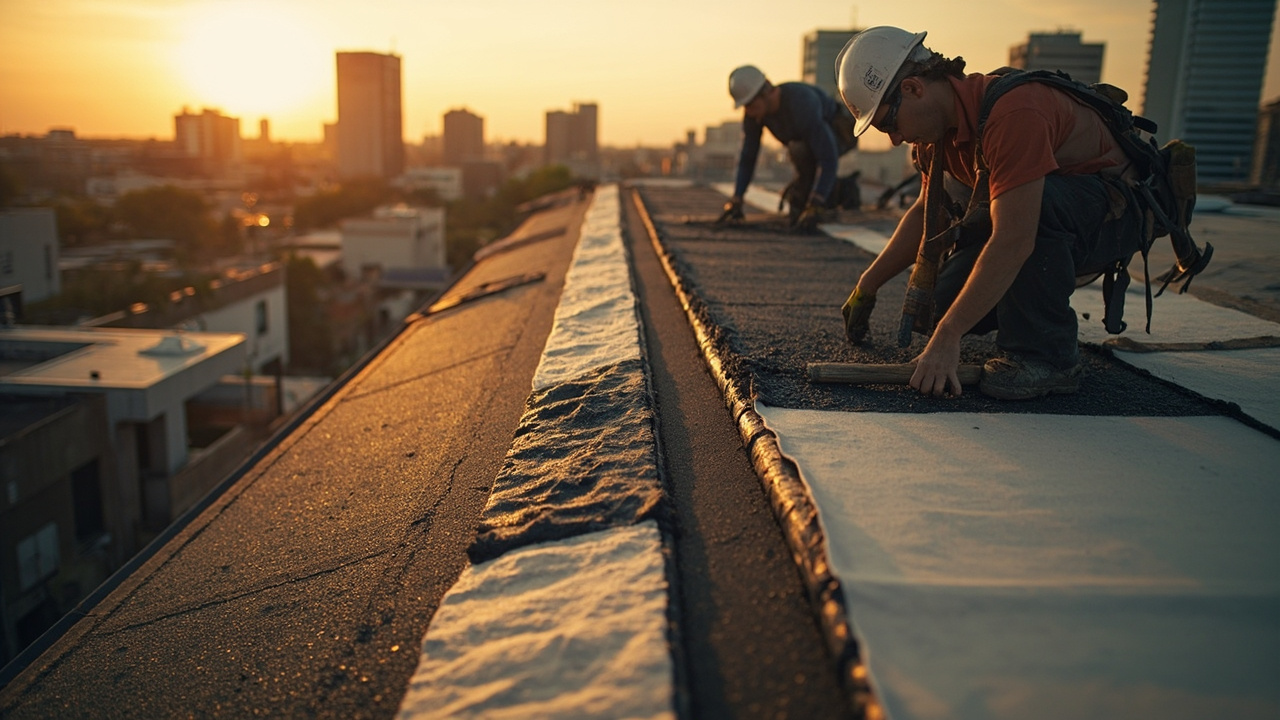
The base sheet installation establishes the foundation for the entire system. We mechanically fasten the base ply to the deck using fastener patterns calculated for your specific wind zone and building height. This creates the anchor layer that resists uplift forces. Subsequent plies are bonded using hot asphalt in a shingled pattern that creates redundant waterproofing. Each ply overlaps the previous layer to eliminate straight-through seam paths.

Ply count varies based on warranty requirements and expected service life. A three-ply system provides 15 to 20 years of service. Four-ply and five-ply configurations extend that timeline for facilities planning long-term occupancy. The interply asphalt application must occur at controlled temperatures to achieve proper adhesion without damaging the reinforcing fabric. Our crews monitor kettle temperatures continuously and adjust application rates based on ambient conditions and roof surface temperature.

The flood coat and aggregate surfacing complete the assembly. The flood coat provides a uniform asphalt layer across the entire roof surface. Aggregate is broadcast into the wet asphalt to achieve complete embedment. This creates the reflective, puncture-resistant wearing surface that protects the membrane plies underneath. Gravel stop and edge metal installation secure the perimeter and provide a finished appearance that meets San Antonio commercial standards.

What Happens During Your Commercial BUR Installation

Built-Up Roofing (BUR) in San Antonio – Industrial-Grade Protection Built for Business Continuity
01

Roof Assessment and Planning

We conduct a detailed roof inspection to document existing conditions, measure drainage slopes, and identify any structural concerns. Our team evaluates deck fastening patterns, existing penetrations, and parapet conditions. You receive a comprehensive scope document that outlines the work sequence, material specifications, and projected timeline. This assessment determines ply count, fastener density, and any required deck repairs before membrane installation begins.
02

Membrane Installation and Testing

Our certified crews install the base sheet and subsequent membrane plies using hot asphalt application or cold-applied adhesives depending on your building requirements. Each ply is installed in a staggered pattern to eliminate continuous seams. We perform pull tests on mechanically fastened areas to verify attachment strength. Flashing details at penetrations, walls, and roof edges receive extra attention to prevent water entry at these vulnerable transitions. Quality control checks occur at each phase.
03

Surface Protection and Handoff

The flood coat application and aggregate surfacing complete the system. We verify uniform gravel embedment and proper drainage flow across the entire roof area. Edge metal and termination bars are installed to secure the membrane perimeter. Your facility manager receives documentation of the completed system, including material certifications, thickness measurements, and maintenance recommendations. We walk the roof with your team to review access points and routine inspection protocols before final handoff.

Why San Antonio Facility Managers Choose Summit Roofing for BUR Systems

Commercial roofing decisions affect your bottom line for decades. Summit Roofing San Antonio understands that built-up roofing represents a significant capital expense that must deliver predictable performance without surprise failures or early replacement. Our experience with San Antonio's commercial building stock gives us insight into the specific challenges your facility faces.

We work extensively throughout the San Antonio metro on warehouse facilities, manufacturing plants, retail centers, and institutional buildings. This exposure to different roof configurations and usage patterns allows us to recommend the right ply count and surfacing options for your specific application. A distribution center with frequent roof access requires heavier aggregate and reinforced walkway pads. A manufacturing facility with rooftop equipment needs enhanced flashing details and vibration-resistant fastening.

Our crews receive ongoing training in hot asphalt application techniques and safety protocols. Built-up roofing requires specialized equipment and expertise that general contractors cannot replicate. The difference between a 15-year roof and a 25-year roof often comes down to installation quality during the critical first week of work. We maintain our own asphalt kettles, felt cutters, and application equipment to ensure consistent results across every project.

San Antonio's commercial building codes require specific fire ratings and wind uplift capacity for built-up roofing systems. We stay current on these requirements and design our installations to meet or exceed rated performance. Our project managers coordinate with city inspectors to schedule required inspections without delaying your timeline. You receive a roof system that performs as specified and passes inspection without callbacks or modifications. That reliability protects your operations and your investment in the building.

What to Expect from Your Commercial BUR Project

Project Timeline and Scheduling

Commercial built-up roofing installation requires dedicated time for proper execution. A typical warehouse roof of 20,000 to 30,000 square feet requires two to three weeks from tear-off to final surfacing. Larger facilities may require phased installation to maintain portions of your operation during construction. We coordinate with your facility manager to schedule work during slow periods or off-shift hours when possible. Weather affects hot asphalt application, so we monitor forecasts and adjust schedules to avoid temperature extremes or precipitation. You receive weekly progress updates and advance notice of any schedule adjustments.

Pre-Installation Roof Inspection

Before any material arrives on site, our team conducts a thorough roof inspection to identify existing damage, inadequate drainage, or structural deficiencies that could compromise the new system. We document deck fastening, existing penetrations, and parapet conditions with photos and measurements. This inspection reveals hidden problems that would cause premature failure if not addressed during installation. You receive a detailed report outlining required repairs and any upgrades needed to meet current code requirements. This transparency prevents mid-project surprises and ensures your new roof system performs as expected from day one.

Finished System Performance

A properly installed built-up roof delivers decades of leak-free performance with minimal maintenance. The multi-ply construction provides redundancy that single-ply systems cannot match. The aggregate surfacing protects the membrane from UV damage and punctures during routine maintenance activities. Your facility receives a roof system that meets rated wind uplift requirements and fire classification standards. Proper drainage eliminates ponding water that accelerates membrane degradation. The finished system requires only periodic inspections to verify drainage function and remove debris from drains. This low-maintenance profile reduces your long-term operating costs and eliminates emergency repairs that disrupt business operations.

Maintenance Planning and Support

Built-up roofing systems benefit from routine maintenance that extends service life and prevents small issues from becoming major failures. We provide your facility team with a maintenance schedule that outlines inspection intervals and specific items to monitor. This includes drain cleaning, gravel redistribution in high-traffic areas, and flashing inspections at penetrations. Our team remains available for annual inspections to document roof condition and identify any developing concerns. This proactive approach catches problems early when repairs are simple and inexpensive. You avoid the business disruption and liability exposure that comes with unexpected roof failures during critical operations.

Frequently Asked Questions

You Have Questions,
We Have Answers

What is a built-up roofing bur? +

Built-up roofing (BUR) is a multi-layer flat roofing system that alternates layers of bitumen and reinforcing fabrics. You apply hot asphalt or coal tar between plies of roofing felt or fiberglass mats, building up a membrane that creates a waterproof barrier. The top layer typically includes gravel or a mineral cap sheet for UV protection. This system has protected commercial buildings for over a century. In San Antonio, BUR performs well on low-slope commercial structures because the multiple layers provide redundancy against water intrusion. The heavy aggregate surface also withstands high winds common to South Texas weather patterns, making it a reliable choice for warehouses, retail centers, and office buildings.

What is the difference between built-up roofing and modified bitumen? +

Built-up roofing uses multiple alternating layers of bitumen and reinforcing fabric installed with hot asphalt, creating a thick membrane. Modified bitumen uses factory-manufactured rolled sheets with polymer-modified asphalt, installed through torch application, hot asphalt, or cold adhesive. BUR requires more labor and time on-site because you build each layer individually. Modified bitumen installs faster with fewer layers. For San Antonio commercial properties, BUR offers superior redundancy and a longer track record, while modified bitumen provides easier repairs and quicker installation. BUR typically costs more upfront but delivers better long-term performance on larger commercial structures. Modified bitumen works well for smaller buildings or tight project timelines.

What does it mean if a roof is built up? +

A built-up roof means the roofing system was constructed by layering multiple plies of materials on-site rather than using a single-ply membrane. Contractors build the roof up by alternating layers of bitumen and reinforcing fabrics, creating a thick, redundant waterproofing system. Each layer bonds to the previous one, forming an integrated membrane. The term distinguishes this method from single-ply systems like TPO or EPDM. In San Antonio commercial construction, built-up roofs appear on many established office buildings and industrial facilities. You can identify them by the gravel or smooth cap sheet surface on a flat or low-slope roof. The multi-layer approach provides extra protection against leaks.

What's another name for built-up roofing? +

Built-up roofing goes by several industry names. The most common is BUR, the standard abbreviation. You will also hear it called tar and gravel roof because of the hot tar application method and aggregate surface finish. Some contractors use the term asphalt built-up roof to specify the bitumen type. Older documentation may reference composition roofing. In San Antonio commercial construction documents and specifications, BUR appears most frequently. Trade professionals understand all these terms as referring to the same multi-layer bitumen and fabric system. The term you encounter often depends on the contractor's background or regional preference, but they describe the identical roofing technology that has served commercial buildings for decades.

How long does built-up roofing last? +

Built-up roofing systems last 20 to 30 years with proper installation and maintenance. The lifespan depends on the number of plies, aggregate type, and maintenance schedule. A four-ply system with gravel surfacing outlasts a three-ply smooth surface roof. In San Antonio, the intense UV exposure and temperature swings from summer heat to occasional winter freezes stress the bitumen. Regular inspections every six months help identify issues before they compromise the membrane. Ponding water reduces lifespan, so maintaining proper drainage is critical. Commercial buildings that invest in preventive maintenance often exceed 25 years. Poor drainage or deferred maintenance can cut that timeline significantly, leading to premature failure and costly replacements.

What are the three types of bitumen? +

The three main bitumen types used in commercial roofing are coal tar pitch, asphalt, and polymer-modified asphalt. Coal tar pitch offers excellent waterproofing and chemical resistance but releases fumes during installation. Asphalt bitumen is more common, costs less, and has lower fume levels, making it the standard choice for most built-up roofs. Polymer-modified bitumen adds rubber or plastic polymers to asphalt, improving flexibility and temperature performance. In San Antonio built-up roofing applications, straight asphalt bitumen dominates because of availability and cost efficiency. Coal tar pitch appears mainly on industrial facilities requiring chemical resistance. The bitumen type affects performance, installation safety, and long-term durability of your commercial roof system.

Is a built-up roof good? +

A built-up roof is good for commercial applications requiring durability and proven performance. The multi-layer design provides redundancy, so one small puncture does not cause an immediate leak. BUR handles foot traffic well, which matters for rooftop HVAC maintenance. The aggregate surface reflects heat and resists wind uplift. In San Antonio, BUR performs well on warehouses, retail centers, and office buildings with low-slope roofs. The system costs more upfront than single-ply membranes but delivers longer service life. Installation requires skilled labor and generates odors from hot asphalt. For large commercial buildings prioritizing longevity over initial cost, BUR remains a solid choice that minimizes long-term liability and downtime from roof failures.

What lasts longer, bitumen or EPDM? +

Bitumen built-up roofing outlasts EPDM single-ply membranes in most commercial applications. BUR systems last 20 to 30 years with maintenance, while EPDM typically delivers 15 to 25 years. The multi-layer construction of BUR provides redundancy that EPDM lacks. A single puncture compromises EPDM, while BUR tolerates minor damage better. In San Antonio commercial settings, BUR handles UV exposure and thermal cycling more reliably because the aggregate surface protects the waterproofing layers. EPDM can degrade faster under constant sun exposure. BUR costs more initially but delivers better return on investment for large commercial buildings. EPDM installs faster and works well for smaller structures or budget-constrained projects requiring decent performance without maximum longevity.

What is built-up bituminous waterproofing? +

Built-up bituminous waterproofing is a below-grade or horizontal surface protection system using multiple layers of bitumen and fabric membranes. You apply hot bitumen between reinforcing plies, creating a waterproof barrier similar to built-up roofing but adapted for foundations, plaza decks, or parking structures. The system protects concrete from water intrusion and provides a durable seal. In San Antonio commercial construction, you see this application on below-grade parking garages and plaza deck waterproofing where soil moisture and hydrostatic pressure require robust protection. The multi-layer approach offers redundancy against water penetration. Installation requires specialized contractors familiar with bitumen application. This system costs more than sheet membranes but delivers superior long-term protection for critical waterproofing applications.

How many layers is a built-up roof? +

A built-up roof typically has three to five layers, or plies. Each ply consists of a reinforcing fabric layer and a bitumen layer. A three-ply system offers basic protection for light-duty applications, while four or five plies provide better durability for high-traffic or demanding environments. The base layer bonds to the roof deck, middle plies build thickness, and the top layer includes aggregate or a cap sheet. In San Antonio commercial buildings, four-ply systems are standard for warehouses and retail centers. Five-ply systems appear on industrial facilities requiring maximum protection. More layers increase cost and weight but extend lifespan and improve puncture resistance. Your structural engineer must verify the deck can support the added weight.

How San Antonio Heat and UV Exposure Affect Built-Up Roofing Performance

San Antonio's intense summer heat creates extreme thermal stress on commercial roof systems. Roof surface temperatures regularly exceed 160 degrees during afternoon hours, causing asphalt to soften and membranes to expand. The UV radiation at this latitude degrades exposed asphalt rapidly without proper surfacing protection. Built-up roofing addresses these conditions through aggregate surfacing that reflects solar radiation and protects the membrane plies underneath. The multi-ply construction allows thermal expansion to distribute across layers rather than concentrating stress at seams or fasteners. This design approach extends service life in San Antonio's challenging climate where single-ply systems often fail prematurely.

Summit Roofing San Antonio maintains relationships with commercial property managers, facility directors, and building owners throughout the metro. This network provides insight into long-term roof performance across different building types and usage patterns. We understand which ply counts deliver the best value for your specific facility and occupancy plans. Our familiarity with San Antonio building inspectors and code requirements streamlines the permitting process and prevents delays during installation. When you choose a local commercial roofing contractor with deep roots in this market, you gain access to decades of institutional knowledge that protects your investment.
Roofing Services in The San Antonio Area

Explore our service coverage in and around San Antonio using the map below. Summit proudly serves residential and commercial clients throughout the region. Whether you're in the heart of the city or in the nearby suburbs, we’re just a call away. We make it easy to reach us for inspections, quotes, or emergency assistance. Your trusted roofing team is always nearby.

Address:
Summit Roofing San Antonio, 1100 NW Loop 410, Suite 700, San Antonio, TX, 78213

Additional Services We Offer

Our news updates

Latest Articles & News from The Blogs

What to do when a neighbor's tree limbs are hanging over your roof in the Great Northwest Living in the…

What to do when a neighbor's tree limbs are hanging over your roof in the Great Northwest

What to do when a neighbor's tree limbs are hanging over your roof in the Great Northwest Living in the…

Adding instant curb appeal to your Terrell Hills home with copper gutters

Adding instant curb appeal to your Terrell Hills home with copper gutters Your Terrell Hills home deserves more than ordinary…

Why brand new homes in Redbird Ranch still need a yearly roof check

Why brand new homes in Redbird Ranch still need a yearly roof check Your brand new roof in Redbird Ranch…

Contact Us

Your facility deserves a roof system engineered for San Antonio's demanding commercial environment. Summit Roofing San Antonio delivers the expertise and execution your operations require. Call (726) 256-6199 today to schedule your roof assessment and receive a detailed project proposal.