




Menu

Warehouse Roof Repair in San Antonio – Minimize Downtime with Industrial-Grade Solutions

Summit Roofing San Antonio delivers fast, code-compliant warehouse roof repair that keeps your operations running. We handle large-scale industrial roof restoration and commercial warehouse roof leak repair with minimal business disruption.

Slider Image 1
Slider Image 2
Slider Image 3
Slider Image 4
Slider Image 5
Slider Image 7
Slider Image 8
Slider Image 9
Slider Image 10
Slider Image 11

Why San Antonio Warehouse Roofs Fail Faster Than You Think

Your warehouse roof takes a beating in San Antonio. Summer temperatures regularly exceed 100 degrees, causing thermal expansion and contraction that stresses seams and fasteners. The intense UV exposure degrades membrane systems and accelerates coating breakdown. Add in sudden hail events and seasonal storms, and you have a recipe for premature roof failure.

San Antonio's industrial corridors near Loop 410 and I-10 house thousands of distribution centers and manufacturing facilities. These buildings typically feature low-slope or flat roof systems spanning 50,000 square feet or more. When leaks develop, they threaten inventory, halt production lines, and create liability issues.

Most commercial warehouse roof leak repair needs stem from ponding water. San Antonio's clay soil shifts during wet and dry cycles, causing structural settlement that creates low spots where water collects. This standing water penetrates membrane seams, corrodes metal decking, and saturates insulation. Within months, a small leak becomes a structural liability.

Industrial roof patching only works when you address the root cause. Quick fixes on warehouse roofs typically fail within 18 months because they do not account for thermal movement, drainage issues, or substrate deterioration. Professional warehouse roof restoration requires identifying why the system failed, not just where.

Time matters in commercial roofing. Every day your warehouse roof leaks, you risk product damage, OSHA citations for unsafe working conditions, and potential building code violations. San Antonio's aggressive climate does not wait for budget cycles or convenient scheduling.

Why San Antonio Warehouse Roofs Fail Faster Than You Think
How We Execute Commercial Warehouse Roof Repair

How We Execute Commercial Warehouse Roof Repair

Summit Roofing San Antonio approaches industrial roof repair with a focus on minimizing operational disruption. We conduct initial assessments during off-hours or weekends, using infrared thermography to map moisture intrusion without disturbing your workflow. This technology identifies saturated insulation and hidden leaks that visual inspection misses.

Our warehouse roof restoration process starts with core samples. We extract sections of your roof assembly to analyze the membrane, insulation, and decking condition. This data determines whether you need targeted repairs or full system replacement. We test for compatibility between existing materials and repair products to prevent delamination or chemical reactions.

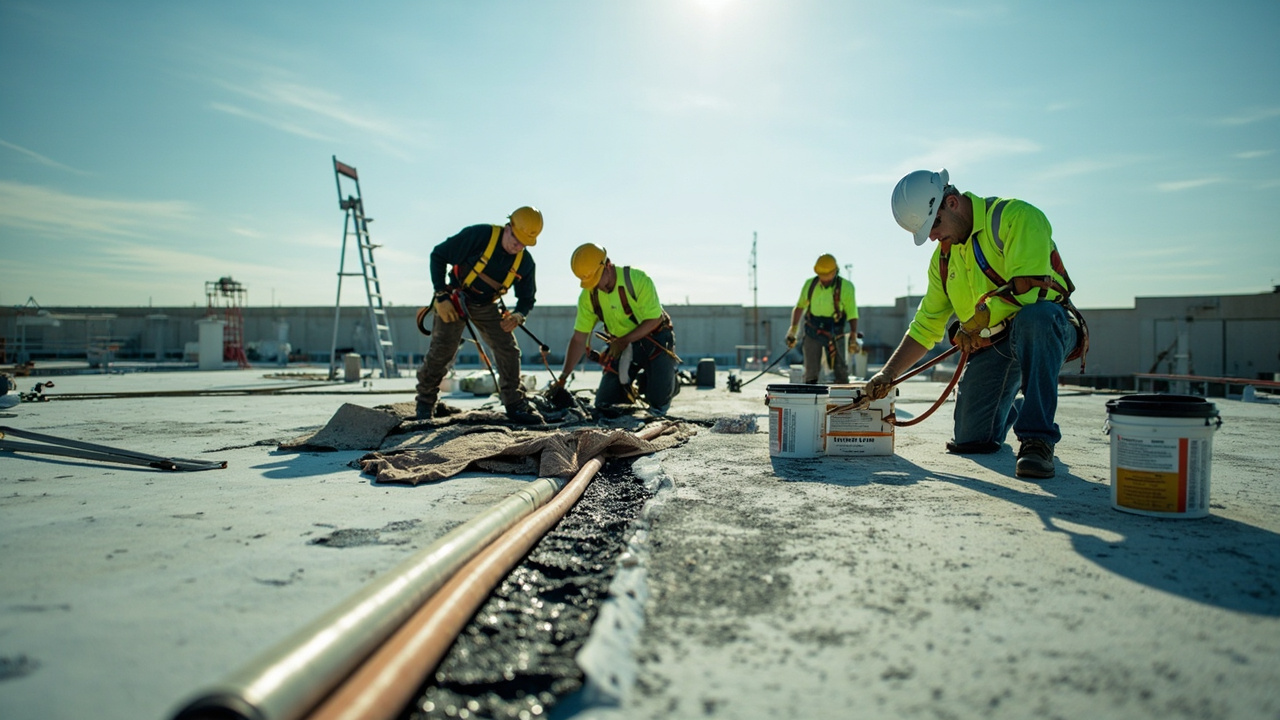
For commercial warehouse roof leak repair, we use hot-applied modified bitumen or single-ply membrane systems rated for commercial traffic. These materials withstand forklift traffic, HVAC equipment vibration, and the thermal stress of San Antonio summers. We do not use residential-grade products on commercial applications.

Drainage correction drives our industrial roof patching methodology. We install tapered insulation systems to eliminate ponding water, redirect runoff to functional drains, and verify positive slope across the entire roof plane. This prevents future moisture accumulation and extends system life by 10 to 15 years.

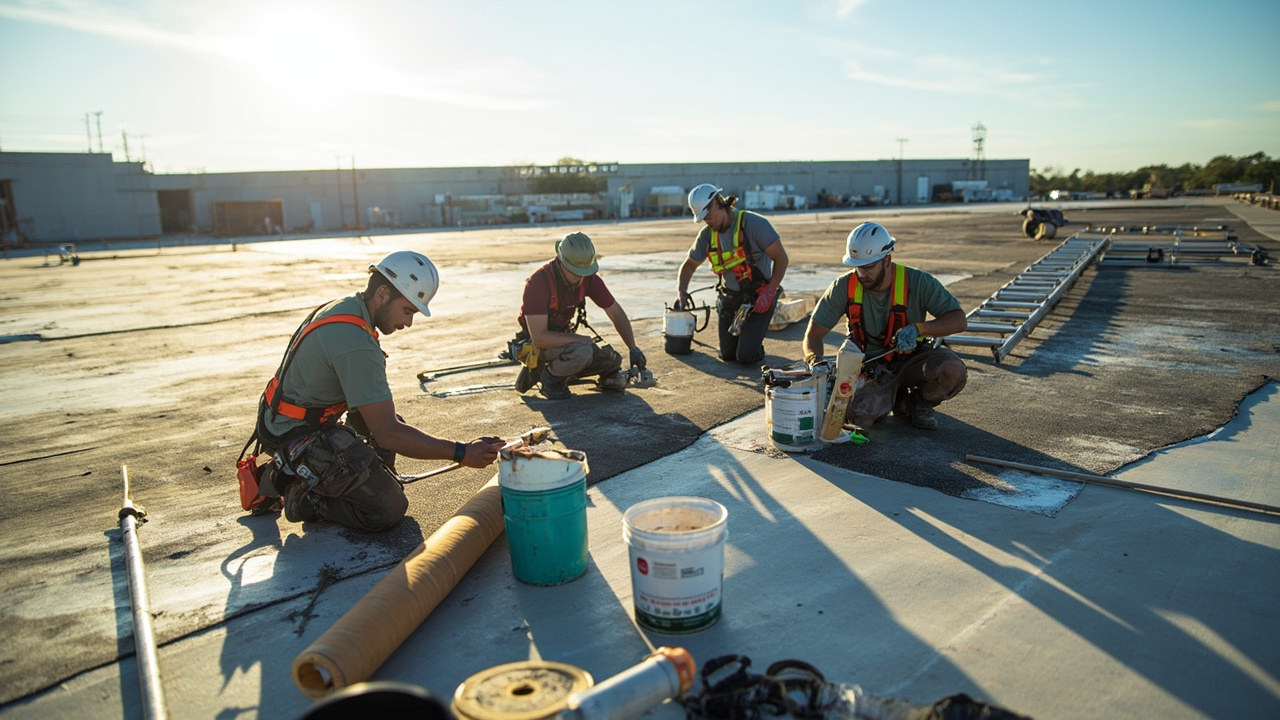
We coordinate with your facility managers to schedule work during low-activity periods. Our crews work in sections, maintaining weathertight conditions at the end of each shift. This phased approach keeps your operations running while we complete repairs. We use fall protection systems and safety barriers to separate work zones from active warehouse areas.

All work meets International Building Code standards and San Antonio construction requirements. We document every phase with photographs and material certifications for your records.

What Happens During Your Warehouse Roof Repair

Warehouse Roof Repair in San Antonio – Minimize Downtime with Industrial-Grade Solutions
01

Damage Assessment and Mapping

We deploy infrared scanning equipment and conduct core sampling to map the full extent of roof damage. This identifies compromised insulation, failed seams, and structural concerns before work begins. You receive a detailed report showing moisture intrusion patterns, remaining system life, and repair priorities. This data-driven approach prevents unexpected costs and ensures we address all failure points in one mobilization.
02

Targeted Repair Execution

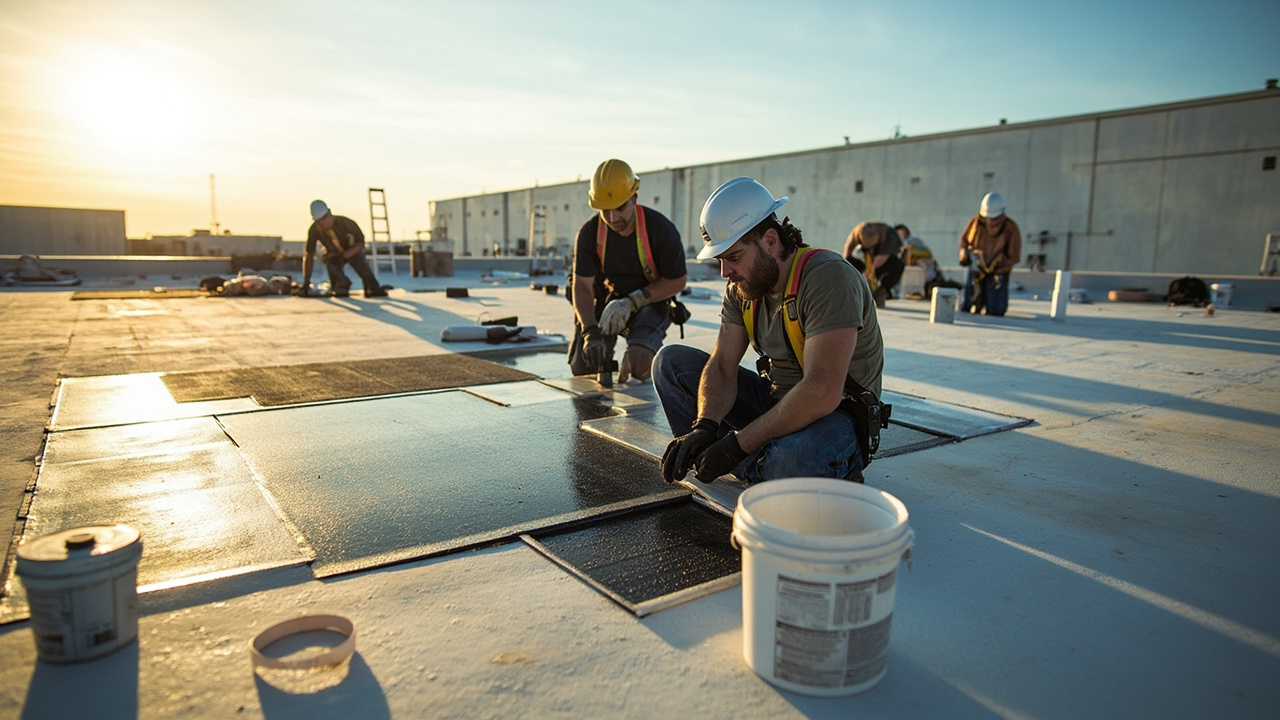
Our crews remove damaged membrane sections, replace saturated insulation, and install new roofing material with heat-welded seams. We correct drainage issues using tapered insulation systems and verify proper slope with laser levels. All penetrations receive new flashing assemblies with mechanical attachment. Work proceeds in sections to maintain building security and weather protection. Each phase undergoes quality control inspection before we move to the next area.
03

Testing and Documentation

We perform flood testing on repaired sections to verify watertight integrity. Electronic leak detection equipment confirms membrane continuity and proper seam welding. You receive complete documentation including material certifications, installation photos, thermal imaging reports, and warranty information. This package satisfies insurance requirements and provides a baseline for future maintenance planning. We also deliver a maintenance protocol specific to your roof system and building use.

Why San Antonio Businesses Choose Summit Roofing for Industrial Roof Repair

Summit Roofing San Antonio understands the commercial roofing demands of this market. We have worked on distribution centers near Port San Antonio, manufacturing facilities in the Northeast Industrial District, and logistics hubs along the I-35 corridor. This local experience means we know San Antonio building codes, understand permitting requirements, and maintain relationships with city inspectors.

Our crews carry commercial general liability coverage at levels most warehouse operations require. We provide certificates of insurance within 24 hours and can add your facility as an additional insured. This protects you from contractor-related liability and satisfies lease agreement requirements.

We maintain an inventory of commercial roofing materials in San Antonio. This eliminates the material lead times that delay other contractors. When you need industrial roof patching, we can mobilize within 48 hours with the correct products already on our trucks. For large warehouse roof restoration projects, we order materials in bulk to lock pricing and guarantee availability.

San Antonio's commercial building boom has created a shortage of qualified roofing contractors. Many residential roofers attempt commercial work without proper training or equipment. Summit Roofing specializes in industrial applications. Our crews use commercial-grade safety systems, operate heavy equipment required for large-scale projects, and understand the engineering demands of low-slope roofing.

We work directly with your insurance adjuster during claim processing. Our detailed documentation and moisture mapping provide the evidence needed to justify full system replacement versus patch repairs. This advocacy often results in better claim settlements and more comprehensive repairs that actually solve the problem.

Your facility manager receives direct access to our project supervisor. No call centers, no delays. When you have questions or concerns, you talk to the person running your job site.

What to Expect from Our Warehouse Roof Repair Service

Project Timeline and Scheduling

Emergency commercial warehouse roof leak repair begins within 48 hours of your call. We deploy temporary weatherproofing to stop active leaks, then schedule permanent repairs around your operational needs. Most targeted repair projects spanning 5,000 to 15,000 square feet complete in five to ten working days. Full warehouse roof restoration on buildings exceeding 50,000 square feet typically requires three to six weeks, depending on system complexity and weather. We provide a detailed schedule before work starts and send daily progress updates to your facility manager. Weekend and night shifts are available to minimize business disruption.

Initial Roof Assessment Process

Our assessment begins with infrared thermography conducted during early morning hours when temperature differentials reveal moisture. We document roof conditions with drone photography, identify all penetrations and equipment, and extract core samples at suspected failure points. This data goes into a written report detailing damage extent, repair options, and cost projections. You receive thermal imaging maps, core sample analysis, and material recommendations within 72 hours. This assessment costs nothing if you proceed with repairs. The detailed documentation also serves as evidence for insurance claims or lease disputes with property owners.

Completed Work Standards

Your repaired warehouse roof will meet or exceed current International Building Code standards for wind uplift, fire resistance, and thermal performance. All membrane seams receive heat welding or chemical adhesion rated for commercial applications. Flashing assemblies around HVAC equipment, skylights, and wall terminations include mechanical attachment and sealant redundancy. We verify positive drainage across the entire roof plane and eliminate all ponding water. The completed system withstands San Antonio's thermal cycling, UV exposure, and severe weather events. You receive material certifications, installation photos, and warranty documentation. Most importantly, your roof stops leaking and your operations continue without interruption.

Ongoing Maintenance and Warranty Coverage

We provide detailed maintenance protocols specific to your roof system and building use. This includes drain cleaning schedules, sealant inspection intervals, and recommended membrane care procedures. Following these protocols extends roof life and prevents premature failure. Many commercial roofing warranties require annual inspections to remain valid. We offer maintenance contracts that include biannual inspections, minor repairs, and detailed condition reports. These programs identify small problems before they become expensive failures. Your maintenance records also increase property value and provide documentation for prospective buyers or tenants. We archive all service history in our system for easy access.

Frequently Asked Questions

You Have Questions,
We Have Answers

Does commercial insurance cover roof replacement? +

Coverage depends on your policy terms and the cause of damage. Most commercial policies cover sudden, unexpected events like hail, wind, or fire. They exclude gradual deterioration from neglect or deferred maintenance. In San Antonio, hail and storm damage claims are common and often approved if documented quickly. Review your policy's perils section and deductible structure. Age and pre-existing conditions can trigger depreciation or denial. File promptly, document all damage with photos, and work with a contractor experienced in insurance claims to maximize your recovery and minimize business interruption.

What type of roof is used in warehouses? +

Single-ply membranes dominate San Antonio warehouse roofing. TPO and EPDM are most common due to cost efficiency and ease of installation on low-slope or flat roofs. Modified bitumen offers durability for high-traffic areas. Metal roofing systems appear on older or industrial facilities requiring long spans and minimal maintenance. Built-up roofing exists on legacy structures but is less common for new construction. Your choice depends on budget, roof slope, fire rating requirements, and expected foot traffic. San Antonio's intense UV exposure and temperature swings favor reflective membranes that reduce cooling costs and extend lifespan.

How much do you charge for a roof repair? +

Pricing varies by damage extent, roof type, accessibility, and materials. Small membrane patches start lower, while structural repairs or large sections cost more. San Antonio warehouse repairs account for height, roof access equipment, and whether the building remains operational during work. Emergency leak repairs differ from scheduled maintenance. We provide transparent estimates after inspection, identifying immediate fixes versus deferred work. This approach lets you prioritize spending based on business impact and budget cycles. No surprise charges. All pricing reflects local labor rates and material costs specific to the San Antonio commercial market.

What is the highest paid roofing job? +

Commercial project management and specialized industrial roofing command top compensation. Superintendents overseeing large warehouse or distribution center projects in San Antonio earn the highest rates due to complexity, safety coordination, and schedule management. Skilled foremen running crews on occupied facilities with strict operational windows also earn premium pay. Specialized roles like waterproofing technicians or metal panel installers with certifications see higher wages. Pay scales reflect liability exposure, technical expertise, and the ability to minimize downtime. High-stakes environments where errors cost tens of thousands in lost productivity reward experience and precision with higher compensation.

Who pays for roof repairs? +

The property owner is financially responsible unless a warranty, contractor error, or tenant lease agreement shifts liability. If damage results from defective installation, the original contractor or manufacturer may cover repairs. Tenants might bear responsibility if their operations caused the damage or if lease terms assign maintenance duties to them. Insurance covers qualifying perils after deductibles. In San Antonio, many warehouse leases define roof maintenance responsibilities clearly. Review your lease and insurance policy first. Disputes over responsibility delay repairs, so clarify obligations upfront to maintain business continuity and avoid costly downtime or secondary damage.

Are commercial roof repairs tax deductible? +

Yes, in most cases. Repairs that restore the roof to its previous condition qualify as deductible business expenses in the tax year incurred. Replacements or improvements that extend lifespan beyond one year require capitalization and depreciation over 39 years for commercial property. The IRS distinguishes between maintenance and capital improvements. Patching leaks or replacing damaged sections typically counts as repair. Installing a completely new roof system is a capital expense. Consult your CPA to classify work correctly. Proper documentation of invoices and work scope ensures compliance and maximizes your deduction under current tax code provisions.

What is a class 3 warehouse? +

Class 3 warehouses are modern distribution facilities with clear heights between 20 and 30 feet, robust floor loading capacity, ample truck docks, and climate control systems. They serve regional distribution needs with efficient layouts for forklifts and pallet racking. San Antonio's logistics sector includes numerous Class 3 facilities supporting retail and e-commerce operations. These buildings demand reliable roofing to protect inventory and maintain operations. Roof failures risk contamination, downtime, and lease violations. Regular inspections and proactive repairs preserve building classification and tenant satisfaction, ensuring your facility remains competitive in the regional industrial real estate market.

Which roof is better, EPDM or TPO? +

TPO offers better heat reflectivity and weld strength, reducing cooling costs in San Antonio's intense summer heat. EPDM provides superior flexibility and performs well in temperature fluctuations. TPO resists ponding water and UV degradation better, making it ideal for flat warehouse roofs with drainage concerns. EPDM costs less upfront but may require more frequent seam maintenance. Both systems last 20 years with proper installation. For San Antonio warehouses prioritizing energy efficiency and long-term ROI, TPO edges ahead. EPDM suits tighter budgets or buildings with minimal mechanical loads. Your decision hinges on budget, energy goals, and existing roof structure.

What are the 7S in warehousing? +

The 7S framework optimizes warehouse operations: Sort, Set in Order, Shine, Standardize, Sustain, Safety, and Security. While this methodology focuses on floor operations, it intersects with roofing through Safety and Sustain. Roof leaks disrupt workflows, damage inventory, and create safety hazards. Sustained operational efficiency requires a watertight envelope. In San Antonio's variable weather, proactive roof maintenance prevents disruptions that cascade through your 7S system. Addressing roof issues quickly protects your investment in lean operations, preserves inventory integrity, and maintains the safe, organized environment essential to warehouse productivity and compliance with OSHA standards.

What is the average cost to replace a 2000 square foot roof? +

This question targets residential properties, not commercial warehouses. Warehouse pricing differs due to scale, structural requirements, and system type. A 20,000 square foot warehouse replacement involves bulk material pricing, specialized equipment, and commercial-grade membranes. Costs vary by system choice, roof slope, existing damage, and whether operations continue during work. San Antonio warehouse projects require coordination with tenants, compliance with commercial codes, and minimal downtime. Request a site-specific estimate after inspection. Comparing residential roof costs to commercial warehouse projects provides no useful benchmarking due to entirely different scopes, materials, and installation methods.

How San Antonio's Industrial Growth Impacts Warehouse Roof Longevity

San Antonio ranks among the fastest-growing logistics markets in Texas. The concentration of warehouses along I-10, I-35, and Loop 410 creates a heat island effect that accelerates roof deterioration. These industrial corridors trap heat and raise ambient temperatures by 5 to 8 degrees compared to surrounding areas. Your warehouse roof endures more thermal stress than similar buildings in less dense areas. This increased heat cycling breaks down membrane adhesives faster and causes more frequent seam failures. The clay soil common throughout Bexar County compounds these problems by shifting during seasonal moisture changes, creating structural movement that stresses roof assemblies and causes fastener pull-through.

Summit Roofing San Antonio maintains relationships with local building inspectors and understands city permit requirements for commercial roofing work. We know which repairs require permits and which fall under maintenance exemptions. This knowledge prevents project delays and code violations that could shut down your operations. Our crews understand the unique challenges of working on active industrial sites near Port San Antonio and Kelly Field, where security protocols and operational requirements demand careful coordination. We have successfully completed industrial roof repair projects while facilities remained fully operational, proving our ability to work within your constraints without compromising quality or safety standards.
Roofing Services in The San Antonio Area

Explore our service coverage in and around San Antonio using the map below. Summit proudly serves residential and commercial clients throughout the region. Whether you're in the heart of the city or in the nearby suburbs, we’re just a call away. We make it easy to reach us for inspections, quotes, or emergency assistance. Your trusted roofing team is always nearby.

Address:
Summit Roofing San Antonio, 1100 NW Loop 410, Suite 700, San Antonio, TX, 78213

Additional Services We Offer

Our news updates

Latest Articles & News from The Blogs

Why High End Metal Shingles Are the New Standard in Hill Country Village Homeowners in Hill Country Village are discovering…

Why High End Metal Shingles Are the New Standard in Hill Country Village

Why High End Metal Shingles Are the New Standard in Hill Country Village Homeowners in Hill Country Village are discovering…

The hidden costs of ignoring roof algae and black streaks on your King William home

The hidden costs of ignoring roof algae and black streaks on your King William home Those dark streaks running down…

Signs it is finally time to replace your San Antonio roof

Signs it is finally time to replace your San Antonio roof Your roof works harder than you think. Under the…

Contact Us

Your warehouse roof problem will not fix itself. Call Summit Roofing San Antonio at (726) 256-6199 for fast assessment and industrial-grade repairs. We minimize downtime and deliver solutions that last.