




Menu

Spray Foam Roofing in San Antonio – Engineered for Zero Downtime and Maximum ROI

Summit Roofing San Antonio delivers commercial SPF roof systems designed to eliminate thermal bridging, reduce HVAC loads, and extend roof lifecycles by decades without disrupting your operations.

Slider Image 1
Slider Image 2
Slider Image 3
Slider Image 4
Slider Image 5
Slider Image 7
Slider Image 8
Slider Image 9
Slider Image 10
Slider Image 11

Why San Antonio Commercial Properties Demand SPF Roofing Solutions

San Antonio's commercial roofing environment is unforgiving. Your building faces intense solar radiation that degrades traditional membrane systems in five to seven years. Summer surface temperatures exceed 170 degrees Fahrenheit on flat commercial roofs, causing seam failures and accelerated material breakdown. The sporadic hail events that sweep through Bexar County punch through single-ply membranes, creating leak points that compromise inventory and disrupt operations.

Spray polyurethane foam roofing solves the structural challenges unique to San Antonio's commercial sector. The closed-cell foam creates a monolithic barrier with zero seams, eliminating the weak points where traditional systems fail. The thermal resistance value of R-6.5 per inch means your HVAC system works less to maintain temperature stability in warehouse spaces and office buildings. When hail strikes, the foam's impact resistance prevents punctures that would otherwise require emergency tarping and production shutdowns.

Commercial foam roofing also addresses the expansion and contraction cycles caused by San Antonio's temperature swings. The substrate moves independently beneath the foam layer, which flexes without cracking or separating. This becomes critical in buildings with metal decking or concrete substrates that experience significant thermal movement. Traditional systems crack at these stress points, but polyurethane foam roofing maintains integrity across the entire roof plane. Your building stays protected while your operations continue uninterrupted.

Why San Antonio Commercial Properties Demand SPF Roofing Solutions
How Commercial SPF Roof Systems Deliver Long-Term Asset Protection

How Commercial SPF Roof Systems Deliver Long-Term Asset Protection

Summit Roofing San Antonio deploys commercial-grade spray polyurethane foam through a precision application process that transforms your existing roof into a high-performance system. We start by conducting a core analysis to determine substrate condition and moisture content. Any wet insulation or compromised decking gets flagged for remediation before foam application begins. This diagnostic phase prevents future delamination and ensures the SPF bonds properly to your existing roof structure.

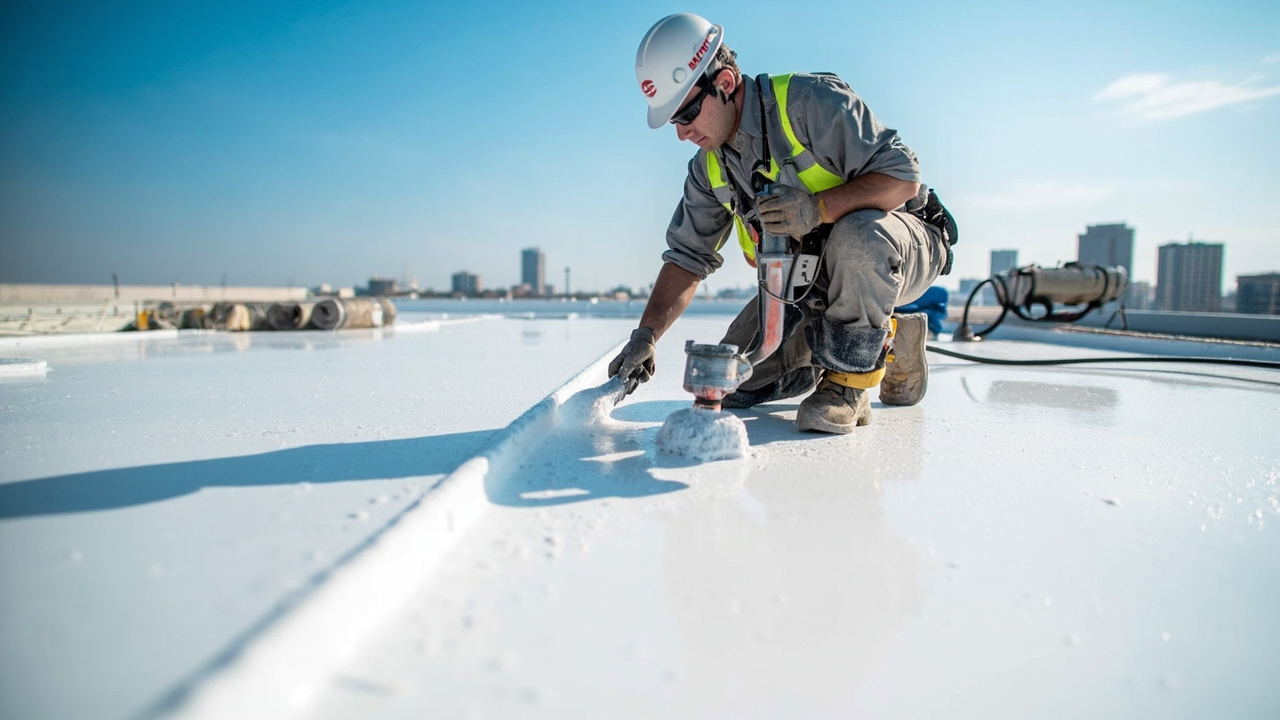
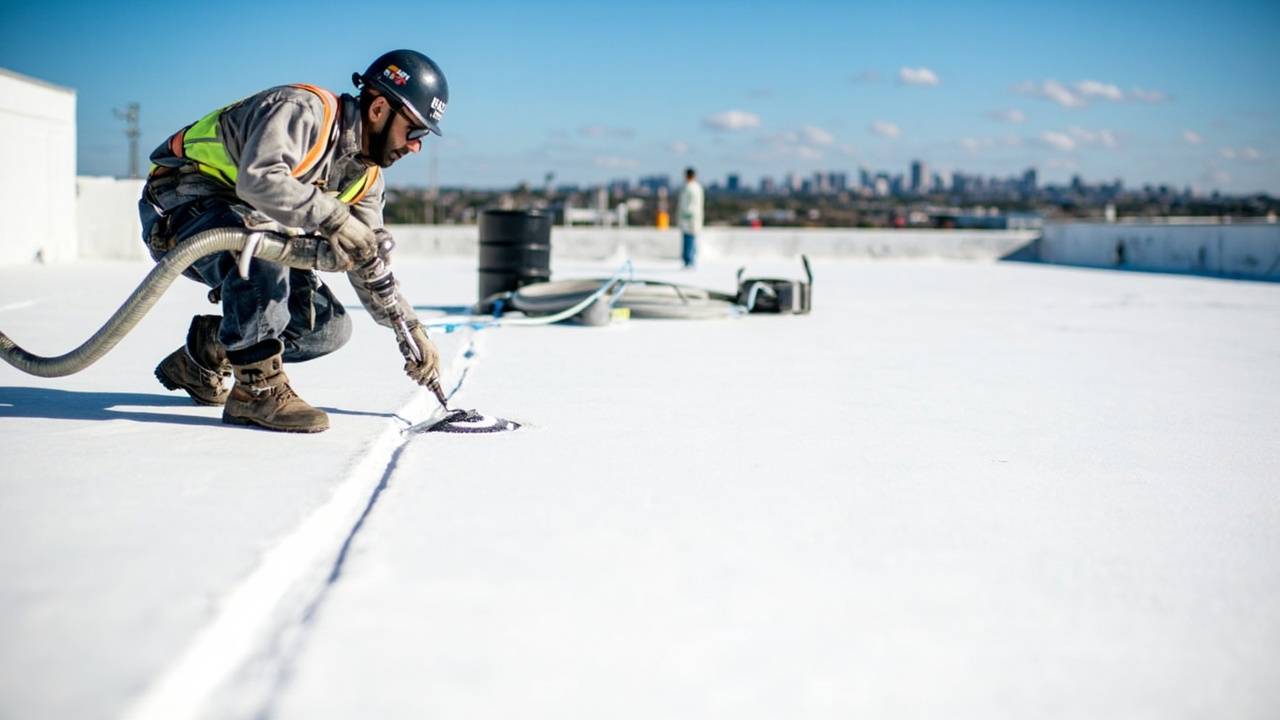
The application itself requires controlled environmental conditions. We spray closed-cell foam in multiple passes, building thickness to achieve your specified R-value while maintaining proper density throughout. Each pass adds structural rigidity and thermal performance. The foam self-levels and fills all penetrations, creating a seamless surface across HVAC curbs, vents, and skylights. This eliminates the flashing details that leak in membrane systems.

After the foam cures, we apply an elastomeric coating system engineered for UV protection and weatherproofing. This topcoat reflects solar radiation, keeping surface temperatures 30 to 40 degrees cooler than uncoated systems. The result is reduced cooling costs and extended foam life. We detail all roof edges, drains, and transitions with reinforced fabric to handle water flow and foot traffic. The finished SPF roof system becomes the most durable, energy-efficient solution available for San Antonio commercial properties. Your roof becomes a long-term asset rather than a recurring maintenance liability.

How We Execute Your SPF Roof Installation

Spray Foam Roofing in San Antonio – Engineered for Zero Downtime and Maximum ROI
01

Pre-Application Assessment and Planning

We conduct moisture surveys using infrared thermography and core samples to map substrate conditions across your entire roof. This identifies wet insulation, ponding areas, and structural deficiencies that require correction before foam application. You receive a detailed scope of work that outlines timeline, access requirements, and coordination with your operations to prevent business disruption during installation.
02

Foam Application and Build

Our crews apply closed-cell polyurethane foam in controlled thickness passes, building to your specified R-value while maintaining proper density ratios. We spray during optimal temperature and humidity windows to ensure proper foam expansion and adhesion. All penetrations, curbs, and roof details receive continuous foam coverage, eliminating seams and potential leak paths. The monolithic foam layer bonds directly to your prepared substrate, creating structural reinforcement.
03

Coating and Final Protection

We apply multiple coats of elastomeric coating to protect the foam from UV degradation and provide waterproofing. All drains, edges, and high-traffic areas receive reinforced fabric detailing for added durability. You receive documentation of foam thickness, coating mil thickness, and a maintenance protocol to maximize your roof's service life. The completed system is ready for immediate service with no cure time affecting your operations.

Why San Antonio Facility Managers Choose Summit Roofing for SPF Systems

Summit Roofing San Antonio understands the commercial roofing demands specific to this market. We work with property managers overseeing industrial parks along I-35 and I-10, where roof access and logistics require precise coordination. Our crews are familiar with the permitting requirements in San Antonio and surrounding Bexar County jurisdictions, ensuring your project stays compliant with local building codes and fire ratings.

We also understand the operational constraints you face. Manufacturing facilities cannot shut down for extended roof replacements. Distribution centers need 24/7 access to loading docks. Our spray foam application methodology allows us to work in sections, maintaining building functionality while we complete the roof system. You avoid the production losses and revenue disruption that come with tear-off replacements.

Our technical expertise extends to solving the drainage challenges common in older San Antonio commercial buildings. Many flat roofs in the Medical Center and downtown areas were built with minimal slope, leading to chronic ponding. Spray polyurethane foam allows us to build tapered systems that redirect water to drains without adding structural load. We create positive drainage where none existed, eliminating the standing water that shortens roof life and breeds mosquitoes.

We also provide ongoing roof maintenance programs tailored to commercial SPF systems. Annual inspections catch coating wear before it becomes a leak. Small repairs get handled immediately, preventing minor issues from becoming emergency situations. You gain predictable maintenance costs and extended roof service life, protecting your capital budget and building value.

What Your Commercial SPF Roof Installation Includes

Project Timeline and Scheduling

Commercial SPF roof installations move quickly compared to traditional tear-off projects. Most buildings in the 20,000 to 50,000 square foot range require seven to ten working days from start to completion, weather dependent. We coordinate with your facility schedule to minimize disruption, working after hours or on weekends when necessary. Larger industrial complexes may require phased installation to maintain operations. You receive a detailed project schedule during the planning phase, with daily updates as work progresses. The foam cures rapidly, allowing us to complete coating applications within 24 hours of foam spray. Your building remains weathertight throughout the process, eliminating the tarping and emergency protection required during membrane replacements.

Comprehensive Roof Analysis

Before any foam application begins, Summit Roofing San Antonio conducts a thorough roof assessment to determine substrate suitability. We perform moisture surveys using infrared thermography to identify trapped water in existing insulation layers. Core samples confirm decking condition and help us select the correct primer system for your specific substrate. We evaluate roof slope and drainage patterns to identify areas requiring tapered foam application. You receive a written report detailing all findings, including photos of problem areas and recommendations for substrate repairs. This diagnostic phase prevents application failures and ensures your SPF system performs as designed for decades. The analysis also includes a review of existing roof penetrations, HVAC equipment, and access requirements that affect installation planning.

Finished Roof Performance

Your completed SPF roof system delivers measurable performance improvements from day one. Energy costs drop immediately as the foam's thermal resistance reduces HVAC runtime, particularly during San Antonio's brutal summer months. The monolithic foam layer eliminates air infiltration at roof seams and penetrations, improving interior comfort and reducing humidity loads. The reflective coating keeps roof surface temperatures significantly lower than dark membrane systems, extending equipment life for rooftop HVAC units. You gain a roof that resists hail damage, wind uplift, and the thermal cycling that destroys traditional systems. The seamless application means zero leak points at flashing details or seams. Your maintenance costs decrease as the roof requires only periodic coating renewal rather than constant patching and emergency repairs.

Maintenance and Recoating Programs

Spray polyurethane foam roofs require proactive maintenance to maximize service life. Summit Roofing San Antonio offers scheduled inspection and recoating programs designed for commercial properties. Annual inspections identify coating wear, mechanical damage from foot traffic, and any areas requiring attention. We provide detailed reports with photos and recommended repairs. Most SPF systems need recoating every 10 to 15 years, depending on UV exposure and building use. Recoating restores waterproofing and UV protection without requiring foam replacement, extending your roof's life indefinitely at a fraction of replacement cost. We also offer emergency response for unexpected damage from storms or equipment installation. Our maintenance programs give you predictable roofing costs and eliminate surprise capital expenditures, protecting your budget and building investment.

Frequently Asked Questions

You Have Questions,
We Have Answers

What are the disadvantages of a spray foam roof? +

Spray foam roofing requires skilled application. Improper installation creates uneven surfaces, voids, or thin spots that compromise waterproofing and thermal performance. In San Antonio's intense UV exposure, the foam degrades without regular recoating every 10 to 15 years. The system also traps moisture if roof deck ventilation is inadequate, leading to rot or mold in commercial structures. Initial costs run higher than traditional systems. Application requires specific temperature and humidity windows, which can delay projects. Removal for underlying repairs is labor-intensive and costly. For commercial buildings, these factors impact operational budgets and maintenance schedules.

How long does a spray foam roof last? +

A professionally installed spray foam roof lasts 20 to 30 years in San Antonio with proper maintenance. The foam itself remains stable, but the protective coating degrades under relentless Texas sun and thermal cycling. Recoating every 10 to 15 years extends lifespan significantly. Commercial facilities that skip maintenance see failure sooner due to UV breakdown, ponding water, or mechanical damage from rooftop equipment. Lifespan depends on application thickness, coating quality, and roof traffic. Buildings with HVAC units or frequent service access need more aggressive maintenance intervals. Proper drainage and timely inspections directly correlate with longevity in this climate.

Is spray foam roofing expensive? +

Spray foam roofing costs more upfront than single-ply membranes or built-up systems. For commercial properties in San Antonio, expect higher material and labor expenses due to specialized equipment and trained applicators. However, the system reduces energy costs through superior insulation, which offsets initial investment over time. Total cost depends on roof size, existing substrate condition, required thickness, and coating type. Complex roof geometries or penetrations increase labor hours. Budget for regular recoating every decade as part of lifecycle costs. For commercial operators focused on energy efficiency and long-term ROI, the premium justifies itself through reduced HVAC loads.

Why is spray foam a red flag for lenders? +

Lenders flag spray foam due to resale concerns and appraisal complications. Many appraisers lack training to assess foam systems properly, leading to undervaluation. If installed incorrectly, foam traps moisture in wall cavities or attics, creating hidden damage that surfaces during inspections. Some foam products used in residential applications years ago contained chemicals now considered problematic. Lenders worry about future buyers rejecting properties or demanding removal, which impacts collateral value. For commercial properties in San Antonio, documentation of professional installation, maintenance records, and thermal imaging reports mitigate lender hesitation. Proper disclosure and third-party inspections address these concerns.

Why do insurance companies hate spray foam? +

Insurance carriers scrutinize spray foam because improper application creates liability exposure. Foam installed in attics without adequate ventilation traps moisture, leading to mold, rot, and structural damage that generates claims. Some closed-cell applications restrict roof deck inspection, hiding existing damage during underwriting. Carriers also worry about fire ratings and flame spread characteristics if the wrong foam type was used. In San Antonio's commercial sector, insurers require documentation proving code-compliant installation and regular maintenance. Buildings with verified professional installations and thermal barrier compliance face fewer coverage issues. Undisclosed or DIY foam applications trigger policy exclusions or coverage denials.

How much does it cost to spray foam a 2000 foot attic? +

We do not provide specific pricing as costs vary by project scope, substrate condition, and foam thickness. For a 2000 square foot attic in San Antonio, factors include existing insulation removal, air sealing requirements, required R-value for energy codes, and access challenges. Commercial attic spaces often need higher density foam and fire-rated coatings, increasing material costs. Roof pitch and truss configuration affect labor hours. Substrate preparation and moisture remediation add expense. Request detailed proposals from licensed contractors that include material specifications, thickness, and warranty terms. Avoid comparing quotes based solely on square footage pricing without understanding scope differences.

Why are people removing spray foam insulation? +

People remove spray foam due to improper installation that trapped moisture, created ventilation problems, or caused odor issues from off-gassing. Some older formulations used chemicals now linked to health concerns. In commercial buildings, foam that prevented roof deck inspection or hid existing damage gets removed during major renovations. Removal allows structural repairs and eliminates ongoing maintenance concerns tied to recoating schedules. In San Antonio, high humidity combined with inadequate vapor barriers leads to condensation problems that force removal. Buyers sometimes demand removal during transactions due to lender or insurance requirements. Proper initial installation prevents these costly removal scenarios.

How old may a roof be before insurance claims it's too old? +

Insurance carriers in Texas typically restrict coverage for roofs over 15 to 20 years old, depending on material type and condition. Many commercial policies require inspections or limit coverage to actual cash value rather than replacement cost once a roof hits this threshold. For spray foam systems in San Antonio, age matters less than maintenance documentation. A 15-year-old foam roof with regular recoating and inspection records qualifies for better coverage than a neglected 10-year-old system. Carriers evaluate remaining useful life based on condition assessments. Proactive maintenance and professional certifications extend insurability beyond arbitrary age cutoffs.

Why is it hard to sell a house with spray foam insulation? +

Buyers hesitate because lenders and inspectors raise concerns about moisture entrapment, improper installation, and removal costs. Many home inspectors lack expertise to evaluate foam systems, defaulting to caution or outright rejection. Appraisers struggle to comp properties with foam against standard insulation methods, affecting valuations. In San Antonio's residential market, buyers worry about future insurance complications or expensive removal if problems surface. Sellers must provide installation documentation, maintenance records, and third-party thermal imaging reports to overcome resistance. Commercial properties face fewer issues when professional installation and ongoing maintenance are documented. Transparency during disclosure reduces transaction friction.

How much does it cost to insulate a 1500 sq ft attic? +

We do not quote specific pricing as attic insulation costs depend on existing conditions, required R-value, foam type, and preparation work. For a 1500 square foot attic in San Antonio, factors include removing old insulation, air sealing penetrations, and achieving energy code compliance. Commercial buildings often need higher density closed-cell foam and fire-rated materials, increasing costs over residential open-cell applications. Roof pitch, access points, and attic height affect labor efficiency. HVAC ductwork relocation or electrical work adds expense. Request itemized proposals from licensed contractors detailing material specifications, thickness, and surface preparation. Compare total scope, not just per-square-foot pricing.

Why San Antonio's Climate Makes SPF Roofing the Superior Commercial Choice

San Antonio's location in South Central Texas creates a roofing environment defined by extreme heat, intense UV radiation, and sporadic severe weather. Commercial buildings here face over 220 days of direct sunlight annually, with summer roof surface temperatures routinely exceeding 170 degrees Fahrenheit. This solar exposure degrades traditional membrane systems rapidly, causing brittleness and seam failures within five to seven years. The region also experiences sudden hailstorms during spring and fall transition periods, with stones large enough to puncture single-ply roofing. Spray polyurethane foam addresses both challenges. The closed-cell structure resists hail impact without tearing, and the reflective coating keeps surface temperatures 30 to 40 degrees cooler than dark membranes. This thermal performance directly reduces your cooling costs while extending roof life.

Commercial property owners in San Antonio face strict energy code requirements under the International Energy Conservation Code as adopted by the city. SPF roofing systems easily exceed these minimum R-value requirements, providing compliance documentation for inspections and certificate of occupancy renewals. Summit Roofing San Antonio maintains relationships with local building officials and understands the permitting process for commercial roof projects in all San Antonio districts. We also work with facility managers who operate multiple properties across the greater metro area, from the Brooks development on the south side to the industrial corridors along Loop 1604. Our local expertise means you avoid delays, compliance issues, and the costly mistakes that come from working with contractors unfamiliar with San Antonio's specific commercial roofing demands.
Roofing Services in The San Antonio Area

Explore our service coverage in and around San Antonio using the map below. Summit proudly serves residential and commercial clients throughout the region. Whether you're in the heart of the city or in the nearby suburbs, we’re just a call away. We make it easy to reach us for inspections, quotes, or emergency assistance. Your trusted roofing team is always nearby.

Address:
Summit Roofing San Antonio, 1100 NW Loop 410, Suite 700, San Antonio, TX, 78213

Additional Services We Offer

Our news updates

Latest Articles & News from The Blogs

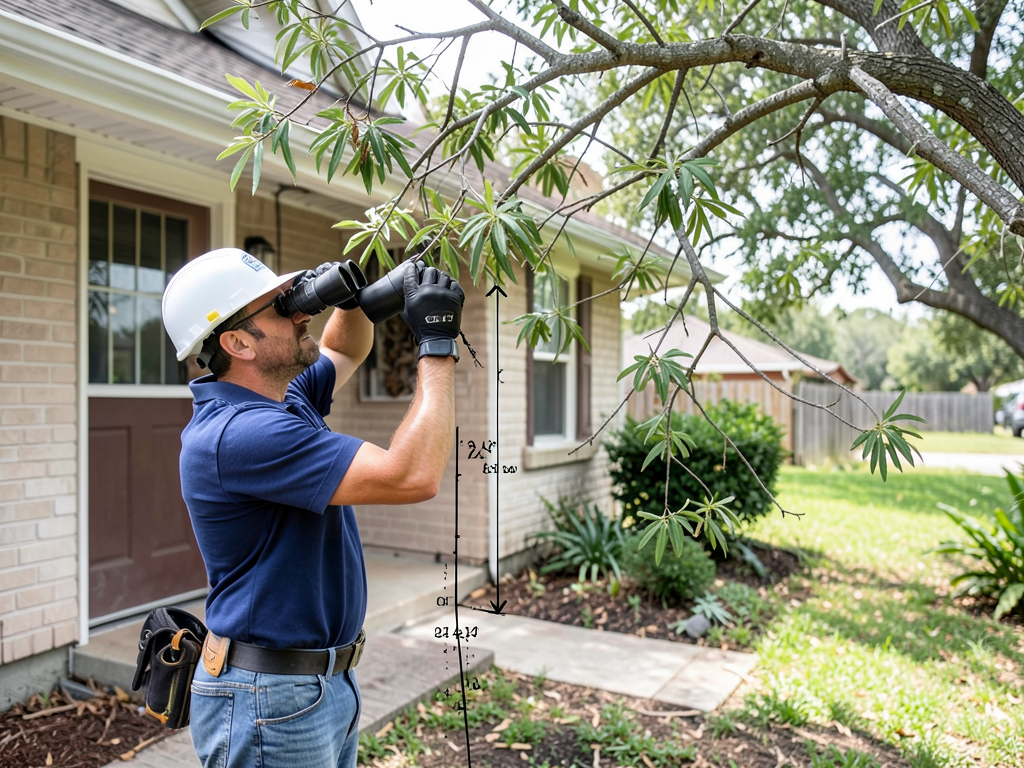
What to do when a neighbor's tree limbs are hanging over your roof in the Great Northwest Living in the…

What to do when a neighbor's tree limbs are hanging over your roof in the Great Northwest

What to do when a neighbor's tree limbs are hanging over your roof in the Great Northwest Living in the…

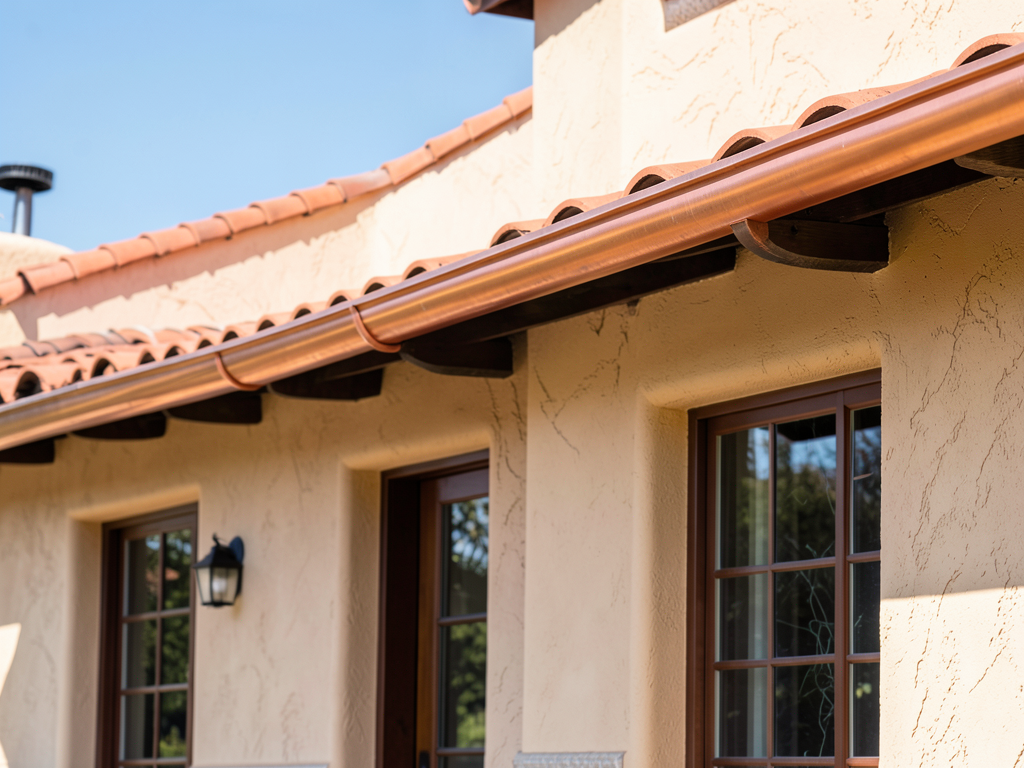
Adding instant curb appeal to your Terrell Hills home with copper gutters

Adding instant curb appeal to your Terrell Hills home with copper gutters Your Terrell Hills home deserves more than ordinary…

Why brand new homes in Redbird Ranch still need a yearly roof check

Why brand new homes in Redbird Ranch still need a yearly roof check Your brand new roof in Redbird Ranch…

Contact Us

Your roof is a critical asset. Stop managing emergency repairs and start planning long-term performance. Call Summit Roofing San Antonio at (726) 256-6199 to schedule your comprehensive roof analysis. We deliver solutions that protect your operations and reduce your total cost of ownership.