




Menu

Storm Damage Roof Repair in San Antonio – 24/7 Emergency Response Teams Dispatched Within 60 Minutes

When severe weather strikes San Antonio, our storm damage roofing contractors protect your home from secondary water damage with immediate tarping, emergency structural assessment, and insurance documentation that gets your claim approved faster.

Slider Image 1
Slider Image 2
Slider Image 3
Slider Image 4
Slider Image 5
Slider Image 7
Slider Image 8
Slider Image 9
Slider Image 10
Slider Image 11

San Antonio Storm Damage Strikes Without Warning

You heard the hail pounding your roof at 2 a.m. Now you see water stains spreading across your ceiling, and you need help right now.

San Antonio sits in a weather corridor that brings severe thunderstorms, hail events, and occasional tropical systems that tear through neighborhoods from Alamo Heights to Stone Oak. The combination of intense summer heat and sudden temperature drops creates hail conditions that punch holes through composition shingles and crack clay tiles. When storm cells move northeast from the Gulf, they intensify over Central Texas and drop golf ball sized hail that destroys roof systems in minutes.

The real danger starts after the storm passes. Missing shingles expose underlayment to UV degradation. Compromised flashing around chimneys and skylights allows water into your attic space. Cracked tiles create entry points for driving rain. Every hour you wait increases the risk of interior damage, mold growth in your insulation, and structural wood rot in your decking.

Emergency storm roof repair means stopping water intrusion immediately. You need storm damage restoration crews who arrive with tarps, fasteners, and the technical knowledge to stabilize your roof system before the next weather event hits. San Antonio's unpredictable spring and summer storm patterns mean you cannot wait until Monday morning or next week. Secondary water damage costs more to repair than the initial storm impact.

The clock is running. Your roof is vulnerable right now.

San Antonio Storm Damage Strikes Without Warning
How We Stop Storm Damage From Becoming a Total Loss

How We Stop Storm Damage From Becoming a Total Loss

Summit Roofing San Antonio operates emergency response protocols designed specifically for severe weather roof repair situations.

Our dispatch system activates the moment you call. We send crews with industrial tarping materials, not the blue poly tarps from hardware stores that blow off in the next windstorm. We use reinforced vinyl tarps secured with battens screwed directly into intact roof decking. This creates a weatherproof barrier that holds for weeks if needed while we coordinate permanent repairs.

The assessment happens simultaneously. Our technicians document every impact point, measure hail strike diameters, photograph compromised flashing details, and map water intrusion pathways. We understand how insurance adjusters evaluate storm claims in Bexar County. We know what documentation State Farm, USAA, and Allstate require for approval. We measure slope ratios, identify code compliance issues, and note pre-existing conditions separate from storm damage.

We test for hidden damage that homeowners miss. Hail impacts create stress fractures in shingles that fail three months later. We check attic spaces for water stains on decking, inspect soffit vents for wind damage, and verify that ridge vents remained sealed. We pull back shingles at valley intersections where water concentrates during heavy rain.

You receive a detailed scope of work within 24 hours. We separate emergency stabilization from permanent repairs. We identify what your insurance should cover versus maintenance items you are responsible for. We coordinate directly with adjusters to fix storm damaged roofs correctly the first time.

What Happens When You Call for Storm Damage Help

Storm Damage Roof Repair in San Antonio – 24/7 Emergency Response Teams Dispatched Within 60 Minutes
01

Immediate Dispatch and Stabilization

We answer emergency calls 24 hours a day and dispatch crews within 60 minutes for active leaks. Our first priority is stopping water intrusion with professional tarping systems that protect your interior. We document the damage with time-stamped photos your insurance company needs. You get immediate protection while we develop the permanent repair plan.
02

Complete Damage Assessment

Our technicians perform a forensic inspection of your entire roof system. We measure impact sizes, identify compromised flashing, check valley metal integrity, and inspect decking from inside your attic. We separate storm damage from wear items. You receive a detailed report with photographs, measurements, and material specifications that insurance adjusters use to approve claims. We identify code upgrade requirements that apply to storm repairs.
03

Permanent Storm Restoration

Once your claim is approved, we schedule complete roof storm damage restoration. We remove damaged materials, replace compromised decking, install code-compliant underlayment, and apply impact-resistant shingles that meet San Antonio wind load requirements. We upgrade flashing details, seal penetrations correctly, and ensure proper attic ventilation. Your roof receives a system designed to survive the next storm that comes through.

Why San Antonio Homeowners Trust Us With Storm Emergencies

Storm damage roofing contractors flood into San Antonio after every hail event. They knock on doors with out-of-state license plates, promise to handle your insurance claim, and disappear before the work is complete.

Summit Roofing San Antonio operates from a local facility on the northeast side. We maintain an inventory of emergency materials so we do not run out of tarps during multi-day storm events. Our crews know San Antonio neighborhoods because we work here year-round. We understand that roofs in Olmos Park have different tile specifications than composition shingle homes in Schertz. We know which subdivisions have HOA architectural requirements that affect material choices.

We know San Antonio building codes for wind uplift ratings and how they changed after recent updates to the International Residential Code. We install underlayment that meets Texas Department of Insurance requirements for wind-driven rain resistance. We understand when you need upgraded flashing at roof-to-wall intersections and which valley details pass inspection.

Our relationship with local insurance adjusters matters during claims processing. We speak the same technical language. We provide documentation in the format adjusters expect. We attend on-site inspections to point out damage that photographs do not capture. We know the difference between cosmetic hail marks that do not require replacement and functional damage that compromises your roof system.

You need storm damage restoration from contractors who will be here next year when you need maintenance or have questions. We operate on reputation in a city where word travels fast through neighborhoods. We fix storm damaged roofs correctly because our business depends on your referral to your neighbors after the next hail event.

What You Get With Emergency Storm Response

Response Time That Matters

We dispatch emergency crews within 60 minutes for active leaks and schedule non-emergency assessments within 24 hours. Our teams work evenings and weekends because storms do not follow business hours. We arrive with proper equipment already loaded, not empty trucks that need to return for materials. You get professional tarping that stops water damage immediately, not temporary patches that fail in the next rain. We understand that every hour counts when your ceiling is dripping and your insulation is getting soaked.

Insurance Documentation You Need

Our assessment includes measurements, photographs, and technical descriptions that insurance companies require for claim approval. We identify pre-existing conditions separate from storm damage so adjusters do not deny your claim for undisclosed issues. We document wind direction, hail strike patterns, and water intrusion pathways that prove storm causation. We provide material specifications that match your existing roof system. We attend adjuster meetings to ensure nothing gets missed during inspection. You receive a detailed scope of work that becomes the basis for your insurance settlement.

Repairs That Last

We replace damaged materials with impact-resistant products rated for San Antonio wind loads and hail exposure. We install synthetic underlayment that will not deteriorate if your next roof lasts 25 years. We upgrade flashing details that failed during the storm using techniques that prevent future leaks. We replace damaged decking with properly fastened OSB or plywood that meets code. We ensure proper attic ventilation to prevent heat buildup that shortens shingle life. Your roof receives a complete system engineered to protect your home, not a patch job that barely passes inspection.

Support After Installation

We provide documentation of all work completed including material certifications and installation photos your insurance company keeps on file. We explain maintenance requirements that keep your roof in optimal condition between inspections. We remain available for questions about your new roof system and respond to any concerns that develop during the first year. We conduct follow-up inspections after major weather events to verify your roof performed as designed. You have a local company to call when you need advice or service, not an out-of-state contractor who left town after the last storm.

Frequently Asked Questions

You Have Questions,
We Have Answers

What is considered storm damage to a roof? +

Storm damage to a roof includes missing or cracked shingles, dented metal panels, punctures from hail or debris, and damaged flashing around vents or chimneys. In San Antonio, hail and wind from severe thunderstorms often leave bruising on asphalt shingles or crack roof tiles. You might see granule loss, exposed underlayment, or water stains inside your attic. Fallen tree limbs can create punctures or structural damage. Even if damage looks minor from the ground, hidden issues can lead to leaks. Get a professional inspection within 48 hours of a storm to document all damage before filing your insurance claim.

How much does insurance cover for roof damage? +

Insurance coverage depends on your policy's dwelling coverage limit, your deductible, and depreciation terms. Most policies cover the repair or replacement cost minus your deductible, which in San Antonio ranges from 1 to 2 percent of your home's insured value for wind and hail claims. If you have an actual cash value policy, expect depreciation deductions. Replacement cost coverage pays full repair costs without depreciation. Insurers send adjusters to assess damage and calculate payouts. You receive an initial check for immediate repairs, then a second payment after work is complete. Review your policy documents now to understand your coverage limits and deductible structure before you need to file.

Is it worth claiming roof damage on insurance? +

Yes, claiming roof damage is worth it when repair costs exceed your deductible and the damage threatens your home's integrity. A leaking roof causes mold, interior water damage, and structural decay that costs far more than your deductible. In San Antonio, storm damage often qualifies as a covered peril under homeowners insurance. Filing a claim protects your investment. Your premium may increase slightly, but ignoring damage can lead to claim denial later if secondary damage occurs. Insurance exists for this purpose. Document everything, get multiple estimates, and file promptly. Skipping a legitimate claim to avoid a rate bump can cost you thousands in uncovered future damage.

How do I get a new roof if I can't afford it? +

If you cannot afford a new roof, explore these options. File an insurance claim if storm damage caused the need. Many San Antonio roofing contractors offer financing plans or payment arrangements. Apply for a home equity loan or line of credit. Check if you qualify for city or county home repair assistance programs for low income homeowners. Some contractors work directly with your insurance company and collect payment after claim settlement. Emergency tarping stops immediate leaks while you secure funding. Avoid predatory contractors offering to waive your deductible, which is insurance fraud. Get written estimates, verify credentials, and ask about financing before signing any contract.

How do insurance companies decide how much to pay out? +

Insurance companies calculate payouts by sending an adjuster to inspect your roof and document damage. The adjuster measures the affected area, notes material type, checks for code upgrade requirements, and photographs everything. They use industry software like Xactimate to estimate repair costs based on local San Antonio labor rates and material prices. The payout equals the estimated repair cost minus your deductible and any depreciation if you have actual cash value coverage. Adjusters also review your policy limits and prior claims history. Insurers may issue partial payments, releasing full funds only after repairs are complete and invoiced. Always get your own inspection to compare findings.

Does homeowners insurance cover storm damage to roof? +

Yes, homeowners insurance covers storm damage to roofs when wind, hail, or debris from a covered weather event causes the loss. San Antonio policies typically include wind and hail as named perils. You pay your deductible, and insurance covers the rest up to your dwelling coverage limit. Coverage does not extend to damage from neglect, wear and tear, or poor maintenance. If your roof was already compromised before the storm, insurers may deny or reduce your claim. Keep maintenance records and photos of your roof's condition. File claims promptly after storms. Review your policy annually to confirm you have replacement cost coverage, not actual cash value.

What not to say to insurance adjuster roof? +

Never tell an insurance adjuster you are unsure when damage occurred, that your roof was old or poorly maintained, or that you waited months to report it. Do not admit to skipping inspections or ignoring prior leaks. Avoid exaggerating damage or speculating about causes. Never sign anything without reading it, accept a lowball estimate without a second opinion, or agree to a partial settlement that waives future claims. Stay factual. Provide documentation like photos, inspection reports, and storm dates. Answer questions directly but do not volunteer extra information. If the adjuster pressures you, pause the conversation and consult a local San Antonio roofing professional or public adjuster first.

Who pays for roof repairs? +

The responsible party depends on the damage cause. If storm damage occurred, your homeowners insurance pays after you meet your deductible. If a contractor caused damage during installation or repair, their liability insurance covers it. If a neighbor's tree falls on your roof, your insurance typically pays first, then may seek reimbursement from the neighbor's policy. If damage results from neglect or deferred maintenance, you pay out of pocket. For rental properties in San Antonio, landlords handle roof repairs unless tenant negligence caused the issue. Always document the damage source with photos and timestamps. File insurance claims within your policy's required timeframe to avoid denial.

What documentation do I need for a roof damage claim? +

You need photos and videos of all visible damage from multiple angles, including close ups of missing shingles, dents, and leaks. Document interior water stains and attic damage. Collect dated weather reports from the National Weather Service showing storm activity in San Antonio. Obtain a professional roof inspection report detailing damage scope and repair estimates. Gather your insurance policy documents, prior inspection records, and proof of maintenance like receipts for past repairs. Take photos of your entire roof before damage if possible. Keep a written timeline noting when you discovered damage. Submit contractor estimates and invoices. Organize everything in a file before contacting your insurance adjuster.

How long after a storm can you claim roof damage? +

Most San Antonio homeowners insurance policies require you to report damage promptly, often within one year of the storm event. Texas law does not set a specific deadline, but delays hurt your claim. File as soon as you discover damage, ideally within days or weeks. Waiting months raises red flags about whether the storm caused the issue or if wear and tear is responsible. Insurers may deny claims if you cannot prove the damage date or if secondary damage occurred due to delayed repairs. Immediate filing also prevents disputes over whether damage came from one storm or multiple events. Document and report fast.

Why San Antonio's Hail Corridor Makes Storm Damage Inevitable

San Antonio sits at the southern edge of Tornado Alley where Gulf moisture collides with dry air from West Texas. This creates severe thunderstorms with rotating updrafts that produce large hail from March through October. The hail falls with terminal velocity that punches through composition shingles, cracks clay and concrete tiles, and dents metal roofing. The I-35 corridor from San Antonio to Austin experiences concentrated hail events because storms intensify as they move northeast. Neighborhoods in Stone Oak, Alamo Ranch, and the Far West Side see repeated hail damage because they sit directly in the storm path.

San Antonio building codes require specific wind uplift ratings and fastening patterns for roof systems because of our exposure to severe weather. The City of San Antonio enforces International Residential Code provisions for high wind regions. Proper storm damage restoration means installing materials that meet these standards, not just replacing what was there before. Local building inspectors verify underlayment specifications, flashing details, and valley construction during permit inspections. Storm damage roofing contractors who work regularly in San Antonio understand these requirements and install systems that pass inspection the first time.
Roofing Services in The San Antonio Area

Explore our service coverage in and around San Antonio using the map below. Summit proudly serves residential and commercial clients throughout the region. Whether you're in the heart of the city or in the nearby suburbs, we’re just a call away. We make it easy to reach us for inspections, quotes, or emergency assistance. Your trusted roofing team is always nearby.

Address:
Summit Roofing San Antonio, 1100 NW Loop 410, Suite 700, San Antonio, TX, 78213

Additional Services We Offer

Our news updates

Latest Articles & News from The Blogs

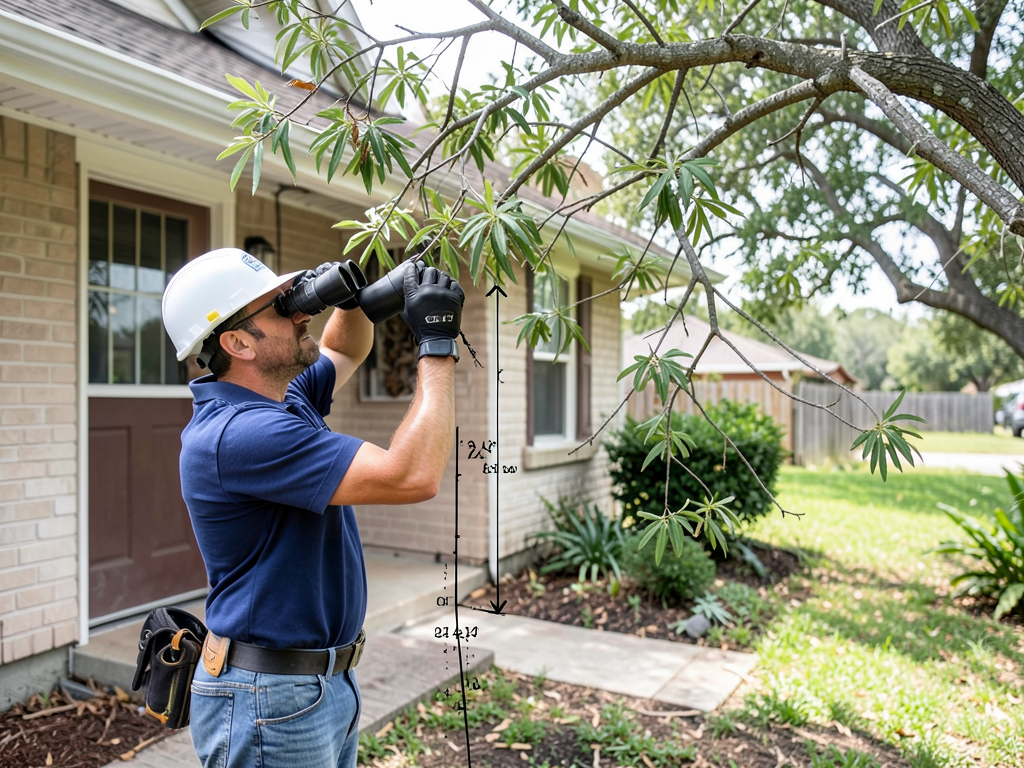
What to do when a neighbor's tree limbs are hanging over your roof in the Great Northwest Living in the…

What to do when a neighbor's tree limbs are hanging over your roof in the Great Northwest

What to do when a neighbor's tree limbs are hanging over your roof in the Great Northwest Living in the…

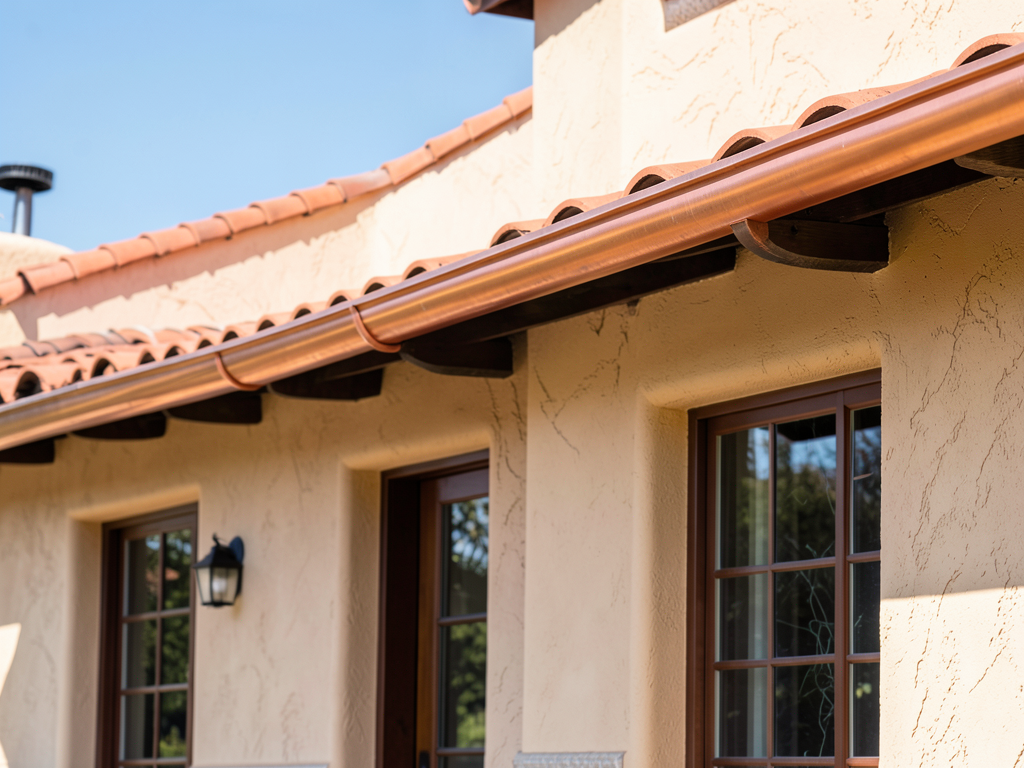
Adding instant curb appeal to your Terrell Hills home with copper gutters

Adding instant curb appeal to your Terrell Hills home with copper gutters Your Terrell Hills home deserves more than ordinary…

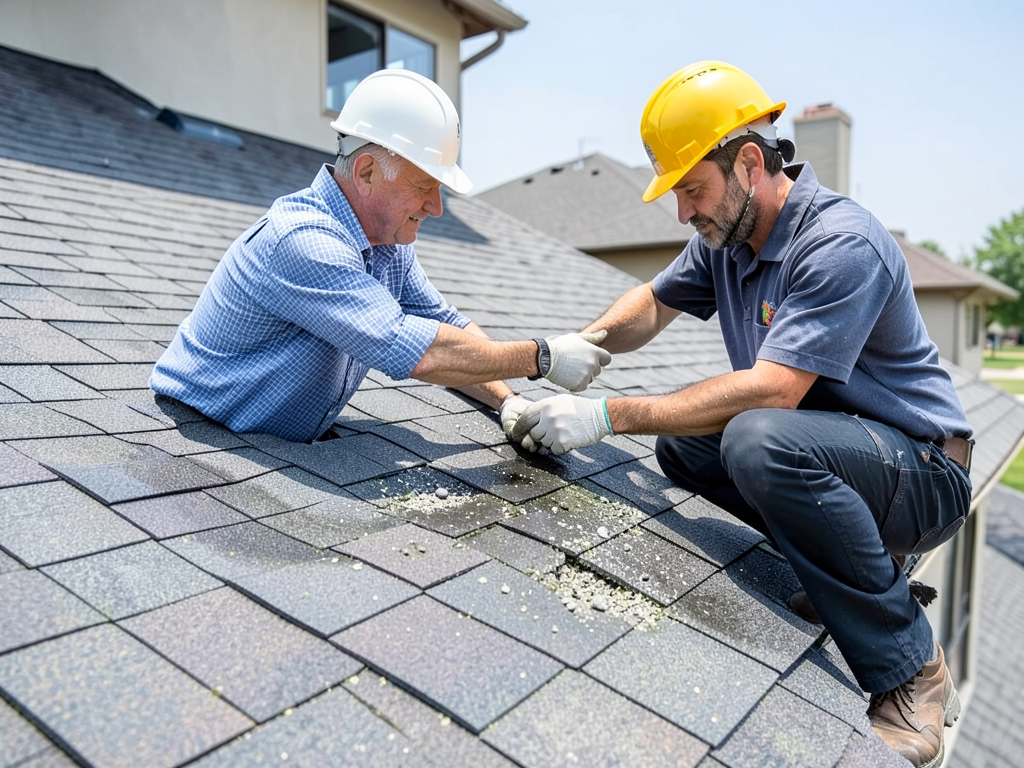
Why brand new homes in Redbird Ranch still need a yearly roof check

Why brand new homes in Redbird Ranch still need a yearly roof check Your brand new roof in Redbird Ranch…

Contact Us

Your roof is compromised and the forecast shows more rain coming. Call Summit Roofing San Antonio at (726) 256-6199 right now. We dispatch emergency crews 24/7 and arrive with professional tarping systems that stop water damage immediately. Do not wait until morning.

;