




Menu

Signs You Need a New Roof in San Antonio – How to Spot the Indicators Before Water Damage Starts

Learn the specific roof replacement indicators and symptoms of a failing roof so you can protect your home from costly water intrusion and structural damage before small problems become expensive emergencies.

Slider Image 1
Slider Image 2
Slider Image 3
Slider Image 4
Slider Image 5
Slider Image 7
Slider Image 8
Slider Image 9
Slider Image 10
Slider Image 11

San Antonio's Climate Accelerates Roof Aging

Your roof takes a beating in San Antonio. The intense UV exposure from over 220 sunny days each year breaks down asphalt shingle granules faster than in most regions. Summer temperatures push surface temperatures on dark roofs past 160 degrees, causing thermal cycling that cracks and curls shingles. When you add sudden hailstorms rolling off the Balcones Escarpment and occasional freezes that expand moisture trapped in compromised roofing materials, you get a perfect storm for accelerated roof failure.

Most homeowners miss the early indicators of roof failure. You might notice a few loose granules in your gutters or a small water stain on your ceiling and assume it can wait. That assumption costs San Antonio homeowners thousands in preventable damage every year. The clay soil common throughout Bexar County shifts with moisture changes, putting stress on your home's structure and roof attachment points. When your roof system is already weakened by sun damage, these foundation movements can create gaps in flashing and loosen fasteners.

Knowing how to tell if you need a new roof means understanding what normal aging looks like versus what signals imminent failure. The symptoms of a failing roof often appear subtle at first. A few cracked shingles near a vent pipe. Slight curling at the roof edges. Darker streaks that you assume are dirt. Each of these roof replacement indicators tells you something specific about the condition of your roofing system. Ignoring them does not make them go away. It just makes the eventual repair more expensive and more disruptive to your daily life.

San Antonio's Climate Accelerates Roof Aging
The Five Critical Warning Signs We Look For

The Five Critical Warning Signs We Look For

Summit Roofing San Antonio uses a systematic approach to roof assessment. We do not just look at surface conditions. We evaluate the entire roofing system from the decking up through the ridge cap.

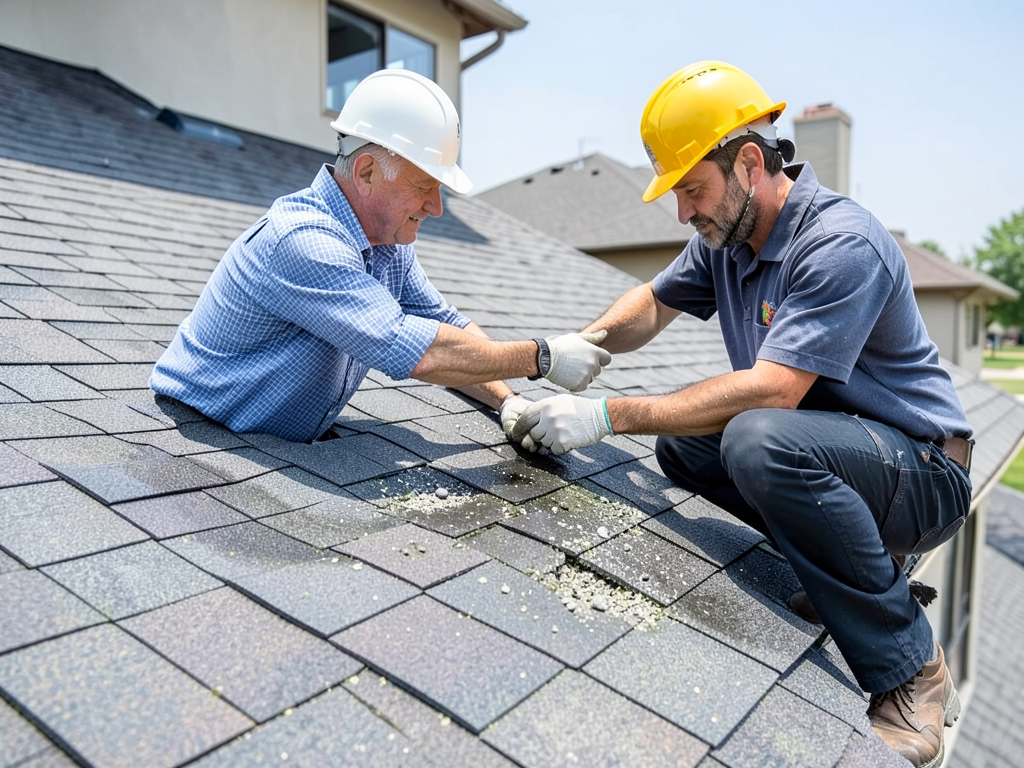
Shingle condition tells the first part of the story. When granule loss exposes the asphalt mat underneath, UV protection disappears and accelerated deterioration begins. We check for curling, cupping, and clawing at the shingle edges. These deformations indicate the asphalt has lost its flexibility due to age and heat exposure. Once shingles lose flexibility, they crack under thermal expansion and contraction.

Flashing integrity matters more than most homeowners realize. The metal or rubberized barriers around chimneys, vent pipes, and roof valleys prevent water intrusion at the most vulnerable points. We inspect every flashing joint for separation, rust-through on metal flashing, or cracking on rubber boot seals. A failed flashing seal allows water behind the shingles where it rots the decking and leads to interior leaks.

Decking condition determines whether you need a simple overlay or full tear-off. We look for sagging between rafters, which indicates water-damaged plywood or OSB sheathing. Soft spots, visible water stains on the underside, or actual holes in the decking mean the structural integrity is compromised. You cannot install a new roof over compromised decking. It will fail prematurely.

Ventilation and attic moisture get evaluated during every inspection. Poor attic ventilation traps heat and moisture, which attacks your roof from below. We check soffit vents, ridge vents, and gable vents to ensure adequate airflow. Inadequate ventilation can void shingle warranties and cut roof lifespan in half.

What Happens During Your Roof Assessment

Signs You Need a New Roof in San Antonio – How to Spot the Indicators Before Water Damage Starts
01

Visual Inspection

We start with a complete exterior inspection from ground level and then roof level when safe. Every slope gets photographed. We document granule loss patterns, shingle damage, flashing condition, and any signs of previous repairs. You receive photos of every problem area we identify. This visual record helps you understand exactly what we found and why we recommend specific repairs or replacement.
02

Attic and Interior Check

We inspect your attic space for water stains, mold growth, inadequate insulation, and ventilation problems. The underside of your roof deck reveals leak history that exterior inspections miss. We check for daylight penetration through the roof, measure insulation depth, and evaluate ventilation effectiveness. Interior ceiling stains get traced back to their roof penetration point so we can identify the exact failure location.
03

Written Report and Options

You receive a detailed written assessment with photos, condition ratings for each roof section, and clear recommendations. We explain whether you need immediate replacement, can wait a year or two with monitoring, or just need targeted repairs. When replacement is necessary, we provide material options with pros and cons for each. You get the information you need to make an informed decision without pressure tactics.

Why Local Expertise Matters for San Antonio Roofs

San Antonio roofing requires specific knowledge that out-of-town contractors do not possess. The building codes in Bexar County have specific requirements for wind uplift resistance, especially after the 2017 updates. We know exactly which underlayment specifications meet code and which shingle attachment patterns pass inspection. Using contractors unfamiliar with local code requirements leads to failed inspections and expensive rework.

The architectural styles throughout neighborhoods like Alamo Heights, Terrell Hills, and the historic King William District require sensitivity to aesthetic standards and sometimes historic preservation guidelines. We have worked on Spanish Colonial Revival homes with clay tile roofs, mid-century ranch homes with low-slope sections, and modern construction with complex roof geometries. Each style has specific vulnerabilities and appropriate repair approaches.

Our relationships with local suppliers mean we can get materials quickly when storm damage requires urgent replacement. After hail events, roofing materials become scarce as every damaged home tries to reroof simultaneously. Our established supply relationships keep your project moving instead of sitting in a queue for weeks waiting on shingle deliveries.

We understand the soil conditions and foundation movement patterns specific to different areas of San Antonio. Homes near Leon Creek deal with different drainage challenges than properties on the limestone hills north of Loop 1604. Foundation movement from expansive clay soils affects roof structure differently depending on your home's age and construction method. We account for these variables when assessing roof damage and recommending solutions.

Summit Roofing San Antonio has evaluated thousands of roofs across every neighborhood in the metro area. We know what normal aging looks like for 15-year-old composition shingles in Stone Oak versus similar materials in Southtown. That experience base helps us give you accurate assessments and realistic timelines for when to replace your roof.

What to Expect When You Call Us

Response Time and Scheduling

We schedule roof inspections within 48 hours of your call under normal conditions. If you have an active leak or recent storm damage, we can often arrange same-day or next-day assessment. The inspection itself takes 45 minutes to an hour depending on roof complexity and attic access. We work around your schedule and provide specific arrival windows so you do not waste your day waiting. After major hail events, scheduling extends due to high demand, but we prioritize active leaks and severe damage over routine inspections.

The Inspection Process

Our inspector arrives with a ladder, camera, moisture meter, and inspection checklist. We walk your property perimeter first, then access the roof if conditions are safe. You are welcome to accompany us through the attic inspection if you want to see the conditions firsthand. We point out specific problem areas and explain what caused the damage. The process is educational, not a sales pitch. You get honest assessments about whether you need replacement now or can wait.

The Written Assessment

You receive a comprehensive report with photos, condition ratings, and specific recommendations. We note the age of your current roof, estimated remaining lifespan, and priority level for each issue we found. If you need replacement, we provide material options with expected lifespans and price ranges. If repairs can extend your roof life by several years, we detail exactly what needs repair and why. The report gives you documentation to share with insurance companies or to get second opinions if desired.

Insurance and Documentation Help

When storm damage is involved, we provide documentation formatted for insurance claims. Our reports include the specific damage types, affected areas, and repair requirements in the language insurance adjusters expect. We can meet with your adjuster on-site to ensure they see all the damage we documented. If your claim gets denied and you disagree with the decision, our detailed report provides the evidence you need to appeal. We do not handle the claim for you, but we give you the documentation to support your case.

Frequently Asked Questions

You Have Questions,
We Have Answers

How do you know when it's time to replace your roof? +

You need a roof replacement when you see multiple warning signs together. Check for curling or missing shingles, granule loss in gutters, water stains on ceilings, or daylight through roof boards. In San Antonio, intense UV exposure and sudden hailstorms accelerate roof aging. If your roof is over 20 years old and shows two or more symptoms, replacement is likely necessary. A sagging roofline or widespread shingle damage means immediate action. Schedule a professional inspection to assess structural integrity and prevent interior water damage.

How much should it cost to put a new roof on? +

Roof replacement costs vary based on materials, roof size, pitch, and structural issues. San Antonio homeowners typically face higher costs due to heat-resistant material needs and potential hail damage repairs. Architectural shingles cost more than three-tab options but last longer under Texas sun. Factors include square footage, tear-off requirements, flashing replacement, and decking repairs. Complex roof designs with valleys or chimneys increase labor costs. Get three detailed quotes from local contractors familiar with San Antonio building codes to compare material quality and workmanship.

How to tell if a roof is going bad? +

A failing roof shows clear warning signs. Look for widespread granule loss on shingles, which appears as bald spots or dark patches. Check for curling, cracking, or missing shingles after San Antonio windstorms. Interior water stains, peeling paint, or mold growth indicate leaks. Sagging areas suggest structural damage from moisture. Inspect your attic for daylight through the roof deck or wet insulation. San Antonio's temperature swings cause shingle expansion and contraction, leading to premature failure. A professional inspection identifies hidden damage before small problems become costly emergencies.

What is the average cost of a new roof in Alabama? +

This question addresses Alabama pricing, which does not apply to San Antonio homeowners. Regional cost differences depend on local labor rates, material availability, and climate requirements. San Antonio roofing costs differ significantly from Alabama due to Texas building codes, weather patterns, and market conditions. Texas experiences different wind loads, hail frequency, and heat exposure than Alabama. For accurate San Antonio pricing information, consult local roofing contractors who understand Bexar County permit requirements and regional material performance standards specific to South Texas climate conditions.

How old may a roof be before insurance claims it's too old? +

Most insurance companies consider roofs over 20 years old as aged out for full replacement coverage. Many carriers switch from replacement cost coverage to actual cash value at the 15 or 20 year mark, meaning depreciation reduces your payout. In San Antonio, hail damage claims become harder to approve on older roofs. Some insurers require roof inspections on homes with roofs over 15 years old before issuing new policies. Document your roof age and maintenance records. Regular inspections and minor repairs help maintain coverage eligibility.

What is the most expensive part of replacing a roof? +

Labor represents the most expensive roof replacement component, often exceeding material costs. Skilled tear-off, proper installation, and safety measures require experienced crews. In San Antonio, heat conditions increase labor time and complexity. Roof decking repairs add significant costs when water damage has rotted the structure. Steep pitch or complex designs with multiple valleys increase labor hours. Flashing around chimneys, skylights, and penetrations requires precision work. Quality installation determines roof performance, so cutting labor costs often leads to premature failure and expensive callbacks.

How much is a new roof for a 2000 sq foot house? +

A 2000 square foot home typically requires 20 to 22 squares of roofing material, depending on roof pitch and complexity. San Antonio homeowners should factor in premium materials rated for high heat and UV exposure. Costs include tear-off, disposal, new underlayment, shingles, flashing, and ventilation upgrades. A simple gable roof costs less than a hip roof with dormers. Additional expenses include decking repairs if water damage exists. Local permit fees and potential HOA requirements affect total investment. Request itemized quotes from San Antonio contractors for accurate budgeting.

What is the average lifespan of a roof? +

Roof lifespan depends on material type and local climate conditions. In San Antonio, asphalt shingles last 15 to 25 years due to intense UV exposure and temperature extremes. Architectural shingles outlast three-tab versions by 5 to 10 years. Metal roofs perform 40 to 50 years, making them popular for Texas heat. Clay tile lasts 50 years or more but costs significantly more upfront. San Antonio's hailstorms and windstorms can shorten any roof's lifespan. Proper attic ventilation and regular maintenance extend durability regardless of material choice.

What is the cheapest way to do a new roof? +

The cheapest roof replacement uses basic three-tab asphalt shingles with minimal tear-off requirements. However, low cost often means short lifespan in San Antonio's harsh climate. Budget options skimp on underlayment quality, ventilation upgrades, and proper flashing details. Choosing inexperienced contractors to save money leads to callbacks and premature failure. A better approach balances cost with longevity. Mid-grade architectural shingles offer better wind resistance and heat reflection without premium pricing. Investing in proper installation and quality materials prevents expensive repairs within five years. Cheap roofs become costly mistakes.

Is roof damage covered under home insurance? +

Home insurance covers sudden roof damage from covered perils like hail, wind, or falling trees. San Antonio hailstorms frequently cause insurable damage. Insurance does not cover gradual deterioration, poor maintenance, or age-related wear. Most policies require damage exceeding your deductible before paying claims. Carriers inspect damage to verify storm dates and rule out pre-existing conditions. Document damage immediately with photos and file claims promptly. Actual cash value policies reduce payouts based on roof age. Replacement cost coverage provides better protection but costs more in premiums.

How San Antonio's Hail Belt Affects Your Roof Replacement Timeline

San Antonio sits in a particularly active hail corridor where storms tracking northeast from Mexico meet the Balcones Escarpment and intensify. The elevation change creates updrafts that produce large hail with surprising frequency. When hail damage occurs, the indicators of roof failure appear immediately in the form of bruised or cracked shingles, damaged flashing, and granule loss. However, some damage remains hidden until weeks later when thermal cycling causes those bruised areas to crack and leak. This delayed failure pattern means when to replace your roof after hail damage requires professional assessment, not just a visual check from the ground.

The roofing contractors you choose need specific experience with insurance claims and hail damage documentation. Poor documentation leads to claim denials even when legitimate damage exists. We have worked with every major insurance carrier operating in Bexar County and understand exactly what evidence they require to approve claims. Our familiarity with local building inspectors and permit processes keeps your replacement project moving smoothly through approval and final inspection. That local knowledge prevents the delays and complications that frustrate homeowners who hire storm-chasing contractors from out of state.
Roofing Services in The San Antonio Area

Explore our service coverage in and around San Antonio using the map below. Summit proudly serves residential and commercial clients throughout the region. Whether you're in the heart of the city or in the nearby suburbs, we’re just a call away. We make it easy to reach us for inspections, quotes, or emergency assistance. Your trusted roofing team is always nearby.

Address:
Summit Roofing San Antonio, 1100 NW Loop 410, Suite 700, San Antonio, TX, 78213

Additional Services We Offer

Our news updates

Latest Articles & News from The Blogs

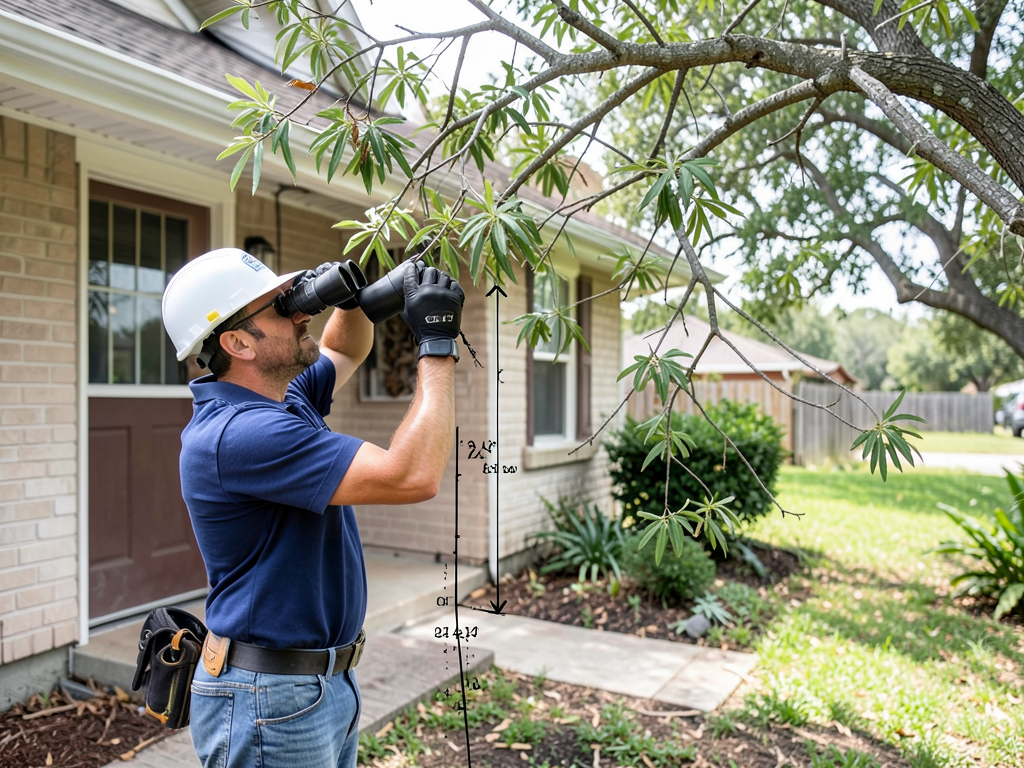
What to do when a neighbor's tree limbs are hanging over your roof in the Great Northwest Living in the…

What to do when a neighbor's tree limbs are hanging over your roof in the Great Northwest

What to do when a neighbor's tree limbs are hanging over your roof in the Great Northwest Living in the…

Adding instant curb appeal to your Terrell Hills home with copper gutters

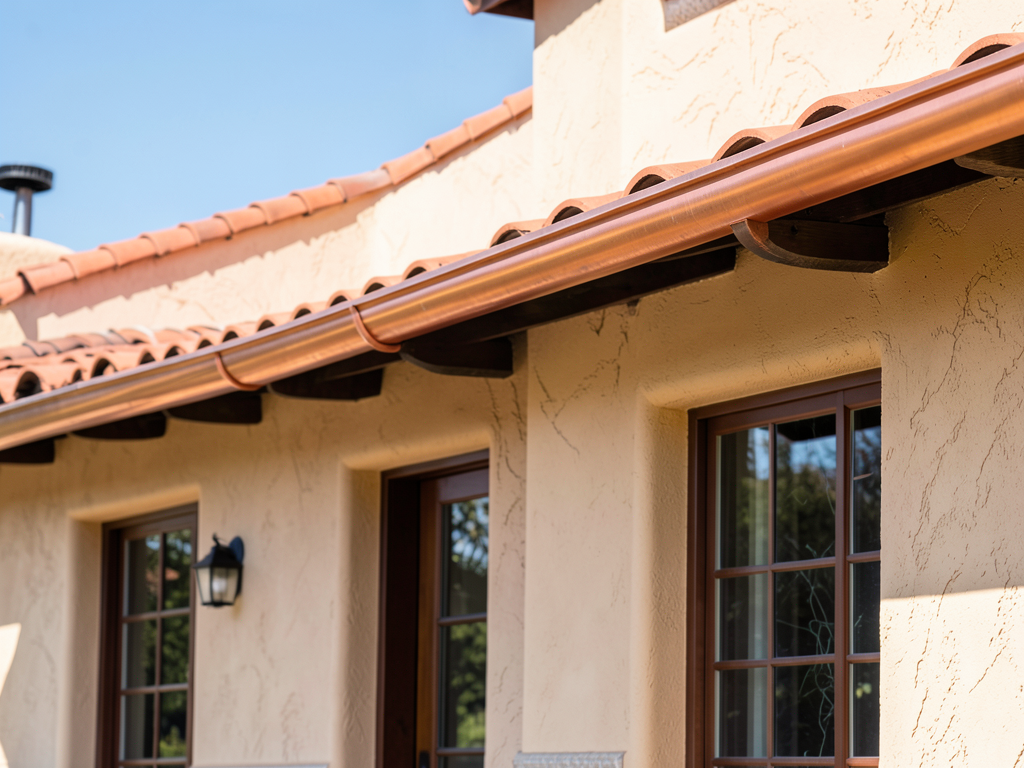
Adding instant curb appeal to your Terrell Hills home with copper gutters Your Terrell Hills home deserves more than ordinary…

Why brand new homes in Redbird Ranch still need a yearly roof check

Why brand new homes in Redbird Ranch still need a yearly roof check Your brand new roof in Redbird Ranch…

Contact Us

Do not wait until small problems become expensive water damage. Call Summit Roofing San Antonio at (726) 256-6199 to schedule your comprehensive roof inspection. We provide honest assessments, detailed documentation, and clear recommendations.

;