




Menu

Benefits of Cool Roofs in San Antonio – Cut Your Summer Energy Bills by Up to 30%

Discover how reflective roofing technology reduces attic temperatures by 30 to 50 degrees in San Antonio's brutal heat, protecting your home while lowering air conditioning costs year after year.

Slider Image 1
Slider Image 2
Slider Image 3
Slider Image 4
Slider Image 5
Slider Image 7
Slider Image 8
Slider Image 9
Slider Image 10
Slider Image 11

Why San Antonio's Climate Makes Cool Roofing Essential

San Antonio's summer heat is relentless. When the sun beats down on traditional dark shingles, your roof surface can reach 170 degrees or higher. That heat radiates straight into your attic, forcing your air conditioning system to work overtime for months on end.

The advantages of cool roofing become obvious when you understand thermal dynamics. A standard asphalt roof absorbs 80 to 90 percent of solar radiation. That energy transfers into your living space, creating hotspots in upstairs bedrooms and driving utility bills skyward. You notice the strain on your HVAC system, the uneven temperatures between floors, and the monthly shock when your electric bill arrives.

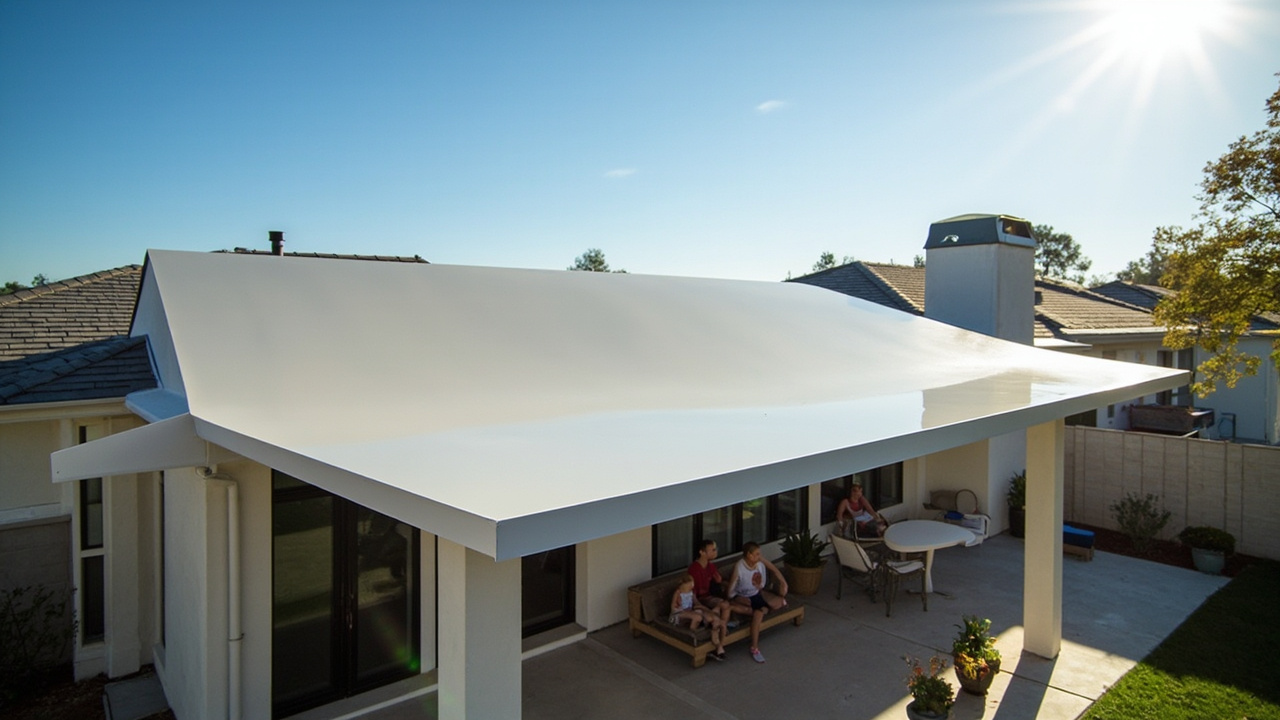
Cool roof energy savings start with reflective roofing materials that bounce solar radiation away before it penetrates your home. White or specially coated shingles reflect 50 to 85 percent of sunlight, depending on the product. This simple physics principle keeps your attic cooler, reduces thermal stress on your roof structure, and extends the lifespan of your entire roofing system.

The pros of cool roofs extend beyond energy savings. Lower surface temperatures mean less thermal expansion and contraction, which reduces cracking and warping over time. Your shingles last longer. Your decking stays structurally sound. Your home stays comfortable without constantly adjusting the thermostat.

San Antonio residents deal with intense UV exposure year-round. Traditional roofing materials degrade faster under this constant bombardment. Reflective roofing benefits include slower aging, less frequent repairs, and a roof that maintains its protective function longer.

Why San Antonio's Climate Makes Cool Roofing Essential
How Reflective Roofing Technology Works

How Reflective Roofing Technology Works

Cool roofing relies on two measurable properties: solar reflectance and thermal emittance. Solar reflectance measures how much sunlight bounces off the surface rather than absorbing into the material. Thermal emittance measures how efficiently the roof releases any heat it does absorb back into the atmosphere.

Traditional dark shingles score around 0.05 to 0.15 on the reflectance scale, where 1.0 represents perfect reflection. Cool roof products score 0.25 to 0.65 or higher, depending on color and coating technology. That difference translates directly to lower surface temperatures and reduced heat transfer into your home.

The technology comes in several forms. Reflective asphalt shingles use specially formulated granules that reflect infrared radiation while maintaining traditional appearance options. Metal roofing with reflective coatings offers even higher performance, bouncing back up to 70 percent of solar energy. Tile and concrete products can be manufactured with light pigments or coated with reflective sealants after installation.

Summit Roofing San Antonio evaluates your existing roof structure, insulation levels, and ventilation before recommending cool roofing products. The system works best when paired with adequate attic ventilation, which allows hot air to escape even as less heat enters from above. We measure attic temperatures before and after installation to document performance.

White roof advantages are most dramatic in cooling-dominated climates like ours. The energy penalty in winter is minimal because San Antonio's heating season is short and mild. Your annual energy balance heavily favors cooling load reduction, making cool roofing one of the most cost-effective upgrades you can make.

The materials themselves have evolved. Early cool roofs sacrificed aesthetics for performance. Modern products come in dozens of colors, textures, and styles that meet architectural requirements while delivering measurable thermal performance.

What Installing a Cool Roof Actually Involves

Benefits of Cool Roofs in San Antonio – Cut Your Summer Energy Bills by Up to 30%
01

Thermal Performance Assessment

We start by measuring your current attic temperatures and reviewing your energy usage patterns. This baseline data lets us calculate projected savings and recommend the right reflective product for your home. We inspect existing ventilation, evaluate sheathing condition, and identify any moisture issues that need addressing before new roofing goes on. You get concrete numbers, not marketing claims.
02

Material Selection and Staging

We match cool roofing products to your home's architecture and your performance goals. You see samples, review solar reflectance ratings, and understand the tradeoffs between different materials. We schedule delivery to minimize disruption and stage materials efficiently on site. Our crews prepare the workspace, protect your landscaping, and ensure all products meet manufacturer specifications before installation begins.
03

Installation and Performance Verification

Installation follows manufacturer protocols exactly, ensuring warranty compliance and optimal thermal performance. We pay attention to flashing details, ridge ventilation, and proper fastener placement. After completion, we take follow-up temperature readings to document the improvement. You receive maintenance guidelines specific to reflective roofing, along with documentation of your system's thermal performance ratings for future reference.

Why Local Knowledge Matters for Cool Roof Selection

San Antonio's building environment presents specific challenges that generic roofing contractors miss. Our clay soil expands and contracts with moisture changes, causing foundation movement that stresses roof structures. Cool roofing installations must account for this movement with proper flashing techniques and flexible sealing methods.

Local building codes require specific wind ratings for roofing materials. San Antonio sits far enough inland to avoid hurricane-force winds but close enough to experience severe thunderstorm systems with straight-line wind events. Cool roofing products must meet these wind resistance standards while delivering thermal performance. Not all reflective shingles carry the necessary ratings for our area.

Summit Roofing San Antonio understands the architectural context of different neighborhoods. Historic districts near downtown have design review requirements that limit roofing material choices. We work within these constraints to maximize reflective performance while maintaining aesthetic compliance. The Stone Oak and Alamo Heights areas feature specific home styles where certain cool roofing products integrate better than others.

We also understand the local energy landscape. CPS Energy offers rebates for qualified cool roofing installations. We handle the documentation and verification process, ensuring you capture available incentives. Many homeowners miss these opportunities because they work with contractors unfamiliar with local utility programs.

The advantages of cool roofing multiply when installation accounts for San Antonio's specific conditions. Our crews work through scorching summers, so we schedule installations during optimal temperature windows to ensure proper sealant curing and adhesive performance. We source materials from regional suppliers who understand our climate requirements.

Local expertise also means accountability. We maintain relationships throughout the community. Our reputation depends on long-term performance, not quick installations. You get straight answers about what cool roofing can and cannot accomplish in this climate.

What You Can Expect from Cool Roof Installation

Project Timeline and Scheduling

Most residential cool roof installations take two to four days, depending on roof complexity and size. We schedule around weather patterns, avoiding extreme heat days when material handling becomes difficult. You get a detailed timeline before work begins, with clear communication about daily progress. We coordinate debris removal continuously, so your property stays clean throughout the process. If we encounter unexpected damage during tear-off, we stop, explain the situation, document the issue with photos, and provide options before proceeding. No surprises.

Initial Consultation and Measurement

Your consultation includes roof measurements, slope calculations, and thermal imaging if conditions warrant. We evaluate your current insulation levels and attic ventilation because these factors impact cool roofing performance. You receive a written assessment explaining how different reflective products will perform on your specific home. We discuss color options, material differences, and realistic energy savings projections based on your home's characteristics. This takes 60 to 90 minutes, and you leave with concrete information, not sales pressure.

Installation Quality and Performance

Our crews follow NRCA installation standards and manufacturer specifications exactly. Each shingle gets the correct number of fasteners in the right locations. Flashing receives proper sealant application. Ridge vents get adequate clearance for airflow. We photograph critical details during installation to document proper technique. You see immediate temperature differences in your attic within days of completion. Most homeowners notice reduced air conditioning runtime within the first billing cycle. The roof surface stays noticeably cooler to the touch on sunny afternoons.

Product Warranties and Long-Term Support

Cool roofing products carry manufacturer warranties ranging from 30 to 50 years, depending on the material grade you select. These warranties cover material defects, not installation errors, which is why proper installation matters. We provide separate workmanship warranties covering our installation quality. You receive all warranty documentation, product specifications, and maintenance guidelines at project completion. We recommend annual inspections to catch minor issues before they become problems. Reflective coatings may need reapplication after 10 to 15 years to maintain peak thermal performance, depending on the product type.

Frequently Asked Questions

You Have Questions,
We Have Answers

What are the disadvantages of a cool roof? +

Cool roofs can reduce heating efficiency during San Antonio's mild winters, though this trade-off is minimal given our climate. The initial cost runs higher than standard roofing materials. Some light-colored coatings may show dirt or discoloration over time, requiring occasional cleaning. In shaded properties with heavy tree cover, the cooling benefits diminish. Certain cool roof products have shorter track records than traditional materials, so performance data remains limited. For most San Antonio homes facing intense summer heat and high cooling bills, these drawbacks are minor compared to energy savings. Your specific property orientation and roof pitch influence whether disadvantages outweigh benefits.

What are the benefits of a cold roof? +

Cold roofs reflect solar radiation and reduce heat transfer into your home, lowering cooling costs during San Antonio's brutal summer months. They decrease attic temperatures by 20 to 50 degrees, extending HVAC lifespan and reducing strain on air conditioning systems. Your utility bills drop because your AC unit runs less frequently. Cold roofs also reduce urban heat island effect in dense neighborhoods across the San Antonio metro. They protect roofing materials from thermal degradation, extending roof lifespan. Many products qualify for energy efficiency rebates through CPS Energy. They improve indoor comfort in second-story rooms and reduce temperature fluctuations throughout your home.

Do cool roof shingles qualify for tax credits? +

Cool roof shingles may qualify for federal energy efficiency tax credits under the Inflation Reduction Act, depending on product certification. The material must meet ENERGY STAR requirements and have proper Solar Reflectance Index ratings. You can claim 30% of installation costs up to specific limits for qualified improvements. Keep your manufacturer certifications and receipts for IRS documentation. CPS Energy also offers rebates for energy-efficient roofing in San Antonio, separate from federal credits. Consult a tax professional to confirm eligibility based on your specific product choice and installation year. Credit availability and requirements change, so verify current IRS guidelines before purchasing.

Are cool roof tiles good or bad? +

Cool roof tiles work exceptionally well in San Antonio's climate. They reflect sunlight rather than absorbing it, keeping your home cooler and reducing AC demand. Concrete and clay tiles with reflective coatings combine durability with thermal performance. They resist hail damage common during spring storms and handle high wind loads. Tiles last 40 to 50 years, outlasting asphalt shingles. The main drawbacks are higher upfront cost and structural load requirements. Your roof deck must support the extra weight. For homes in historic districts or Spanish Colonial style neighborhoods, cool tiles maintain architectural character while improving energy performance.

Is a cool roof worth it? +

Yes, cool roofs deliver strong value in San Antonio. You will see 10% to 30% reductions in cooling costs during summer months when AC systems dominate energy bills. The roof protects itself from thermal damage, extending lifespan and delaying replacement. Your home stays more comfortable, especially in upstairs rooms. Resale value improves as buyers prioritize energy efficiency. The initial premium pays back through utility savings within 5 to 10 years for most installations. With San Antonio's 100-plus degree days and intense UV exposure, cool roofs address the primary stress on your home. Factor in CPS Energy rebates and federal tax credits to improve return on investment.

Why do insurance companies not like metal roofs? +

Insurance companies sometimes charge higher premiums for metal roofs because of perceived increased lightning strike risk and complexity in claims adjustment. Metal conducts electricity, though proper grounding eliminates danger. Adjusters struggle to assess hail damage on metal since denting differs from shingle damage. Some insurers lack experience evaluating metal roof lifespan and repair costs. However, many San Antonio insurers now offer discounts for metal roofs because they resist wind damage, fire, and impact better than asphalt. Metal roofs earn Class 4 impact ratings and high wind ratings. Shop carriers familiar with metal roofing to find competitive rates.

How long does a cool roof last? +

Cool roofs last 20 to 50 years depending on material type. Metal cool roofs reach 40 to 50 years with minimal maintenance. Cool membrane systems on flat roofs last 20 to 30 years. Reflective coatings applied over existing roofs need reapplication every 10 to 15 years. Asphalt shingles with cool granules last 20 to 25 years in San Antonio's climate. Concrete and clay tiles with reflective finishes last 40 to 50 years. The intense UV exposure and temperature swings in San Antonio stress all roofing materials. Cool roofs protect themselves from thermal cycling, often outlasting standard materials by 5 to 10 years.

Does a cold roof need venting? +

Yes, cold roofs require proper attic ventilation to prevent moisture accumulation. San Antonio's humidity creates condensation risk when warm interior air meets cooler roof surfaces. Ridge vents, soffit vents, and gable vents maintain airflow and exhaust moisture. Ventilation also helps manage summer heat that penetrates even reflective roofing. Without adequate airflow, you risk mold growth, wood rot, and insulation damage. Calculate ventilation needs based on attic square footage using the one square foot of ventilation per 150 square feet of attic space rule. Balance intake and exhaust vents for optimal performance. Proper ventilation protects your investment and maximizes cool roof benefits.

Does a metal roof affect WiFi? +

Metal roofs can interfere with WiFi signals and cellular reception, though the effect varies. Metal reflects and absorbs radio frequencies, creating dead zones in some areas of your home. The impact depends on roof thickness, antenna placement, and router location. Most San Antonio homeowners resolve issues by relocating routers to central positions or adding mesh network extenders. External antennas for cellular boosters can bypass interference. Modern WiFi systems with multiple access points minimize disruption. If you rely on satellite internet, metal roofs pose no issue since the dish mounts externally. Test signal strength before installation if connectivity is critical.

What is the $6000 tax credit? +

The $6,000 tax credit likely refers to residential clean energy credits under the Inflation Reduction Act. Homeowners can claim 30% of qualified energy efficiency improvements, including roofing materials meeting ENERGY STAR standards. The annual limit reaches $1,200 for most improvements, but specific items like heat pumps qualify for higher credits. Cool roofs fall under the efficiency improvement category with a $600 annual cap for roofing materials. You might reach $6,000 by combining multiple improvements across tax years. Consult IRS Form 5695 for exact requirements. Work with a tax professional to maximize available credits for your San Antonio home improvement project.

How San Antonio's Urban Heat Island Effect Magnifies Cool Roof Benefits

San Antonio's downtown core and densely developed areas run 5 to 8 degrees hotter than surrounding rural areas during summer months. This urban heat island effect concentrates in neighborhoods with extensive pavement, limited tree cover, and traditional dark roofing. Stone Oak, The Dominion, and similar developments show measurable temperature differences compared to less developed areas. Cool roof energy savings increase in these hot zones because your air conditioning fights both outdoor temperature and radiant heat from surrounding structures. Reflective roofing benefits compound when multiple homes in a neighborhood adopt the technology, creating cooler microclimates that reduce everyone's cooling load.

San Antonio enforces the International Building Code with local amendments specific to our climate and construction patterns. Cool roofing installations must meet these standards while delivering thermal performance. Summit Roofing San Antonio maintains relationships with local building inspectors and stays current on code changes affecting roofing materials and ventilation requirements. We pull proper permits for every installation, ensuring your cool roof meets legal requirements and maintains your home's insurability. Our familiarity with San Antonio's inspection process prevents delays and ensures your project passes review on the first attempt.
Roofing Services in The San Antonio Area

Explore our service coverage in and around San Antonio using the map below. Summit proudly serves residential and commercial clients throughout the region. Whether you're in the heart of the city or in the nearby suburbs, we’re just a call away. We make it easy to reach us for inspections, quotes, or emergency assistance. Your trusted roofing team is always nearby.

Address:
Summit Roofing San Antonio, 1100 NW Loop 410, Suite 700, San Antonio, TX, 78213

Additional Services We Offer

Our news updates

Latest Articles & News from The Blogs

What to do when a neighbor's tree limbs are hanging over your roof in the Great Northwest Living in the…

What to do when a neighbor's tree limbs are hanging over your roof in the Great Northwest

What to do when a neighbor's tree limbs are hanging over your roof in the Great Northwest Living in the…

Adding instant curb appeal to your Terrell Hills home with copper gutters

Adding instant curb appeal to your Terrell Hills home with copper gutters Your Terrell Hills home deserves more than ordinary…

Why brand new homes in Redbird Ranch still need a yearly roof check

Why brand new homes in Redbird Ranch still need a yearly roof check Your brand new roof in Redbird Ranch…

Contact Us

Ready to cut your energy bills and protect your home? Call Summit Roofing San Antonio at (726) 256-6199 for a no-obligation thermal assessment. We measure your current roof performance, explain your cool roofing options, and provide realistic savings projections specific to your home.

;