




Menu

Class 4 Impact Resistant Shingles in San Antonio | Built to Survive Texas Hailstorms

UL 2218 Class 4 shingles protect your San Antonio home from severe weather damage, qualify you for insurance discounts, and last up to 50% longer than standard roofing materials in our unpredictable Hill Country climate.

Slider Image 1
Slider Image 2
Slider Image 3
Slider Image 4
Slider Image 5
Slider Image 7
Slider Image 8
Slider Image 9
Slider Image 10
Slider Image 11

Why San Antonio Roofs Take Beating From Hail

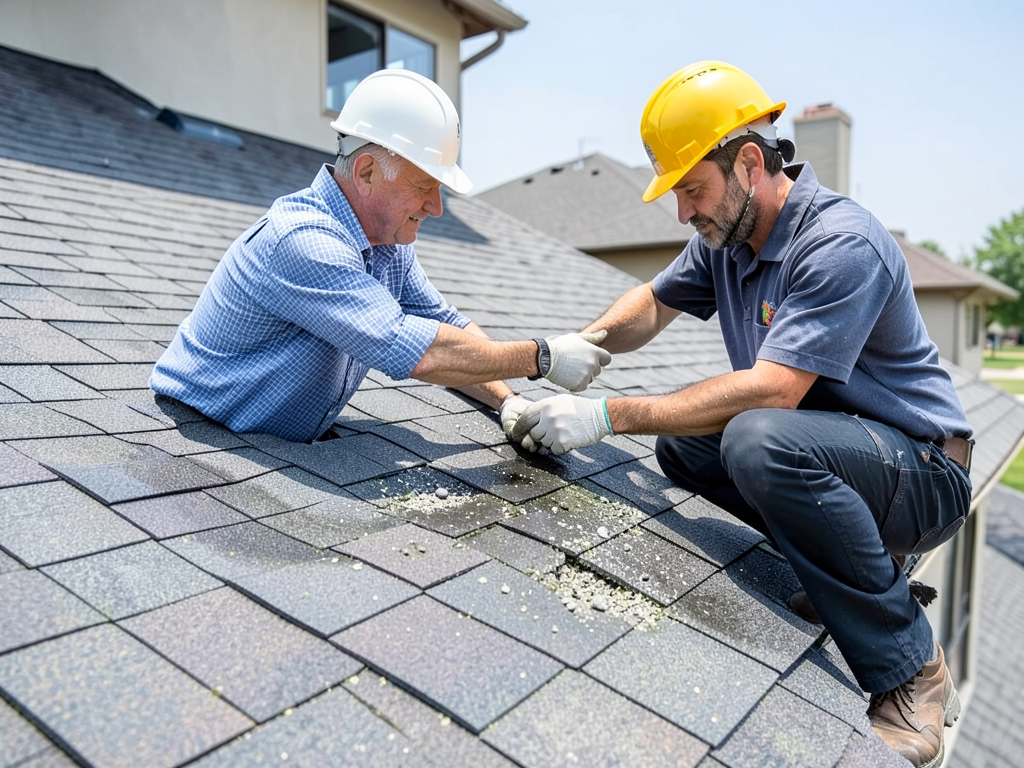
San Antonio sits in a hail danger zone. The convergence of Gulf moisture and Hill Country elevation creates violent updrafts during spring storm season. Between March and May, supercells dump golf ball-sized hail across Bexar County with alarming frequency. Your standard asphalt shingles crack, fracture, and lose granules after just one significant hail event.

Most homeowners discover the damage months later when leaks appear in the ceiling. By then, water has infiltrated the decking, compromised attic insulation, and created conditions for mold growth in our humid climate. A single undetected hail strike can cascade into thousands in repair costs.

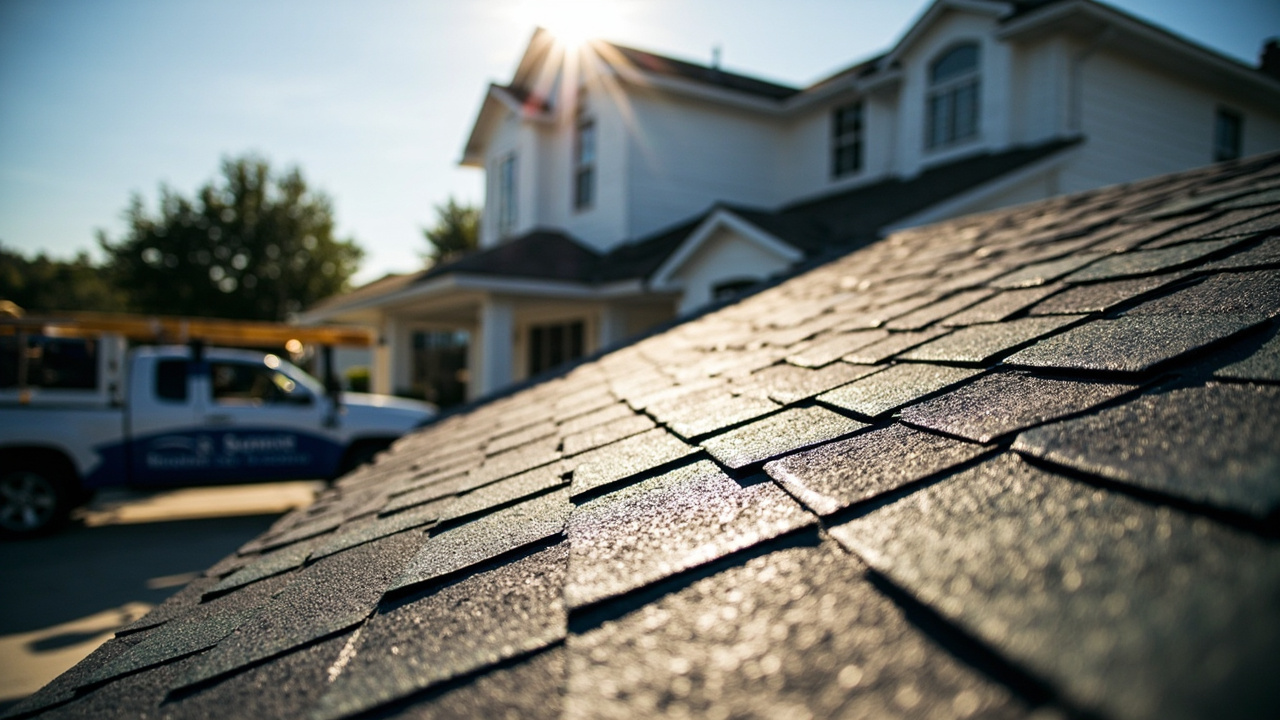
Class 4 impact resistant shingles solve this problem at the material level. These IR asphalt shingles feature a reinforced backing mat and enhanced adhesive strips that absorb impact energy instead of transferring it through to your roof deck. When hail strikes, the shingle flexes and rebounds rather than shattering like ceramic tile.

The UL 2218 testing standard drops steel balls from 20 feet onto shingle samples. Class 4 roofing shingles survive two impacts in the same spot without cracking. Standard shingles fail on the first hit. That difference matters when a ten-minute hailstorm pelts your roof with hundreds of projectiles.

Hail resistant shingles also perform better in San Antonio's temperature swings. Our winters drop to freezing while summer roof surface temperatures reach 160 degrees. Impact rated shingles maintain flexibility across this range, reducing thermal stress cracking that shortens roof lifespan in our climate.

Why San Antonio Roofs Take Beating From Hail
How Class 4 Shingles Work Differently

How Class 4 Shingles Work Differently

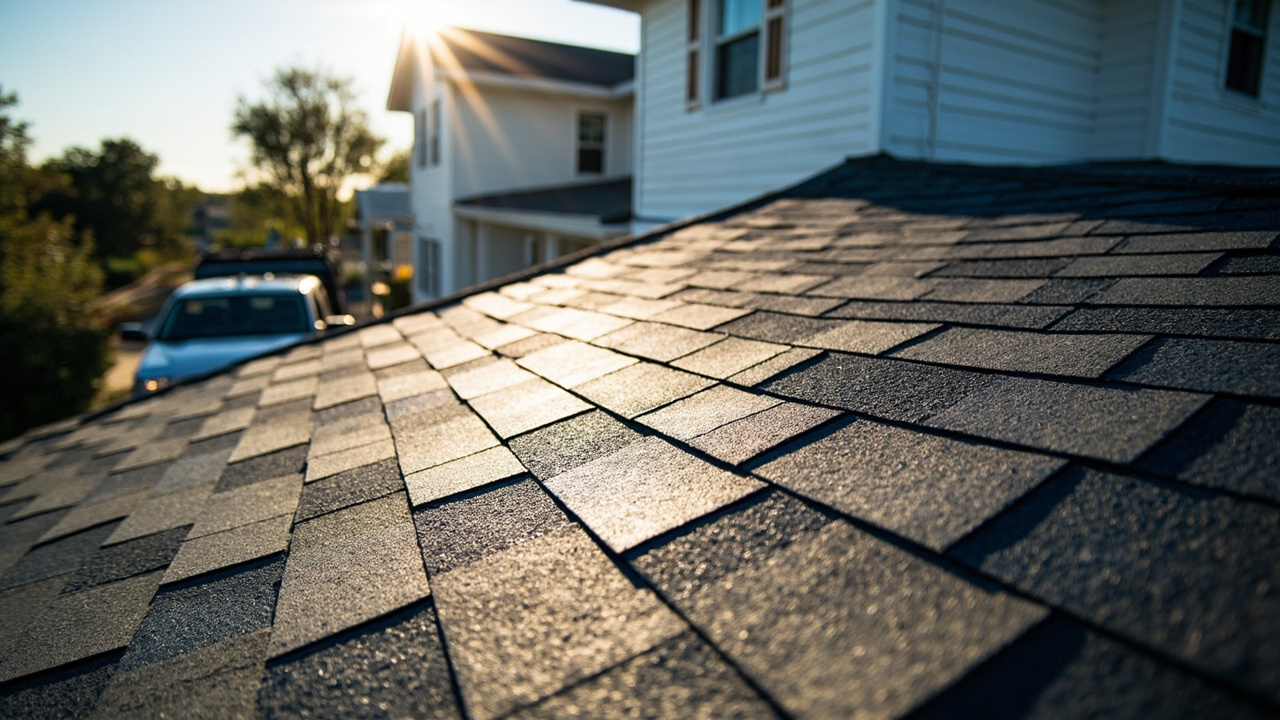
The engineering behind UL 2218 Class 4 shingles centers on a polymer-modified asphalt formulation bonded to a heavy-duty reinforcement mat. This base layer absorbs kinetic energy that would otherwise transfer through standard organic or fiberglass mats directly to the roof deck. The result is a shingle that dissipates impact force across a larger surface area.

Manufacturers achieve Class 4 rating through different methods. Some use SBS polymer modification, which creates a rubberized asphalt that remains flexible in cold weather. Others incorporate a woven fabric scrim layer between the asphalt and backing. A few premium lines add impact-resistant granules that create a harder surface shell while maintaining flexibility underneath.

The nailing zone on impact rated shingles is reinforced to prevent tear-through during high winds. San Antonio experiences straight-line winds exceeding 70 mph during severe thunderstorms. Standard shingles tear at the nail line when wind gets underneath the tab. Class 4 products include a fiberglass reinforcement strip across the nailing area that distributes stress and prevents pull-through failure.

Installation technique matters as much as material quality. Summit Roofing San Antonio applies six nails per shingle rather than the minimum four, creating redundant attachment points. We also hand-seal each tab with roofing cement in high-wind zones, particularly along ridges and edges where uplift forces concentrate.

The granule embedment process differs on hail resistant shingles. Manufacturers press granules deeper into the asphalt coating and use a tighter gradation that interlocks like puzzle pieces. This prevents granule loss from hail impact, which exposes the asphalt mat to UV degradation. Retaining granules extends the functional life of your roof by protecting the waterproofing layer underneath.

Getting Class 4 Shingles Installed Correctly

Class 4 Impact Resistant Shingles in San Antonio | Built to Survive Texas Hailstorms
01

Roof Deck Assessment

We inspect your existing decking for structural integrity before spec'ing materials. Class 4 shingles weigh more than standard three-tab products, so your roof frame must support the additional load. We check for sagging rafters, water-damaged OSB, and inadequate ventilation that could compromise the new system. Any decking with soft spots or delamination gets replaced with 7/16-inch OSB rated for high-wind applications.
02

Underlayment and Flashing

Impact resistant shingles require premium underlayment to maintain the system's warranty. We install synthetic underlayment rated for 30-pound tear strength rather than 15-pound felt paper. All penetrations get ice and water shield treatment, even though San Antonio rarely sees ice. The self-sealing membrane prevents water intrusion around pipe boots and skylights where hail damage concentrates. We replace all step flashing and counter-flashing with pre-painted aluminum that matches your shingle color.
03

Final Inspection Protocol

After installation, we photograph every section of your roof and document nail patterns, seal quality, and ridge cap alignment. You receive a digital report showing compliance with manufacturer specs and local building code. We verify proper attic ventilation using intake-to-exhaust ratios that prevent heat buildup. Your warranty paperwork includes the UL 2218 Class 4 certification and insurance discount documentation you'll need when filing with your carrier.

Why Local Expertise Matters for Impact Resistant Roofing

Summit Roofing San Antonio has installed Class 4 roofing shingles across every zip code in Bexar County. We know that homes near the airport face different wind patterns than properties in the Hill Country. Alamo Heights historic district requires specific color palettes and architectural shingle profiles that still achieve Class 4 rating. Stone Oak developments built in the 1990s need decking upgrades before supporting heavier IR asphalt shingles.

Our crews understand San Antonio's building code amendments that exceed state minimums. The city requires enhanced attachment in wind zones exceeding 110 mph, which covers most areas west of I-10. We also navigate HOA architectural review boards that scrutinize shingle profiles and color selection. Choosing a contractor familiar with these local requirements prevents costly delays and revision cycles.

We maintain relationships with adjusters at every major insurance carrier operating in San Antonio. When you file a hail damage claim, we provide documentation formatted to match your carrier's specific requirements. This includes Haag Engineering certification reports, moisture meter readings, and photographic evidence that meets industry standards for claims processing. Our familiarity with local adjusters speeds approval and prevents disputes over damage extent.

The San Antonio climate creates unique installation challenges. Summer roof surface temperatures make hand-sealing tabs critical, as thermal adhesive alone may not activate properly in extreme heat. Winter installations require modified asphalt that remains pliable below 40 degrees. We adjust our installation protocols based on weather conditions rather than following a one-size-fits-all approach.

Material selection depends on your specific exposure. Homes near the Dominion face oak tree debris that requires higher impact resistance than properties in open subdivisions. We recommend specific Class 4 products based on your microclimate, not just price point.

What Happens During Your Class 4 Roof Installation

Project Timeline

Most Class 4 shingle installations take three to five days depending on roof complexity and square footage. We schedule work during dry periods and monitor weather forecasts to avoid moisture intrusion during tear-off. Single-story ranch homes under 2,000 square feet typically complete in two days. Two-story properties with multiple valleys and penetrations may require a full week. We coordinate dumpster delivery, material staging, and crew scheduling to minimize disruption to your daily routine. You can remain in your home throughout the project.

Material Selection Process

We bring physical samples to your property rather than relying on brochure photos. Shingle colors appear different under Texas sunlight than in a showroom. You'll see how architectural profiles create shadow lines and dimensional appearance on your specific roof pitch. We explain the differences between SBS-modified shingles and rubberized asphalt products so you understand what you're buying. Every option we present carries the UL 2218 Class 4 certification and qualifies for insurance discounts. We also verify color availability and lead times before finalizing your selection.

Quality Control Standards

Our crew leaders inspect every bundle delivered to your property, checking for manufacturing defects, color consistency, and proper storage conditions. Shingles stored in direct sun can prematurely activate the thermal seal strip, causing installation problems. We verify nail placement using chalk lines rather than eyeballing alignment. Each nail penetrates a minimum of three-quarters of an inch into decking. Ridge caps receive hand-nailing rather than pneumatic fastening to prevent overdriving. The final walkthrough includes a magnet sweep of your property to collect stray nails and metal debris.

Warranty Documentation

Class 4 shingles carry manufacturer warranties ranging from 30 years to lifetime, depending on product line. We register your warranty directly with the manufacturer and provide you with confirmation documentation. The workmanship warranty from Summit Roofing San Antonio covers installation defects for ten years. You also receive a separate warranty on underlayment and flashing components. We include maintenance guidelines specific to impact resistant shingles, including inspection schedules after severe weather events. Your insurance agent receives a copy of the Class 4 certification to process your premium discount.

Frequently Asked Questions

You Have Questions,
We Have Answers

Are class 4 impact resistant shingles worth it? +

Yes, Class 4 impact resistant shingles are worth it in San Antonio. Our area experiences frequent hailstorms and severe weather that can damage standard roofing materials. These shingles pass rigorous UL 2218 testing, withstanding impacts from two-inch steel balls dropped from specific heights. Most insurance carriers offer premium discounts that help offset the higher initial cost. The investment pays off through fewer repairs, longer roof lifespan, and better storm protection. Given San Antonio's volatile spring weather patterns and hail activity, Class 4 shingles provide measurable peace of mind and financial protection for homeowners.

Do insurance companies give discounts for class 4 shingles? +

Yes, most insurance companies in Texas offer discounts for Class 4 impact resistant shingles. Discounts typically range from 10% to 35% on the wind and hail portion of your homeowners policy. Carriers like State Farm, Allstate, and USAA recognize the lower claim risk these shingles present. You must provide proof of installation and product certification to your insurer. The discount applies as long as the roof remains in service. For San Antonio homeowners, these annual savings compound over time and often recover the price difference between standard and impact resistant shingles within several years.

What is GAF Class 4 impact resistant? +

GAF Class 4 impact resistant shingles are roofing products that meet UL 2218 Class 4 standards for impact resistance. GAF manufactures several lines meeting this rating, including their Timberline HDZ RS and ArmorShield II products. These shingles feature a specialized asphalt formulation and reinforced construction that absorbs impact energy without cracking or puncturing. The Class 4 designation means they withstand two-inch diameter steel balls dropped from 20 feet. GAF backs these products with strong warranties and they qualify for insurance discounts in San Antonio. They perform well in our climate while offering superior hail protection.

Is there a big difference between class 3 and class 4 shingles? +

Yes, there is a significant difference between Class 3 and Class 4 shingles. Class 3 shingles withstand 1.75-inch steel ball impacts, while Class 4 handles two-inch impacts. That half-inch difference represents substantially more impact force. Class 4 shingles use different asphalt compounds and construction techniques that provide superior energy absorption. Most insurance carriers only offer premium discounts for Class 4 rated products. Given San Antonio's hail patterns, the upgrade to Class 4 delivers better protection and financial benefits. The cost difference is modest but the performance gap is meaningful when severe weather strikes your neighborhood.

What is the life expectancy of Class 4 shingles? +

Class 4 shingles typically last 25 to 30 years in San Antonio with proper installation and maintenance. Their lifespan matches or exceeds standard architectural shingles because the same impact resistance that protects against hail also improves durability against other weather stressors. Factors affecting longevity include attic ventilation, roof pitch, tree coverage, and maintenance habits. Our intense summer heat and UV exposure can accelerate aging on any roofing material. Regular inspections help identify minor issues before they become major problems. Quality Class 4 products from manufacturers like GAF, Owens Corning, and CertainTeed deliver reliable long-term performance in our climate.

Why do insurance companies not like metal roofs? +

Insurance companies often scrutinize metal roofs because older installations sometimes lacked proper underlayment or had attachment issues that led to wind damage claims. Some insurers worry about denting from hail, though modern standing seam metal roofs resist impact well. The real concern is inconsistent installation quality across the industry. Insurers prefer predictable risk, and metal roofing encompasses wide quality variations. In San Antonio, some carriers limit coverage or charge higher premiums for metal roofs on older homes. However, Class 4 rated metal roofing from certified installers typically qualifies for discounts and favorable underwriting terms.

What not to say to insurance adjuster roof? +

Never exaggerate damage, speculate about causes, or accept blame when speaking with an insurance adjuster about roof damage. Do not say the roof was already leaking, that you delayed maintenance, or that damage happened weeks ago if you are unsure. Avoid mentioning previous denied claims or unrelated property issues. Do not agree to a settlement amount immediately or sign documentation without review. Stick to facts about when you discovered damage and what you observed. In San Antonio, adjusters see frequent hail claims and watch for inconsistencies. Answer questions directly but do not volunteer extra information that could complicate your claim.

How old may a roof be before insurance claims it's too old? +

Most insurance carriers in Texas consider roofs over 15 to 20 years old as higher risk for underwriting purposes. Some insurers require inspections for roofs older than 10 years before issuing or renewing policies. Age thresholds vary by company and coverage type. Carriers may offer actual cash value coverage instead of replacement cost for older roofs, reducing your claim payout. In San Antonio's competitive insurance market, maintaining your roof and documenting improvements helps during underwriting. If your roof approaches 15 years old, expect potential coverage limitations. Replacing an aging roof proactively can improve insurance options and lower premiums.

What is State Farm's customer satisfaction rating? +

State Farm consistently receives mixed customer satisfaction ratings that vary by state and coverage type. J.D. Power rankings typically place State Farm in the middle tier for homeowners insurance satisfaction. AM Best rates their financial strength highly, indicating claim-paying ability. Customer reviews highlight responsive local agents but sometimes slower claims processing for roof damage. In San Antonio, State Farm maintains significant market presence and generally offers competitive rates for Class 4 impact resistant shingles. Satisfaction often depends on individual agent quality and specific claim circumstances. Their stability and discount programs make them a viable option for Texas homeowners seeking hail protection coverage.

Who makes the best impact-resistant shingles? +

Several manufacturers produce excellent impact resistant shingles. GAF, Owens Corning, CertainTeed, and Malarkey all offer Class 4 products with proven track records. GAF Timberline HDZ RS shingles combine impact resistance with enhanced wind ratings, performing well in San Antonio conditions. Owens Corning SureNail technology improves installation reliability. The best choice depends on your specific needs, architectural style, and budget. Quality installation matters as much as product selection. Work with experienced contractors who understand proper flashing details, ventilation requirements, and manufacturer specifications. Focus on UL 2218 Class 4 certification and strong warranty coverage rather than brand loyalty alone.

How San Antonio Hail Patterns Make Class 4 Shingles Essential

San Antonio's position at the eastern edge of the Hill Country creates a hail corridor that insurance actuaries call the Texas Hail Belt. When cold fronts from the Panhandles collide with Gulf moisture funneling up the I-35 corridor, the atmospheric instability generates supercells with rotating updrafts. These storms produce hail larger than two inches in diameter with alarming regularity. The National Weather Service documented 47 significant hail events in Bexar County between 2018 and 2023. Standard shingles fail under this repeated assault, requiring replacement every eight to twelve years. Class 4 impact resistant shingles extend that lifespan to 25 years or more, even with multiple hail exposures.

Local building officials recognize the hail threat and encourage Class 4 adoption through expedited permitting for impact resistant roofing upgrades. The City of San Antonio offers a streamlined plan review process for Class 4 installations that reduces approval time from three weeks to five business days. Insurance carriers operating in Bexar County provide discounts ranging from 15% to 35% on homeowners policies when you install UL 2218 Class 4 shingles. Summit Roofing San Antonio works directly with your insurance agent to ensure proper documentation and discount application. We've completed over 1,200 Class 4 installations across San Antonio, giving us insight into carrier-specific requirements and local inspection protocols that prevent delays.
Roofing Services in The San Antonio Area

Explore our service coverage in and around San Antonio using the map below. Summit proudly serves residential and commercial clients throughout the region. Whether you're in the heart of the city or in the nearby suburbs, we’re just a call away. We make it easy to reach us for inspections, quotes, or emergency assistance. Your trusted roofing team is always nearby.

Address:
Summit Roofing San Antonio, 1100 NW Loop 410, Suite 700, San Antonio, TX, 78213

Additional Services We Offer

Our news updates

Latest Articles & News from The Blogs

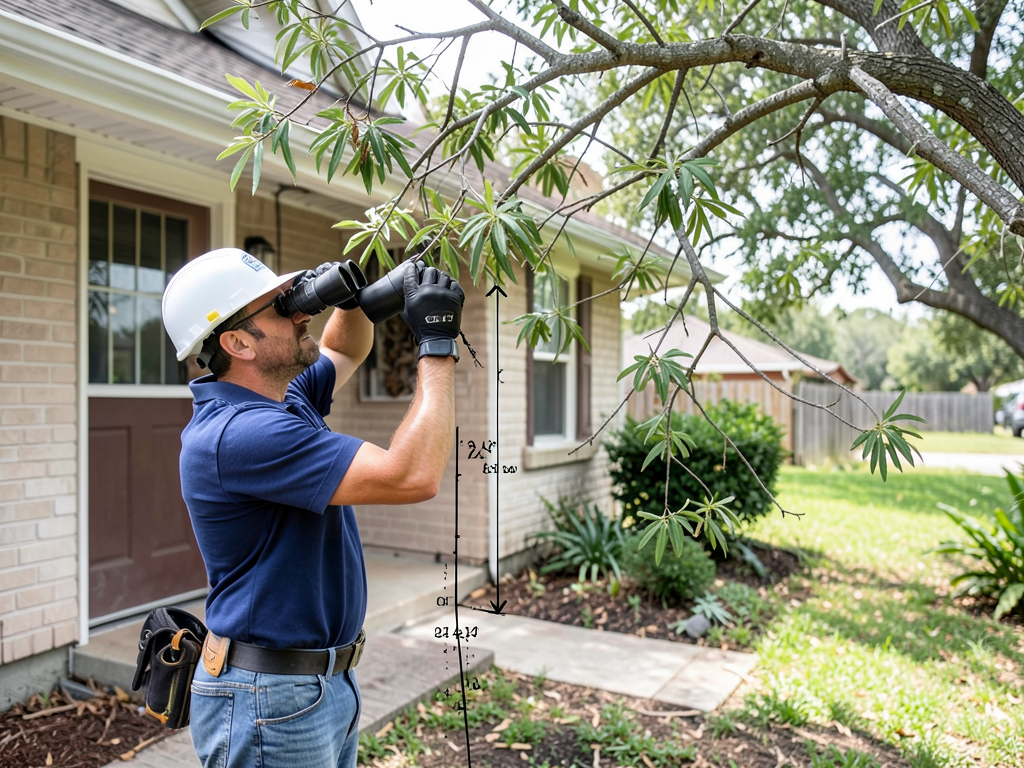
What to do when a neighbor's tree limbs are hanging over your roof in the Great Northwest Living in the…

What to do when a neighbor's tree limbs are hanging over your roof in the Great Northwest

What to do when a neighbor's tree limbs are hanging over your roof in the Great Northwest Living in the…

Adding instant curb appeal to your Terrell Hills home with copper gutters

Adding instant curb appeal to your Terrell Hills home with copper gutters Your Terrell Hills home deserves more than ordinary…

Why brand new homes in Redbird Ranch still need a yearly roof check

Why brand new homes in Redbird Ranch still need a yearly roof check Your brand new roof in Redbird Ranch…

Contact Us

Schedule a free roof assessment and Class 4 shingle consultation today. Our team will evaluate your current roof condition, explain your insurance discount options, and provide a detailed proposal. Call Summit Roofing San Antonio at (726) 256-6199 for immediate scheduling.