
Why your Olmos Park estate needs custom copper flashing to prevent leaks
Your Olmos Park estate deserves roofing protection that matches its architectural heritage and withstands San Antonio’s brutal climate. Custom copper flashing serves as the critical barrier preventing water from invading your home through roof joints chimneys and valleys. While standard flashing materials might work for newer construction your historic Tudor Mediterranean or mid-century ranch home requires the durability and aesthetic appeal that only copper provides. Olmos Park official website.
Water finds the path of least resistance and your roof’s most vulnerable points sit where different materials meet. Chimneys skylights dormers and roof valleys create natural collection points for San Antonio’s intense thunderstorms. Without proper flashing these areas become entry points for water causing damage that spreads from the attic to your living spaces. Copper flashing offers superior protection because it expands and contracts with temperature changes without cracking unlike galvanized steel or aluminum alternatives. How to get your San Antonio roof fixed after a major hail storm.
The unique architecture of Olmos Park homes demands specialized flashing solutions. Your estate likely features complex rooflines with multiple pitches dormers and decorative elements that create numerous penetration points. Standard flashing often fails to accommodate these architectural nuances leading to premature leaks. Custom copper flashing gets fabricated to match your exact roof dimensions ensuring complete coverage at every vulnerable joint.
The climate challenge facing Olmos Park roofs
San Antonio’s climate creates specific challenges for roof flashing that many homeowners underestimate. Summer temperatures regularly exceed 100 degrees causing thermal expansion in roofing materials. When evening thunderstorms roll through rapid cooling creates contraction stress on flashing seals. This daily cycle of expansion and contraction weakens standard flashing over time creating gaps that allow water infiltration. What to do when your San Antonio roof starts leaking in the middle of a storm.
Olmos Park’s mature oak trees add another layer of complexity. Falling branches during storms can damage flashing while accumulated leaf debris in roof valleys traps moisture against flashing materials. This constant moisture exposure accelerates corrosion in standard galvanized steel flashing while copper develops a protective patina that actually extends its lifespan. How much a new roof actually costs in San Antonio right now.
Winter brings occasional freezing temperatures that catch many San Antonio homeowners off guard. When water freezes in flashing gaps it expands creating larger openings. Copper’s resistance to freeze-thaw cycles makes it particularly valuable for protecting your investment during these rare but damaging weather events.
Why copper outperforms other flashing materials
Copper flashing offers several advantages that justify its higher upfront cost for Olmos Park estates. The material develops a natural protective layer called a patina that prevents further corrosion. This self-healing characteristic means copper flashing can last 50 years or more compared to 15-20 years for galvanized steel alternatives.
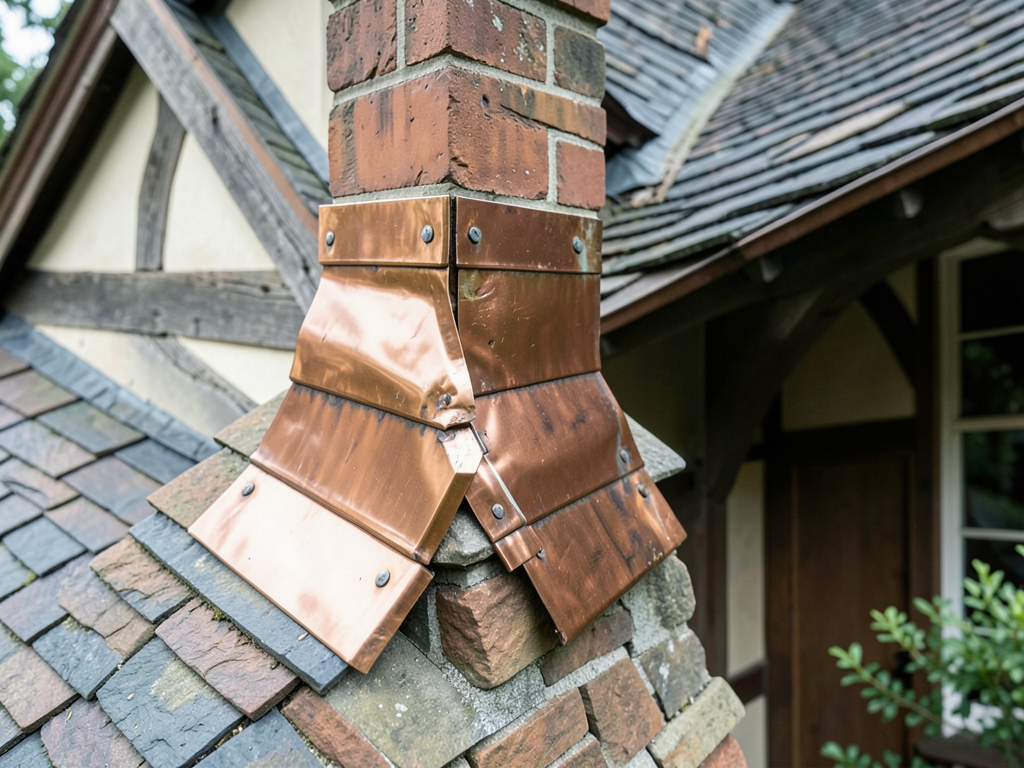
Copper’s malleability allows it to form tight seals around irregular roof penetrations. Your historic home likely features ornate chimneys decorative dormers and custom skylights that require precise fitting. Copper can be shaped to match these unique features ensuring complete water protection where standard flashing leaves gaps.
The aesthetic value of copper flashing cannot be overstated for luxury homes. As copper ages it develops a distinctive green patina that complements historic architecture. This natural aging process enhances rather than detracts from your home’s curb appeal making copper flashing both a practical and visual upgrade.
Common flashing failure points in Olmos Park homes
Chimney flashing represents the most frequent failure point in historic Olmos Park homes. The intersection between your chimney and roof creates multiple seams where water can penetrate. Standard step flashing often deteriorates at these junctions especially where mortar joints allow slight chimney movement. Custom copper counter flashing provides superior protection by creating a watertight seal that accommodates this natural movement.
Roof valleys collect water during San Antonio’s heavy downpours funneling it toward your home’s interior. Standard valley flashing can corrode from constant water exposure and debris accumulation. Copper valley flashing resists this deterioration while its smooth surface allows water to flow freely without collecting debris.
Dormer windows and skylights introduce additional vulnerability points. The flashing around these features must accommodate both structural movement and water flow. Copper’s flexibility allows it to maintain seals even as your home’s foundation shifts slightly during San Antonio’s dry and wet seasons.
The flashing inspection process for historic homes
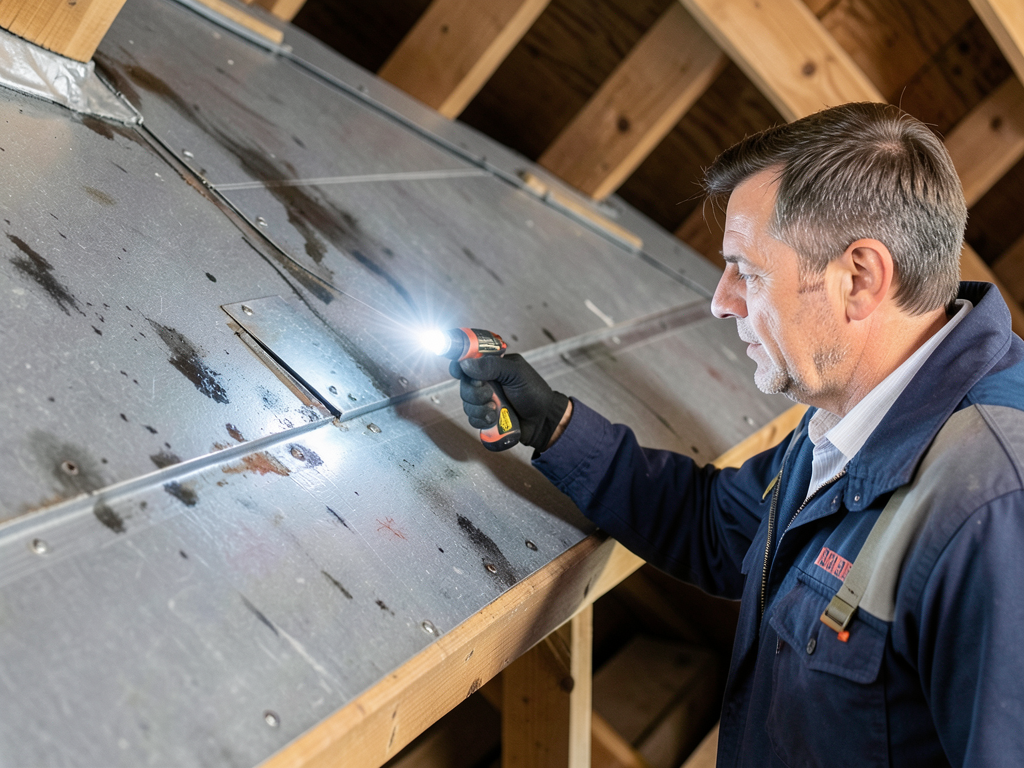
Proper flashing assessment requires examining both visible and hidden areas of your roof. Technicians climb into your attic to check for water stains around chimneys and roof penetrations. These dark spots indicate past or active leaks that may not yet show on interior ceilings.
Exterior inspection focuses on flashing condition around all roof penetrations. Technicians look for signs of rust separation or sealant failure. They also check that flashing extends far enough up vertical surfaces to prevent water from running behind it during heavy rains.
Historic Olmos Park homes often feature original flashing that has exceeded its expected lifespan. Galvanized steel flashing installed decades ago may look intact from the ground but could be paper-thin from corrosion. Copper flashing from the same era often remains functional due to its superior durability.
Installation techniques for maximum protection
Proper flashing installation requires more than simply nailing pieces in place. Each flashing component must overlap correctly to channel water away from vulnerable areas. Step flashing along roof-to-wall intersections should extend at least 4 inches up the wall with counter flashing covering the top edge.
Chimney flashing installation involves multiple layers of protection. Base flashing gets installed under roofing materials while counter flashing gets embedded into mortar joints. This two-layer system creates redundant protection against water infiltration. Built-Up Roofing (BUR).
Valley flashing requires careful attention to water flow patterns. The flashing should extend beyond the valley center to prevent water from running under roofing materials during heavy rain. Copper valley flashing gets secured only at the edges allowing the center to expand and contract freely.
Cost considerations for copper flashing upgrades
Copper flashing costs more initially than standard materials but provides better long-term value for Olmos Park estates. Material costs run two to three times higher than galvanized steel but the extended lifespan and reduced maintenance needs offset this difference over time.. Read more about Why Your Castle Hills Home Needs Regular Roof Cleaning to Stop Live Oak Rot.
Installation complexity affects pricing. Simple roof configurations with few penetrations cost less to flash than complex historic homes with multiple dormers chimneys and decorative elements. However the investment protects your home’s structural integrity and maintains its value.
Insurance considerations may offset some costs. Some carriers offer premium discounts for homes with upgraded roofing components including high-quality flashing. The reduced risk of water damage claims can make copper flashing a financially sound decision.
Maintenance requirements for flashing systems
Even copper flashing needs periodic inspection and maintenance. Annual checks should examine all flashing joints for signs of separation or damage. Small issues caught early prevent expensive repairs later.. Read more about How to tell if your Windcrest home needs a roof cricket to prevent water pooling.
Debris removal from flashing areas prevents moisture accumulation. Leaves twigs and other debris trap water against flashing materials accelerating deterioration. Regular gutter cleaning also protects flashing by preventing overflow that can saturate roof edges.
Sealant inspection focuses on areas where flashing meets other materials. While copper itself doesn’t need sealing the joints between copper and other materials may require periodic recaulking to maintain watertight seals.
Integration with different roofing materials
Copper flashing works with various roofing materials but requires specific techniques for each type. With tile roofing copper flashing must accommodate the additional weight and different expansion rates of clay or concrete tiles. The flashing gets installed to allow independent movement between the tile roof and the flashing system.
Asphalt shingle roofs require different flashing approaches. The flashing must extend under shingle courses while maintaining proper overlap patterns. Copper’s flexibility allows it to conform to the irregular surface created by shingle tabs.
Metal roofing presents unique challenges as it expands more than other materials. Copper flashing must be installed to allow this movement without creating gaps. The similar thermal properties of copper and metal roofing make them compatible materials.
Local building code considerations
Bexar County and Olmos Park have specific requirements for flashing installation that affect your project. Building codes mandate minimum flashing heights above roof surfaces and require specific overlap patterns for different flashing types. Bexar County building codes.
Historic district guidelines may restrict flashing materials and installation methods for visible areas. Copper flashing often meets these requirements while providing superior protection. Working with contractors familiar with local codes prevents costly rework and ensures code compliance.
Permit requirements vary by project scope. Simple flashing repairs may not need permits while extensive flashing replacement or roof penetrations typically require approval. Your contractor should handle permit acquisition and inspections.
Warning signs of flashing problems
Water stains on interior walls or ceilings near chimneys or roof edges indicate flashing failure. These stains often appear as yellow or brown discolorations that grow larger after heavy rain. Attic inspection may reveal water damage before interior signs become visible.
Exterior signs include visible gaps between flashing and adjoining materials rust stains on siding or roofing granules accumulating in gutters below flashing areas. These symptoms suggest water is bypassing your flashing system.
Mold or mildew growth in attics signals ongoing moisture problems often traced to flashing failures. The presence of these organisms indicates water has been entering your home for an extended period creating conditions for biological growth.
Professional vs. DIY flashing repair
Flashing repair requires specialized knowledge and tools that most homeowners lack. Proper installation involves understanding water flow patterns thermal expansion and material compatibility. Mistakes in flashing installation can cause more damage than the original problem. Understanding Roof Warranties.
Professional contractors bring experience with local building codes and historic home requirements. They understand the specific challenges of Olmos Park architecture and can recommend appropriate flashing solutions for your home’s style and age.
Safety considerations make professional flashing work essential. Roof work involves fall hazards and requires proper safety equipment. Working around chimneys and other roof penetrations adds complexity that increases risk for untrained individuals.
Environmental benefits of copper flashing
Copper flashing offers environmental advantages beyond its longevity. The material is fully recyclable at the end of its life cycle reducing landfill waste. Many copper products contain recycled content further reducing environmental impact.
The extended lifespan of copper flashing means fewer replacements over your home’s life reducing the manufacturing and transportation impacts associated with frequent material replacement. This durability aligns with sustainable building practices.
Copper’s resistance to biological growth eliminates the need for chemical treatments that might harm surrounding vegetation. The material naturally resists algae and moss growth without requiring toxic preservatives.. Read more about Why your Terrell Hills roof might need more than just a simple shingle patch.
Choosing the right contractor for flashing work
Flashing expertise varies significantly among roofing contractors. Look for professionals with specific experience in historic home flashing repair and copper installation. Ask for examples of similar projects in Olmos Park or surrounding neighborhoods like Alamo Heights and Terrell Hills.
Verify contractor licensing and insurance coverage. Flashing work requires proper insurance to protect against damage to your home’s exterior and interior during the repair process. Request proof of both general liability and workers’ compensation coverage.
Local knowledge proves invaluable for flashing projects. Contractors familiar with Olmos Park’s specific architectural styles and building requirements can anticipate challenges and recommend appropriate solutions. They understand how local weather patterns affect flashing performance.
Investment protection through proper flashing
Your Olmos Park estate represents a significant financial investment that deserves protection through quality roofing components. Custom copper flashing prevents the water damage that can compromise your home’s structure reduce its value and create expensive repair needs.
Water infiltration through failing flashing can damage insulation electrical systems and interior finishes. These problems often remain hidden until extensive damage occurs making prevention through quality flashing essential for protecting your investment.
The combination of superior protection aesthetic appeal and environmental benefits makes copper flashing a wise choice for discerning homeowners who value both performance and appearance in their roofing systems.
Frequently Asked Questions
How long does copper flashing last compared to standard materials?
Copper flashing typically lasts 50 years or more while galvanized steel flashing needs replacement every 15-20 years. The initial higher cost of copper is offset by its extended lifespan and reduced maintenance requirements.
Can copper flashing be installed on existing roofs?
Yes copper flashing can be retrofitted to existing roofs. The installation process involves removing affected roofing materials around penetrations then installing new flashing before replacing the roofing. This work is best performed by experienced professionals.
Does copper flashing require special maintenance?
Copper flashing requires minimal maintenance beyond periodic inspection. The material develops a protective patina that prevents corrosion. Annual visual checks for separation or damage at joints provide adequate maintenance for most installations.
Will copper flashing match my home’s architecture?
Copper flashing complements historic architecture particularly in areas like Olmos Park with Tudor Mediterranean and mid-century homes. The material can be shaped to match architectural details and develops a green patina that enhances rather than detracts from historic aesthetics.
What signs indicate I need flashing repair?
Interior water stains near chimneys or roof edges visible gaps in exterior flashing rust stains on siding and mold growth in attics all indicate flashing problems. These issues require prompt professional attention to prevent further damage.
- Schedule professional inspection
Have a qualified roofing contractor examine all flashing areas including hidden spots in your attic. This inspection identifies current problems and potential failure points.
- Identify material needs
Based on your home’s architecture age and roofing material determine whether copper or other flashing materials best suit your needs. Historic homes often benefit most from copper flashing.
- Plan repairs during dry weather
Schedule flashing work during dry periods to prevent water infiltration during the repair process. This timing also allows proper sealant curing.
- Verify code compliance
Ensure all flashing work meets local building codes and historic district requirements. Your contractor should handle permits and inspections as needed.
Protect your Olmos Park estate with expert flashing solutions
Your historic home deserves roofing protection that matches its architectural significance and withstands San Antonio’s challenging climate. Custom copper flashing provides the durability aesthetic appeal and long-term value that standard materials cannot match. Don’t wait for water damage to reveal flashing failures that could have been prevented.
Summit Roofing San Antonio specializes in flashing solutions for historic Olmos Park homes. Our team understands the unique requirements of your estate’s architecture and can recommend the best flashing materials and installation techniques for your specific situation. We serve homeowners throughout Olmos Park Alamo Heights and Terrell Hills with the expertise that comes from years of local experience.
Call Summit Roofing San Antonio today at (726) 256-6199 to schedule your flashing inspection. Our professionals will assess your current flashing condition recommend appropriate upgrades and provide clear pricing for protecting your investment. Don’t let water damage compromise your home’s structure and value when expert flashing solutions are just a phone call away.
{
“@context”: “https://schema.org”,
“@type”: “BlogPosting”,
“headline”: “Why your Olmos Park estate needs custom copper flashing to prevent leaks”,
“description”: “Protect your Olmos Park estate with custom copper flashing. Learn why copper outperforms standard materials and how it prevents costly water damage.”,
“wordCount”: 2472,
“datePublished”: “2026-03-29T12:34:00.000Z”,
“dateModified”: “2026-03-29T12:34:00.000Z”,
“inLanguage”: “en-US”,
“mainEntityOfPage”: {
“@type”: “WebPage”,
“@id”: “https://summitroofingsanantonio.com”
},
“publisher”: {
“@type”: “LocalBusiness”,
“name”: “Summit Roofing San Antonio”,
“url”: “https://summitroofingsanantonio.com”
},
“author”: {
“@type”: “Organization”,
“name”: “Summit Roofing San Antonio”,
“url”: “https://summitroofingsanantonio.com”
},
“image”: {
“@type”: “ImageObject”,
“url”: “https://summitroofingsanantonio.com/wp-content/uploads/2026/03/why-your-olmos-park-estate-needs-custom-copper-fla-1.png”
}
}
{
“@context”: “https://schema.org”,
“@type”: “RoofingContractor”,
“name”: “Summit Roofing San Antonio”,
“url”: “https://summitroofingsanantonio.com”,
“address”: {
“@type”: “PostalAddress”,
“addressLocality”: “San Antonio”
},
“areaServed”: {
“@type”: “City”,
“name”: “San Antonio”
}
}
{
“@context”: “https://schema.org”,
“@type”: “FAQPage”,
“mainEntity”: [
{
“@type”: “Question”,
“name”: “How long does copper flashing last compared to standard materials?”,
“acceptedAnswer”: {
“@type”: “Answer”,
“text”: “Copper flashing typically lasts 50 years or more while galvanized steel flashing needs replacement every 15-20 years. The initial higher cost of copper is offset by its extended lifespan and reduced maintenance requirements.”
}
},
{
“@type”: “Question”,
“name”: “Can copper flashing be installed on existing roofs?”,
“acceptedAnswer”: {
“@type”: “Answer”,
“text”: “Yes copper flashing can be retrofitted to existing roofs. The installation process involves removing affected roofing materials around penetrations then installing new flashing before replacing the roofing. This work is best performed by experienced professionals.”
}
},
{
“@type”: “Question”,
“name”: “Does copper flashing require special maintenance?”,
“acceptedAnswer”: {
“@type”: “Answer”,
“text”: “Copper flashing requires minimal maintenance beyond periodic inspection. The material develops a protective patina that prevents corrosion. Annual visual checks for separation or damage at joints provide adequate maintenance for most installations.”
}
},
{
“@type”: “Question”,
“name”: “Will copper flashing match my home’s architecture?”,
“acceptedAnswer”: {
“@type”: “Answer”,
“text”: “Copper flashing complements historic architecture particularly in areas like Olmos Park with Tudor Mediterranean and mid-century homes. The material can be shaped to match architectural details and develops a green patina that enhances rather than detracts from historic aesthetics.”
}
},
{
“@type”: “Question”,
“name”: “What signs indicate I need flashing repair?”,
“acceptedAnswer”: {
“@type”: “Answer”,
“text”: “Interior water stains near chimneys or roof edges visible gaps in exterior flashing rust stains on siding and mold growth in attics all indicate flashing problems. These issues require prompt professional attention to prevent further damage.”
}
}
]
}
{
“@context”: “https://schema.org”,
“@type”: “HowTo”,
“name”: “How to protect your roof with proper flashing”,
“step”: [
{
“@type”: “HowToStep”,
“position”: 1,
“name”: “Schedule professional inspection”,
“text”: “Have a qualified roofing contractor examine all flashing areas including hidden spots in your attic. This inspection identifies current problems and potential failure points.”
},
{
“@type”: “HowToStep”,
“position”: 2,
“name”: “Identify material needs”,
“text”: “Based on your home’s architecture age and roofing material determine whether copper or other flashing materials best suit your needs. Historic homes often benefit most from copper flashing.”
},
{
“@type”: “HowToStep”,
“position”: 3,
“name”: “Plan repairs during dry weather”,
“text”: “Schedule flashing work during dry periods to prevent water infiltration during the repair process. This timing also allows proper sealant curing.”
},
{
“@type”: “HowToStep”,
“position”: 4,
“name”: “Verify code compliance”,
“text”: “Ensure all flashing work meets local building codes and historic district requirements. Your contractor should handle permits and inspections as needed.”
}
],
“image”: “https://summitroofingsanantonio.com/wp-content/uploads/2026/03/why-your-olmos-park-estate-needs-custom-copper-fla-1.png”
}
{
“@context”: “https://schema.org”,
“@type”: “BreadcrumbList”,
“itemListElement”: [
{
“@type”: “ListItem”,
“position”: 1,
“name”: “Home”,
“item”: “https://summitroofingsanantonio.com”
},
{
“@type”: “ListItem”,
“position”: 2,
“name”: “Blog”,
“item”: “https://summitroofingsanantonio.com/blog”
},
{
“@type”: “ListItem”,
“position”: 3,
“name”: “Why your Olmos Park estate needs custom copper flashing to prevent leaks”
}
]
}
{
“@context”: “https://schema.org”,
“@type”: “Service”,
“serviceType”: “Roofing”,
“provider”: {
“@type”: “LocalBusiness”,
“name”: “Summit Roofing San Antonio”,
“url”: “https://summitroofingsanantonio.com”
},
“areaServed”: {
“@type”: “City”,
“name”: “San Antonio”
},
“description”: “Protect your Olmos Park estate with custom copper flashing. Learn why copper outperforms standard materials and how it prevents costly water damage.”
}