
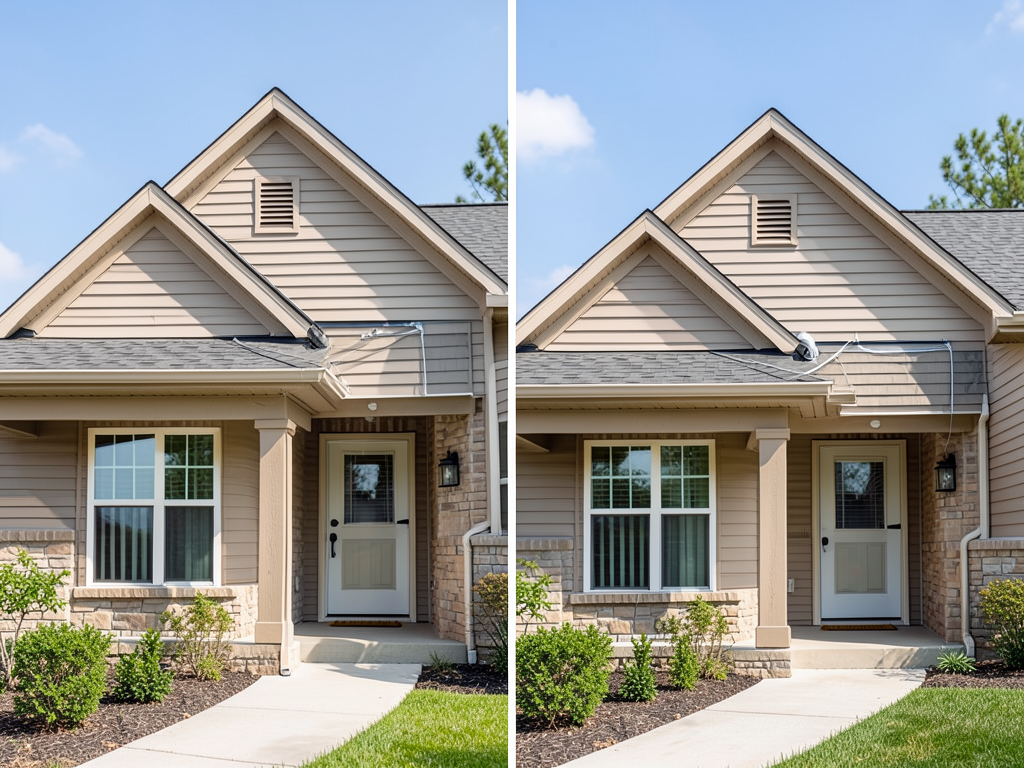
Why your Castle Hills home might need a ridge vent upgrade to survive the summer
Your Castle Hills home bakes in the summer sun. That’s just the reality of living in San Antonio. But what many homeowners don’t realize is that the heat trapped in your attic can cause serious damage to your roof and drive up your energy bills. If your home is struggling with high cooling costs or you’ve noticed shingles curling on your roof you might need a ridge vent upgrade. How much a new roof actually costs in San Antonio right now.
Ridge vents are the unsung heroes of attic ventilation. They work by allowing hot air to escape from the peak of your roof while drawing in cooler air from your soffits. In Castle Hills where many homes were built in the 1970s and 1980s the original ventilation systems often fall short of what’s needed to handle our brutal summers.
San Antonio summers push attic temperatures well above 150°F. Without proper ventilation that heat radiates down into your living space making your air conditioner work overtime. A ridge vent upgrade can cut your cooling costs by 10-15% and extend the life of your shingles by years. How to get your San Antonio roof fixed after a major hail storm.
The problem is especially acute in Castle Hills because many homes here have complex roof designs with multiple peaks and valleys. These architectural features create dead zones where air can’t circulate properly. Even if you have some ventilation it might not be enough to handle the heat load.
Before you decide whether a ridge vent upgrade is right for your home let’s look at how these systems work and what makes them so effective in our climate.
How ridge vents actually work in San Antonio’s climate
Ridge vents take advantage of a simple principle: hot air rises. They’re installed along the peak of your roof creating a continuous opening that allows superheated attic air to escape. But they’re not just holes in your roof. Modern ridge vents include a baffle system that keeps out rain and snow while still allowing maximum airflow.
The real magic happens when ridge vents work with your soffit vents. This creates a natural convection current. As hot air exits through the ridge it pulls cooler air in through the soffits. This constant airflow keeps your attic closer to the outside temperature which is crucial in Castle Hills where summer days can be 100°F but nights might cool to 75°F.
In our humid climate ridge vents also help prevent moisture buildup. When warm moist air gets trapped in your attic it can condense on the underside of your roof deck. Over time this leads to mold growth wood rot and even structural damage. The continuous airflow from a ridge vent system helps carry that moisture out before it can cause problems.
One thing that makes ridge vents particularly effective in Castle Hills is our prevailing wind patterns. South winds during summer afternoons actually help push air out through ridge vents enhancing the natural convection effect. This means your attic ventilation works even better than the basic physics would suggest.
5 signs your Castle Hills home needs better attic ventilation
How do you know if your home needs a ridge vent upgrade? Here are the most common warning signs we see in Castle Hills homes:. Read more about Why Shingle Blistering Is So Common in the Westover Hills Heat.
- Your energy bills spike every summer and stay high even when you’re not running the AC much
- You can feel heat radiating from your ceiling on hot days especially in upstairs rooms
- Your shingles show signs of premature aging: curling cracking or losing granules
- You notice moisture or frost buildup in your attic during winter months
- Your air conditioner runs constantly but can’t keep your home cool
If you’re experiencing any of these issues your attic ventilation is likely inadequate. In Castle Hills we often find that homes built before 2000 have less than half the ventilation they need for our current climate conditions.
Another telltale sign is ice damming though this is less common in San Antonio. When snow does occasionally fall poor ventilation can cause uneven melting and refreezing at your roof edges. This creates ice dams that can force water under your shingles. What to do when your San Antonio roof starts leaking in the middle of a storm.
Temperature differentials also tell a story. If your attic is more than 30°F hotter than the outside air on a sunny day your ventilation system isn’t keeping up. You can check this with a simple thermometer – just be careful not to damage your ceiling or fall through the attic floor.
The cost of doing nothing: what heat does to your roof
Many Castle Hills homeowners hesitate to invest in ridge vent upgrades because they don’t understand what’s at stake. Let’s be clear: the cost of inadequate ventilation can be substantial.
First there’s the impact on your shingles. Asphalt shingles are designed to shed water and protect your home but they’re not meant to withstand constant exposure to extreme heat. When your attic regularly hits 150-160°F your shingles can age twice as fast. That means instead of lasting 20-25 years you might need a full roof replacement in 10-12 years.
Heat also affects the adhesive strips on your shingles. These strips are what seal each shingle to the one below it creating a watertight barrier. When exposed to excessive heat these adhesives can degrade prematurely making your roof more vulnerable to wind damage and leaks.
Then there’s the energy cost. An inadequately ventilated attic can add $50-100 to your monthly cooling bill during summer months. Over the 10-15 year life of your roof that’s $6,000-18,000 in wasted energy costs – money that could have paid for a ridge vent upgrade several times over.
Moisture damage is another hidden cost. When humid air gets trapped in your attic it can condense on cool surfaces like your air conditioning ducts or the underside of your roof deck. This moisture creates the perfect environment for mold growth which can spread to your insulation and even into your living space.
Ridge vents vs. other ventilation options for Castle Hills homes
Ridge vents aren’t the only way to ventilate your attic but they’re often the best choice for Castle Hills homes. Let’s compare them to other common options:
| Ventilation Type | Pros | Cons | Best For |
|---|---|---|---|
| Ridge Vents | Continuous airflow no moving parts invisible from street | Requires soffit vents to work properly | Most modern homes complex roof designs |
| Turbine Vents | Active ventilation low cost | Noisy can leak less effective in low wind | Simple roof designs budget-conscious homeowners |
| Power Fans | Strong ventilation can be solar-powered | Uses electricity can pull conditioned air from home | Very hot attics homes without adequate passive vents |
| Box Vents | Simple installation low cost | Limited airflow visible on roof | Small attics gable-end ventilation |
The key advantage of ridge vents is that they work passively 24/7 without any moving parts or electricity. They’re also the most aesthetically pleasing option since they blend into your roofline and don’t create any visual clutter.
In Castle Hills where many homes have hip roofs or complex rooflines with multiple peaks ridge vents can be installed along each ridge to provide comprehensive ventilation. This is something that box vents or turbines simply can’t match.
Power fans might seem attractive because they can move a lot of air but they come with risks. If your attic isn’t properly sealed from your living space a power fan can actually pull cooled air from your home into the attic making your AC work harder. They also create a single point of failure – if the fan motor dies your ventilation stops working.
Building codes and requirements for Castle Hills homes
Attic ventilation isn’t just about comfort and energy efficiency – it’s also a building code requirement. In Castle Hills and throughout San Antonio the International Residential Code (IRC) mandates specific ventilation ratios for residential roofs.
The current standard requires 1 square foot of net free ventilation area for every 150 square feet of attic floor space. However if you have a vapor barrier installed or if your ventilation is balanced between intake and exhaust this ratio can be relaxed to 1:300.
What does this mean for your Castle Hills home? A typical 2,000 square foot ranch house needs at least 13-14 square feet of net free ventilation area. That’s equivalent to about 2,000 square inches of actual vent opening though the net free area is less due to the restrictions in the vent design.
Many older Castle Hills homes were built when ventilation requirements were less stringent or when energy costs were lower. If your home was built before 2000 there’s a good chance it doesn’t meet current ventilation standards.
During a roof replacement building inspectors will check your ventilation and may require upgrades to meet current codes. This is one reason why ventilation improvements often make sense when you’re already investing in a new roof – you’re paying for access to your roof anyway and code compliance ensures your investment is protected. How to Get Your Commercial Flat Roof Ready for San Antonio Summer Storms.
Beyond code compliance there’s also the warranty consideration. Most major shingle manufacturers require minimum ventilation levels to maintain your warranty. If your attic doesn’t meet these requirements and your shingles fail prematurely you could be stuck with the full replacement cost.
The installation process: what to expect
If you decide a ridge vent upgrade is right for your Castle Hills home here’s what the installation process typically involves:
- Assessment and Planning
A professional roofer will inspect your current ventilation measure your attic space and calculate your ventilation needs. They’ll also check your soffit vents to ensure you have adequate intake ventilation – ridge vents can’t work without proper air intake.
- Preparation
The roofer will mark the area along your ridge where the vent will be installed. This typically involves removing the existing ridge cap shingles and cutting a 4-6 inch gap along both sides of the ridge. This gap allows hot air to escape.
- Installation
The ridge vent material is installed over the cut gap. Most modern ridge vents are made from durable weather-resistant materials like aluminum or durable polymers. They include internal baffles that keep out rain and snow while allowing maximum airflow.
- Shingle Integration
New ridge cap shingles are installed over the vent material creating a finished look that blends with your existing roof. The installation must be done carefully to ensure water can’t penetrate the new vent system.
- Sealing and Finishing
The roofer will seal all joints and connections with roofing cement and ensure the vent is properly integrated with your existing roof system. They’ll also check that your soffit vents are clear and functioning.
The entire process usually takes 1-2 days for a typical Castle Hills home depending on roof complexity and weather conditions. Most installations can be done without you needing to leave your home though there will be some noise from the cutting and installation work.
One important consideration is timing. Spring and fall are ideal for ventilation upgrades because the weather is mild and roofers are less busy than during peak summer or winter months. Getting your upgrade done before summer hits means you’ll be ready for the hottest months when your ventilation system will be working hardest.
Energy efficiency and long-term savings
The financial benefits of a ridge vent upgrade extend far beyond just protecting your roof. Let’s break down the potential savings:
| Benefit | Annual Savings | Lifetime (15 years) |
|---|---|---|
| Reduced cooling costs | $100-200 | $1,500-3,000 |
| Extended shingle life | $150-300 (prevented replacement) | $2,250-4,500 |
| Prevented moisture damage | $50-100 (prevented repairs) | $750-1,500 |
| Total Potential Savings | $300-600 | $4,500-9,000 |
These numbers assume a typical Castle Hills home of 2,000-2,500 square feet. Your actual savings will depend on your specific home energy rates and how poorly your current ventilation performs.
Beyond direct cost savings there’s also the comfort factor. A properly ventilated attic means your upstairs bedrooms stay cooler your air conditioner cycles on less frequently and your home feels more comfortable during those brutal summer afternoons.
There’s also a potential insurance benefit. Some insurance companies offer discounts for homes with improved energy efficiency features including proper attic ventilation. While this varies by provider it’s worth checking with your insurance agent to see if a ridge vent upgrade could lower your premiums.
For homeowners planning to stay in their Castle Hills home for more than 5 years a ridge vent upgrade typically pays for itself through energy savings and prevented repairs. It’s one of those improvements that not only protects your investment but also makes your home more comfortable and efficient.
Choosing the right contractor in Castle Hills
Not all roofing contractors have the same level of expertise when it comes to ventilation systems. Here’s what to look for when choosing a contractor for your ridge vent upgrade:
First verify they understand local building codes and have experience with Castle Hills homes specifically. The architectural styles in Castle Hills – from mid-century ranches to more modern designs – each present unique ventilation challenges that require specific solutions.
Ask about their ventilation calculation process. A qualified contractor should be able to show you how they calculate your home’s ventilation needs using the 1:150 or 1:300 ratio and explain how they’ll ensure proper intake ventilation through your soffits.
Check their references and reviews specifically looking for feedback about ventilation work. Anyone can install shingles but proper ventilation requires understanding airflow dynamics building science and how different roof designs affect ventilation performance. Understanding Roof Warranties.
Make sure they offer a warranty on both the materials and the installation. Quality ridge vent systems should come with at least a 20-year manufacturer warranty and the installation should be guaranteed against leaks or failures for at least 5 years.
Finally get a detailed proposal that includes before and after ventilation calculations. This shows they’ve done their homework and gives you a clear picture of what you’re getting for your investment.
Frequently Asked Questions
How much does a ridge vent upgrade cost in Castle Hills?
The cost varies depending on your roof size and complexity but most Castle Hills homes can expect to pay $1,500-3,000 for a professional ridge vent installation. This includes removing existing ridge caps cutting the vent slot installing the new vent system and replacing the ridge cap shingles.
Can I install a ridge vent myself?
While it’s technically possible we strongly recommend professional installation. Cutting into your roof’s ridge requires precision to avoid structural damage and improper installation can lead to leaks or inadequate ventilation. Plus DIY work typically voids any existing roof warranties.
Will a ridge vent upgrade solve all my attic heat problems?
A ridge vent is highly effective but it works as part of a complete ventilation system. You also need proper soffit vents for air intake and your attic should be properly sealed from your living space to prevent conditioned air from escaping. A professional assessment can identify all the components needed for optimal performance.
How long does a ridge vent last?
Quality ridge vents are made from durable materials like aluminum or UV-resistant polymers and typically last as long as your roof – 20-30 years or more. The lack of moving parts means there’s little that can fail though the vent screening may need occasional cleaning to remove debris.
Should I upgrade my ventilation during a roof replacement?
Absolutely. When your roof is already being replaced the cost of adding or upgrading ventilation is significantly lower since the roof is already torn off. It’s also an ideal time to ensure your new roof meets current building codes and manufacturer warranty requirements.
What if my home doesn’t have soffit vents?
Soffit vents are essential for ridge vent systems to work properly. If your Castle Hills home lacks soffit vents you’ll need to add them as part of your ventilation upgrade. This might add $500-1,000 to your project cost but it’s necessary for the system to function correctly.
Take the next step toward a cooler more efficient home
Your Castle Hills home deserves ventilation that can handle our brutal San Antonio summers. A ridge vent upgrade isn’t just about protecting your roof – it’s about creating a more comfortable living space lowering your energy bills and preventing costly repairs down the road.
Don’t wait until you’re facing premature roof replacement or sky-high cooling costs. The sooner you address your ventilation needs the more you’ll save in the long run. Our team understands the unique challenges that Castle Hills homes face from complex roof designs to the specific heat loads our climate creates.
We offer free ventilation assessments to Castle Hills homeowners. During this assessment we’ll measure your current ventilation identify problem areas and provide a detailed plan for bringing your home up to current standards. There’s no obligation – just honest advice from local experts who understand your home and your needs.
Call us today at (726) 256-6199 to schedule your free assessment. Our phones are answered 24/7 and we can often schedule assessments within 48 hours. Don’t let another summer of heat damage your home and drain your wallet – take action now and enjoy the benefits for years to come.
Your home works hard for you every day. Make sure it has the ventilation it needs to keep you comfortable and protected no matter how hot it gets outside. For more information, visit FEMA and Harris County Judge sign declaration. For more information, visit Harris County emergency news.
{
“@context”: “https://schema.org”,
“@type”: “BlogPosting”,
“headline”: “Why your Castle Hills home might need a ridge vent upgrade to survive the summer”,
“description”: “Is your Castle Hills home struggling with heat? Learn how a ridge vent upgrade can cut cooling costs by 10-15% and protect your roof from San Antonio’s brutal summers.”,
“wordCount”: 2924,
“datePublished”: “2026-04-21T04:39:00.000Z”,
“dateModified”: “2026-04-21T04:39:00.000Z”,
“inLanguage”: “en-US”,
“mainEntityOfPage”: {
“@type”: “WebPage”,
“@id”: “https://summitroofingsanantonio.com”
},
“publisher”: {
“@type”: “LocalBusiness”,
“name”: “Summit Roofing San Antonio”,
“url”: “https://summitroofingsanantonio.com”
},
“author”: {
“@type”: “Organization”,
“name”: “Summit Roofing San Antonio”,
“url”: “https://summitroofingsanantonio.com”
},
“image”: {
“@type”: “ImageObject”,
“url”: “https://summitroofingsanantonio.com/wp-content/uploads/2026/03/why-your-castle-hills-home-might-need-a-ridge-vent-1.png”
}
}
{
“@context”: “https://schema.org”,
“@type”: “RoofingContractor”,
“name”: “Summit Roofing San Antonio”,
“url”: “https://summitroofingsanantonio.com”,
“address”: {
“@type”: “PostalAddress”,
“addressLocality”: “San Antonio”
},
“areaServed”: {
“@type”: “City”,
“name”: “San Antonio”
}
}
{
“@context”: “https://schema.org”,
“@type”: “FAQPage”,
“mainEntity”: [
{
“@type”: “Question”,
“name”: “How much does a ridge vent upgrade cost in Castle Hills?”,
“acceptedAnswer”: {
“@type”: “Answer”,
“text”: “The cost varies depending on your roof size and complexity but most Castle Hills homes can expect to pay $1,500-3,000 for a professional ridge vent installation. This includes removing existing ridge caps cutting the vent slot installing the new vent system and replacing the ridge cap shingles.”
}
},
{
“@type”: “Question”,
“name”: “Can I install a ridge vent myself?”,
“acceptedAnswer”: {
“@type”: “Answer”,
“text”: “While it’s technically possible we strongly recommend professional installation. Cutting into your roof’s ridge requires precision to avoid structural damage and improper installation can lead to leaks or inadequate ventilation. Plus DIY work typically voids any existing roof warranties.”
}
},
{
“@type”: “Question”,
“name”: “Will a ridge vent upgrade solve all my attic heat problems?”,
“acceptedAnswer”: {
“@type”: “Answer”,
“text”: “A ridge vent is highly effective but it works as part of a complete ventilation system. You also need proper soffit vents for air intake and your attic should be properly sealed from your living space to prevent conditioned air from escaping. A professional assessment can identify all the components needed for optimal performance.”
}
},
{
“@type”: “Question”,
“name”: “How long does a ridge vent last?”,
“acceptedAnswer”: {
“@type”: “Answer”,
“text”: “Quality ridge vents are made from durable materials like aluminum or UV-resistant polymers and typically last as long as your roof – 20-30 years or more. The lack of moving parts means there’s little that can fail though the vent screening may need occasional cleaning to remove debris.”
}
},
{
“@type”: “Question”,
“name”: “Should I upgrade my ventilation during a roof replacement?”,
“acceptedAnswer”: {
“@type”: “Answer”,
“text”: “Absolutely. When your roof is already being replaced the cost of adding or upgrading ventilation is significantly lower since the roof is already torn off. It’s also an ideal time to ensure your new roof meets current building codes and manufacturer warranty requirements.”
}
},
{
“@type”: “Question”,
“name”: “What if my home doesn’t have soffit vents?”,
“acceptedAnswer”: {
“@type”: “Answer”,
“text”: “Soffit vents are essential for ridge vent systems to work properly. If your Castle Hills home lacks soffit vents you’ll need to add them as part of your ventilation upgrade. This might add $500-1,000 to your project cost but it’s necessary for the system to function correctly.”
}
}
]
}
{
“@context”: “https://schema.org”,
“@type”: “HowTo”,
“name”: “Ridge Vent Installation Process”,
“step”: [
{
“@type”: “HowToStep”,
“position”: 1,
“name”: “Assessment and Planning”,
“text”: “A professional roofer will inspect your current ventilation measure your attic space and calculate your ventilation needs. They’ll also check your soffit vents to ensure you have adequate intake ventilation – ridge vents can’t work without proper air intake.”
},
{
“@type”: “HowToStep”,
“position”: 2,
“name”: “Preparation”,
“text”: “The roofer will mark the area along your ridge where the vent will be installed. This typically involves removing the existing ridge cap shingles and cutting a 4-6 inch gap along both sides of the ridge. This gap allows hot air to escape.”
},
{
“@type”: “HowToStep”,
“position”: 3,
“name”: “Installation”,
“text”: “The ridge vent material is installed over the cut gap. Most modern ridge vents are made from durable weather-resistant materials like aluminum or durable polymers. They include internal baffles that keep out rain and snow while allowing maximum airflow.”
},
{
“@type”: “HowToStep”,
“position”: 4,
“name”: “Shingle Integration”,
“text”: “New ridge cap shingles are installed over the vent material creating a finished look that blends with your existing roof. The installation must be done carefully to ensure water can’t penetrate the new vent system.”
},
{
“@type”: “HowToStep”,
“position”: 5,
“name”: “Sealing and Finishing”,
“text”: “The roofer will seal all joints and connections with roofing cement and ensure the vent is properly integrated with your existing roof system. They’ll also check that your soffit vents are clear and functioning.”
}
],
“image”: “https://summitroofingsanantonio.com/wp-content/uploads/2026/03/why-your-castle-hills-home-might-need-a-ridge-vent-1.png”
}
{
“@context”: “https://schema.org”,
“@type”: “BreadcrumbList”,
“itemListElement”: [
{
“@type”: “ListItem”,
“position”: 1,
“name”: “Home”,
“item”: “https://summitroofingsanantonio.com”
},
{
“@type”: “ListItem”,
“position”: 2,
“name”: “Blog”,
“item”: “https://summitroofingsanantonio.com/blog”
},
{
“@type”: “ListItem”,
“position”: 3,
“name”: “Why your Castle Hills home might need a ridge vent upgrade to survive the summer”
}
]
}
{
“@context”: “https://schema.org”,
“@type”: “Service”,
“serviceType”: “Roofing”,
“provider”: {
“@type”: “LocalBusiness”,
“name”: “Summit Roofing San Antonio”,
“url”: “https://summitroofingsanantonio.com”
},
“areaServed”: {
“@type”: “City”,
“name”: “San Antonio”
},
“description”: “Is your Castle Hills home struggling with heat? Learn how a ridge vent upgrade can cut cooling costs by 10-15% and protect your roof from San Antonio’s brutal summers.”
}