
Why San Antonio restaurant owners should worry about grease trap runoff on their roofs
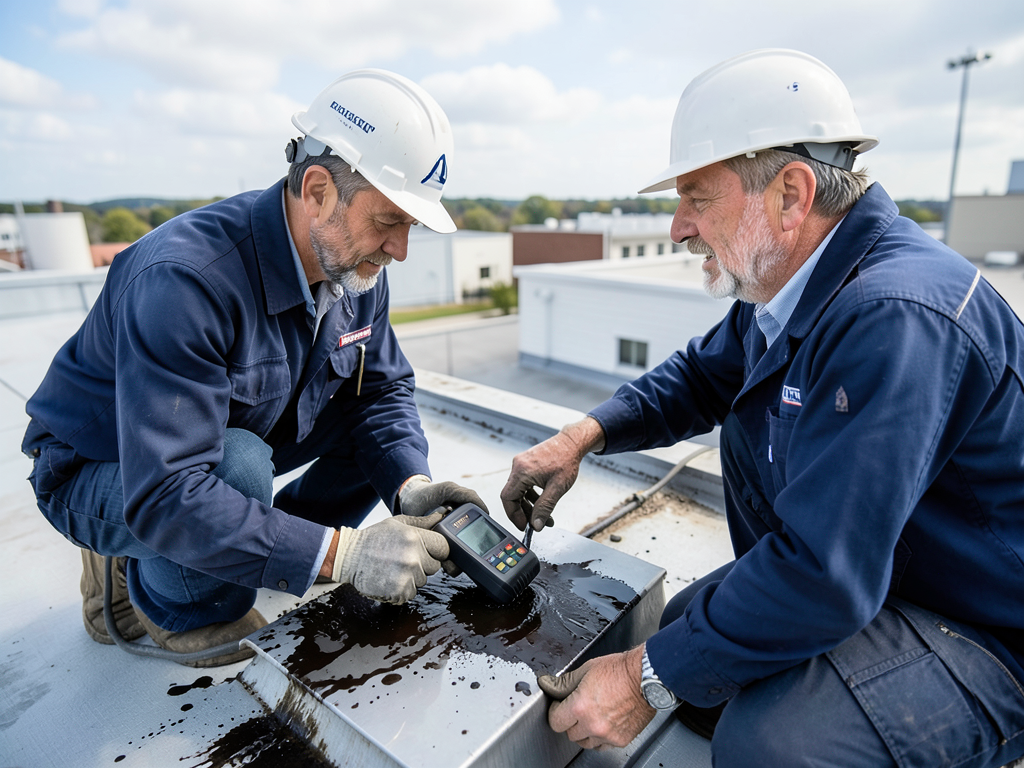
Restaurant owners across San Antonio discover that kitchen exhaust systems cause more than just cooking odors. Grease trap runoff silently destroys commercial roofs through chemical breakdown of membrane materials. The combination of South Texas heat and animal fats creates a perfect storm for roof failure. San Antonio Water System.
Restaurant owners in areas like Stone Oak and Alamo Heights often discover the damage when it becomes too severe. The heat accelerates the breakdown of TPO and modified bitumen membranes when exposed to grease. Once grease penetrates the surface it begins dissolving the polymer structure from within.
The problem extends beyond simple leaks. Grease-saturated roofing materials lose their structural integrity. This creates dangerous conditions where the roof can no longer support foot traffic for maintenance. Many San Antonio restaurants face emergency repairs during peak business hours because they ignored early warning signs. San Antonio Fire Department.
How grease chemically destroys commercial roofing membranes
Animal fats and vegetable oils contain triglycerides that break down roofing polymers at the molecular level. When grease contacts TPO membranes the oils penetrate the surface and cause swelling. This swelling process weakens the chemical bonds holding the membrane together.
The heat in San Antonio accelerates this chemical reaction. Temperatures on commercial roofs often exceed 150 degrees Fahrenheit during summer months. At these temperatures grease becomes more fluid and penetrates deeper into roofing materials. The combination of heat and grease creates a perfect environment for rapid membrane degradation. How to get your San Antonio roof fixed after a major hail storm.
PVC membranes offer better resistance to grease than TPO materials. The chlorine content in PVC creates a more stable molecular structure that resists oil penetration. However even PVC membranes will eventually break down when constantly exposed to grease runoff. The key is preventing contact through proper containment systems.
Modified bitumen roofs face similar challenges. The asphalt content in these materials dissolves when exposed to cooking oils. The process happens slower than with TPO but proves equally destructive. Once grease penetrates modified bitumen it creates soft spots that cannot support weight and will eventually fail completely.
Warning signs of grease damage on commercial roofs
Restaurant owners should watch for several key indicators of grease damage. Blistering on the roof surface often indicates grease has penetrated beneath the membrane. These blisters form when trapped grease expands and creates pressure beneath the surface layer.
Discoloration around exhaust fans provides another warning sign. Grease traps dirt and creates dark stains that spread outward from ventilation points. These stains indicate active grease deposition that will continue until addressed. The darker the stain the more severe the problem.
Soft or spongy areas on the roof surface signal advanced damage. When walking on the roof these areas feel unstable underfoot. This occurs when grease has broken down the structural layers beneath the membrane. These soft spots will eventually collapse under normal foot traffic.
Water pooling near exhaust fans indicates compromised drainage. Grease creates a hydrophobic surface that repels water. Instead of flowing to drains water collects in low spots created by membrane swelling. This standing water accelerates deterioration and creates ideal conditions for algae growth.
San Antonio compliance requirements for grease containment
The City of San Antonio enforces strict regulations for commercial kitchen exhaust systems. NFPA 96 standards require proper grease containment to prevent fire hazards. Local building inspectors check for compliance during routine inspections of restaurants in areas like The Pearl District and downtown. NFPA 96 standards.
San Antonio Fire Department regulations mandate specific clearance requirements around exhaust fans. Grease accumulation near ventilation equipment creates significant fire risks. Inspectors measure grease buildup and can shut down operations if accumulation exceeds safe levels. What to do when your San Antonio roof starts leaking in the middle of a storm.
Environmental regulations from the San Antonio Water System address grease disposal. Restaurants cannot allow grease to enter storm drains or evaporate into the atmosphere. Proper containment systems must collect and dispose of grease through approved waste management channels.
Insurance companies often require documentation of grease management systems. Many commercial policies include provisions that void coverage for damage caused by poor maintenance. Restaurant owners who neglect grease containment may find their insurance claims denied after roof failures. How to Get Your Commercial Flat Roof Ready for San Antonio Summer Storms.
Comparing repair versus replacement options
| Repair Options | Replacement Options | Cost Range |
|---|---|---|
| Early-stage patching | Complete roof replacement | $500 – $1,500 |
| Localized sealing | PVC overlay installation | $8 – $15 per sq ft |
| Filter replacement | Modified bitumen replacement | $2,000 – $5,000 |
Early-stage grease damage may be repairable through patching and sealing. Small affected areas can be cleaned and resealed with compatible materials. However this approach only works when damage remains localized and the underlying structure remains sound.
Extensive grease damage typically requires complete roof replacement. Once grease penetrates through multiple layers the entire system loses integrity. Partial repairs in these cases often fail quickly as remaining grease continues to spread and degrade surrounding materials.
PVC overlays provide an alternative for severely damaged TPO roofs. Installing a new PVC membrane over existing damage creates a fresh surface with better grease resistance. This approach costs less than complete replacement but requires thorough cleaning of the existing surface. How much a new roof actually costs in San Antonio right now.
The decision between repair and replacement depends on several factors. Age of the existing roof extent of damage and budget constraints all influence the best approach. Professional inspection determines whether repair provides adequate long-term protection or if replacement offers better value.
Effective grease containment solutions for San Antonio restaurants
| Containment System | Maintenance Frequency | Cost Range |
|---|---|---|
| High-capacity filters | Monthly | $500 – $1,500 |
| Secondary containment trays | Quarterly | $300 – $800 |
| Automated monitoring | Annual | $1,000 – $3,000 |
Modern grease containment systems prevent damage before it starts. High-capacity filters installed above exhaust fans capture grease before it reaches the roof surface. These filters use hydrophobic materials that repel water while trapping grease particles.
Secondary containment trays provide backup protection beneath exhaust fans. These trays collect any grease that bypasses primary filters. Regular cleaning of these trays prevents overflow and ensures continuous protection. Most systems include overflow alarms that alert staff when trays require emptying.
Scheduled maintenance programs keep containment systems functioning properly. Quarterly inspections identify developing problems before they cause damage. Professional cleaning removes accumulated grease and checks for system failures. Many San Antonio restaurants schedule maintenance during slower business periods.
Automated monitoring systems provide real-time alerts for grease accumulation. Sensors detect when grease levels approach capacity and notify facility managers. This technology prevents overflow incidents that could damage roofs or create fire hazards. Some systems integrate with building management systems for comprehensive monitoring.
Preventative maintenance schedule for restaurant roofs
| Maintenance Task | Frequency | Cost Range |
|---|---|---|
| Visual inspections | Monthly | $100 – $200 |
| Professional inspections | Quarterly | $300 – $600 |
| Seasonal cleaning | Twice yearly | $500 – $1,000 |
| Comprehensive maintenance | Annually | $800 – $1,500 |
Monthly visual inspections catch problems early. Staff should check for new stains soft spots or standing water around exhaust areas. Early detection allows for simple cleaning before damage becomes severe. Document findings with photos to track changes over time.
Quarterly professional inspections provide thorough assessment. Trained technicians use moisture meters and infrared cameras to detect hidden damage. They also check all seals flashings and drainage systems for proper function. These inspections often reveal problems invisible to untrained observers.
Seasonal cleaning removes accumulated debris and grease. Spring cleaning prepares roofs for summer heat while fall cleaning removes summer buildup. Professional pressure washing uses appropriate pressure levels that clean without damaging roofing materials. Some restaurants schedule cleaning after major holidays when grease production peaks.
Annual comprehensive maintenance includes system testing and repairs. Technicians verify that all containment components function properly. They replace worn filters repair minor damage and ensure proper drainage. This annual service often extends roof life by several years compared to reactive maintenance.
Insurance considerations for grease-related roof damage
Commercial property insurance policies vary in their coverage of grease damage. Some policies exclude damage from lack of maintenance or known hazards. Restaurant owners must review their policies to understand specific coverage limitations.
Documentation proves essential for insurance claims. Maintain records of all maintenance inspections and repairs. Photos showing roof condition before damage helps establish the extent of loss. Insurance adjusters often request this documentation before approving claims.
Preventative measures may reduce insurance premiums. Some insurers offer discounts for restaurants with documented grease management systems. These discounts recognize that proper maintenance reduces the likelihood of expensive claims. The savings often offset the cost of professional maintenance programs.
Claims for grease damage face additional scrutiny. Adjusters examine maintenance records to determine if damage resulted from negligence. Lack of regular cleaning or ignored warning signs may result in claim denial. Proactive maintenance provides the best protection against coverage disputes.
Choosing the right roofing contractor in San Antonio
Commercial roofing requires specialized expertise beyond residential work. Look for contractors with specific experience in restaurant and industrial facilities. They understand the unique challenges of grease management and proper containment system installation.
Local knowledge proves invaluable for San Antonio projects. Contractors familiar with local building codes and inspection requirements navigate permitting more efficiently. They also understand regional climate factors that affect roofing material performance and maintenance schedules.
Verify contractor credentials and insurance coverage. Commercial roofing projects require proper licensing and comprehensive liability insurance. Ask for proof of both and verify current status with licensing authorities. This protects against liability for accidents or damage during work.
Request references from similar projects. Contact other restaurant owners about their experiences with potential contractors. Ask about communication adherence to schedules and handling of unexpected problems. Quality contractors provide multiple references and welcome these conversations.
Cost factors for grease damage prevention and repair
| Service Type | Cost Range | Frequency |
|---|---|---|
| Basic containment system | $2,000 – $5,000 | One-time |
| Quarterly maintenance | $300 – $600 per visit | Quarterly |
| Minor repairs | $500 – $1,500 | As needed |
| Emergency repairs | $1,000 – $3,000 | As needed |
Prevention costs significantly less than repair or replacement. Basic containment systems range from $2,000 to $5,000 depending on roof size and complexity. Professional installation ensures proper function and often includes warranties on workmanship. Understanding Roof Warranties.
Maintenance programs represent ongoing investment but prevent major expenses. Quarterly service typically costs $300 to $600 per visit. Annual contracts often provide better rates than individual service calls. The total annual cost remains far below replacement expenses.
Repair costs vary based on damage extent and roofing material. Minor patching might cost $500 to $1,500. Extensive repairs involving multiple sections often exceed $5,000. Replacement costs depend on roof size but typically range from $8 to $15 per square foot for commercial systems.
Emergency repairs carry premium pricing. Weekend or after-hours service often costs 50% to 100% more than standard rates. These premiums add up quickly when damage occurs during peak business periods. Regular maintenance prevents most emergency situations.
Frequently Asked Questions
How can I tell if grease is damaging my restaurant roof?
Look for dark stains around exhaust fans soft spots when walking on the roof water pooling near ventilation equipment and blistering of the roof surface. These signs indicate grease has penetrated and begun breaking down roofing materials.
Does insurance cover grease damage to commercial roofs?
Coverage varies by policy. Some policies exclude damage from lack of maintenance or known hazards. Documented maintenance and proper grease management systems improve claim approval chances. Review your specific policy for coverage details.
What roofing material resists grease damage best?
PVC membranes offer superior grease resistance compared to TPO or modified bitumen. The chlorine content in PVC creates a more stable molecular structure that resists oil penetration. However even PVC requires proper containment systems for long-term protection.
How often should restaurant roofs be inspected for grease damage?
Monthly visual inspections by staff combined with quarterly professional inspections provide optimal protection. Annual comprehensive maintenance includes system testing and repairs. This schedule catches problems early before they require expensive repairs.
Can I pressure wash grease off my commercial roof?
Professional pressure washing can clean grease but requires proper technique and pressure levels. Improper pressure washing damages roofing materials and forces grease deeper into the membrane. Always use experienced professionals familiar with commercial roofing systems.
Take action before grease destroys your roof
Restaurant owners in San Antonio cannot afford to ignore grease trap runoff. The combination of South Texas heat and cooking oils creates conditions that rapidly destroy commercial roofing systems. Early intervention prevents costly repairs and business interruptions.
Professional inspection identifies current damage and recommends appropriate solutions. Some problems require simple cleaning while others need complete system replacement. Understanding your specific situation allows for informed decisions about repair versus replacement.
Implement preventative measures before damage occurs. Modern grease containment systems protect roofs while ensuring compliance with local regulations. Regular maintenance keeps these systems functioning properly and extends roof life significantly.
Don’t wait for emergency repairs during your busiest season. Schedule a professional inspection today to assess your roof’s condition and develop a protection plan. The cost of prevention always remains lower than emergency repairs.
Call Summit Roofing San Antonio at (726) 256-6199 to schedule your commercial roof inspection. Our experienced technicians understand the unique challenges facing San Antonio restaurants and provide solutions that protect your investment while ensuring code compliance.
{
“@context”: “https://schema.org”,
“@type”: “BlogPosting”,
“headline”: “Why San Antonio restaurant owners should worry about grease trap runoff on their roofs”,
“description”: “San Antonio restaurant owners must address grease trap runoff to prevent costly roof damage. Learn about chemical breakdown, warning signs, and prevention solutions.”,
“wordCount”: 2222,
“datePublished”: “2026-05-15T05:58:00.000Z”,
“dateModified”: “2026-05-15T05:58:00.000Z”,
“inLanguage”: “en-US”,
“mainEntityOfPage”: {
“@type”: “WebPage”,
“@id”: “https://summitroofingsanantonio.com”
},
“publisher”: {
“@type”: “LocalBusiness”,
“name”: “Summit Roofing San Antonio”,
“url”: “https://summitroofingsanantonio.com”
},
“author”: {
“@type”: “Organization”,
“name”: “Summit Roofing San Antonio”,
“url”: “https://summitroofingsanantonio.com”
},
“image”: {
“@type”: “ImageObject”,
“url”: “https://summitroofingsanantonio.com/wp-content/uploads/2026/03/why-san-antonio-restaurant-owners-should-worry-abo-1.png”
}
}
{
“@context”: “https://schema.org”,
“@type”: “RoofingContractor”,
“name”: “Summit Roofing San Antonio”,
“url”: “https://summitroofingsanantonio.com”,
“address”: {
“@type”: “PostalAddress”,
“addressLocality”: “San Antonio”
},
“areaServed”: {
“@type”: “City”,
“name”: “San Antonio”
}
}
{
“@context”: “https://schema.org”,
“@type”: “FAQPage”,
“mainEntity”: [
{
“@type”: “Question”,
“name”: “How can I tell if grease is damaging my restaurant roof?”,
“acceptedAnswer”: {
“@type”: “Answer”,
“text”: “Look for dark stains around exhaust fans soft spots when walking on the roof water pooling near ventilation equipment and blistering of the roof surface. These signs indicate grease has penetrated and begun breaking down roofing materials.”
}
},
{
“@type”: “Question”,
“name”: “Does insurance cover grease damage to commercial roofs?”,
“acceptedAnswer”: {
“@type”: “Answer”,
“text”: “Coverage varies by policy. Some policies exclude damage from lack of maintenance or known hazards. Documented maintenance and proper grease management systems improve claim approval chances. Review your specific policy for coverage details.”
}
},
{
“@type”: “Question”,
“name”: “What roofing material resists grease damage best?”,
“acceptedAnswer”: {
“@type”: “Answer”,
“text”: “PVC membranes offer superior grease resistance compared to TPO or modified bitumen. The chlorine content in PVC creates a more stable molecular structure that resists oil penetration. However even PVC requires proper containment systems for long-term protection.”
}
},
{
“@type”: “Question”,
“name”: “How often should restaurant roofs be inspected for grease damage?”,
“acceptedAnswer”: {
“@type”: “Answer”,
“text”: “Monthly visual inspections by staff combined with quarterly professional inspections provide optimal protection. Annual comprehensive maintenance includes system testing and repairs. This schedule catches problems early before they require expensive repairs.”
}
},
{
“@type”: “Question”,
“name”: “Can I pressure wash grease off my commercial roof?”,
“acceptedAnswer”: {
“@type”: “Answer”,
“text”: “Professional pressure washing can clean grease but requires proper technique and pressure levels. Improper pressure washing damages roofing materials and forces grease deeper into the membrane. Always use experienced professionals familiar with commercial roofing systems.”
}
}
]
}
{
“@context”: “https://schema.org”,
“@type”: “BreadcrumbList”,
“itemListElement”: [
{
“@type”: “ListItem”,
“position”: 1,
“name”: “Home”,
“item”: “https://summitroofingsanantonio.com”
},
{
“@type”: “ListItem”,
“position”: 2,
“name”: “Blog”,
“item”: “https://summitroofingsanantonio.com/blog”
},
{
“@type”: “ListItem”,
“position”: 3,
“name”: “Why San Antonio restaurant owners should worry about grease trap runoff on their roofs”
}
]
}
{
“@context”: “https://schema.org”,
“@type”: “Service”,
“serviceType”: “Roofing”,
“provider”: {
“@type”: “LocalBusiness”,
“name”: “Summit Roofing San Antonio”,
“url”: “https://summitroofingsanantonio.com”
},
“areaServed”: {
“@type”: “City”,
“name”: “San Antonio”
},
“description”: “San Antonio restaurant owners must address grease trap runoff to prevent costly roof damage. Learn about chemical breakdown, warning signs, and prevention solutions.”
}