
Who is actually responsible for roof repairs in a San Antonio townhome community?
The first thing you need to know is that responsibility for roof repairs in your San Antonio townhome depends entirely on how your property is structured under Texas law and your HOA’s governing documents. This isn’t a simple homeowner-versus-HOA question. The answer lives in your Covenants, Conditions, and Restrictions (CC&Rs), your property deed, and Texas Property Code Chapter 82. Texas Property Code Chapter 82.
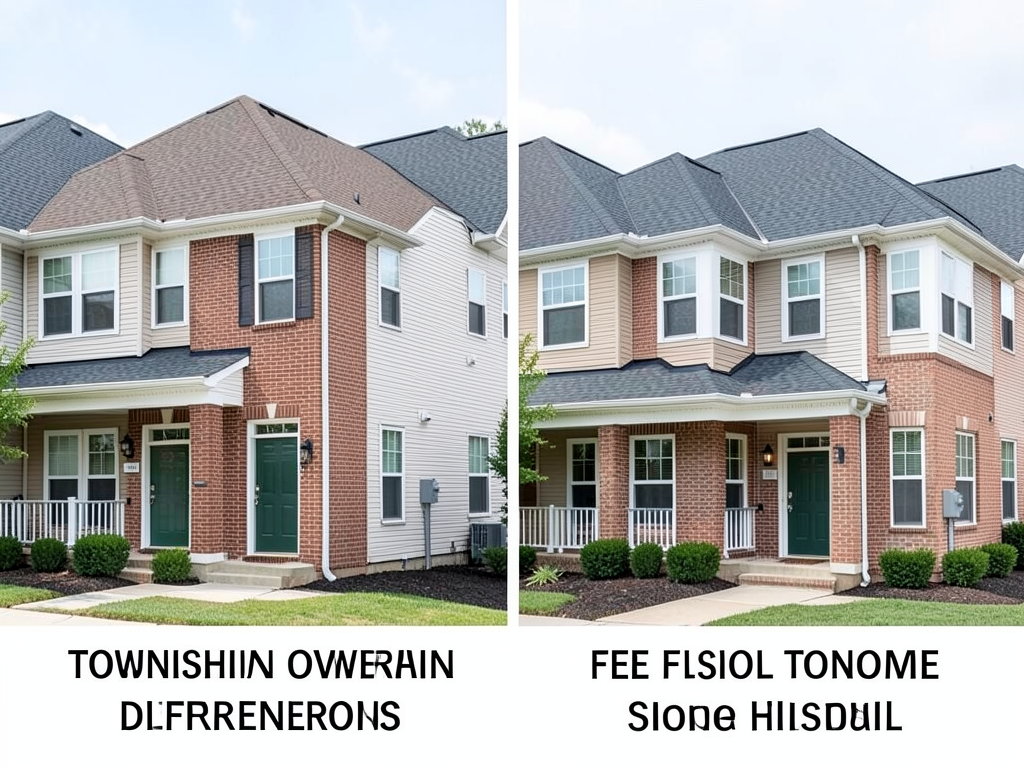
Before you call anyone for repairs, you need to understand who actually owns what. In San Antonio, townhome ownership typically falls into two categories: fee simple ownership where you own everything from the roof down, or condominium regime where the HOA owns and maintains the roof structure. The distinction matters because it determines who writes the check when hail damage hits your neighborhood.
Understanding Townhome Ownership Types in San Antonio
San Antonio’s rapid townhome development in areas like Stone Oak and Alamo Heights has created confusion about ownership responsibilities. Here’s how to figure out which category your property falls into.
Fee Simple Ownership
In fee simple townhomes, you own the entire structure including the roof, exterior walls, and sometimes even the land beneath your unit. The HOA typically maintains only common areas like landscaping, parking lots, and shared amenities. When your roof leaks in a fee simple townhome, you’re responsible for repairs and your homeowners insurance covers the damage.
Condominium Regime Ownership
Under the Texas Uniform Condominium Act, the HOA owns the roof structure and exterior building envelope. You own everything inside your unit’s walls. This means the HOA handles roof repairs, but you pay for this through your monthly maintenance fees. The HOA’s master insurance policy covers the roof structure while you maintain individual contents coverage.
Most new townhome developments in San Antonio’s Medical Center area and along the IH-10 corridor use the condominium model because it simplifies maintenance and insurance responsibilities across multiple buildings.
How to Read Your HOA’s CC&Rs for Roof Responsibility
Your HOA’s Declaration of Covenants, Conditions, and Restrictions contains the specific language about who maintains what. Look for these key terms in your CC&Rs:
- Common Area – Property owned and maintained by the HOA
- Limited Common Area – Property shared by specific owners but maintained by the HOA
- Exclusive Use Area – Property you control but the HOA may maintain
- Building Exterior – Usually includes roof, siding, and structural components
Search for phrases like “roof maintenance responsibility,” “exterior building maintenance,” or “common area roof repair.” If you can’t find clear language, Texas law defaults to the condominium model for multi-unit buildings.
Common Scenarios: Hail Damage and Insurance Coverage
San Antonio’s location in Hail Alley means roof damage happens frequently. Understanding who pays for what during these events prevents costly mistakes. Understanding Roof Warranties.
Hail Damage in Condominium Townhomes
When hail damages the roof of a condominium-style townhome, the HOA files a claim under their master insurance policy. You don’t pay a deductible directly, but your HOA fees may increase to cover the policy’s deductible or any costs above the insurance payout. The HOA must repair the roof to pre-damage condition using materials that match the original specifications.
Hail Damage in Fee Simple Townhomes
You file a claim with your individual homeowners insurance policy. The HOA has no responsibility unless the damage originated from a common area element, like a falling tree from shared property. Your insurance covers repairs minus your deductible, and you can choose replacement materials within policy limits.
Party Wall Considerations
Many San Antonio townhomes share walls between units. If your roof repair affects a neighbor’s unit, both parties typically share repair costs proportionally. Your CC&Rs should specify how party wall repairs are handled, but Texas law requires mutual agreement on shared structure repairs.
Texas Property Code Chapter 82: What State Law Says
Texas Property Code Chapter 82 governs condominiums and contains specific provisions about roof responsibility. The law states that the association must maintain, repair, and replace common elements, which includes the roof in multi-unit buildings. Individual owners maintain exclusive use areas and improvements within their units.
The code also addresses insurance requirements. Associations must maintain property insurance covering common elements against risks like fire, windstorm, and hail. Individual owners must maintain insurance for their personal property and any improvements they’ve made to their units.
For fee simple townhomes, Chapter 82 doesn’t apply directly, but local building codes and property deeds still govern responsibility. Bexar County Appraisal District classifications can help determine your ownership structure if your documents are unclear. Bexar County Appraisal District.
Steps to Take When Your Townhome Roof Needs Repair
Before you call a roofing contractor, follow these steps to determine responsibility and avoid unnecessary expenses. Built-Up Roofing (BUR).
- Review Your HOA Documents
Locate your CC&Rs, bylaws, and any amendments. Search specifically for roof maintenance language. If you don’t have copies, request them from your HOA board or property manager.
- Check Your Property Deed
Your deed contains the legal description of what you own. Look for terms like “fee simple,” “condominium regime,” or “townhouse with exclusive use yard.” This document overrides any conflicting HOA rules.
- Review Insurance Policies
Examine both your individual policy and request a copy of the HOA’s master insurance policy. Look for coverage limits, deductibles, and exclusions. HO-6 policies cover condominium owners while HO-3 policies cover fee simple owners.
- Contact Your HOA Board
Submit a written request for clarification about roof responsibility. Ask specifically whether the roof is a common element and who handles repairs. Get the response in writing for your records.
- Document the Damage
Take photos of the damage, note when you first noticed the problem, and document any interior damage that may have resulted from roof leaks. This information helps both the HOA and insurance adjusters.
San Antonio Building Permit Requirements
Whether you or your HOA handles repairs, San Antonio Development Services Department requires permits for most roof work. The requirements depend on the scope of repairs.
Minor repairs like replacing fewer than 100 square feet of shingles typically don’t require permits. However, full roof replacements, structural repairs, or work affecting the building’s weatherproofing needs permits. The HOA usually handles permit applications for common area roofs, while individual owners obtain permits for their own unit repairs.
San Antonio’s building codes require specific materials and installation methods based on your roof’s age and the neighborhood’s architectural guidelines. Historic districts like Monte Vista have additional restrictions on roofing materials and colors.
Common Area Maintenance (CAM) Fees and Roof Reserves
Your monthly HOA fees include contributions to a reserve fund for major repairs like roof replacements. Texas law requires HOAs to maintain adequate reserves for common element replacements. If your HOA hasn’t been saving properly, you might face a special assessment when your roof needs replacement.
Ask your HOA for their reserve study, which projects when major components like roofs need replacement and estimates the costs. A well-managed HOA in neighborhoods like Stone Oak or Alamo Heights should have roof replacement scheduled and funded years in advance.
Bexar County Appraisal District Classifications
The BCAD classifies properties based on their ownership structure, which affects both tax assessments and maintenance responsibilities. Condominium units are assessed differently than fee simple townhomes, and this classification appears on your property tax records.
If you’re unsure about your ownership structure, check your BCAD records online. The classification will indicate whether you own just the interior space or the entire structure. This information helps resolve disputes about who should pay for repairs.
Finding the Right Contractor for Townhome Roof Repairs
Once you’ve determined responsibility, you need a contractor who understands multi-family roofing complexities. Townhome roofs often involve shared structures, party walls, and strict HOA requirements that differ from single-family homes.
Look for contractors experienced with San Antonio’s specific challenges: hail damage assessment, matching existing materials in historic districts, and navigating HOA approval processes. They should understand how to work with multiple stakeholders when repairs affect adjacent units.
Ask potential contractors about their experience with townhome communities, their familiarity with local building codes, and their process for obtaining HOA approvals. They should provide detailed proposals that address both the technical repair work and the administrative requirements.
Preventing Future Roof Problems in Your Townhome
Whether you’re responsible for your roof or your HOA handles it, you can take steps to prevent costly repairs. Regular maintenance extends roof life and prevents leaks that damage your interior finishes.
If you own your roof, schedule annual inspections to catch problems early. Clean gutters regularly to prevent water backup, and trim trees that could damage shingles during storms. Document your maintenance efforts in case you need to file an insurance claim later.
If your HOA maintains the roof, attend board meetings and review maintenance reports. Ask about the roof’s age and condition, and inquire about reserve funding for future replacements. Proactive HOAs prevent emergency repairs that lead to special assessments. Emergency Roof Leak Detection.
Frequently Asked Questions
Who pays for routine roof maintenance in a San Antonio townhome?
It depends on your ownership structure. In condominium regimes, the HOA pays for routine maintenance using your monthly fees. In fee simple townhomes, you’re responsible for all maintenance costs. Check your CC&Rs for specific language about routine versus major repairs.
What if my HOA refuses to repair a roof they’re responsible for?
First, submit a written request for repairs with photos and documentation. If the HOA still refuses, you may need to escalate to the Texas Department of Licensing and Regulation or consult an attorney specializing in HOA disputes. Document all communications for potential legal action.
How do I know if my townhome is classified as a condominium or fee simple?
Check your property deed, CC&Rs, and BCAD records. Look for terms like “condominium regime,” “fee simple,” or “townhouse with exclusive use area.” If documents are unclear, ask your HOA board or a real estate attorney to review your paperwork.
Does homeowners insurance cover roof repairs in townhomes?
Your individual policy covers interior damage from roof leaks regardless of who maintains the roof. If you own the roof (fee simple), your policy also covers roof damage. If the HOA owns the roof (condominium), their master policy covers the structure while you maintain contents coverage.
How long do townhome roofs typically last in San Antonio’s climate?
Most asphalt shingle roofs last 15-20 years in San Antonio due to intense UV exposure and frequent hail. Tile roofs can last 30-50 years but may require more frequent maintenance. Your roof’s lifespan depends on materials, installation quality, and maintenance history.
Don’t Wait Until Water Damage Becomes Structural Damage
Roof problems in townhomes escalate quickly, especially during San Antonio’s storm season. Whether you’re responsible for repairs or need to work with your HOA, early intervention prevents costly interior damage and potential mold issues.
Summit Roofing San Antonio understands the complexities of multi-family roofing in our community. We’ve worked with countless townhome associations throughout Stone Oak, Alamo Heights, and the Medical Center area to resolve roof issues efficiently while maintaining strict compliance with HOA requirements.
Before you pay for unnecessary repairs or let damage worsen, get a professional assessment. Our team will help you determine responsibility, navigate HOA processes, and provide accurate repair estimates that protect your investment.
Call Summit Roofing San Antonio today at (726) 256-6199 for a free HOA-compliant roof inspection. We’ll help you understand exactly who’s responsible for your roof repairs and provide clear options for moving forward.
Learn more about current roofing costs in San Antonio
Understand the hail damage repair process
Get emergency leak repair guidance