
What happens to your roof shingles during a San Antonio deep freeze
When San Antonio temperatures drop below freezing your roof faces unique challenges that many homeowners don’t expect. While we’re famous for our scorching summers those rare cold snaps can cause serious damage to your shingles if you’re not prepared. How to get your San Antonio roof fixed after a major hail storm.
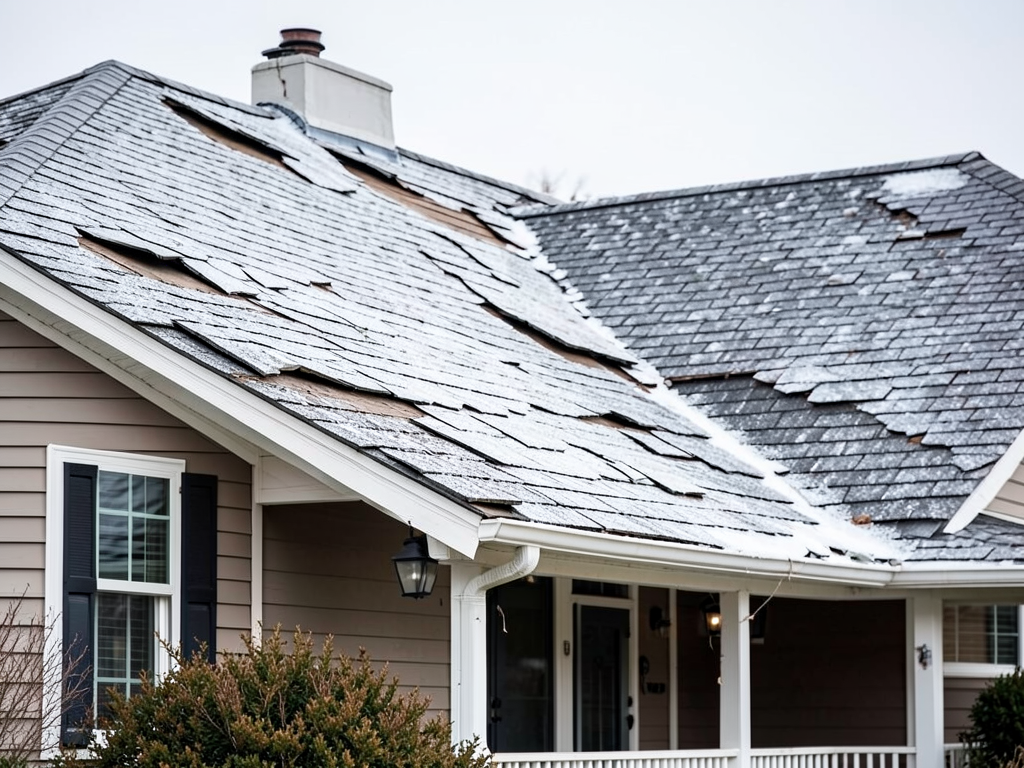
San Antonio’s climate creates a perfect storm for winter roof damage. Our homes aren’t built for extreme cold and when temperatures suddenly drop from the 70s to the 20s the rapid thermal shock can crack and split shingles. This is especially true for asphalt shingles which make up about 80% of roofs in neighborhoods like Alamo Heights and Stone Oak. What to do when your San Antonio roof starts leaking in the middle of a storm.
Why San Antonio roofs are vulnerable to freezing temperatures
The biggest threat to your roof during a deep freeze is thermal expansion and contraction. When temperatures swing dramatically materials expand and contract at different rates. Your roof deck might move slightly but your shingles can’t keep up leading to cracks and splits.
Another major issue is moisture. San Antonio’s high humidity means your roof often has moisture trapped underneath the shingles. When that moisture freezes it expands and can push shingles apart from the roof deck. This creates gaps where water can seep in once temperatures rise again.
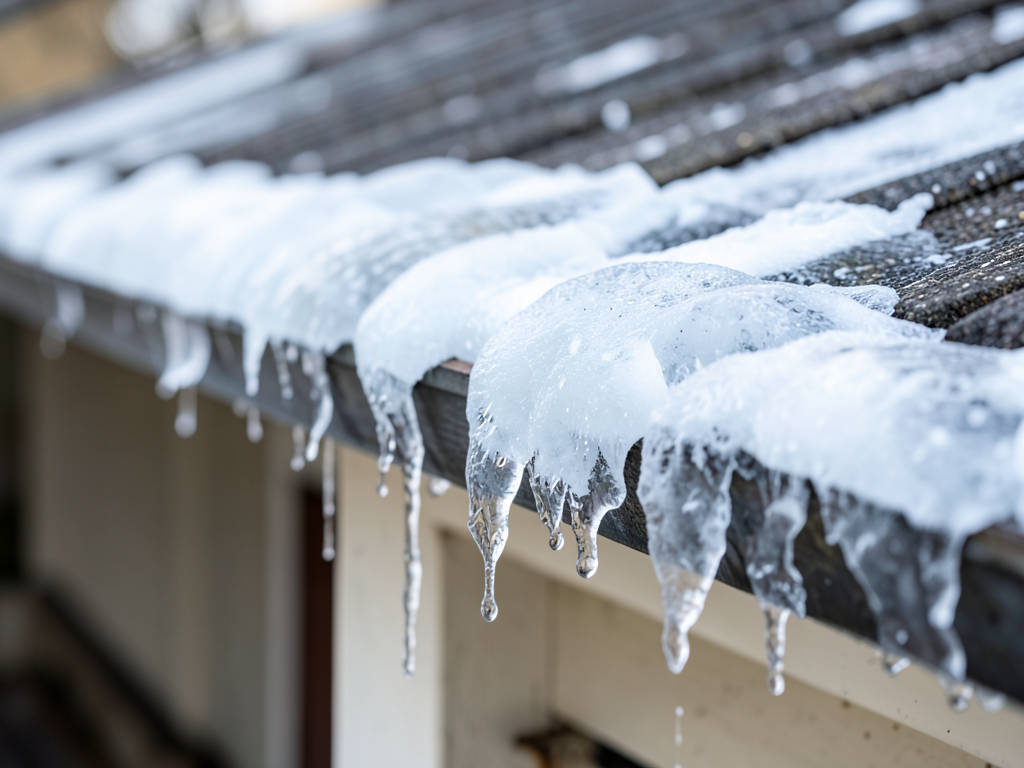
Ice dams can also form in San Antonio even though we rarely see heavy snow. When daytime temperatures hover just above freezing and nighttime temperatures drop below melting snow or ice can refreeze at your roof’s edge creating a dam that backs up water under your shingles.
5 common signs of winter damage in South Texas
- Bent or curled shingle edges – Look for shingles that appear to be peeling up at the corners. This happens when ice gets underneath and lifts them.
- Missing granules – Check your gutters for an unusual amount of shingle granules. The freeze-thaw cycle can cause them to break loose.
- Flashing leaks – Ice can force its way into the small gaps around chimneys vents and skylights causing leaks.
- Gutter separation – The weight of ice in your gutters can pull them away from your fascia board.
- Attic condensation – Poor attic ventilation combined with temperature swings can cause moisture to build up on your attic ceiling.
The role of ice dams in a non-traditional winter climate
While San Antonio rarely sees the heavy snow that creates massive ice dams in northern states we do experience a different kind of ice dam problem. Our mild winters mean many homes have inadequate attic insulation. When heat escapes through your ceiling it can melt snow or ice on your roof during the day.
This melted water runs down to the colder eaves and refreezes creating a smaller but still problematic ice dam. The trapped water can back up under your shingles and cause leaks especially in homes in older neighborhoods like King William or Monte Vista where insulation standards were lower when built.
Proper attic ventilation is crucial for preventing this. Your attic should have a balance of intake and exhaust vents to keep the entire roof deck at a consistent temperature. This prevents the freeze-thaw cycle that leads to ice dams.
Navigating insurance claims for winter storm damage
Documenting winter roof damage in San Antonio requires a specific approach. Insurance companies often question whether freeze damage actually occurred since our winters are typically mild. You need clear evidence that damage happened during the cold snap. How much a new roof actually costs in San Antonio right now.
Take photos immediately after discovering damage but also document the weather conditions. Save screenshots from local weather stations showing the temperature drop. If possible have a licensed roofing contractor inspect your roof and provide a written report. Built-Up Roofing (BUR).
The typical timeline for filing a claim is 30-60 days after the damage occurs but you should start the process as soon as you notice problems. Waiting until spring could mean missing the window for coverage especially if spring rains cause additional damage to already compromised areas. How to Get Your Commercial Flat Roof Ready for San Antonio Summer Storms.
San Antonio roofing case studies
A homeowner in Stone Oak discovered extensive shingle cracking after the 2021 winter storm. The rapid temperature drop from 75°F to 18°F caused thermal shock that split many three-tab shingles. The insurance company initially denied the claim arguing the damage was from normal wear. However documentation of the extreme temperature swing and expert testimony about thermal shock damage led to full coverage for replacement.
In Alamo Heights a Spanish colonial home with clay tile roofing experienced a different problem. The tiles themselves didn’t crack but the mortar holding them in place became brittle in the cold and failed. This allowed wind-driven rain to penetrate the underlayment causing interior damage that wasn’t immediately visible from the outside.
A commercial building in the Medical Center area had a built-up roof system that developed ice formation in roof drains. The trapped water expanded as it froze causing the drains to burst. This led to ponding water issues that required complete drain replacement and underlayment repair.
Emergency DIY mitigation steps
If you discover roof damage during a freeze there are several immediate steps you can take while waiting for professional help. First prevent further water intrusion by placing buckets under active leaks. Move valuable items away from affected areas.
For small leaks you can apply emergency roof sealant from inside your attic. Look for the source of the leak and apply the sealant around the damaged area. This won’t fix the underlying problem but can prevent water from entering your living space.
If you have access to your roof and feel comfortable working on it you can apply a tarp over the damaged area. Use 2×4 boards to secure the tarp and prevent wind from lifting it. Never attempt this during active freezing conditions or if your roof is icy.
Document everything with photos and notes about when you discovered the damage and what steps you took. This information will be valuable for insurance claims and for the roofing contractor who repairs the damage.
Material-specific vulnerabilities
Different roofing materials react differently to freezing temperatures. Asphalt shingles the most common in San Antonio become brittle when cold. The fiberglass mat in architectural shingles can develop stress fractures if bent while frozen.
Clay and concrete tiles are less likely to crack from cold alone but they’re heavy and the supporting structure can be stressed by the additional weight of ice and snow. The mortar between tiles can also fail in freezing temperatures.
Metal roofing handles cold well but can develop condensation issues if attic ventilation is poor. The temperature difference between the cold metal and warm interior air can cause moisture to form on the underside of the metal panels.
Flat roofs with built-up roofing or modified bitumen can develop ice in drains and scuppers. When this ice expands it can damage the roofing membrane and create leaks that aren’t visible until the ice melts.
Local tree risk factors
San Antonio’s mature live oak trees create specific winter roof hazards. These trees keep their leaves through much of the winter and when ice accumulates on both leaves and branches the extra weight can cause limbs to break and fall onto roofs.
Ice accumulation on overhanging branches can also deposit additional weight directly onto your roof surface. This is particularly problematic for older homes in neighborhoods like Terrell Hills or Olmos Park where large trees are close to houses.
Before winter arrives trim back any branches that overhang your roof. A good rule of thumb is to maintain at least 6 feet of clearance between tree limbs and your roof surface. This prevents both physical damage from falling limbs and reduces the amount of debris that can trap moisture against your shingles.
Building code compliance for winter preparation
San Antonio’s building codes don’t specifically address winter roof preparation since severe winter weather is rare. However Chapter 15 of the San Antonio Development Code does require proper underlayment installation and adequate attic ventilation both of which are crucial for winter roof performance.
The International Building Code which Texas adopts requires that roofing systems be designed to handle the expected loads in their region. While San Antonio isn’t in a high snow load area the code still requires roofs to support the weight of accumulated precipitation.
For homes built before 2001 the underlayment requirements were less stringent. If your home is older consider having a professional inspect whether your underlayment meets current standards. This is especially important if you’re planning to file an insurance claim for winter damage.
Professional inspection checklist
When hiring a roofing contractor to inspect for winter damage they should check these specific items:
- Cracked or split shingles especially along roof edges and in areas with direct sun exposure
- Damaged flashing around chimneys vents and skylights
- Gutter and downspout integrity including secure attachment to fascia
- Attic ventilation and signs of moisture accumulation
- Underlayment condition particularly in valleys and around roof penetrations
- Structural integrity of decking in areas where ice may have accumulated
A thorough inspection should include both exterior and interior examination. The contractor should use a moisture meter to detect hidden water damage and may recommend infrared scanning to identify temperature variations that indicate insulation problems.
Prevention strategies for next winter
Once you’ve addressed immediate winter damage consider these long-term prevention strategies. First improve your attic insulation to meet or exceed current building codes. This keeps heat from escaping through your ceiling and creating the temperature variations that lead to ice dams.
Install heat cables along your roof edges and in gutters if you’ve had repeated ice dam problems. These low-voltage cables prevent ice from forming in the first place by maintaining temperatures above freezing in critical areas.
Consider upgrading to impact-resistant shingles if you’re due for a roof replacement. While these are designed primarily for hail resistance they also tend to perform better in extreme temperature conditions due to their reinforced construction.
Schedule annual roof inspections in late fall to identify and address any vulnerabilities before winter arrives. A professional can spot loose flashing damaged underlayment or ventilation issues that you might miss.
When to call a professional
While some roof inspections you can do yourself certain situations require professional attention. If you notice active leaks see daylight through your roof boards or discover extensive granule loss it’s time to call a licensed roofing contractor.
Also contact a professional if your roof is over 15 years old if you’re unsure about the extent of damage or if you need to file an insurance claim. A qualified contractor can provide the documentation and expert opinion that insurance companies require.
Look for contractors with specific experience in San Antonio’s climate and building codes. They should be familiar with local weather patterns and understand how our unique conditions affect roofing materials and installation methods.
Cost factors for winter repairs
The cost of repairing winter roof damage varies significantly based on several factors. Simple shingle replacement might cost a few hundred dollars while extensive structural repairs could run into the thousands.
Factors affecting cost include the extent of damage roof accessibility materials needed and whether repairs are covered by insurance. Emergency repairs during active freeze conditions typically cost more due to the additional safety precautions and equipment required.
Insurance coverage can significantly reduce your out-of-pocket expenses but you’ll still need to pay your deductible. Some policies also have specific requirements about using licensed contractors or obtaining multiple estimates.
Long-term roof health in San Antonio
Maintaining your roof’s health goes beyond just addressing winter damage. San Antonio’s intense UV exposure occasional hail storms and humidity all take their toll on roofing materials throughout the year.
Regular maintenance including cleaning gutters removing debris and checking for damage after storms helps prevent small issues from becoming major problems. This is especially important as your roof ages and becomes more vulnerable to weather extremes.
Consider your roof as part of your home’s overall weather protection system. Proper insulation ventilation and maintenance not only protect against winter damage but also improve energy efficiency and extend your roof’s lifespan.
Local resources and support
San Antonio offers several resources for homeowners dealing with roof damage. The San Antonio Development Services Department provides information about building codes and permit requirements. The Texas Department of Insurance offers guidance on filing insurance claims and understanding your coverage.
Local roofing associations and the Better Business Bureau can help you find reputable contractors. Always verify licensing and insurance before hiring anyone to work on your roof.
For emergency situations the City of San Antonio maintains a list of emergency repair contractors who can respond quickly to prevent further damage to your home.
Frequently Asked Questions
How cold does it need to get to damage my roof shingles?
Shingle damage typically occurs when temperatures drop below 20°F especially if there’s a rapid temperature change. However the combination of cold and moisture is more damaging than cold alone.
Can I prevent ice dams on my San Antonio roof?
Yes proper attic insulation and ventilation are the best prevention methods. Keep your attic temperature close to the outside air temperature to prevent snow from melting and refreezing at the eaves.
How long do I have to file an insurance claim for winter roof damage?
Most policies require you to file within 30-60 days of discovering the damage. However you should start the process as soon as you notice problems to ensure timely coverage.
Should I have my roof inspected after every freeze?
Not necessarily. Have it inspected if you notice signs of damage if the freeze was severe or if your roof is over 10 years old. Annual inspections are recommended regardless of weather events.
What’s the difference between hail damage and freeze damage?
Hail damage typically appears as dents or bruises on shingles while freeze damage often shows as cracks splits or curled edges. A professional can distinguish between the two types of damage.
{
“@context”: “https://schema.org”,
“@type”: “BlogPosting”,
“headline”: “What happens to your roof shingles during a San Antonio deep freeze”,
“description”: “Learn how San Antonio’s rare deep freezes affect your roof shingles and what you can do to prevent damage. Expert advice for Texas homeowners.”,
“wordCount”: 2361,
“datePublished”: “2026-05-16T11:03:00.000Z”,
“dateModified”: “2026-05-16T11:03:00.000Z”,
“inLanguage”: “en-US”,
“mainEntityOfPage”: {
“@type”: “WebPage”,
“@id”: “https://summitroofingsanantonio.com”
},
“publisher”: {
“@type”: “LocalBusiness”,
“name”: “Summit Roofing San Antonio”,
“url”: “https://summitroofingsanantonio.com”
},
“author”: {
“@type”: “Organization”,
“name”: “Summit Roofing San Antonio”,
“url”: “https://summitroofingsanantonio.com”
},
“image”: {
“@type”: “ImageObject”,
“url”: “https://summitroofingsanantonio.com/wp-content/uploads/2026/03/what-happens-to-your-roof-shingles-during-a-san-an-1.png”
}
}
{
“@context”: “https://schema.org”,
“@type”: “RoofingContractor”,
“name”: “Summit Roofing San Antonio”,
“url”: “https://summitroofingsanantonio.com”,
“address”: {
“@type”: “PostalAddress”,
“addressLocality”: “San Antonio”
},
“areaServed”: {
“@type”: “City”,
“name”: “San Antonio”
}
}
{
“@context”: “https://schema.org”,
“@type”: “FAQPage”,
“mainEntity”: [
{
“@type”: “Question”,
“name”: “How cold does it need to get to damage my roof shingles?”,
“acceptedAnswer”: {
“@type”: “Answer”,
“text”: “Shingle damage typically occurs when temperatures drop below 20°F especially if there’s a rapid temperature change. However the combination of cold and moisture is more damaging than cold alone.”
}
},
{
“@type”: “Question”,
“name”: “Can I prevent ice dams on my San Antonio roof?”,
“acceptedAnswer”: {
“@type”: “Answer”,
“text”: “Yes proper attic insulation and ventilation are the best prevention methods. Keep your attic temperature close to the outside air temperature to prevent snow from melting and refreezing at the eaves.”
}
},
{
“@type”: “Question”,
“name”: “How long do I have to file an insurance claim for winter roof damage?”,
“acceptedAnswer”: {
“@type”: “Answer”,
“text”: “Most policies require you to file within 30-60 days of discovering the damage. However you should start the process as soon as you notice problems to ensure timely coverage.”
}
},
{
“@type”: “Question”,
“name”: “Should I have my roof inspected after every freeze?”,
“acceptedAnswer”: {
“@type”: “Answer”,
“text”: “Not necessarily. Have it inspected if you notice signs of damage if the freeze was severe or if your roof is over 10 years old. Annual inspections are recommended regardless of weather events.”
}
},
{
“@type”: “Question”,
“name”: “What’s the difference between hail damage and freeze damage?”,
“acceptedAnswer”: {
“@type”: “Answer”,
“text”: “Hail damage typically appears as dents or bruises on shingles while freeze damage often shows as cracks splits or curled edges. A professional can distinguish between the two types of damage.”
}
}
]
}
{
“@context”: “https://schema.org”,
“@type”: “BreadcrumbList”,
“itemListElement”: [
{
“@type”: “ListItem”,
“position”: 1,
“name”: “Home”,
“item”: “https://summitroofingsanantonio.com”
},
{
“@type”: “ListItem”,
“position”: 2,
“name”: “Blog”,
“item”: “https://summitroofingsanantonio.com/blog”
},
{
“@type”: “ListItem”,
“position”: 3,
“name”: “What happens to your roof shingles during a San Antonio deep freeze”
}
]
}
{
“@context”: “https://schema.org”,
“@type”: “Service”,
“serviceType”: “Roofing”,
“provider”: {
“@type”: “LocalBusiness”,
“name”: “Summit Roofing San Antonio”,
“url”: “https://summitroofingsanantonio.com”
},
“areaServed”: {
“@type”: “City”,
“name”: “San Antonio”
},
“description”: “Learn how San Antonio’s rare deep freezes affect your roof shingles and what you can do to prevent damage. Expert advice for Texas homeowners.”
}