
Understanding how Texas wildfire risks should influence your choice of roofing materials
Living in San Antonio means dealing with intense heat, sudden storms, and growing wildfire concerns near the Hill Country. Fire risks in Texas have increased in recent years and your roof plays a critical role in protecting your home. Choosing the right fire-rated materials can mean the difference between minor damage and total loss during a wildfire event. Texas wildfire information.
Understanding Fire Ratings: Class A vs. Class B vs. Class C
Roofing materials receive fire ratings from Underwriters Laboratories based on how they perform in flame exposure tests. Class A offers the highest protection against severe fire exposure. Class B provides moderate protection. Class C offers light protection suitable only for areas with minimal fire risk. Built-Up Roofing (BUR).
Class A materials can withstand severe fire exposure without igniting or spreading flames. This matters in San Antonio because many neighborhoods sit near the Wildland-Urban Interface where homes border undeveloped land. A Class A rating becomes essential when embers can travel miles ahead of a wildfire front. How to get your San Antonio roof fixed after a major hail storm.
Testing follows UL 790 standards which measure flame spread, intermittent flame, and burning brand exposure. Materials must stop flames within ten feet of the test panel edge to earn Class A status. Class B allows flames to spread between six and eight feet. Class C permits flames to travel more than eight feet. UL 790 fire testing standards.
Top Fire-Resistant Roofing Options for the San Antonio Climate
San Antonio’s extreme heat and UV exposure create unique challenges for fire-resistant materials. High temperatures can degrade certain fire treatments over time. Humidity promotes algae growth on some surfaces. The right material must balance fire protection with local weather durability. What to do when your San Antonio roof starts leaking in the middle of a storm.
Metal Roofing Systems
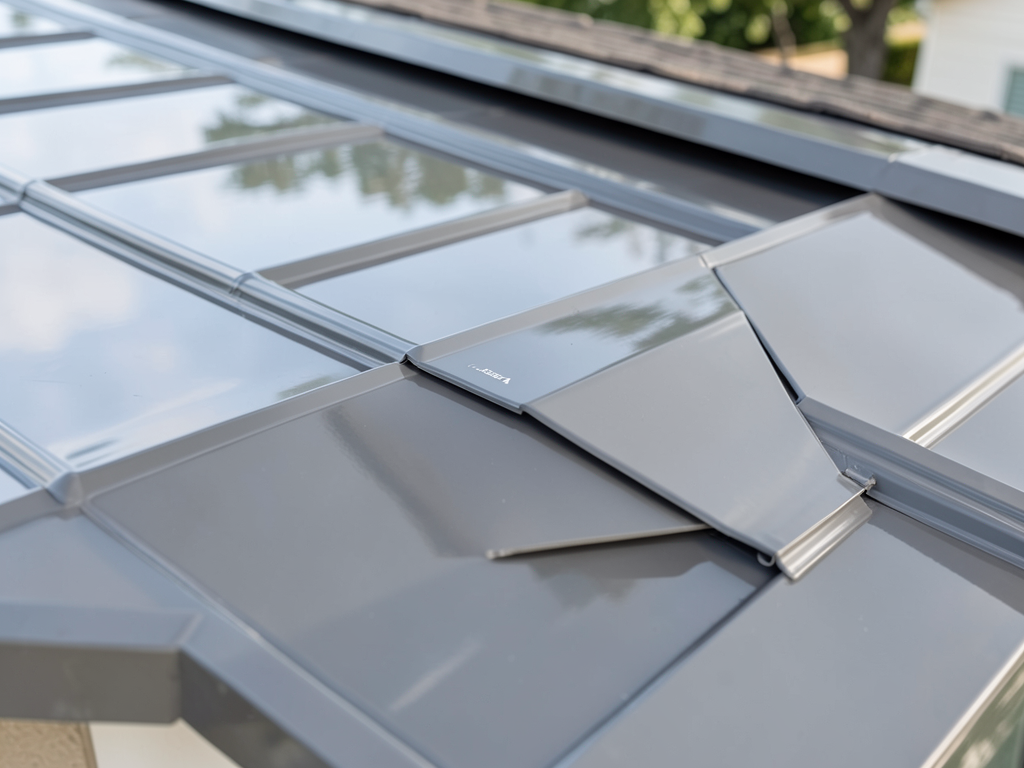
Standing seam metal roofing achieves Class A ratings naturally without additional treatments. Steel panels reflect heat and resist ignition from embers. Metal roofs last 40 to 70 years in San Antonio’s climate when properly installed with heat-reflective coatings.. Read more about The best roofing materials for blocking out airport noise near Oakwell Farms.
Stone-coated steel combines metal strength with aesthetic appeal. These panels mimic tile or shake appearances while maintaining Class A fire resistance. The coating protects against UV damage and salt air corrosion common near San Antonio’s industrial areas.
Clay and Concrete Tile
Clay tiles offer natural Class A fire resistance with excellent heat reflection. Their heavy weight provides stability during high winds common in spring storms. Clay tiles suit Mediterranean and Spanish Colonial homes popular in neighborhoods like Alamo Heights and Terrell Hills.
Concrete tiles provide similar fire protection at lower cost than clay. Modern concrete tiles include color-through technology that resists fading from San Antonio’s intense sunlight. Both materials require reinforced roof structures due to their weight.
Synthetic Composite Shingles
Advanced polymer shingles now achieve Class A ratings while weighing much less than traditional materials. These products resist both fire and impact damage from hail. Composite shingles work well for neighborhoods with strict HOA guidelines that limit metal or tile installations.. Read more about Are recycled rubber shingles a viable option for eco-conscious homeowners in Lone Star?.
Modified Asphalt Shingles
Fiberglass-based asphalt shingles can achieve Class A ratings when paired with proper underlayment systems. Look for products with fiberglass mats rather than organic felt. These shingles cost less than premium options while providing adequate fire protection for many San Antonio homes.
San Antonio Building Codes and Fire Safety Requirements
The City of San Antonio Unified Development Code requires Class A fire ratings for all new construction in designated wildfire risk areas. The Bexar County Fire Marshal enforces additional requirements in unincorporated areas near the Hill Country.
Neighborhoods in the Dominion and surrounding areas must comply with stricter fire safety standards due to their proximity to wildland vegetation. These areas require non-combustible roofing materials and specific ember protection measures.
Local building officials reference the International Building Code with Texas amendments. The Texas Department of Insurance provides guidelines for materials that qualify for insurance premium discounts. Homes in high-risk zones may need additional documentation proving compliance.
Wildland-Urban Interface Zones in Bexar County
Bexar County identifies specific areas where homes border undeveloped land. These WUI zones require enhanced fire protection measures including Class A roofing, ember-resistant vents, and non-combustible siding within ten feet of the roof edge.
The county updates WUI maps annually based on vegetation growth and drought conditions. Properties in newly designated zones may need roof replacements to meet current standards. Insurance companies often require documentation of compliance before issuing policies.
The Role of Underlayment in Fire Resistance
Fire rating depends on the complete roofing system not just the visible surface material. Underlayment provides crucial protection when embers penetrate the top layer. Class A systems require specific underlayment types that maintain fire resistance even when exposed.
Self-adhering modified bitumen underlayment offers superior protection compared to traditional felt paper. These products seal around fasteners and resist heat degradation. Some systems include reflective properties that reduce attic temperatures in San Antonio’s climate.
Double-layer underlayment installation provides backup protection if the primary layer fails. This becomes critical in areas where embers can smolder for hours before igniting visible flames. The extra layer buys valuable time for emergency response.
Cost Considerations for Fire-Rated Roofing in San Antonio
Fire-rated materials typically cost more upfront than standard options. Metal roofing ranges from $8 to $15 per square foot installed. Premium clay tiles cost $12 to $20 per square foot. Composite shingles fall between $6 and $10 per square foot for Class A rated products.
Installation costs vary based on roof complexity and local labor rates. Steep slopes and multiple penetrations increase labor time. Homes in historic districts may need specialized installation techniques that add to overall costs. How much a new roof actually costs in San Antonio right now.
Insurance Premium Benefits
Texas homeowners insurance companies offer premium discounts for Class A rated roofs. Discounts typically range from 5% to 15% depending on the carrier and location. Homes in high-risk areas may see larger discounts due to reduced fire liability.
The Texas Department of Insurance maintains a list of approved fire-resistant materials that qualify for discounts. Some carriers require certification from licensed inspectors before applying premium reductions. Documentation of material specifications and installation methods may be necessary.
Long-Term Value Analysis
Higher quality fire-resistant materials often last longer than standard options. Metal roofs can exceed 50 years of service life. Premium tiles may last over 75 years. This longevity offsets higher initial costs through reduced replacement frequency.
Energy efficiency improvements from reflective coatings provide ongoing utility savings. Cooler roof surfaces reduce air conditioning loads during San Antonio’s long summers. Some metal products qualify for energy efficiency tax credits that further improve return on investment.
Maintenance Requirements for Fire-Resistant Roofs
Regular maintenance ensures continued fire protection performance. Debris accumulation creates fire hazards regardless of material class rating. Leaves and pine needles trap embers against the roof surface where they can smolder undetected.
Annual inspections identify damage that could compromise fire resistance. Cracked tiles, loose metal panels, or deteriorated underlayment reduce system effectiveness. Professional inspections catch problems before they become safety hazards.
Cleaning and Debris Removal
Roof cleaning should occur at least twice yearly in San Antonio. Spring cleaning removes winter debris before fire season intensifies. Fall cleaning eliminates summer buildup that could fuel spot fires. Professional cleaning services use methods that avoid damaging protective coatings.
Gutter maintenance prevents debris accumulation near roof edges where embers concentrate. Clean gutters also ensure proper drainage during San Antonio’s heavy rainfall events. Water damage can compromise fire-resistant properties of some materials.
Repair Protocols
Damaged fire-rated materials require specific repair techniques to maintain protection levels. Replacement sections must match original specifications exactly. Mismatched materials can create weak points where fire penetration becomes more likely.
Emergency repairs after storm damage need temporary protection that maintains fire resistance. Tarps and temporary patches must meet Class A standards until permanent repairs can occur. Some insurance policies require specific temporary protection methods.
Environmental Impact and Sustainability
Fire-resistant roofing materials vary significantly in environmental impact. Metal roofing contains recycled content and becomes fully recyclable at end of life. Many metal products include 25% to 95% recycled steel content depending on the manufacturer.
Clay tiles use natural materials but require significant energy for firing and transport. Concrete tiles include cement production emissions but often contain recycled content. Synthetic composites use petroleum-based materials but may last longer than natural alternatives.
Energy Efficiency Benefits
Reflective roofing reduces urban heat island effects common in San Antonio. Cooler roof surfaces lower ambient temperatures around homes. This benefits entire neighborhoods during extreme heat events when power grids face high demand.
Energy savings from cool roofing can offset higher material costs over time. Some utility companies offer rebates for reflective roofing installations. The CPS Energy solar programs provide incentives for energy-efficient roofing systems.
Material Lifespan Considerations
Longer lasting materials reduce landfill waste and replacement frequency. A roof lasting 50 years produces less waste than one requiring replacement every 20 years. This matters in San Antonio where construction debris management faces increasing scrutiny.
Manufacturing processes continue improving environmental performance. Some manufacturers now use closed-loop water systems and renewable energy in production facilities. Local availability reduces transportation emissions compared to materials shipped from distant locations.
Frequently Asked Questions
Do metal roofs protect against wildfires?
Yes. Standing seam metal roofing provides excellent wildfire protection when properly installed. Steel panels resist ignition from embers and reflect heat away from the structure. Class A rated metal systems include protective underlayment that maintains fire resistance even if the top layer is damaged.
Does a Class A rating lower insurance in Texas?
Most Texas insurance companies offer premium discounts for Class A rated roofs. Discounts typically range from 5% to 15% depending on your location and carrier. Homes in high-risk wildfire areas may qualify for larger discounts. Contact your insurance agent to verify specific discount amounts.
How long do fire-resistant roofs last in San Antonio?
Lifespan varies by material type and quality. Metal roofs typically last 40 to 70 years with proper maintenance. Premium clay tiles can exceed 75 years. High-quality composite shingles generally last 25 to 30 years. Local climate conditions including UV exposure and thermal cycling affect longevity.
Are fire-resistant roofs worth the extra cost?
Fire-resistant roofs provide significant protection value beyond material cost. Insurance discounts offset some upfront expenses. The peace of mind during wildfire season and potential property protection justify the investment for many homeowners. Consider your location’s fire risk and insurance requirements when making decisions.
What maintenance do fire-resistant roofs need?
Fire-resistant roofs require regular cleaning to remove debris that could fuel spot fires. Annual professional inspections identify damage that might compromise protection. Repairs must use matching materials to maintain fire ratings. Gutter cleaning prevents debris accumulation near vulnerable roof edges.
Can I install a fire-resistant roof myself?
Professional installation ensures proper fire rating compliance and warranty coverage. DIY installation may void manufacturer warranties and fail to meet local building code requirements. Fire-rated systems require specific underlayment and installation techniques that trained professionals understand. Understanding Roof Warranties.
Making Your Decision
Choosing fire-resistant roofing involves balancing protection needs, budget constraints, and aesthetic preferences. San Antonio’s unique climate and wildfire risks make Class A protection valuable for many homeowners. Consider your specific location, neighborhood requirements, and long-term value when evaluating options.
Professional assessment helps identify your property’s specific fire risks and code requirements. Local contractors understand San Antonio’s building codes and can recommend materials that provide optimal protection for your situation.

Next Steps for San Antonio Homeowners
Start by having your current roof inspected for fire safety compliance. Many older roofs may not meet current Class A standards even if they appear in good condition. Professional inspections identify upgrade needs and provide documentation for insurance purposes.
Research local building codes for your specific area. Requirements vary between incorporated San Antonio and unincorporated Bexar County. Some neighborhoods have additional restrictions beyond basic code requirements.
Request quotes from multiple contractors who specialize in fire-resistant installations. Compare material options, warranty coverage, and installation experience. Verify contractor licensing and insurance before making commitments.
Protect Your Home Today
Wildfire risks in Texas continue growing each year. Don’t wait until fire season approaches to evaluate your roof’s protection level. Early planning provides time for proper material selection and installation scheduling.
Summit Roofing San Antonio offers free fire safety assessments for local homeowners. Our team understands San Antonio’s specific building codes and wildfire risks. We provide detailed recommendations for improving your home’s fire protection.
Call Summit Roofing San Antonio today at (726) 256-6199 to schedule your free assessment. Protect your family and property with professional fire-resistant roofing solutions designed for Texas conditions.
- Assess Your Risk
Determine if your property sits in a wildfire risk zone or WUI area. Check local building codes for specific requirements.
- Research Materials
Compare Class A rated options including metal, tile, and premium composite shingles. Consider climate compatibility and aesthetic preferences.
- Verify Credentials
Choose contractors with specific experience in fire-resistant installations. Verify licensing, insurance, and local references.
- Review Warranties
Understand warranty coverage for both materials and installation. Fire-resistant systems often include specific warranty provisions.
- Schedule Installation
Plan installations during favorable weather conditions. Allow time for proper permitting and inspections.
You may also find this helpful. Why clearing mountain cedar debris from your gutters is critical in the Hill Country.
You may also find this helpful. Picking the perfect roof style for a Mediterranean home in Cresta Bella.
{
“@context”: “https://schema.org”,
“@type”: “BlogPosting”,
“headline”: “Understanding how Texas wildfire risks should influence your choice of roofing materials”,
“description”: “Learn how San Antonio wildfire zones and Texas building codes affect your roof choice. Compare Class A fire-rated materials and local compliance for maximum home protection.”,
“wordCount”: 2203,
“datePublished”: “2026-06-02T12:33:00.000Z”,
“dateModified”: “2026-06-02T12:33:00.000Z”,
“inLanguage”: “en-US”,
“mainEntityOfPage”: {
“@type”: “WebPage”,
“@id”: “https://summitroofingsanantonio.com”
},
“publisher”: {
“@type”: “LocalBusiness”,
“name”: “Summit Roofing San Antonio”,
“url”: “https://summitroofingsanantonio.com”
},
“author”: {
“@type”: “Organization”,
“name”: “Summit Roofing San Antonio”,
“url”: “https://summitroofingsanantonio.com”
},
“image”: {
“@type”: “ImageObject”,
“url”: “https://summitroofingsanantonio.com/wp-content/uploads/2026/03/understanding-how-texas-wildfire-risks-should-infl-1.png”
}
}
{
“@context”: “https://schema.org”,
“@type”: “RoofingContractor”,
“name”: “Summit Roofing San Antonio”,
“url”: “https://summitroofingsanantonio.com”,
“address”: {
“@type”: “PostalAddress”,
“addressLocality”: “San Antonio”
},
“areaServed”: {
“@type”: “City”,
“name”: “San Antonio”
}
}
{
“@context”: “https://schema.org”,
“@type”: “FAQPage”,
“mainEntity”: [
{
“@type”: “Question”,
“name”: “Do metal roofs protect against wildfires?”,
“acceptedAnswer”: {
“@type”: “Answer”,
“text”: “Yes. Standing seam metal roofing provides excellent wildfire protection when properly installed. Steel panels resist ignition from embers and reflect heat away from the structure. Class A rated metal systems include protective underlayment that maintains fire resistance even if the top layer is damaged.”
}
},
{
“@type”: “Question”,
“name”: “Does a Class A rating lower insurance in Texas?”,
“acceptedAnswer”: {
“@type”: “Answer”,
“text”: “Most Texas insurance companies offer premium discounts for Class A rated roofs. Discounts typically range from 5% to 15% depending on your location and carrier. Homes in high-risk wildfire areas may qualify for larger discounts. Contact your insurance agent to verify specific discount amounts.”
}
},
{
“@type”: “Question”,
“name”: “How long do fire-resistant roofs last in San Antonio?”,
“acceptedAnswer”: {
“@type”: “Answer”,
“text”: “Lifespan varies by material type and quality. Metal roofs typically last 40 to 70 years with proper maintenance. Premium clay tiles can exceed 75 years. High-quality composite shingles generally last 25 to 30 years. Local climate conditions including UV exposure and thermal cycling affect longevity.”
}
},
{
“@type”: “Question”,
“name”: “Are fire-resistant roofs worth the extra cost?”,
“acceptedAnswer”: {
“@type”: “Answer”,
“text”: “Fire-resistant roofs provide significant protection value beyond material cost. Insurance discounts offset some upfront expenses. The peace of mind during wildfire season and potential property protection justify the investment for many homeowners. Consider your location’s fire risk and insurance requirements when making decisions.”
}
},
{
“@type”: “Question”,
“name”: “What maintenance do fire-resistant roofs need?”,
“acceptedAnswer”: {
“@type”: “Answer”,
“text”: “Fire-resistant roofs require regular cleaning to remove debris that could fuel spot fires. Annual professional inspections identify damage that might compromise protection. Repairs must use matching materials to maintain fire ratings. Gutter cleaning prevents debris accumulation near vulnerable roof edges.”
}
},
{
“@type”: “Question”,
“name”: “Can I install a fire-resistant roof myself?”,
“acceptedAnswer”: {
“@type”: “Answer”,
“text”: “Professional installation ensures proper fire rating compliance and warranty coverage. DIY installation may void manufacturer warranties and fail to meet local building code requirements. Fire-rated systems require specific underlayment and installation techniques that trained professionals understand. Understanding Roof Warranties.”
}
}
]
}
{
“@context”: “https://schema.org”,
“@type”: “HowTo”,
“name”: “How to Choose Fire-Resistant Roofing”,
“step”: [
{
“@type”: “HowToStep”,
“position”: 1,
“name”: “Assess Your Risk”,
“text”: “Determine if your property sits in a wildfire risk zone or WUI area. Check local building codes for specific requirements.”
},
{
“@type”: “HowToStep”,
“position”: 2,
“name”: “Research Materials”,
“text”: “Compare Class A rated options including metal, tile, and premium composite shingles. Consider climate compatibility and aesthetic preferences.”
},
{
“@type”: “HowToStep”,
“position”: 3,
“name”: “Verify Credentials”,
“text”: “Choose contractors with specific experience in fire-resistant installations. Verify licensing, insurance, and local references.”
},
{
“@type”: “HowToStep”,
“position”: 4,
“name”: “Review Warranties”,
“text”: “Understand warranty coverage for both materials and installation. Fire-resistant systems often include specific warranty provisions.”
},
{
“@type”: “HowToStep”,
“position”: 5,
“name”: “Schedule Installation”,
“text”: “Plan installations during favorable weather conditions. Allow time for proper permitting and inspections.”
}
],
“image”: “https://summitroofingsanantonio.com/wp-content/uploads/2026/03/understanding-how-texas-wildfire-risks-should-infl-1.png”
}
{
“@context”: “https://schema.org”,
“@type”: “BreadcrumbList”,
“itemListElement”: [
{
“@type”: “ListItem”,
“position”: 1,
“name”: “Home”,
“item”: “https://summitroofingsanantonio.com”
},
{
“@type”: “ListItem”,
“position”: 2,
“name”: “Blog”,
“item”: “https://summitroofingsanantonio.com/blog”
},
{
“@type”: “ListItem”,
“position”: 3,
“name”: “Understanding how Texas wildfire risks should influence your choice of roofing materials”
}
]
}
{
“@context”: “https://schema.org”,
“@type”: “Service”,
“serviceType”: “Roofing”,
“provider”: {
“@type”: “LocalBusiness”,
“name”: “Summit Roofing San Antonio”,
“url”: “https://summitroofingsanantonio.com”
},
“areaServed”: {
“@type”: “City”,
“name”: “San Antonio”
},
“description”: “Learn how San Antonio wildfire zones and Texas building codes affect your roof choice. Compare Class A fire-rated materials and local compliance for maximum home protection.”
}