
The real reason your North Central San Antonio home has recurring roof leaks
Your ceiling stains keep coming back. The same spot leaks every time it rains. You have patched it twice already but the problem persists. This is the reality for many homeowners in North Central San Antonio neighborhoods like Stone Oak and Hollywood Park. The issue is not your patching skills. The issue is what you cannot see from the ground. How to get your San Antonio roof fixed after a major hail storm.
North Central San Antonio homes face unique challenges. The combination of intense summer heat rapid temperature swings and occasional severe storms creates conditions that accelerate roof deterioration. Many homes in this area were built in the 1990s and early 2000s using materials that are now reaching the end of their effective lifespan. The clay soils beneath these neighborhoods also shift seasonally which can stress roof structures in ways that create hidden vulnerabilities. What to do when your San Antonio roof starts leaking in the middle of a storm.
Before you call another roofer to patch the same spot again understand what is really happening above your ceiling.
Common hidden causes of recurring leaks in North Central San Antonio
Most homeowners think a leak means a missing shingle or a visible hole. In reality the most damaging leaks often have no visible entry point from the ground. Here are the real culprits behind those stubborn ceiling stains.. Read more about The most common spot for leaks in multi-level homes across the North Side.
Heat damage that creates invisible pathways
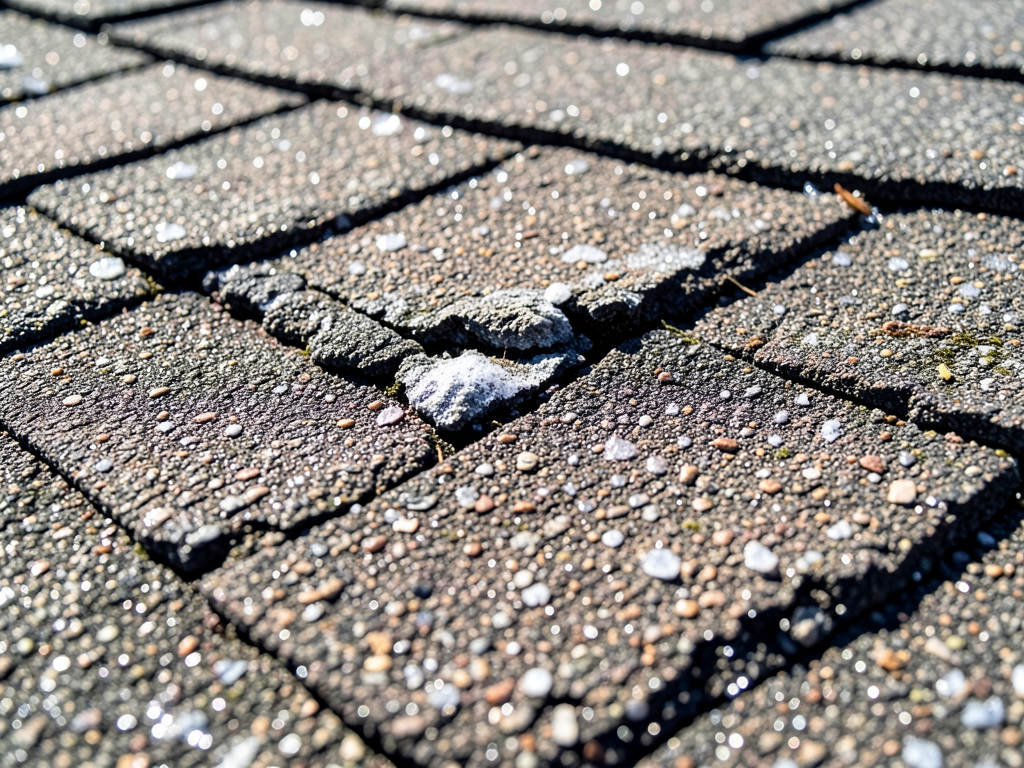
San Antonio summers regularly exceed 100 degrees. This extreme heat causes asphalt shingles to expand and contract repeatedly. Over time this thermal cycling creates microscopic cracks in the shingle surface. These cracks are invisible from the ground but allow water to seep through during heavy rains. The water travels along the underlayment until it finds a weak spot near a vent or seam where it enters your attic.. Read more about How extreme San Antonio freezes can actually damage your roof shingles and pipes.
Hail damage that weakens your roof months before leaks appear
North Central San Antonio experiences frequent hail storms particularly in spring and fall. Hail impacts may not create immediate leaks but they bruise and crack shingles at the granular level. These damaged areas lose their protective coating and become vulnerable to UV degradation. The damage compounds over months until the first heavy rain finds the weakened spots.. Read more about What happens to your roof shingles during a San Antonio deep freeze.
Flashing failures around chimneys and vents
Most North Central homes feature brick chimneys and multiple roof penetrations for plumbing vents HVAC equipment and exhaust fans. The metal flashing that seals these transitions ages differently than the surrounding roofing materials. Heat causes the sealant to dry out and crack. Clay soil movement can shift the chimney slightly breaking the seal. These flashing failures create concentrated leak points that worsen over time. Built-Up Roofing (BUR).
Improper previous repairs that trap moisture
Many recurring leaks trace back to quick fixes that seemed to work initially. A patch over a damaged area without addressing the underlying cause traps moisture against the decking. This creates rot and mold growth that spreads beyond the original repair area. When the next storm hits water finds the path of least resistance through the weakened decking. EPA moisture control guidelines.
How to identify the real source of your leak
Finding the true source of a recurring leak requires systematic investigation. Here is what professionals look for during a comprehensive leak assessment.
- Interior inspection first
Trace the water stain on your ceiling back to its highest point. Water travels along rafters and decking so the entry point is often several feet away from where you see the damage inside.
- Attic examination during daylight
Enter your attic when it is bright outside. Look for daylight coming through the roof deck. Small holes that admit light also admit water.
- Check for proper ventilation
Blocked or inadequate attic ventilation causes heat and moisture buildup that accelerates roof deterioration. Look for proper airflow at soffit vents ridge vents and gable ends.
- Inspect flashing and penetrations
Examine all roof transitions chimneys vents and skylights. Look for cracked sealant rusted metal or separated joints.. Read more about Why your older skylight is most likely to leak during the San Antonio rainy season.
- Assess shingle condition
Check for missing granules curled edges or cracked surfaces. Pay special attention to south and west facing slopes that receive the most sun exposure.
Many homeowners skip these steps and simply call for a patch. This approach often leads to repeated repairs that never solve the underlying problem.. Read more about Why San Antonio restaurant owners should worry about grease trap runoff on their roofs.
Why North Central San Antonio homes are particularly vulnerable
The architectural styles common in North Central San Antonio create specific leak vulnerabilities. Understanding these patterns helps you recognize when your home fits a high-risk profile. Understanding Roof Warranties.
Mediterranean and Spanish Colonial influences
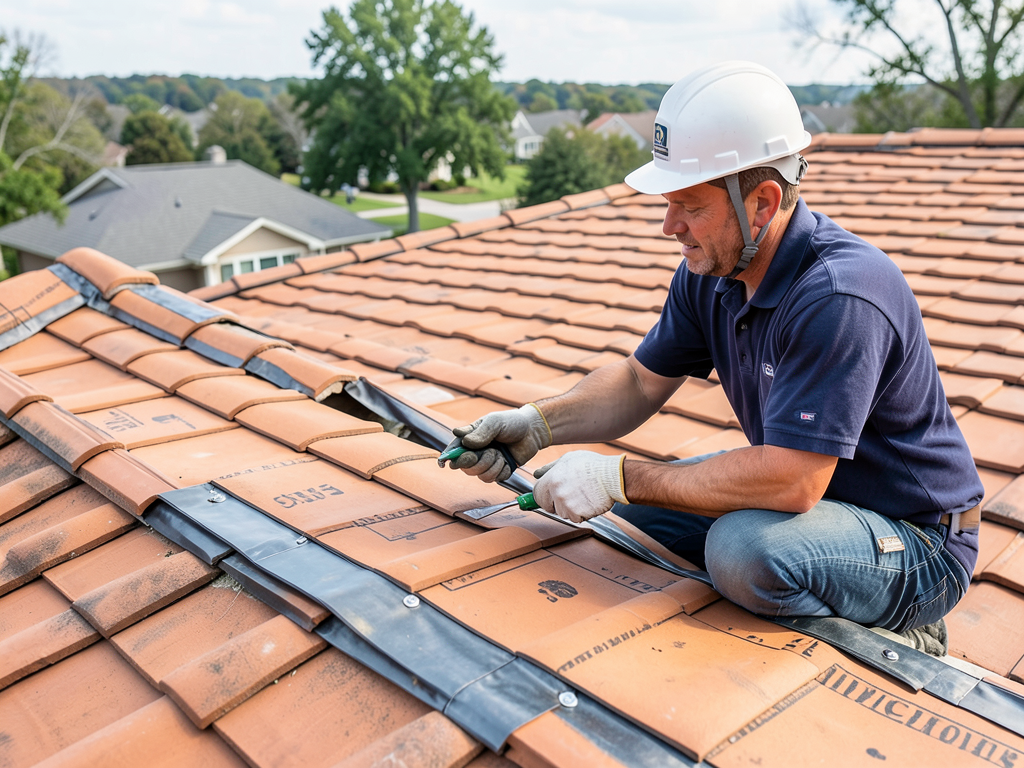
Many North Central homes feature clay tile roofing and flat parapet walls. Clay tiles last decades but the underlayment beneath them deteriorates much faster. When the underlayment fails water seeps through the tile gaps. Flat parapet walls collect debris and trap water creating ponding that finds entry points through aging sealant.. Read more about Managing the debris from massive oak trees on your Churchill Estates roof.
Large hip and gable roof designs
Newer North Central homes often feature complex rooflines with multiple valleys and hips. These architectural features create natural water collection points. Valleys direct water from large surface areas to concentrated drainage paths. Any weakness in valley flashing becomes a major leak source during heavy rains.
Expansive clay soil movement
The clay soils beneath North Central San Antonio expand when wet and contract when dry. This seasonal movement shifts your home foundation slightly. These shifts stress roof-to-wall connections and chimney bases. Over years this movement creates gaps that water exploits.
Emergency steps when you discover active leaking
Finding water dripping from your ceiling requires immediate action to prevent further damage. Here are the steps professionals recommend for active leaks.
Contain the water immediately
Place buckets under active drips. Move furniture and valuables away from affected areas. If water is spreading across the ceiling poke a small hole to release trapped water. This prevents ceiling collapse and limits damage to a smaller area.
Document the damage
Take photos of the water intrusion damaged areas and any visible roof issues you can safely observe. This documentation helps with insurance claims and helps your roofer understand the scope of the problem.
Call for professional assessment
Do not attempt to climb on your roof during active leaking. The surface is slippery and you risk injury. Professional roofers have safety equipment and can assess damage without causing additional harm to your roofing system.
Prevent secondary damage
Move wet items to dry areas. Use fans to circulate air in affected rooms. Remove wet carpet padding if possible. Quick action prevents mold growth and limits repair costs. How much a new roof actually costs in San Antonio right now.
Long-term solutions for recurring leaks
Stopping a leak permanently requires addressing the root cause not just the symptom. Here are the approaches that solve recurring problems.
Complete underlayment replacement
For homes with aging roofs replacing just the visible shingles often fails to solve leak problems. The underlayment beneath the shingles may have deteriorated while the top layer still looks intact. Complete replacement ensures all vulnerable layers are addressed.
Flashing system upgrade
Modern flashing materials and installation techniques provide better protection than older methods. Upgrading flashing around chimneys vents and valleys creates redundant water barriers that prevent future leaks even if one layer fails.
Ventilation improvement
Proper attic ventilation extends roof life by reducing heat and moisture buildup. This prevents premature shingle deterioration and reduces the expansion and contraction that creates cracks over time.
Impact resistant materials
For homes in hail prone areas upgrading to impact resistant shingles provides better long term protection. These materials resist hail damage and maintain their protective properties longer than standard shingles.
When to repair versus replace your roof
Deciding between repair and replacement depends on several factors specific to your situation.
| Factor | Repair Recommended | Replacement Recommended |
|---|---|---|
| Roof Age | Under 10 years | Over 15 years |
| Damage Scope | Localized area | Multiple areas |
| Previous Repairs | None or one | Multiple patches |
| Material Condition | Good overall | Widespread wear |
| Energy Efficiency | Adequate insulation | High utility bills |
Homeowners in Stone Oak and Hollywood Park often face this decision with homes built in the 1990s. These homes are reaching the typical 20 to 25 year lifespan for asphalt shingles. Multiple repairs on an aging roof often cost more over time than a complete replacement with modern materials.
Preventing future leaks in North Central San Antonio
Once you solve your current leak problem prevention becomes the priority. These steps help avoid future water intrusion.
Annual professional inspections
Schedule roof inspections each spring before storm season. Professional inspectors can identify early warning signs like loose flashing cracked sealant or damaged underlayment before leaks develop.
Gutter maintenance
Clean gutters twice yearly and ensure downspouts direct water away from your foundation. Clogged gutters cause water to back up under roof edges creating leaks at the eaves.
Tree trimming
Keep tree branches at least six feet from your roof. Overhanging branches drop debris that holds moisture against shingles. They also provide pathways for squirrels and rodents that can damage roofing materials.
Attic monitoring
Periodically check your attic for signs of moisture mold or pest intrusion. Early detection of these issues prevents them from becoming major leak sources.
The cost of ignoring recurring leaks
Many homeowners delay roof repairs hoping the problem will resolve itself. This approach typically leads to much higher costs.
| Ignored Issue | Short Term Cost | Long Term Cost |
|---|---|---|
| Minor leak | $300 to $500 repair | $5000 to $15000 replacement |
| Attic moisture | $200 to $400 mold treatment | $3000 to $8000 insulation replacement |
| Structural rot | $1000 to $2000 decking repair | $10000 to $25000 structural repair |
| Electrical damage | $500 to $1000 wiring repair | $15000 to $30000 full rewiring |
The longer you wait the more extensive and expensive the repairs become. Water damage spreads quickly through wood insulation and drywall. What starts as a small ceiling stain can become a major structural issue within months.
Finding the right roofing professional in North Central San Antonio
Not all roofing contractors have experience with the specific challenges of North Central San Antonio homes. Here is what to look for when selecting a professional.
Local experience
Choose contractors who have worked extensively in Stone Oak Hollywood Park and surrounding neighborhoods. They understand the local building patterns and common issues specific to these areas.
Comprehensive assessment approach
Avoid contractors who provide quotes without inspecting your attic or checking for underlying issues. Recurring leaks require diagnosis not just patching.
Clear communication
Professional roofers explain their findings in plain language and provide detailed proposals. They should be able to show you exactly what they found and why they recommend specific solutions.
Insurance and licensing
Verify that your contractor carries proper insurance and holds current licenses. This protects you from liability and ensures the work meets local building standards.
Frequently Asked Questions
How do I know if my leak is from the roof or plumbing?
Roof leaks typically worsen during rain and affect ceiling areas directly below roof planes. Plumbing leaks often show up near bathrooms or kitchens and may have a consistent pattern regardless of weather. A professional inspection can determine the source.
Can I fix a recurring leak myself?
DIY repairs often fail because they address symptoms rather than causes. Without proper diagnosis you may patch the wrong area or use materials that do not match your existing roofing system. This can void warranties and create bigger problems.
How long does a professional leak repair take?
Simple repairs take a few hours. Complex leak investigations may require a full day. Complete roof replacements typically take two to five days depending on weather and roof size. Your contractor should provide specific timelines for your situation.
Will my insurance cover recurring leaks?
Insurance typically covers sudden damage from events like storms but not gradual deterioration from age or poor maintenance. If your leak results from a covered peril your policy may pay for repairs. Check your specific coverage and document everything.
How can I prevent leaks during hurricane season?
Schedule a pre season inspection to identify vulnerabilities. Ensure all flashing is secure and gutters are clear. Consider impact resistant shingles if you are due for replacement. Have emergency tarping services on call for immediate protection if needed. For more information, visit FEMA hurricane preparedness guide.
You may also find this helpful. Why removing an old satellite dish can leave your roof vulnerable to leaks.
{
“@context”: “https://schema.org”,
“@type”: “BlogPosting”,
“headline”: “The real reason your North Central San Antonio home has recurring roof leaks”,
“description”: “Recurring roof leaks in North Central San Antonio often stem from hidden damage. Learn the real causes and how to fix them permanently.”,
“wordCount”: 2037,
“datePublished”: “2026-05-14T06:34:00.000Z”,
“dateModified”: “2026-05-14T06:34:00.000Z”,
“inLanguage”: “en-US”,
“mainEntityOfPage”: {
“@type”: “WebPage”,
“@id”: “https://summitroofingsanantonio.com”
},
“publisher”: {
“@type”: “LocalBusiness”,
“name”: “Summit Roofing San Antonio”,
“url”: “https://summitroofingsanantonio.com”
},
“author”: {
“@type”: “Organization”,
“name”: “Summit Roofing San Antonio”,
“url”: “https://summitroofingsanantonio.com”
},
“image”: {
“@type”: “ImageObject”,
“url”: “https://summitroofingsanantonio.com/wp-content/uploads/2026/03/the-real-reason-your-north-central-san-antonio-hom-1.png”
}
}
{
“@context”: “https://schema.org”,
“@type”: “RoofingContractor”,
“name”: “Summit Roofing San Antonio”,
“url”: “https://summitroofingsanantonio.com”,
“address”: {
“@type”: “PostalAddress”,
“addressLocality”: “San Antonio”
},
“areaServed”: {
“@type”: “City”,
“name”: “San Antonio”
}
}
{
“@context”: “https://schema.org”,
“@type”: “FAQPage”,
“mainEntity”: [
{
“@type”: “Question”,
“name”: “How do I know if my leak is from the roof or plumbing?”,
“acceptedAnswer”: {
“@type”: “Answer”,
“text”: “Roof leaks typically worsen during rain and affect ceiling areas directly below roof planes. Plumbing leaks often show up near bathrooms or kitchens and may have a consistent pattern regardless of weather. A professional inspection can determine the source.”
}
},
{
“@type”: “Question”,
“name”: “Can I fix a recurring leak myself?”,
“acceptedAnswer”: {
“@type”: “Answer”,
“text”: “DIY repairs often fail because they address symptoms rather than causes. Without proper diagnosis you may patch the wrong area or use materials that do not match your existing roofing system. This can void warranties and create bigger problems.”
}
},
{
“@type”: “Question”,
“name”: “How long does a professional leak repair take?”,
“acceptedAnswer”: {
“@type”: “Answer”,
“text”: “Simple repairs take a few hours. Complex leak investigations may require a full day. Complete roof replacements typically take two to five days depending on weather and roof size. Your contractor should provide specific timelines for your situation.”
}
},
{
“@type”: “Question”,
“name”: “Will my insurance cover recurring leaks?”,
“acceptedAnswer”: {
“@type”: “Answer”,
“text”: “Insurance typically covers sudden damage from events like storms but not gradual deterioration from age or poor maintenance. If your leak results from a covered peril your policy may pay for repairs. Check your specific coverage and document everything.”
}
},
{
“@type”: “Question”,
“name”: “How can I prevent leaks during hurricane season?”,
“acceptedAnswer”: {
“@type”: “Answer”,
“text”: “Schedule a pre season inspection to identify vulnerabilities. Ensure all flashing is secure and gutters are clear. Consider impact resistant shingles if you are due for replacement. Have emergency tarping services on call for immediate protection if needed. For more information, visit FEMA hurricane preparedness guide.”
}
}
]
}
{
“@context”: “https://schema.org”,
“@type”: “HowTo”,
“name”: “How to identify roof leak sources”,
“step”: [
{
“@type”: “HowToStep”,
“position”: 1,
“name”: “Interior inspection first”,
“text”: “Trace the water stain on your ceiling back to its highest point. Water travels along rafters and decking so the entry point is often several feet away from where you see the damage inside.”
},
{
“@type”: “HowToStep”,
“position”: 2,
“name”: “Attic examination during daylight”,
“text”: “Enter your attic when it is bright outside. Look for daylight coming through the roof deck. Small holes that admit light also admit water.”
},
{
“@type”: “HowToStep”,
“position”: 3,
“name”: “Check for proper ventilation”,
“text”: “Blocked or inadequate attic ventilation causes heat and moisture buildup that accelerates roof deterioration. Look for proper airflow at soffit vents ridge vents and gable ends.”
},
{
“@type”: “HowToStep”,
“position”: 4,
“name”: “Inspect flashing and penetrations”,
“text”: “Examine all roof transitions chimneys vents and skylights. Look for cracked sealant rusted metal or separated joints.”
},
{
“@type”: “HowToStep”,
“position”: 5,
“name”: “Assess shingle condition”,
“text”: “Check for missing granules curled edges or cracked surfaces. Pay special attention to south and west facing slopes that receive the most sun exposure.”
}
],
“image”: “https://summitroofingsanantonio.com/wp-content/uploads/2026/03/the-real-reason-your-north-central-san-antonio-hom-1.png”
}
{
“@context”: “https://schema.org”,
“@type”: “BreadcrumbList”,
“itemListElement”: [
{
“@type”: “ListItem”,
“position”: 1,
“name”: “Home”,
“item”: “https://summitroofingsanantonio.com”
},
{
“@type”: “ListItem”,
“position”: 2,
“name”: “Blog”,
“item”: “https://summitroofingsanantonio.com/blog”
},
{
“@type”: “ListItem”,
“position”: 3,
“name”: “The real reason your North Central San Antonio home has recurring roof leaks”
}
]
}
{
“@context”: “https://schema.org”,
“@type”: “Service”,
“serviceType”: “Roofing”,
“provider”: {
“@type”: “LocalBusiness”,
“name”: “Summit Roofing San Antonio”,
“url”: “https://summitroofingsanantonio.com”
},
“areaServed”: {
“@type”: “City”,
“name”: “San Antonio”
},
“description”: “Recurring roof leaks in North Central San Antonio often stem from hidden damage. Learn the real causes and how to fix them permanently.”
}