
Picking the perfect roof style for a Mediterranean home in Cresta Bella
Mediterranean homes in San Antonio need roofing that matches their classic beauty while standing up to our intense Texas heat and frequent hail storms. The right roof does more than just look good. It protects your home from extreme weather and can lower your energy bills. Texas Department of Insurance.
Cresta Bella sits in the heart of San Antonio’s Mediterranean-style neighborhoods. Homes here feature warm stucco walls arched windows and terra-cotta details. Your roof choice matters more than you might think. The wrong material can crack in our summer heat or get damaged by hail. The right one lasts for decades and keeps your home cooler. How to get your San Antonio roof fixed after a major hail storm.
Popular Mediterranean Tile Profiles in South Texas
Mediterranean roofing comes in several classic shapes. Each has its own look and performance characteristics. The most common styles you will see in San Antonio include: What to do when your San Antonio roof starts leaking in the middle of a storm.
Spanish Tile (S-Tile)
S-Tile gets its name from the S-shaped curve that creates a wave pattern across your roof. This design allows air to flow underneath the tiles keeping your attic cooler. The overlapping pattern also provides excellent water shedding during our heavy rain seasons.
Mission Style (Barrel Tile)
Barrel tiles have a half-cylinder shape that creates distinctive shadow lines. They originated in Spanish missions and remain popular in historic San Antonio districts. These tiles work well on steeper roof pitches which are common in Mediterranean architecture.
French and Riviera Profiles
These tiles feature flatter surfaces with subtle curves. They offer a more modern take on Mediterranean style while maintaining the classic terra-cotta appearance. The flatter profile means fewer seams where water can penetrate.
Material Comparison: Clay vs. Concrete vs. Synthetic
Choosing between materials affects your roof’s weight cost and longevity. Here is how they compare for San Antonio homes:
| Material | Weight per Square | Lifespan | Cost Range | Best For |
|---|---|---|---|---|
| Clay Tile | 900-1200 lbs | 50-100 years | $$$-$$$$ | Historic homes premium aesthetics |
| Concrete Tile | 800-1000 lbs | 40-50 years | $$$-$$$$ | Budget-conscious homeowners |
| Synthetic Tile | 300-400 lbs | 30-50 years | $$$-$$$$ | Weight-restricted structures |
Clay Tile Performance in San Antonio Heat
Clay tiles excel in our climate because they reflect heat naturally. The material’s thermal mass keeps your home cooler by absorbing heat during the day and releasing it at night. Many Cresta Bella homeowners choose clay for its authentic Mediterranean appearance and proven durability in South Texas conditions.
Concrete Tile Benefits
Concrete offers similar aesthetics to clay at a lower price point. Modern concrete tiles come in colors that won’t fade in our intense UV exposure. They also provide better impact resistance which matters in San Antonio’s hail-prone areas.
Synthetic Alternatives
Synthetic tiles made from recycled materials or polymer composites offer Mediterranean looks without the weight. These work well for homes with existing structural limitations. Some synthetic options now carry Class 4 impact ratings making them suitable for hail zones.
Why Mediterranean Roofing Suits the San Antonio Climate
Mediterranean roofing designs evolved in hot climates for good reason. The curved shapes and air gaps create natural ventilation channels. This design principle works perfectly in San Antonio where summer temperatures often exceed 100 degrees. Built-Up Roofing (BUR).
The thermal mass of clay and concrete tiles helps regulate indoor temperatures. During our scorching afternoons these materials absorb heat instead of transferring it to your living space. At night they release stored heat slowly preventing rapid temperature swings.
Mediterranean roofs also handle our seasonal rainfall patterns well. The overlapping tile design and steep pitches shed water quickly during sudden downpours. This prevents water pooling which can lead to leaks and structural damage.
Fire resistance becomes crucial during Texas drought seasons. Clay and concrete tiles offer excellent fire protection compared to asphalt shingles. This matters in neighborhoods like Cresta Bella where homes sit close together.
Local Building Codes and HOA Considerations
San Antonio’s building codes address the unique challenges of our climate. The Unified Development Code requires specific underlayment for tile roofs to handle our high winds and heavy rains. Most Mediterranean-style neighborhoods including Cresta Bella have additional HOA guidelines.
Historic districts like Monte Vista have strict requirements for maintaining architectural authenticity. If your home sits in a historic area you may need approval before changing your roof style or materials.
HOA guidelines in Hill Country developments often specify approved color palettes. Earth tones and terra-cotta shades dominate because they complement the natural landscape. Some HOAs require specific tile profiles to maintain neighborhood consistency.
Building permits for tile roofs require structural engineering approval. The weight of clay or concrete tiles may necessitate roof reinforcement. Your contractor should handle permit applications and ensure compliance with local codes.
San Antonio Mediterranean Roofing Gallery
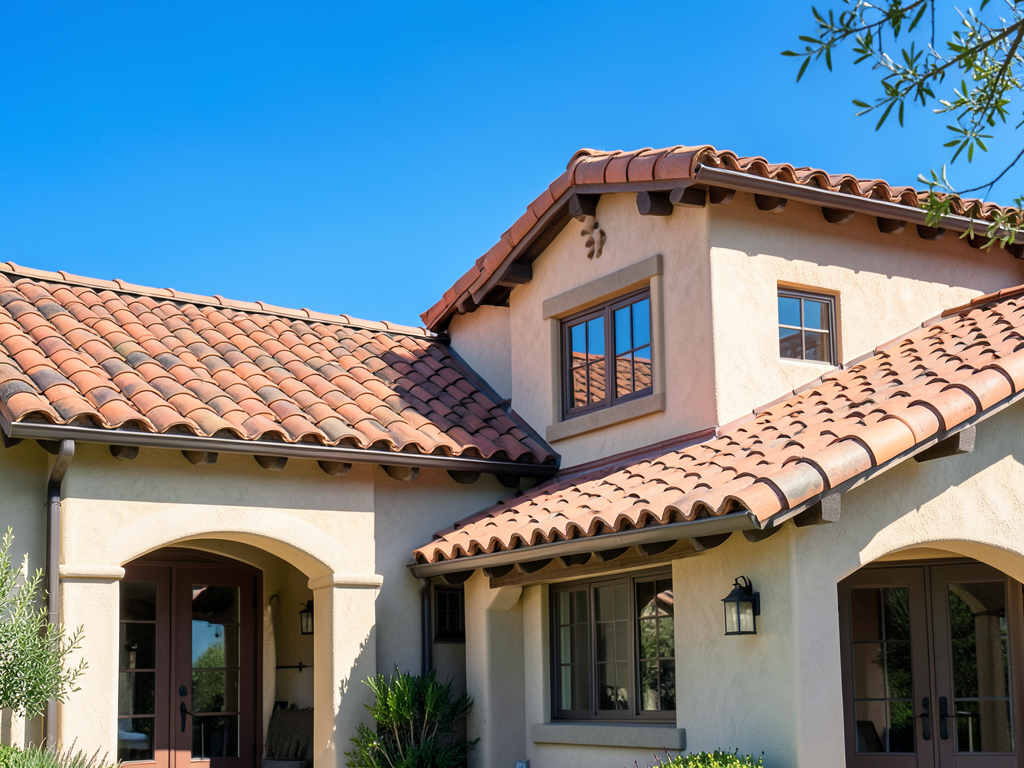
Mediterranean homes in The Dominion showcase classic barrel tile installations that have withstood decades of San Antonio weather. These roofs feature proper underlayment and ventilation systems designed for our climate.
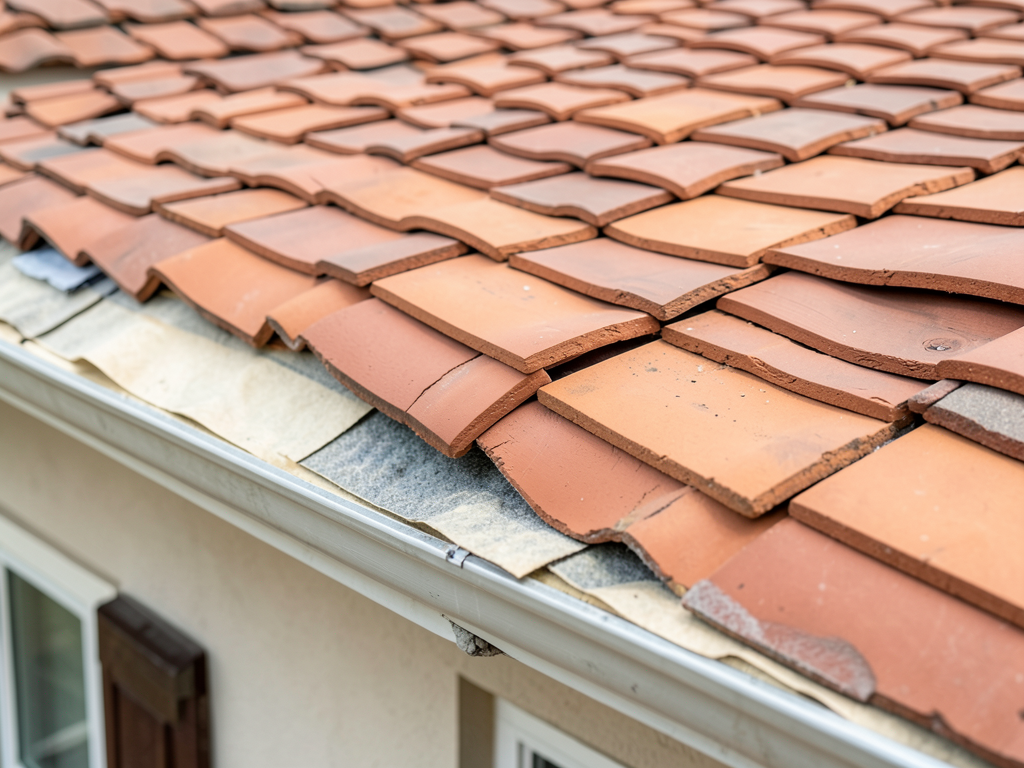
A recent installation in Stone Oak demonstrates how modern concrete tiles can achieve Mediterranean aesthetics while offering improved impact resistance. The homeowner chose a Class 4 rated product after experiencing hail damage to their previous roof.
This Cresta Bella residence features a synthetic tile roof that mimics traditional clay but weighs 60% less. The lightweight system worked perfectly for the home’s existing structure without requiring reinforcement.
Frequently Asked Questions
How long do Mediterranean tile roofs last in San Antonio?
Quality clay tile roofs can last 50 to 100 years in San Antonio with proper maintenance. Concrete tiles typically last 40 to 50 years. The key factors are installation quality underlayment condition and regular inspections to catch small issues before they become major problems.
Are Mediterranean tiles too heavy for my roof?
Traditional clay tiles weigh 900 to 1200 pounds per square. Most modern homes can support this weight but older structures may need reinforcement. A professional inspection will determine if your roof structure needs upgrades before tile installation.
Do Mediterranean tiles handle San Antonio hail?
Standard clay and concrete tiles can crack from hail impact. However many manufacturers now offer Class 4 impact rated products specifically designed for hail-prone areas like San Antonio. These tiles undergo rigorous testing to ensure they withstand hail damage.
What maintenance do Mediterranean tile roofs need?
Mediterranean tiles require less maintenance than asphalt shingles but still need periodic care. You should have your roof inspected annually clean debris from valleys and check for cracked or slipped tiles. The underlayment typically needs replacement every 20 to 25 years even if the tiles remain in good condition.
Making Your Mediterranean Roof Decision
Choosing the right Mediterranean roof for your Cresta Bella home means balancing aesthetics with practical considerations. Start by assessing your home’s structure. Can it support the weight of traditional tiles? Next consider your priorities. Do you want the most authentic look or are you willing to consider synthetic alternatives?
Think about your long-term plans. If you intend to stay in your home for decades the higher upfront cost of quality clay tiles may make sense. If you plan to sell soon concrete or synthetic options might offer better value.
Finally factor in our local climate. San Antonio’s combination of intense heat frequent hail and seasonal storms demands roofing materials that can handle these extremes. The right Mediterranean roof will protect your home while enhancing its beauty for years to come.
Ready to explore Mediterranean roofing options for your Cresta Bella home? Call Summit Roofing San Antonio at (726) 256-6199 for a free consultation. Our local experts understand San Antonio’s unique roofing challenges and can help you choose the perfect style for your Mediterranean home. How to Get Your Commercial Flat Roof Ready for San Antonio Summer Storms.
- Assess Your Home’s Structure
Have a professional evaluate whether your roof can support heavy tile weights. This determines which materials work for your home.
- Consider Local Climate Factors
Factor in San Antonio’s heat hail and rainfall patterns. Choose materials rated for our specific weather conditions.
- Review HOA Guidelines
Check Cresta Bella or your neighborhood’s architectural requirements. Some areas have strict rules about tile colors and profiles.
- Compare Long-term Costs
Look beyond initial price to include maintenance lifespan and energy efficiency. Quality materials often cost less over time.
- Schedule Professional Installation
Choose a contractor experienced with Mediterranean roofing in San Antonio. Proper installation ensures your roof performs as designed. For more information, visit EPA Energy Efficiency Guidelines.
{
“@context”: “https://schema.org”,
“@type”: “BlogPosting”,
“headline”: “Picking the perfect roof style for a Mediterranean home in Cresta Bella”,
“description”: “Discover the best Mediterranean roofing materials for San Antonio homes. Learn about tile durability, energy efficiency, and local building codes in Cresta Bella.”,
“wordCount”: 1416,
“datePublished”: “2026-06-14T06:43:00.000Z”,
“dateModified”: “2026-06-14T06:43:00.000Z”,
“inLanguage”: “en-US”,
“mainEntityOfPage”: {
“@type”: “WebPage”,
“@id”: “https://summitroofingsanantonio.com”
},
“publisher”: {
“@type”: “LocalBusiness”,
“name”: “Summit Roofing San Antonio”,
“url”: “https://summitroofingsanantonio.com”
},
“author”: {
“@type”: “Organization”,
“name”: “Summit Roofing San Antonio”,
“url”: “https://summitroofingsanantonio.com”
},
“image”: {
“@type”: “ImageObject”,
“url”: “https://summitroofingsanantonio.com/wp-content/uploads/2026/03/picking-the-perfect-roof-style-for-a-mediterranean-1.png”
}
}
{
“@context”: “https://schema.org”,
“@type”: “RoofingContractor”,
“name”: “Summit Roofing San Antonio”,
“url”: “https://summitroofingsanantonio.com”,
“address”: {
“@type”: “PostalAddress”,
“addressLocality”: “San Antonio”
},
“areaServed”: {
“@type”: “City”,
“name”: “San Antonio”
}
}
{
“@context”: “https://schema.org”,
“@type”: “FAQPage”,
“mainEntity”: [
{
“@type”: “Question”,
“name”: “How long do Mediterranean tile roofs last in San Antonio?”,
“acceptedAnswer”: {
“@type”: “Answer”,
“text”: “Quality clay tile roofs can last 50 to 100 years in San Antonio with proper maintenance. Concrete tiles typically last 40 to 50 years. The key factors are installation quality underlayment condition and regular inspections to catch small issues before they become major problems.”
}
},
{
“@type”: “Question”,
“name”: “Are Mediterranean tiles too heavy for my roof?”,
“acceptedAnswer”: {
“@type”: “Answer”,
“text”: “Traditional clay tiles weigh 900 to 1200 pounds per square. Most modern homes can support this weight but older structures may need reinforcement. A professional inspection will determine if your roof structure needs upgrades before tile installation.”
}
},
{
“@type”: “Question”,
“name”: “Do Mediterranean tiles handle San Antonio hail?”,
“acceptedAnswer”: {
“@type”: “Answer”,
“text”: “Standard clay and concrete tiles can crack from hail impact. However many manufacturers now offer Class 4 impact rated products specifically designed for hail-prone areas like San Antonio. These tiles undergo rigorous testing to ensure they withstand hail damage.”
}
},
{
“@type”: “Question”,
“name”: “What maintenance do Mediterranean tile roofs need?”,
“acceptedAnswer”: {
“@type”: “Answer”,
“text”: “Mediterranean tiles require less maintenance than asphalt shingles but still need periodic care. You should have your roof inspected annually clean debris from valleys and check for cracked or slipped tiles. The underlayment typically needs replacement every 20 to 25 years even if the tiles remain in good condition.”
}
}
]
}
{
“@context”: “https://schema.org”,
“@type”: “HowTo”,
“name”: “How to Choose Mediterranean Roofing”,
“step”: [
{
“@type”: “HowToStep”,
“position”: 1,
“name”: “Assess Your Home’s Structure”,
“text”: “Have a professional evaluate whether your roof can support heavy tile weights. This determines which materials work for your home.”
},
{
“@type”: “HowToStep”,
“position”: 2,
“name”: “Consider Local Climate Factors”,
“text”: “Factor in San Antonio’s heat hail and rainfall patterns. Choose materials rated for our specific weather conditions.”
},
{
“@type”: “HowToStep”,
“position”: 3,
“name”: “Review HOA Guidelines”,
“text”: “Check Cresta Bella or your neighborhood’s architectural requirements. Some areas have strict rules about tile colors and profiles.”
},
{
“@type”: “HowToStep”,
“position”: 4,
“name”: “Compare Long-term Costs”,
“text”: “Look beyond initial price to include maintenance lifespan and energy efficiency. Quality materials often cost less over time.”
},
{
“@type”: “HowToStep”,
“position”: 5,
“name”: “Schedule Professional Installation”,
“text”: “Choose a contractor experienced with Mediterranean roofing in San Antonio. Proper installation ensures your roof performs as designed. For more information, visit EPA Energy Efficiency Guidelines.”
}
],
“image”: “https://summitroofingsanantonio.com/wp-content/uploads/2026/03/picking-the-perfect-roof-style-for-a-mediterranean-1.png”
}
{
“@context”: “https://schema.org”,
“@type”: “BreadcrumbList”,
“itemListElement”: [
{
“@type”: “ListItem”,
“position”: 1,
“name”: “Home”,
“item”: “https://summitroofingsanantonio.com”
},
{
“@type”: “ListItem”,
“position”: 2,
“name”: “Blog”,
“item”: “https://summitroofingsanantonio.com/blog”
},
{
“@type”: “ListItem”,
“position”: 3,
“name”: “Picking the perfect roof style for a Mediterranean home in Cresta Bella”
}
]
}
{
“@context”: “https://schema.org”,
“@type”: “Service”,
“serviceType”: “Roofing”,
“provider”: {
“@type”: “LocalBusiness”,
“name”: “Summit Roofing San Antonio”,
“url”: “https://summitroofingsanantonio.com”
},
“areaServed”: {
“@type”: “City”,
“name”: “San Antonio”
},
“description”: “Discover the best Mediterranean roofing materials for San Antonio homes. Learn about tile durability, energy efficiency, and local building codes in Cresta Bella.”
}