
Managing the debris from massive oak trees on your Churchill Estates roof
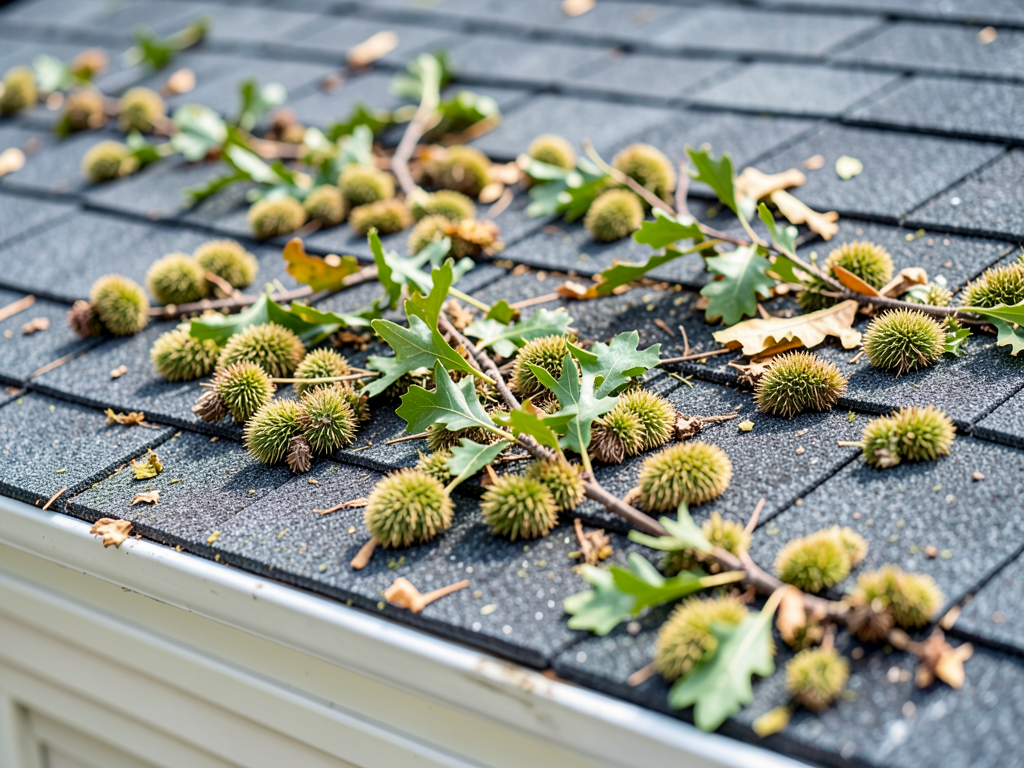
Live oaks define the charm of Churchill Estates with their sprawling canopies and year-round greenery. These magnificent trees create a beautiful neighborhood atmosphere but also drop massive amounts of debris onto your roof. Twigs, leaves, acorns, and those distinctive spring catkins pile up in valleys and gutters creating serious problems for San Antonio homeowners. How to get your San Antonio roof fixed after a major hail storm.
The oak debris cycle in North Central San Antonio follows a predictable pattern. Spring brings yellow-green catkins that clog every drainage point. Summer heat bakes organic matter onto shingle surfaces. Fall delivers a final leaf drop just as winter rains begin. This constant bombardment traps moisture against your roofing materials and creates the perfect environment for deterioration. What to do when your San Antonio roof starts leaking in the middle of a storm.
Churchill Estates homes face unique challenges because many properties have trees planted close to the house decades ago. The mature oaks now tower over rooftops dropping debris directly into critical drainage areas. Without proper management this organic material causes granule loss on asphalt shingles and creates acidic conditions that accelerate roof aging in our intense Texas sun.. Read more about Understanding how Texas wildfire risks should influence your choice of roofing materials.
Why oak debris threatens your Churchill Estates roof
Oak leaves contain tannins that become acidic as they decompose. When these leaves collect in roof valleys or sit in gutters they create a chemical environment that breaks down asphalt shingle granules. The granules protect your shingles from UV damage and without them your roof ages rapidly in San Antonio’s harsh sunlight.
Moisture trapped by debris layers creates another serious problem. San Antonio’s high humidity means organic matter stays wet for extended periods. This constant moisture contact causes wood rot in roof decking and promotes algae and moss growth. Moss particularly thrives in the shaded areas under oak branches where debris accumulates.
Gutter systems suffer the most visible damage. Live oak leaves are small and waxy making them difficult to wash away with normal rainfall. They combine with twigs and acorns to form dense mats that block water flow. When gutters overflow water runs down siding and can seep under roofing materials at the eaves.. Read more about How to safely remove hard water stains from your Stone Oak roof.
The San Antonio oak debris timeline
Understanding when different types of oak debris fall helps you plan maintenance. Live oaks in Churchill Estates follow this pattern throughout the year: Understanding Roof Warranties.
| Season | Debris Type | Impact Level |
|---|---|---|
| Early Spring | Catkins (tassels) | High |
| Late Spring | Small leaves | Medium |
| Summer | Twigs and small branches | Low |
| Early Fall | Acorns | Medium |
| Late Fall | Mature leaves | High |
| Winter | Debris from storms | Variable |
Catkins create the biggest immediate problem. These long yellow-green flower clusters fall in dense blankets during April and May. They slide into roof valleys and clog gutters within hours. The waxy coating makes them stick to surfaces and resist washing away.
Acorns become projectiles during fall storms. They dent soft metal flashing and can damage shingles if they land with enough force. The nuts also accumulate in roof crevices where they slowly decompose and attract pests.
Common Churchill Estates roof damage from oak debris
Homeowners in Churchill Estates often notice these specific problems caused by tree debris:
- Granule loss in valleys where leaves collect and hold moisture against shingle surfaces
- Algae streaks on north-facing slopes that stay shaded and damp under oak branches
- Wood rot in roof decking near chimneys where debris blocks ventilation
- Damaged flashing around vents and chimneys from acidic leaf decomposition
- Ice dam formation in rare freezing events when debris blocks proper drainage
The damage often starts subtly. You might notice dark streaks on shingles or find small amounts of shingle grit in your gutters. These early warning signs indicate that debris is already affecting your roof’s protective layers. How to Get Your Commercial Flat Roof Ready for San Antonio Summer Storms.
More serious problems develop when debris blocks roof valleys. Water backs up behind the debris dam and can seep under shingles. This creates leaks that may not show inside your home until significant damage has occurred to the roof deck and insulation.
Safe debris removal for different roofing materials
Removing debris requires different approaches depending on your roof type. Churchill Estates features a mix of asphalt shingle and concrete tile roofs. Each material needs specific care to avoid damage during cleaning.
- Assess roof accessibility
Check for steep slopes and identify safe walking paths before climbing. Many Churchill Estates homes have complex rooflines that create fall hazards.
- Choose proper tools
Use a leaf blower on low power for asphalt shingles. Avoid pressure washers which can strip granules and void warranties.
- Work from top to bottom
Start at ridge lines and work down valleys to avoid driving debris into drainage paths.
- Clear gutters last
Remove debris from roof surfaces first so gutters can catch falling material during final cleaning.
- Check for damage
Inspect shingles and flashing while cleaning to identify problems early.
Asphalt shingles require gentle handling. Walking on hot shingles can cause damage and the granular surface is easily stripped by aggressive cleaning. Use plastic or rubber tools rather than metal which can gouge the surface.
Tile roofs allow more aggressive cleaning but require different precautions. Concrete tiles can crack from impact and the underlayment beneath is vulnerable to UV damage if tiles shift. Work carefully around tile edges where they overlap.
Professional solutions for Churchill Estates homeowners
Many Churchill Estates residents find that DIY debris removal becomes overwhelming as trees mature. Professional roof maintenance offers several advantages for managing oak debris problems.
Professional services include complete debris removal using commercial-grade equipment that cleans more thoroughly than homeowner tools. Technicians also inspect for damage while on the roof identifying problems before they become expensive repairs. EPA.
Gutter protection systems specifically designed for oak debris provide long-term solutions. Standard mesh guards clog with small oak leaves and catkins. Specialized micro-mesh or solid cover systems handle the unique challenges of Live Oak debris while allowing water to flow freely.
Tree trimming near rooflines requires careful timing. San Antonio’s oak wilt concerns mean pruning must follow specific guidelines to protect tree health. Professional arborists coordinate with roofing contractors to create maintenance schedules that protect both your trees and your roof.
Preventing future debris problems
Strategic tree management reduces debris accumulation without sacrificing the shade and beauty that make Churchill Estates special. Consider these approaches to minimize roof debris:
Selective branch removal focuses on limbs that overhang roof valleys and gutters most heavily. Removing just 10-15% of a tree’s canopy often dramatically reduces debris on your roof while maintaining overall tree health and appearance.
Ground-level solutions include installing gravel beds around your home’s foundation. This creates a buffer zone where falling debris collects away from your roof and gutters. The gravel also improves drainage and reduces soil moisture near your foundation.
Roof design modifications during replacement can minimize debris problems. Wider gutters with increased downspout capacity handle higher debris loads. Roof valleys can be designed with smoother transitions that shed debris more effectively.
Churchill Estates HOA considerations
Churchill Estates has specific guidelines about tree maintenance and exterior modifications. Before making changes to manage debris understand these key points:
Tree removal typically requires HOA approval even if the tree damages your roof. The neighborhood’s tree preservation policies aim to maintain the canopy that defines the community’s character. Work with certified arborists who understand local requirements.
Roof material changes must comply with neighborhood standards. While you might want to switch to a debris-resistant material like metal, the HOA may require materials that match existing homes. Check guidelines before investing in new roofing.
Maintenance schedules should align with HOA recommendations for tree trimming. Many associations coordinate neighborhood-wide tree work to manage oak wilt risks and maintain consistent appearance across properties.
Cost factors for debris management
Managing oak debris involves several cost components that vary based on your specific situation. Tree size, roof complexity, and debris volume all affect pricing for professional services.
Basic debris removal for a typical Churchill Estates home ranges from $300 to $600 depending on roof accessibility and debris volume. This includes surface cleaning and gutter clearing but not repairs for existing damage.. Read more about Why clearing mountain cedar debris from your gutters is critical in the Hill Country.
Gutter protection installation costs between $15 and $30 per linear foot for systems designed to handle oak debris. While this seems expensive compared to standard guards, the specialized design prevents the frequent clogging that requires repeated service calls. How much a new roof actually costs in San Antonio right now.
Tree trimming to reduce debris typically costs $500 to $1,500 per tree. The price depends on tree size, location, and the extent of pruning needed. This investment often pays for itself through reduced roof maintenance costs over time.
When to call a professional
Certain situations require professional expertise for safe and effective debris management. Recognize these warning signs that indicate you need expert help:
Steep roof pitches make DIY debris removal dangerous. Churchill Estates features many homes with dramatic rooflines that create fall hazards even for experienced homeowners. Professional crews have proper safety equipment and training.. Read more about The hidden danger of pecan trees for roofs in the Hollywood Park area.
Visible roof damage like missing shingles or sagging areas indicates that debris has already caused problems. Walking on a damaged roof risks injury and can worsen existing issues. Professional inspection identifies needed repairs.
Recurring gutter clogs despite regular cleaning suggest that your current gutter system cannot handle oak debris loads. Upgrading to specialized protection requires professional measurement and installation for proper fit and function.
Large trees close to your home create access challenges for safe debris removal. Professional services use specialized equipment like roof ladders and harness systems to work safely around obstacles.
Protecting your investment
Your roof represents a significant investment that oak debris can compromise if not properly managed. Regular maintenance prevents the costly repairs that result from years of debris accumulation.
Annual professional inspections catch problems early when they cost less to fix. A technician can identify granule loss, algae growth, and minor damage before they require major repairs or premature roof replacement.
Documentation of maintenance helps with insurance claims if storm damage occurs. Showing a history of proper debris management demonstrates that you’ve protected your roof investment and may help with claim approval.
Warranty considerations matter when managing debris. Some roofing warranties require specific maintenance procedures. Check your warranty terms to ensure that your debris management approach doesn’t void coverage.
Churchill Estates’ beautiful oak canopy comes with the responsibility of proper roof maintenance. With the right approach you can enjoy the shade and beauty of mature trees while protecting your home from debris-related damage. Regular attention to debris management extends your roof’s life and prevents the costly repairs that occur when problems go unaddressed.
Frequently Asked Questions
How often should I remove debris from my Churchill Estates roof?
Remove debris at least twice yearly, typically in late spring after catkins fall and in late fall after leaves drop. Homes with heavy tree coverage may need quarterly cleaning to prevent accumulation in roof valleys and gutters.
Can oak debris void my roof warranty?
Yes, most asphalt shingle warranties require proper maintenance. Allowing debris to accumulate can void coverage by accelerating deterioration beyond normal wear. Document your maintenance to support warranty claims.
What’s the best time of day to remove debris from my roof?
Early morning when shingles are cool provides the safest conditions. Hot afternoon sun makes asphalt shingles soft and easily damaged. Also avoid working after rain when surfaces remain slippery.
How do I know if debris has already damaged my roof?
Look for granule accumulation in gutters, dark streaks on shingles, sagging roof areas, or water stains on ceilings. These signs indicate that debris has trapped moisture and may have compromised your roof’s protective layers.
Should I remove all trees near my house to prevent debris problems?
No, selective pruning is better than removal. Mature oaks provide shade that reduces cooling costs and adds property value. Strategic branch removal can significantly reduce debris while preserving tree benefits.
What’s the difference between oak catkins and regular leaves when it comes to roof damage?
Catkins are more problematic because they fall in dense blankets, have a waxy coating that resists washing away, and contain more concentrated tannins that accelerate shingle deterioration. They also clog drains more severely than individual leaves.
Take action to protect your Churchill Estates roof
Don’t let oak debris damage your roof and reduce your home’s value. Summit Roofing San Antonio understands the specific challenges Churchill Estates homeowners face with Live Oak debris. Our technicians know exactly how to safely remove debris from your roof type while checking for damage that needs repair.
We offer comprehensive roof maintenance services including debris removal, gutter cleaning, and professional inspections. Our team works efficiently to minimize disruption while ensuring your roof stays protected from the unique challenges of San Antonio’s oak trees.
Call Summit Roofing San Antonio today at (726) 256-6199 to schedule your roof inspection and debris removal service. Protect your investment and keep your Churchill Estates home looking its best with professional care from local experts who understand your neighborhood’s specific needs.
Don’t wait until minor debris problems become major repairs. Contact us now to join our Churchill Estates neighbors who trust us with their roof maintenance needs. Your roof works hard to protect your home every day. Make sure it gets the care it deserves. For more information, visit FEMA.
{
“@context”: “https://schema.org”,
“@type”: “BlogPosting”,
“headline”: “Managing the debris from massive oak trees on your Churchill Estates roof”,
“description”: “Learn how Live Oak debris affects Churchill Estates roofs in San Antonio and what you can do to prevent costly damage.”,
“wordCount”: 2231,
“datePublished”: “2026-05-20T06:32:00.000Z”,
“dateModified”: “2026-05-20T06:32:00.000Z”,
“inLanguage”: “en-US”,
“mainEntityOfPage”: {
“@type”: “WebPage”,
“@id”: “https://summitroofingsanantonio.com”
},
“publisher”: {
“@type”: “LocalBusiness”,
“name”: “Summit Roofing San Antonio”,
“url”: “https://summitroofingsanantonio.com”
},
“author”: {
“@type”: “Organization”,
“name”: “Summit Roofing San Antonio”,
“url”: “https://summitroofingsanantonio.com”
},
“image”: {
“@type”: “ImageObject”,
“url”: “https://summitroofingsanantonio.com/wp-content/uploads/2026/03/managing-the-debris-from-massive-oak-trees-on-your-1.png”
}
}
{
“@context”: “https://schema.org”,
“@type”: “RoofingContractor”,
“name”: “Summit Roofing San Antonio”,
“url”: “https://summitroofingsanantonio.com”,
“address”: {
“@type”: “PostalAddress”,
“addressLocality”: “San Antonio”
},
“areaServed”: {
“@type”: “City”,
“name”: “San Antonio”
}
}
{
“@context”: “https://schema.org”,
“@type”: “FAQPage”,
“mainEntity”: [
{
“@type”: “Question”,
“name”: “How often should I remove debris from my Churchill Estates roof?”,
“acceptedAnswer”: {
“@type”: “Answer”,
“text”: “Remove debris at least twice yearly, typically in late spring after catkins fall and in late fall after leaves drop. Homes with heavy tree coverage may need quarterly cleaning to prevent accumulation in roof valleys and gutters.”
}
},
{
“@type”: “Question”,
“name”: “Can oak debris void my roof warranty?”,
“acceptedAnswer”: {
“@type”: “Answer”,
“text”: “Yes, most asphalt shingle warranties require proper maintenance. Allowing debris to accumulate can void coverage by accelerating deterioration beyond normal wear. Document your maintenance to support warranty claims.”
}
},
{
“@type”: “Question”,
“name”: “What’s the best time of day to remove debris from my roof?”,
“acceptedAnswer”: {
“@type”: “Answer”,
“text”: “Early morning when shingles are cool provides the safest conditions. Hot afternoon sun makes asphalt shingles soft and easily damaged. Also avoid working after rain when surfaces remain slippery.”
}
},
{
“@type”: “Question”,
“name”: “Should I remove all trees near my house to prevent debris problems?”,
“acceptedAnswer”: {
“@type”: “Answer”,
“text”: “No, selective pruning is better than removal. Mature oaks provide shade that reduces cooling costs and adds property value. Strategic branch removal can significantly reduce debris while preserving tree benefits.”
}
},
{
“@type”: “Question”,
“name”: “What’s the difference between oak catkins and regular leaves when it comes to roof damage?”,
“acceptedAnswer”: {
“@type”: “Answer”,
“text”: “Catkins are more problematic because they fall in dense blankets, have a waxy coating that resists washing away, and contain more concentrated tannins that accelerate shingle deterioration. They also clog drains more severely than individual leaves.”
}
}
]
}
{
“@context”: “https://schema.org”,
“@type”: “HowTo”,
“name”: “How to safely remove oak debris”,
“step”: [
{
“@type”: “HowToStep”,
“position”: 1,
“name”: “Assess roof accessibility”,
“text”: “Check for steep slopes and identify safe walking paths before climbing. Many Churchill Estates homes have complex rooflines that create fall hazards.”
},
{
“@type”: “HowToStep”,
“position”: 2,
“name”: “Choose proper tools”,
“text”: “Use a leaf blower on low power for asphalt shingles. Avoid pressure washers which can strip granules and void warranties.”
},
{
“@type”: “HowToStep”,
“position”: 3,
“name”: “Work from top to bottom”,
“text”: “Start at ridge lines and work down valleys to avoid driving debris into drainage paths.”
},
{
“@type”: “HowToStep”,
“position”: 4,
“name”: “Clear gutters last”,
“text”: “Remove debris from roof surfaces first so gutters can catch falling material during final cleaning.”
},
{
“@type”: “HowToStep”,
“position”: 5,
“name”: “Check for damage”,
“text”: “Inspect shingles and flashing while cleaning to identify problems early.”
}
],
“image”: “https://summitroofingsanantonio.com/wp-content/uploads/2026/03/managing-the-debris-from-massive-oak-trees-on-your-1.png”
}
{
“@context”: “https://schema.org”,
“@type”: “BreadcrumbList”,
“itemListElement”: [
{
“@type”: “ListItem”,
“position”: 1,
“name”: “Home”,
“item”: “https://summitroofingsanantonio.com”
},
{
“@type”: “ListItem”,
“position”: 2,
“name”: “Blog”,
“item”: “https://summitroofingsanantonio.com/blog”
},
{
“@type”: “ListItem”,
“position”: 3,
“name”: “Managing the debris from massive oak trees on your Churchill Estates roof”
}
]
}
{
“@context”: “https://schema.org”,
“@type”: “Service”,
“serviceType”: “Roofing”,
“provider”: {
“@type”: “LocalBusiness”,
“name”: “Summit Roofing San Antonio”,
“url”: “https://summitroofingsanantonio.com”
},
“areaServed”: {
“@type”: “City”,
“name”: “San Antonio”
},
“description”: “Learn how Live Oak debris affects Churchill Estates roofs in San Antonio and what you can do to prevent costly damage.”
}