
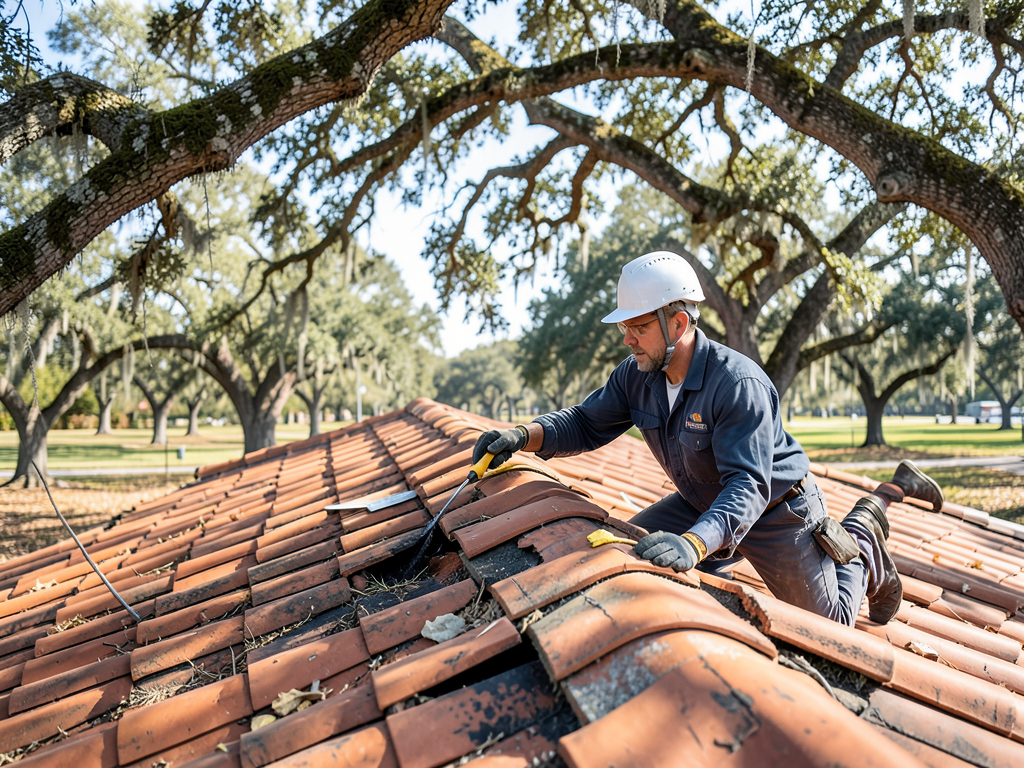
How overhanging oak trees can destroy the roof of your Olmos Park home
Live oak trees create the iconic canopy that makes Olmos Park beautiful but those same trees can cause thousands of dollars in roof damage when storms hit San Antonio. The combination of heavy limbs overhanging your roof and the region’s intense spring thunderstorms creates a perfect storm for structural damage. How to get your San Antonio roof fixed after a major hail storm.
Olmos Park sits in an area of Bexar County where mature trees line nearly every street. While these trees provide shade and character they also drop leaves twigs and branches year-round. During a severe storm those same branches can break and crash through your roof deck leaving you with water damage structural issues and a massive repair bill.
Understanding how tree damage happens in San Antonio helps you prevent it. The region’s clay soil expands and contracts with moisture changes causing trees to shift. When combined with high winds from spring storms branches can rub against shingles wearing away protective granules. Over time this creates weak spots that fail during the next big rain. What to do when your San Antonio roof starts leaking in the middle of a storm.
Common types of tree damage to Olmos Park roofs
Tree damage to roofs in Olmos Park typically falls into several categories. Each type requires different repair approaches and insurance documentation.
Branch impact damage occurs when heavy limbs break during storms and fall onto the roof. This creates immediate punctures in shingles underlayment and sometimes the roof deck itself. The force can crack rafters and support beams requiring structural repairs beyond just replacing shingles.
Gutter clogging from oak leaves and acorns causes water to back up under shingles. In Olmos Park’s humid climate this trapped moisture leads to rot in the roof deck and fascia boards. The constant moisture also creates perfect conditions for algae and moss growth which further degrades roofing materials. Built-Up Roofing (BUR).
Branch rubbing damage happens gradually as trees grow and limbs extend over the roof. The constant contact wears away shingle granules exposing the asphalt layer to UV radiation. This accelerates aging and creates entry points for water during the next heavy rain.
Why Olmos Park’s Live Oaks create unique risks
Live oaks in Olmos Park grow differently than trees in other parts of San Antonio. Their wide spreading canopies extend far over roofs creating large surface areas vulnerable to wind damage. The trees keep their leaves year-round meaning debris accumulates continuously rather than seasonally.
The soil in Olmos Park contains more clay than surrounding areas. During dry periods this soil shrinks causing trees to become unstable. When spring thunderstorms bring sudden heavy rain the soil expands rapidly and trees can topple or lose major limbs. This soil movement also causes foundation shifts that stress roof joints and flashing.
Olmos Park’s older homes often have less steep roof pitches. This architectural style while charming creates larger flat areas where debris collects and water pools. Combined with overhanging oak limbs these flat sections become prime locations for moisture damage and eventual leaks.
Emergency steps when tree damage occurs
When a tree limb crashes through your Olmos Park roof during a storm immediate action prevents further damage. The first priority is safety. Do not enter rooms where the ceiling appears wet or sagging. Waterlogged drywall can collapse without warning.
Move valuable items away from affected areas. Water spreads quickly through insulation and can damage furniture electronics and personal belongings. If safe to do so cover items with plastic sheeting to protect them from dripping water.
Document everything before cleanup begins. Take clear photos of all damage including the fallen tree branch and any water stains on ceilings or walls. These images become crucial evidence for insurance claims. Include photos showing the tree’s position relative to your home to establish liability if the tree was on a neighbor’s property.
Contact emergency tarping services immediately. In San Antonio severe storms often create a backlog of emergency calls. Having a reliable roofing contractor who offers 24/7 tarping can prevent thousands in additional water damage while you wait for permanent repairs.
Insurance claims for tree damage in San Antonio
Navigating insurance claims for tree damage in Olmos Park requires understanding Texas homeowners insurance policies. Most policies cover damage from falling trees if the tree fell due to a covered peril like wind or lightning. However coverage for tree removal varies significantly between policies. Texas Commission on Environmental Quality.
USAA and other major insurers serving San Antonio often require specific documentation for tree damage claims. You must prove the tree was healthy before the storm or that the damage resulted from a covered weather event. Photos of the fallen tree showing no signs of disease or decay strengthen your claim.
The claims process typically starts with an adjuster inspection. In Olmos Park’s tree-dense areas adjusters must determine whether the tree fell due to natural causes or neglect. If a neighbor’s dead tree falls on your house their insurance may deny the claim if they can prove the tree showed signs of disease before the storm.
Keep all receipts for emergency services including tarping and tree removal. Insurance companies often reimburse these costs separately from roof repairs. Some policies have specific limits for debris removal so understanding your coverage prevents surprises. How much a new roof actually costs in San Antonio right now.
Preventative maintenance for tree-lined neighborhoods
Regular tree maintenance prevents most roof damage in Olmos Park. Professional arborists recommend trimming oak trees every 2-3 years depending on growth rate. Focus on removing branches within 10 feet of your roof and any limbs showing signs of decay or disease.
Gutter cleaning becomes essential in tree-dense areas. In Olmos Park oak leaves fall continuously creating year-round debris accumulation. Clean gutters at least twice yearly and inspect them after major storms. Consider installing gutter guards designed for heavy leaf fall though these still require periodic maintenance.
Roof inspections should occur annually especially after storm season. Look for missing shingles cracked flashing or areas where branches have rubbed away protective coatings. Early detection of minor damage prevents expensive repairs later.
Soil management around your home’s foundation helps prevent tree-related roof damage. Maintain consistent moisture levels in the soil to minimize expansion and contraction. This stability reduces the likelihood of trees shifting during storms and damaging your roof.
Cost factors for tree damage repairs
Repair costs for tree damage in Olmos Park vary based on several factors. Simple shingle replacement might cost a few hundred dollars while structural damage requiring new decking and rafters can exceed $10,000.
The extent of water damage significantly impacts repair costs. Water that penetrates the roof deck often travels through walls and ceilings before becoming visible. This hidden damage requires extensive demolition and reconstruction adding thousands to repair bills.
Emergency services carry premium pricing especially during active storm seasons. After major weather events in San Antonio demand for tarping and emergency repairs can drive prices up 50% or more. Having a pre-established relationship with a local roofing contractor helps avoid these surge prices.
Insurance deductibles affect your out-of-pocket costs regardless of total damage. Many Texas homeowners policies have deductibles of $1,000 to $2,500. For minor damage you might pay the entire repair cost yourself if it falls below your deductible.
Choosing the right contractor for tree damage repairs
Selecting a contractor for tree damage repairs in Olmos Park requires specific expertise. Not all roofers understand the unique challenges of repairing damage in tree-dense neighborhoods. Look for contractors with experience handling insurance claims and coordinating with tree removal services.
Verify licensing through the Roofing Contractors Association of Texas. RCAT membership indicates adherence to professional standards and continuing education. In San Antonio’s storm-prone climate this certification matters more than in other regions.
Ask about experience with Olmos Park’s specific housing styles. Many homes in the area feature clay tile or Spanish-style roofing that requires specialized installation techniques. A contractor familiar with these materials will provide better repairs than one who primarily works with standard asphalt shingles.
Get multiple estimates but be wary of extremely low bids. Quality tree damage repairs require proper structural assessment and moisture testing. Contractors who cut corners might miss hidden damage leading to recurring problems and additional costs later.
Long-term solutions for tree protection
Installing impact-resistant shingles provides better protection against tree damage. Class 4 impact-resistant shingles withstand hail and falling debris better than standard materials. While more expensive initially they often pay for themselves through insurance discounts and reduced repair needs.
Strategic tree planting prevents future problems. When replacing damaged trees or adding landscaping choose species with less aggressive growth patterns. Maintain adequate distance between new trees and your home based on mature canopy size rather than current size.
Regular roof maintenance extends the life of repairs and prevents minor damage from becoming major problems. Schedule professional inspections annually and after any severe weather. Early detection of issues like lifted shingles or cracked flashing prevents water intrusion.
Consider installing roof underlayment upgrades during repairs. Synthetic underlayments provide better moisture protection than traditional felt paper. While adding to initial repair costs they prevent many common problems in Olmos Park’s humid climate.
Olmos Park vs surrounding neighborhoods
Tree damage patterns differ between Olmos Park and nearby neighborhoods like Alamo Heights and Terrell Hills. Olmos Park’s older homes often have larger mature trees creating more extensive roof coverage and higher damage potential during storms.
Alamo Heights features more varied tree species including pecans and elms alongside oaks. This diversity creates different debris patterns and damage characteristics. Pecan trees drop large limbs that can cause more immediate structural damage than oak twigs and leaves.
Terrell Hills has more recent construction with modern building practices. Newer homes often feature better ventilation and moisture barriers reducing the impact of debris accumulation. However newer developments sometimes have less mature tree cover initially creating different long-term maintenance patterns.
Understanding these neighborhood differences helps contractors provide accurate estimates and appropriate repair solutions. Local experience matters when addressing the specific challenges each area presents. Understanding Roof Warranties.
Seasonal considerations for Olmos Park homeowners
Tree-related roof damage in Olmos Park follows seasonal patterns. Spring brings the highest risk as oak trees leaf out creating heavier canopies more vulnerable to wind damage. This coincides with San Antonio’s severe storm season creating peak danger periods.
Summer heat causes soil to dry and shrink increasing tree instability. Trees that seemed stable in spring can become hazardous as soil moisture levels change. Regular inspection during summer months catches developing problems before storms hit.
Fall brings leaf drop creating immediate gutter clogging issues. While less dramatic than spring storms, fall debris accumulation causes significant water damage over time. Schedule gutter cleaning before winter rains begin.
Winter in San Antonio rarely brings snow but occasional ice storms create unique hazards. Ice accumulation on oak branches can double their weight causing unexpected breakage. Trees that survived summer storms might fail during rare freezing events.
Legal considerations for tree damage
Texas law addresses tree damage liability in specific ways that affect Olmos Park homeowners. Generally you are responsible for maintaining trees on your property. If your tree falls on a neighbor’s house during a storm you typically bear responsibility unless you can prove the tree was healthy and the damage resulted from an act of God.
Local ordinances in Olmos Park may restrict tree removal even when trees threaten your roof. The city values its tree canopy and requires permits for removing certain species or trees above specific sizes. Check local regulations before removing potentially hazardous trees.
HOA rules in many Olmos Park neighborhoods add another layer of complexity. Some associations require specific tree species or maintain strict guidelines about tree trimming and removal. Violating these rules can result in fines even when addressing legitimate safety concerns.
Document all tree maintenance and inspections. If a tree you maintained properly causes damage later you have evidence supporting your position in liability disputes. Keep records of trimming, health assessments, and any professional recommendations.
Building code requirements for repairs
San Antonio building codes require specific standards for roof repairs following tree damage. The city mandates permits for structural repairs including replacing roof decking or rafters. Work without proper permits can complicate future home sales and may void insurance coverage.
Current codes require specific nailing patterns and materials for roof deck replacement. Older homes in Olmos Park might need upgrades to meet modern standards during repairs. While this increases initial costs it ensures better protection against future damage.
Ventilation requirements have become more stringent in recent years. Proper attic ventilation prevents moisture accumulation and extends roof life. Repairs provide opportunities to upgrade ventilation systems often required by code when replacing significant roof areas.
Energy efficiency standards affect material choices during repairs. Some municipalities require minimum insulation values or specific underlayment types. Understanding these requirements prevents delays and ensures code compliance.
Environmental impact of tree damage repairs
Roof repairs following tree damage create environmental considerations specific to Olmos Park. The area’s proximity to the Edwards Aquifer recharge zone means construction debris must be contained to prevent contamination. Proper disposal of roofing materials prevents environmental damage.
Recycling options exist for many roofing materials. Asphalt shingles can be recycled into road paving materials reducing landfill impact. Metal flashing and components are fully recyclable. Ask contractors about recycling programs to minimize environmental footprint.
Tree removal during repairs presents additional environmental considerations. Rather than sending removed trees to landfills consider chipping for mulch or donating to organizations that use wood for habitat restoration. Some tree services offer these alternatives.
Energy efficiency improvements during repairs benefit the environment. Cool roof coatings and better insulation reduce energy consumption. These upgrades often qualify for utility rebates while providing long-term environmental benefits.
Future trends in roof protection
Emerging technologies offer better protection against tree damage for Olmos Park homes. Impact-resistant synthetic materials provide durability approaching metal roofing while maintaining traditional appearances. These materials withstand falling debris better than conventional shingles.
Smart home integration allows early detection of roof problems. Moisture sensors in attics can alert homeowners to water intrusion before visible damage occurs. Some systems integrate with weather forecasts to provide proactive warnings during approaching storms.
Drone technology improves inspection accuracy. High-resolution aerial imagery identifies damage patterns impossible to see from ground level. This technology particularly benefits tree-dense areas where close inspection remains dangerous.
Building materials continue evolving to address specific regional challenges. Products designed for Texas heat and humidity offer better longevity in Olmos Park’s climate. While initially more expensive these materials often provide better lifetime value through reduced maintenance needs.
Frequently Asked Questions
How quickly should I address tree damage to my roof?
Address tree damage immediately. Even small punctures allow water intrusion that causes exponential damage over time. Emergency tarping prevents additional water damage while you arrange permanent repairs. Delay increases repair costs and creates health hazards from mold growth.
Will my insurance cover tree removal from my roof?
Coverage varies by policy. Many policies cover tree removal if the tree falls due to a covered peril like wind or lightning. However some exclude removal if the tree was dead or diseased before the storm. Review your policy or consult your insurance agent for specific coverage details.
Can I prevent tree damage to my roof?
Yes. Regular tree trimming keeps branches away from your roof. Professional inspections identify hazardous trees before they cause damage. Gutter guards reduce debris accumulation. Impact-resistant roofing materials provide better protection against falling debris. These preventative measures cost less than emergency repairs.
How do I know if tree damage is severe enough to require a full roof replacement?
Structural damage to the roof deck or support system often requires partial or complete replacement. Water damage extending through multiple layers also indicates replacement needs. A professional inspection determines whether repairs or replacement provides better long-term value. Consider repair costs against your roof’s remaining lifespan.
What should I do if a neighbor’s tree falls on my house?
Document the damage with photos and contact your insurance company immediately. If the tree was healthy your policy typically covers the damage. If the tree showed signs of disease before falling your neighbor might bear responsibility. Avoid confrontations and let insurance companies determine liability through their investigation process.
Are there specific building codes for roof repairs in Olmos Park?
San Antonio building codes apply to Olmos Park. Permits are required for structural repairs including deck replacement. Current codes mandate specific materials nailing patterns and ventilation requirements. Check with the city building department for specific requirements before beginning repairs.
How long does tree damage repair typically take?
Minor repairs might complete in one day. Extensive structural damage requiring permits and inspections can take several days to weeks. Emergency tarping provides immediate protection while permanent repairs are scheduled. Weather conditions and material availability also affect timelines.
Should I hire a specialized contractor for tree damage repairs?
Yes. Tree damage repairs require expertise in structural assessment water damage restoration and insurance claims. General contractors might miss hidden damage or fail to properly document for insurance purposes. Look for contractors with specific experience in storm damage and tree-related repairs.
What are the signs of hidden water damage from tree impacts?
Look for ceiling stains peeling paint or bubbling wall surfaces. Musty odors indicate mold growth. Sagging areas suggest water-saturated materials. In attics check for wet insulation dark spots on wood or rusted nail heads. Professional moisture testing identifies damage not visible to the naked eye.
How can I prepare my roof for storm season in Olmos Park?
Schedule professional inspections before storm season. Trim trees away from your roof. Clean gutters and downspouts. Check flashing around chimneys and vents. Consider impact-resistant materials if replacement is planned. Document your roof’s condition with photos for insurance purposes.
- Inspect trees regularly
Look for dead branches disease signs or unstable growth patterns. Professional arborists can identify hazards you might miss.
- Maintain proper clearance
Keep branches at least 10 feet from your roof. This prevents rubbing damage and reduces debris accumulation.
- Clean gutters seasonally
Remove leaves twigs and debris that trap moisture against your roof. Consider gutter guards for heavy leaf fall areas.
- Schedule annual roof inspections
Professional inspections identify minor damage before it becomes major problems. Document findings with photos.
- Consider impact-resistant materials
When replacing your roof choose Class 4 impact-resistant shingles for better protection against falling debris.
Take action now to protect your Olmos Park home
Tree damage to your roof creates immediate risks and long-term problems if not addressed properly. The combination of Olmos Park’s mature oak canopy and San Antonio’s severe weather patterns makes your home particularly vulnerable to storm damage.
Don’t wait for the next big storm to discover problems with your roof. Schedule a professional inspection today to identify potential hazards before they cause expensive damage. Summit Roofing San Antonio provides comprehensive roof assessments including tree damage risk evaluation and preventative maintenance recommendations.
Emergency tree damage requires immediate professional response. Our 24/7 emergency services include rapid tarping to prevent water damage while permanent repairs are planned. We coordinate with tree removal services and insurance companies to streamline the repair process and minimize your stress.
Call Summit Roofing San Antonio now at (726) 256-6199 for emergency response or to schedule your comprehensive roof inspection. Protect your Olmos Park home from the hidden dangers of overhanging oak trees before the next storm hits. For more information, visit FEMA.