
How nesting birds and droppings can corrode your commercial roof in the Pearl District
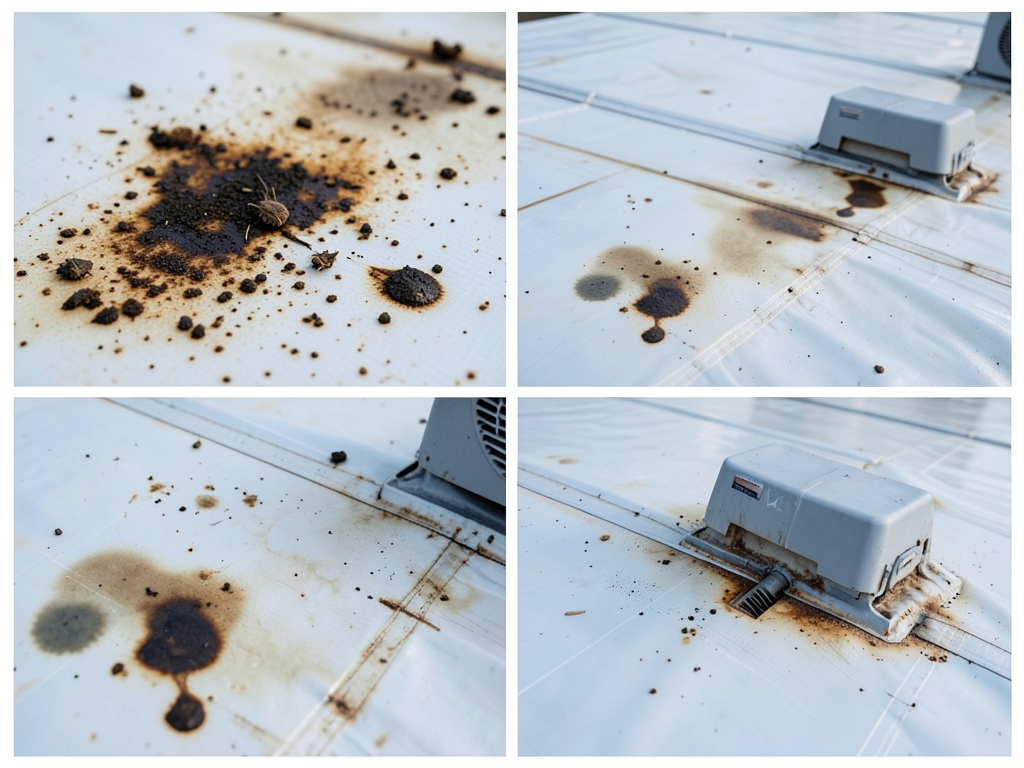
The Pearl District’s vibrant mix of restaurants, offices, and retail spaces creates an ideal environment for pest birds. Great-tailed grackles, pigeons, and sparrows thrive in this urban setting, but their presence poses a serious threat to your commercial roof. Bird droppings contain uric acid with a pH between 3 and 4.5, which can eat through TPO membranes, corrode metal flashing, and degrade protective coatings on your roof surface. How to Get Your Commercial Flat Roof Ready for San Antonio Summer Storms.
San Antonio’s intense UV exposure combined with bird damage creates a perfect storm for roof deterioration. When droppings accumulate on your roof, they trap heat and moisture against the membrane. This accelerates UV degradation and creates weak points where water can penetrate. The problem compounds when nesting materials block drainage systems, causing standing water that further weakens your roof structure. How to get your San Antonio roof fixed after a major hail storm.
Property managers in the Pearl District and surrounding areas like Tobin Hill and Alta Vista often discover bird damage during routine maintenance or after a heavy rain. By then, the damage may require expensive repairs or even partial roof replacement. Understanding how birds damage commercial roofs and implementing preventive measures can save you thousands in repair costs and extend your roof’s lifespan by years. EPA information on bird control and environmental protection.
The hidden costs of bird infestations on commercial roofs
Bird damage goes beyond surface corrosion. When grackles and pigeons nest in HVAC units or under solar panels, they create fire hazards from dried nesting materials. Their droppings can clog condensation lines, causing HVAC systems to work inefficiently and increasing your energy bills. In San Antonio’s hot climate, this inefficiency can add hundreds of dollars to your monthly utility costs. How much a new roof actually costs in San Antonio right now.
The structural impact is equally concerning. Bird droppings are heavier than they appear. When they accumulate in roof drains and scuppers, the added weight can stress your roof structure. During San Antonio’s occasional heavy downpours, this weight combined with standing water can exceed your roof’s load capacity, leading to sagging or even collapse in extreme cases. What to do when your San Antonio roof starts leaking in the middle of a storm.
Health concerns add another layer of cost. Bird droppings harbor bacteria including E. coli and Salmonella. When dried droppings become airborne, they can contaminate your building’s air handling systems. This creates liability issues and potential health code violations for restaurants and food service businesses in the Pearl District. Professional bird proofing eliminates these risks while protecting your roof investment.
Common San Antonio pest birds and their behaviors
Great-tailed grackles dominate the San Antonio bird scene. These intelligent birds travel in large flocks and are particularly attracted to areas with food waste. Their droppings are highly acidic and their nesting habits destructive. They prefer to nest in protected areas like HVAC units, solar panel arrays, and parapet walls. A single grackle can produce up to 2 ounces of droppings per day, and a flock can number in the hundreds.
Pigeons present a different challenge. They roost on ledges and create permanent nesting sites that are difficult to remove. Their droppings accumulate quickly and harden into a concrete-like substance that traps moisture against your roof membrane. Pigeons also carry mites and other parasites that can migrate into your building through small openings.
House sparrows, though smaller, cause significant damage through their nesting habits. They build nests in drainage systems, light fixtures, and small gaps in your roof structure. Their nesting materials are highly flammable and can block critical ventilation paths. In San Antonio’s hot climate, this blockage can cause equipment to overheat and fail prematurely.
How bird droppings damage different commercial roof types
TPO and PVC membranes are particularly vulnerable to bird droppings. The uric acid in droppings breaks down the chemical bonds in these single-ply membranes. Within months, you’ll see discoloration, surface etching, and eventually small perforations that allow water infiltration. These materials cannot be patched effectively once the membrane is compromised by acid damage.
Metal roofing systems face a different threat. Bird droppings accelerate corrosion of aluminum and steel components. The acid creates pits in the metal surface, which then trap moisture and accelerate further corrosion. Over time, this can lead to rusted flashing, deteriorated seams, and water infiltration at panel joints. In San Antonio’s humid climate, this corrosion process happens faster than in drier regions.
Modified bitumen and built-up roofing systems can handle some exposure, but repeated droppings create soft spots in the surface. These soft areas can’t support foot traffic and are prone to puncture. The asphalt in these systems begins to break down when exposed to concentrated acid, leading to premature aging and reduced waterproofing effectiveness.
Professional bird deterrent solutions for San Antonio businesses
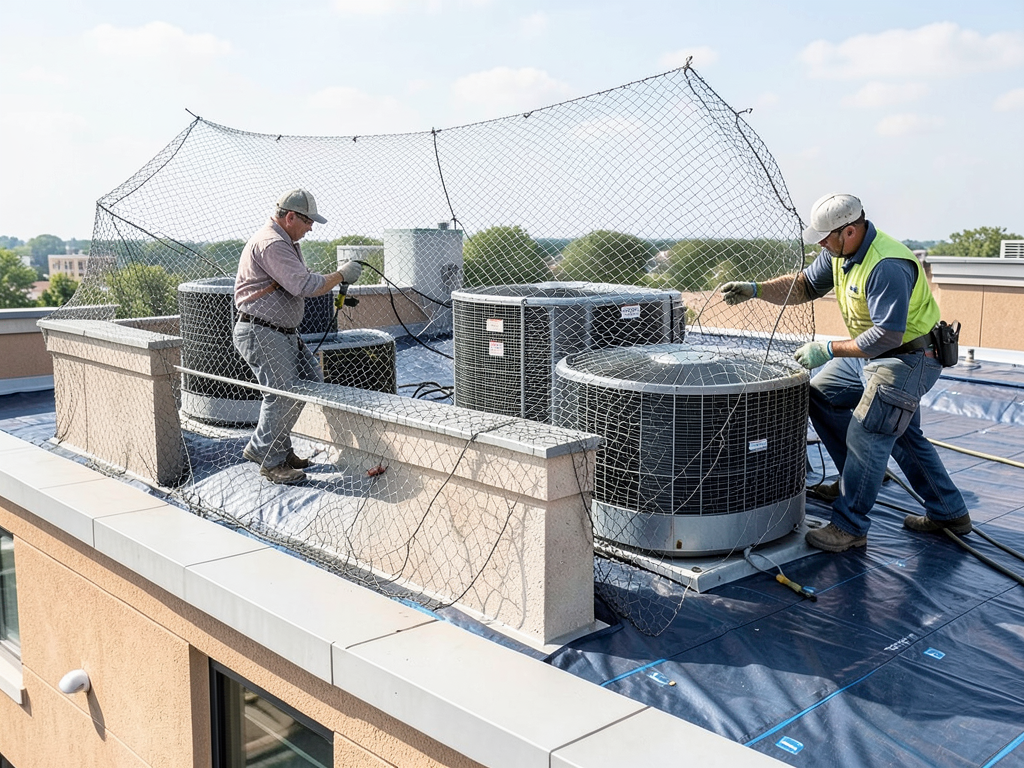
Bird netting provides complete exclusion for large areas. Heavy-duty polyethylene netting blocks birds from accessing HVAC units, entire roof sections, and loading docks. Professional installation ensures the netting is tensioned correctly and secured to withstand San Antonio’s occasional high winds. The mesh size can be customized for different bird species – smaller mesh for sparrows, larger for grackles and pigeons.
Bird spikes create physical barriers on ledges, parapets, and other roosting surfaces. Stainless steel spikes resist San Antonio’s UV exposure and don’t rust or deteriorate. They’re particularly effective for pigeons and larger birds but may not deter smaller species like sparrows. Proper spacing and installation angle maximize effectiveness.
Electric track systems provide a humane deterrent for persistent birds. These low-profile tracks deliver a mild electric pulse that conditions birds to avoid the area. They’re ideal for signs, ledges, and parapet walls where aesthetics matter. The systems are solar-powered options available for energy-conscious businesses in the Pearl District.
Visual deterrents and sound devices work best as part of a comprehensive strategy. Reflective tape, predator decoys, and ultrasonic repellers can discourage birds from establishing territory. However, birds often become accustomed to stationary deterrents, so rotating different methods maintains effectiveness.
Integration with San Antonio commercial roof systems
Professional bird proofing must work with your existing roof system, not against it. For TPO roofs, deterrents are installed without penetrating the membrane. This preserves your warranty and prevents new leak points. Special brackets and adhesive systems secure deterrents while maintaining the roof’s waterproof integrity.
HVAC protection requires careful planning. Bird netting around units must allow for maintenance access and proper ventilation. The netting should be installed with removable panels or zippered sections that technicians can open for service. This prevents birds from nesting in the off-season when deterrents might be temporarily removed.
Solar panel bird guards have become essential as more Pearl District buildings add solar arrays. These specialized mesh systems attach to the perimeter of solar panels, blocking birds from nesting underneath while allowing air circulation to keep panels cool. In San Antonio’s heat, proper airflow under panels improves energy production by up to 15%.
Drainage systems need protection too. Bird guards over roof drains and scuppers prevent nesting materials from blocking water flow. These guards are designed to handle San Antonio’s occasional heavy rainfall while keeping birds out. Proper drainage prevents the standing water that accelerates roof deterioration.
Legal considerations for bird control in Texas
Bird control in Texas must comply with state and federal regulations. The Migratory Bird Treaty Act protects most native bird species, making it illegal to harm adult birds, eggs, or active nests. This means deterrents must be installed before nesting season or after nests are abandoned. Professional installers understand these timing requirements and can help you stay compliant. Texas Parks and Wildlife Department bird control guidelines.
Great-tailed grackles, while native, are exempt from some protections due to their status as a nuisance species. However, local ordinances in San Antonio may still restrict certain control methods. Working with a licensed professional ensures your bird control program meets all legal requirements while effectively protecting your property.
Permits may be required for certain deterrent installations, particularly in historic districts or areas with strict building codes. The Pearl District has specific guidelines for exterior modifications. Professional bird control companies handle permit applications and ensure all installations meet local requirements.
Maintenance and monitoring for long-term protection
Bird deterrents require regular maintenance to remain effective. Netting can sag over time, creating gaps that birds exploit. Spikes can become clogged with debris or damaged by foot traffic. Electric tracks need periodic cleaning and inspection to ensure proper function. A quarterly maintenance schedule catches these issues before birds reestablish their presence.
San Antonio’s weather creates unique maintenance challenges. UV exposure degrades plastic components, while occasional hailstorms can damage deterrent systems. After severe weather, a professional inspection ensures your bird control measures remain intact and functional. This inspection should include checking for new entry points birds might have discovered.
Documentation helps track effectiveness and justify the investment. Keep records of bird activity, deterrent maintenance, and any roof damage discovered. This information helps refine your bird control strategy and provides valuable data if you need to file insurance claims for bird-related damage.
Cost-benefit analysis for Pearl District property managers
The cost of professional bird proofing varies based on your building’s size and the severity of the bird problem. A typical installation for a medium-sized commercial building in the Pearl District ranges from $3,000 to $15,000. This includes materials, professional installation, and initial setup of deterrent systems.
Compare this to the cost of bird damage repairs. TPO membrane replacement averages $7 to $12 per square foot. If birds damage 1,000 square feet of your roof, you’re looking at $7,000 to $12,000 in replacement costs, not including the cost of business interruption or temporary roofing during repairs.
HVAC repairs from bird damage add another cost layer. Cleaning contaminated HVAC units, replacing clogged condensation lines, and repairing fire damage from nesting materials can cost $2,000 to $10,000 per unit. Most commercial buildings in the Pearl District have multiple HVAC units, multiplying these costs.
The ROI becomes clear when you consider prevention. Professional bird proofing typically pays for itself within 2-3 years through avoided repair costs and extended roof life. Many property managers find that bird proofing also improves their building’s appearance and reduces complaints from tenants about bird noise and droppings.
Choosing the right bird control partner in San Antonio
Not all bird control companies understand commercial roofing systems. Look for contractors with specific experience in TPO, PVC, and metal roof installations. They should understand how to install deterrents without voiding your roof warranty or creating new leak points. Ask for references from other Pearl District businesses who have dealt with similar bird problems.
Certification matters in bird control. Companies certified by Bird Barrier America or similar organizations have demonstrated knowledge of effective, humane bird control methods. They stay current on the latest deterrent technologies and understand the nuances of different bird species’ behaviors.
Insurance and licensing are non-negotiable. Bird control often requires working at heights and around sensitive equipment. Your contractor should carry liability insurance and workers’ compensation. They should also be licensed by the Texas Department of Agriculture for pest control work if they’re using any chemical deterrents.
Local knowledge provides a significant advantage. San Antonio’s bird species, climate, and building codes create unique challenges. A local company understands these factors and can recommend solutions that work specifically for Pearl District properties. They can also respond quickly for maintenance and repairs when needed.
Case study: Pearl District restaurant success story
A popular restaurant in the Pearl District was losing customers due to aggressive grackles swooping down during outdoor dining. Bird droppings covered patio furniture and outdoor kitchen equipment. The owner tried DIY spikes and fake owls with no success. Professional assessment revealed that grackles had established multiple nesting sites in the building’s parapet walls and HVAC units.
The solution involved installing heavy-duty bird netting across the entire roof area, creating a complete barrier. Electric track systems were added to parapet ledges where birds liked to perch. Special access panels allowed HVAC technicians to service equipment without compromising the bird barrier. Within two weeks, bird activity decreased by 90%, and customer complaints stopped entirely.
The restaurant saw additional benefits beyond bird control. Their HVAC efficiency improved by 15% after removing nesting materials from ventilation paths. Roof maintenance became easier without bird droppings to clean. Most importantly, they avoided an estimated $12,000 in roof repairs that bird damage would have necessitated within the next year.
Frequently Asked Questions
How long does professional bird proofing last?
Quality bird deterrent installations typically last 5-10 years with proper maintenance. UV-resistant materials and professional installation maximize longevity. Factors affecting lifespan include San Antonio’s intense sun exposure, severe weather events, and the persistence of local bird populations. Regular inspections and maintenance can extend system life beyond the typical range.
Will bird deterrents harm the birds?
Professional bird control methods are designed to be humane and non-lethal. Deterrents work by making areas uncomfortable or inaccessible to birds, not by harming them. Electric track systems deliver a mild pulse similar to static electricity. Netting and spikes create physical barriers without injuring birds. These methods comply with wildlife protection laws while effectively solving bird problems.
Can I install bird deterrents myself?
DIY bird control often fails because it doesn’t address the underlying factors attracting birds. Professional installation ensures proper placement, secure mounting, and integration with your roof system. Commercial buildings require specialized equipment and knowledge of roofing warranties. Improper installation can void warranties, create leak points, or even increase liability if someone is injured during DIY installation attempts. Understanding Roof Warranties.
How quickly will I see results after installation?
Most birds begin avoiding treated areas within 24-48 hours of professional installation. However, established nesting sites may take longer to clear completely. Grackles and pigeons are particularly persistent and may attempt to return for several weeks. A comprehensive deterrent system with multiple methods typically achieves 90% effectiveness within one month of installation.
Does bird proofing affect my roof warranty?
Professional bird control installation should not void your roof warranty when done correctly. Certified installers understand manufacturer requirements and use attachment methods that preserve warranty coverage. In fact, preventing bird damage can help you maintain your warranty by avoiding the types of damage that manufacturers consider neglect or misuse of the roofing system.
What time of year is best for bird control installation?
The ideal time for bird control installation in San Antonio is late winter or early spring, before nesting season begins. This timing prevents birds from establishing new nesting sites and makes existing sites easier to clear. However, installations can be done year-round with proper planning around active nesting periods and local wildlife regulations.
- Professional Assessment
A certified bird control specialist inspects your roof to identify bird species, nesting sites, and damage patterns. They evaluate your roof type, HVAC configuration, and drainage systems to recommend appropriate deterrent solutions.
- Custom Solution Design
Based on the assessment, technicians design a comprehensive bird control system using appropriate deterrents for your specific situation. The design considers San Antonio’s climate, local bird behaviors, and your building’s architecture.
- Professional Installation
Certified installers mount deterrents without penetrating your roof membrane or voiding warranties. They secure all components to withstand San Antonio’s weather and ensure proper integration with existing roof systems.
- Initial Monitoring
After installation, technicians monitor bird activity to ensure deterrents are working effectively. They make adjustments to address any persistent problem areas and verify that birds are being successfully excluded.
- Maintenance Schedule Setup
Establish a regular maintenance schedule for inspections and repairs. Quarterly checks catch issues before they become problems, and annual comprehensive inspections ensure your system continues protecting your investment.
Bird damage to commercial roofs in San Antonio’s Pearl District is a serious problem that only gets worse over time. The combination of acidic droppings, nesting materials, and San Antonio’s harsh climate creates a perfect storm for roof deterioration. Professional bird control isn’t just about keeping birds away – it’s about protecting your investment, maintaining your property’s appearance, and avoiding costly repairs.
Property managers in the Pearl District and surrounding areas like Tobin Hill and Alta Vista can’t afford to ignore bird problems. The damage happens gradually but accelerates once birds establish nesting sites. By the time you notice visible damage, the underlying membrane may already be compromised. Professional bird proofing provides a long-term solution that preserves your roof’s integrity and extends its useful life.
Don’t wait until bird damage forces an expensive roof replacement. Summit Roofing San Antonio has helped numerous Pearl District businesses eliminate bird problems while protecting their roof investments. Our certified technicians understand San Antonio’s unique bird challenges and know how to install deterrents that work with your existing roof system.
Ready to protect your commercial roof from bird damage? Call Summit Roofing San Antonio today at (726) 256-6199 for a free assessment. Our local experts will evaluate your bird problem and recommend solutions that fit your building’s specific needs. Don’t let pest birds cost you thousands in repairs – take action now to protect your investment.
{
“@context”: “https://schema.org”,
“@type”: “BlogPosting”,
“headline”: “How nesting birds and droppings can corrode your commercial roof in the Pearl District”,
“description”: “Bird droppings and nesting materials can severely damage TPO and metal commercial roofs in San Antonio’s Pearl District. Learn how to protect your investment.”,
“wordCount”: 2854,
“datePublished”: “2026-05-19T07:36:00.000Z”,
“dateModified”: “2026-05-19T07:36:00.000Z”,
“inLanguage”: “en-US”,
“mainEntityOfPage”: {
“@type”: “WebPage”,
“@id”: “https://summitroofingsanantonio.com”
},
“publisher”: {
“@type”: “LocalBusiness”,
“name”: “Summit Roofing San Antonio”,
“url”: “https://summitroofingsanantonio.com”
},
“author”: {
“@type”: “Organization”,
“name”: “Summit Roofing San Antonio”,
“url”: “https://summitroofingsanantonio.com”
},
“image”: {
“@type”: “ImageObject”,
“url”: “https://summitroofingsanantonio.com/wp-content/uploads/2026/03/how-nesting-birds-and-droppings-can-corrode-your-c-1.png”
}
}
{
“@context”: “https://schema.org”,
“@type”: “RoofingContractor”,
“name”: “Summit Roofing San Antonio”,
“url”: “https://summitroofingsanantonio.com”,
“address”: {
“@type”: “PostalAddress”,
“addressLocality”: “San Antonio”
},
“areaServed”: {
“@type”: “City”,
“name”: “San Antonio”
}
}
{
“@context”: “https://schema.org”,
“@type”: “FAQPage”,
“mainEntity”: [
{
“@type”: “Question”,
“name”: “How long does professional bird proofing last?”,
“acceptedAnswer”: {
“@type”: “Answer”,
“text”: “Quality bird deterrent installations typically last 5-10 years with proper maintenance. UV-resistant materials and professional installation maximize longevity. Factors affecting lifespan include San Antonio’s intense sun exposure, severe weather events, and the persistence of local bird populations. Regular inspections and maintenance can extend system life beyond the typical range.”
}
},
{
“@type”: “Question”,
“name”: “Will bird deterrents harm the birds?”,
“acceptedAnswer”: {
“@type”: “Answer”,
“text”: “Professional bird control methods are designed to be humane and non-lethal. Deterrents work by making areas uncomfortable or inaccessible to birds, not by harming them. Electric track systems deliver a mild pulse similar to static electricity. Netting and spikes create physical barriers without injuring birds. These methods comply with wildlife protection laws while effectively solving bird problems.”
}
},
{
“@type”: “Question”,
“name”: “Can I install bird deterrents myself?”,
“acceptedAnswer”: {
“@type”: “Answer”,
“text”: “DIY bird control often fails because it doesn’t address the underlying factors attracting birds. Professional installation ensures proper placement, secure mounting, and integration with your roof system. Commercial buildings require specialized equipment and knowledge of roofing warranties. Improper installation can void warranties, create leak points, or even increase liability if someone is injured during DIY installation attempts. Understanding Roof Warranties.”
}
},
{
“@type”: “Question”,
“name”: “How quickly will I see results after installation?”,
“acceptedAnswer”: {
“@type”: “Answer”,
“text”: “Most birds begin avoiding treated areas within 24-48 hours of professional installation. However, established nesting sites may take longer to clear completely. Grackles and pigeons are particularly persistent and may attempt to return for several weeks. A comprehensive deterrent system with multiple methods typically achieves 90% effectiveness within one month of installation.”
}
},
{
“@type”: “Question”,
“name”: “Does bird proofing affect my roof warranty?”,
“acceptedAnswer”: {
“@type”: “Answer”,
“text”: “Professional bird control installation should not void your roof warranty when done correctly. Certified installers understand manufacturer requirements and use attachment methods that preserve warranty coverage. In fact, preventing bird damage can help you maintain your warranty by avoiding the types of damage that manufacturers consider neglect or misuse of the roofing system.”
}
},
{
“@type”: “Question”,
“name”: “What time of year is best for bird control installation?”,
“acceptedAnswer”: {
“@type”: “Answer”,
“text”: “The ideal time for bird control installation in San Antonio is late winter or early spring, before nesting season begins. This timing prevents birds from establishing new nesting sites and makes existing sites easier to clear. However, installations can be done year-round with proper planning around active nesting periods and local wildlife regulations.”
}
}
]
}
{
“@context”: “https://schema.org”,
“@type”: “HowTo”,
“name”: “Steps to Protect Your Commercial Roof from Birds”,
“step”: [
{
“@type”: “HowToStep”,
“position”: 1,
“name”: “Professional Assessment”,
“text”: “A certified bird control specialist inspects your roof to identify bird species, nesting sites, and damage patterns. They evaluate your roof type, HVAC configuration, and drainage systems to recommend appropriate deterrent solutions.”
},
{
“@type”: “HowToStep”,
“position”: 2,
“name”: “Custom Solution Design”,
“text”: “Based on the assessment, technicians design a comprehensive bird control system using appropriate deterrents for your specific situation. The design considers San Antonio’s climate, local bird behaviors, and your building’s architecture.”
},
{
“@type”: “HowToStep”,
“position”: 3,
“name”: “Professional Installation”,
“text”: “Certified installers mount deterrents without penetrating your roof membrane or voiding warranties. They secure all components to withstand San Antonio’s weather and ensure proper integration with existing roof systems.”
},
{
“@type”: “HowToStep”,
“position”: 4,
“name”: “Initial Monitoring”,
“text”: “After installation, technicians monitor bird activity to ensure deterrents are working effectively. They make adjustments to address any persistent problem areas and verify that birds are being successfully excluded.”
},
{
“@type”: “HowToStep”,
“position”: 5,
“name”: “Maintenance Schedule Setup”,
“text”: “Establish a regular maintenance schedule for inspections and repairs. Quarterly checks catch issues before they become problems, and annual comprehensive inspections ensure your system continues protecting your investment.”
}
],
“image”: “https://summitroofingsanantonio.com/wp-content/uploads/2026/03/how-nesting-birds-and-droppings-can-corrode-your-c-1.png”
}
{
“@context”: “https://schema.org”,
“@type”: “BreadcrumbList”,
“itemListElement”: [
{
“@type”: “ListItem”,
“position”: 1,
“name”: “Home”,
“item”: “https://summitroofingsanantonio.com”
},
{
“@type”: “ListItem”,
“position”: 2,
“name”: “Blog”,
“item”: “https://summitroofingsanantonio.com/blog”
},
{
“@type”: “ListItem”,
“position”: 3,
“name”: “How nesting birds and droppings can corrode your commercial roof in the Pearl District”
}
]
}
{
“@context”: “https://schema.org”,
“@type”: “Service”,
“serviceType”: “Roofing”,
“provider”: {
“@type”: “LocalBusiness”,
“name”: “Summit Roofing San Antonio”,
“url”: “https://summitroofingsanantonio.com”
},
“areaServed”: {
“@type”: “City”,
“name”: “San Antonio”
},
“description”: “Bird droppings and nesting materials can severely damage TPO and metal commercial roofs in San Antonio’s Pearl District. Learn how to protect your investment.”
}