
How heavy dust and vibration from nearby construction can impact your Dellview roof
Living in Dellview means enjoying quiet mid-century neighborhoods near major San Antonio infrastructure. But when heavy construction starts next door, the dust and vibration can quietly damage your roof before you notice. This guide explains exactly how construction vibration affects roofing systems and what Dellview homeowners can do to protect their investment. How to get your San Antonio roof fixed after a major hail storm.
Why construction vibration matters for your roof
Construction equipment generates ground-borne vibration that travels through soil and building foundations. For roofs, this creates a subtle but powerful oscillation that loosens fasteners, cracks sealants, and shifts materials over time.
Peak Particle Velocity (PPV) measures vibration intensity in inches per second. Research from the U.S. Bureau of Mines shows that vibrations above 0.1 inches per second can cause cosmetic damage to residential structures, while levels above 0.5 inches per second risk structural issues. U.S. Bureau of Mines vibration research.
In Dellview, the expansive clay soil common to San Antonio’s Blackland Prairie region actually amplifies certain vibration frequencies. This means construction even 100 feet away can transmit more energy to your home than the same work would in rocky terrain. How much a new roof actually costs in San Antonio right now.
5 specific ways vibration damages your roof
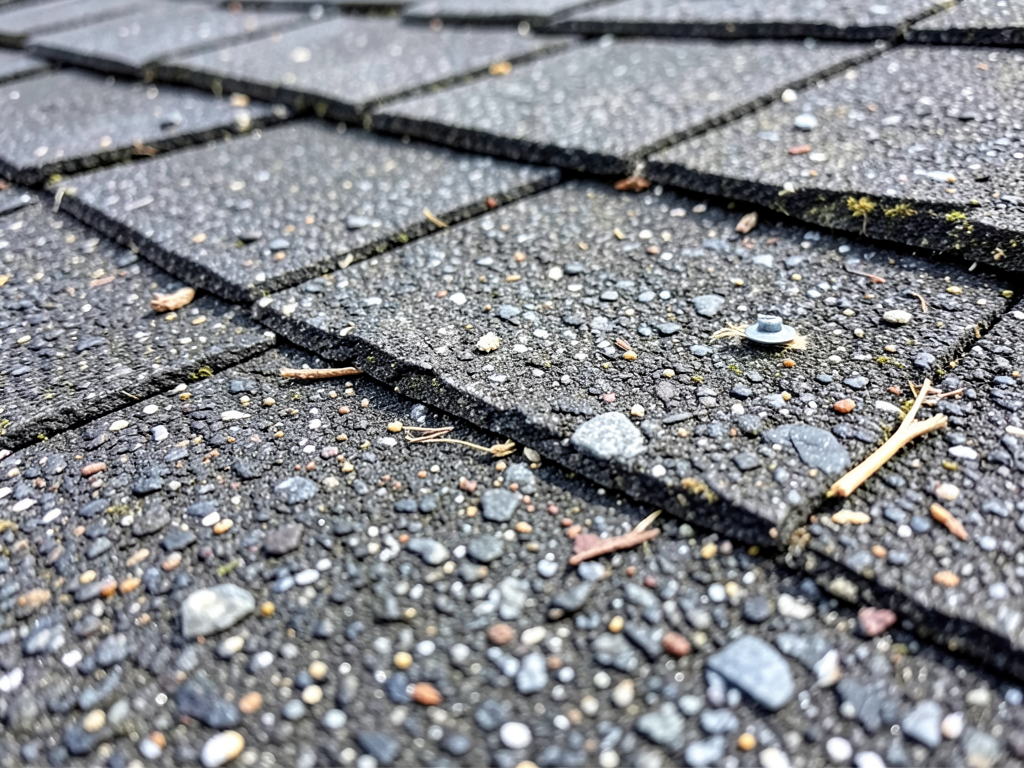
- Nail pops and fastener back-out – Continuous vibration loosens roofing nails and screws, creating raised shingles and potential leak points.
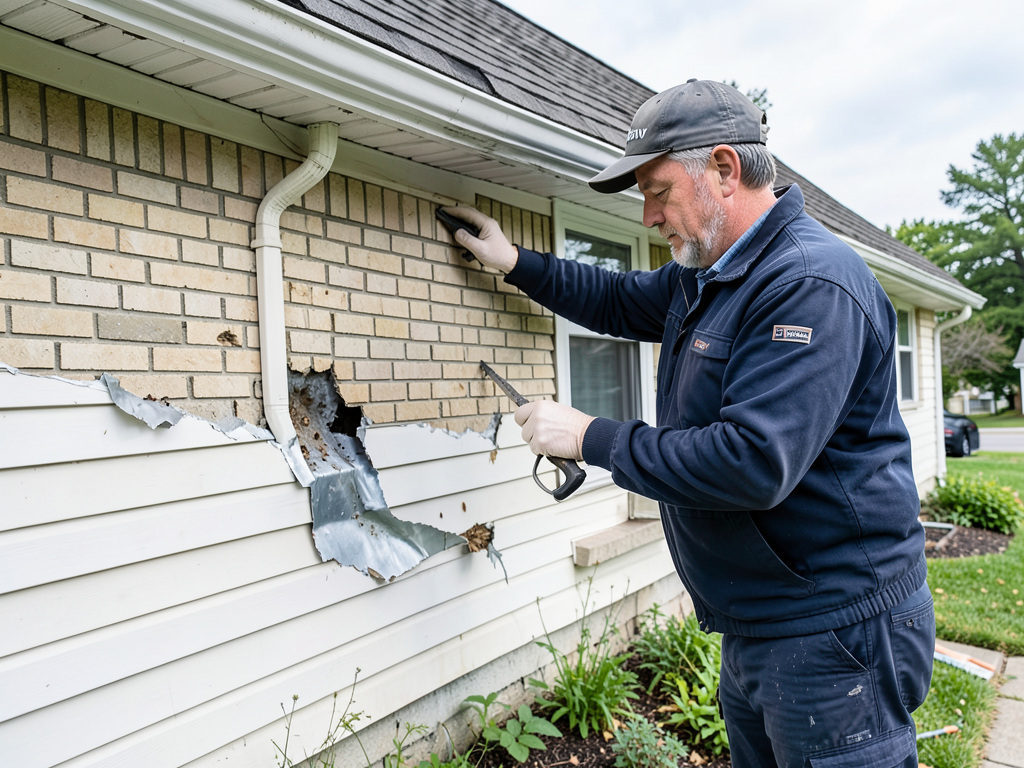
- Flashing separation – Metal flashing around chimneys, vents, and valleys cracks at sealant joints when vibrated repeatedly.
- Shingle granule loss – Oscillating movement causes asphalt shingles to grind against each other, stripping protective granules.
- Tile displacement – For Spanish Colonial-style homes common in Dellview, vibration shifts clay tiles out of alignment, breaking the waterproof underlayment.
- Structural fatigue – Repeated stress cycles weaken roof decking connections, especially in older homes built before modern seismic codes.
Dellview’s unique vulnerability factors
Dellview homes, built primarily in the 1950s-1970s, face specific risks from modern construction activity:
- Mid-century construction methods – Older nailing patterns and fewer fasteners per shingle make these roofs more susceptible to vibration-induced loosening.
- Expansive clay soil – San Antonio’s soil expands and contracts with moisture, creating foundation movement that compounds vibration effects.
- Proximity to major corridors – Dellview’s location near I-35 expansion projects and downtown redevelopment means more heavy equipment traffic than in purely residential areas.
Recent San Antonio construction projects affecting Dellview
Several major projects near Dellview have generated significant vibration:
| Project | Location | Estimated Vibration Level | Risk Level for Nearby Homes |
|---|---|---|---|
| I-35 NEX Expansion | North of downtown | 0.3-0.8 in/s | High |
| Downtown Streetcar Development | Downtown core | 0.2-0.6 in/s | Moderate to High |
| East Side Mixed-Use Development | East of downtown | 0.1-0.4 in/s | Moderate |
5 signs your roof has vibration damage
Many homeowners mistake vibration damage for normal aging. Here’s what to look for:
- New nail pops – Raised nail heads appearing suddenly, especially after nearby construction starts.
- Cracked or separated flashing – Gaps around chimneys, vents, or roof valleys that weren’t there before.
- Missing or loose shingles – Shingles that feel wobbly or show signs of lifting at edges.
- Debris in gutters – Excessive shingle granules or tile fragments after construction activity.
- Interior signs – New water stains on ceilings or walls near rooflines, indicating compromised seals.
Legal and insurance considerations in Texas
Texas law allows homeowners to seek compensation for construction-related damage, but documentation is critical. The Texas Department of Insurance (TDI) recognizes vibration damage as a legitimate claim when properly documented. Texas Department of Insurance (TDI).
Key steps for documentation:
- Pre-construction photos – Document your roof’s condition before nearby work begins.
- Daily logs – Note construction activity, vibration intensity, and any new roof issues.
- Professional inspection – Have a licensed roofer assess damage and provide written estimates.
- Vibration monitoring reports – Many contractors now use seismographs to track PPV levels at nearby properties.
Under Texas law, contractors must follow City of San Antonio vibration guidelines, which typically limit PPV to 0.5 inches per second for residential areas during normal working hours. What to do when your San Antonio roof starts leaking in the middle of a storm.
What to do if you suspect vibration damage
- Document everything
Take clear photos of all damage, note dates, and keep a log of nearby construction activity.
- Get a professional inspection
Contact a San Antonio roofer experienced in forensic inspections. They can distinguish vibration damage from weather-related wear.
- Notify the responsible party
Send written notice to the construction company or property owner about your concerns.
- Review your insurance policy
Check if your policy covers “earth movement” or requires specific endorsements for construction damage.
- Consider legal consultation
If damage is significant, a construction attorney can advise on your rights under Texas law.
Prevention strategies for Dellview homeowners
While you can’t stop nearby construction, you can minimize your roof’s vulnerability:
| Prevention Strategy | Effectiveness | Cost Range |
|---|---|---|
| Enhanced fastening system | High | $500-$1,500 |
| Vibration monitoring setup | Moderate to High | $300-$800 |
| Pre-construction sealant reinforcement | Moderate | $200-$600 |
| Foundation vibration dampeners | Low to Moderate | $1,000-$3,000 |
Local resources for Dellview homeowners
Several San Antonio resources can help you address construction vibration concerns:
- City of San Antonio Development Services – Handles construction permits and can provide information about ongoing projects.
- Texas Department of Insurance (TDI) – Offers guidance on filing insurance claims for construction-related damage.
- San Antonio Builders Association – Can connect you with contractors who follow best practices for vibration control.
Frequently Asked Questions
How long after construction stops can vibration damage appear?
Vibration damage can manifest immediately or take weeks to become visible. Fastener loosening often happens gradually, while sealant separation may appear suddenly when temperature changes stress weakened joints.
Can I require a construction company to monitor vibration near my home?
Yes, you can request vibration monitoring as a condition of nearby construction. Many contractors voluntarily use seismographs to document compliance with local regulations and protect themselves from liability claims.
Does homeowners insurance cover construction vibration damage?
Coverage varies by policy. Some policies exclude “earth movement” damage, while others cover it if you can prove the construction company’s negligence. Document everything and consult your insurance agent immediately if you suspect damage.
How can I tell if my roof damage is from vibration vs. weather?
Vibration damage typically shows patterns – nail pops in straight lines following nailing patterns, or flashing separation at specific stress points. Weather damage is usually more random. A forensic roof inspection can definitively identify the cause.
What’s the best time to address vibration concerns with a contractor?
Before construction begins. Request a pre-construction meeting to discuss vibration concerns, monitoring plans, and damage protocols. This proactive approach often prevents disputes later.
Protect your Dellview home from construction vibration damage
Construction vibration can silently damage your roof, leading to costly repairs and potential water damage. By understanding the risks, recognizing early warning signs, and taking proactive steps, Dellview homeowners can protect their investment. Understanding Roof Warranties.
If you’ve noticed new roof issues since construction began nearby, don’t wait for leaks to appear. Summit Roofing San Antonio offers forensic roof inspections specifically for construction vibration damage. Our experienced technicians can document damage, provide repair estimates, and help you navigate insurance claims. Built-Up Roofing (BUR).
Call us today at (726) 256-6199 for a comprehensive roof inspection. We serve Dellview and all San Antonio neighborhoods, providing the expertise needed to protect your home from construction-related damage.
Don’t let construction vibration compromise your roof’s integrity. Contact Summit Roofing San Antonio now for expert assessment and repair solutions.
{
“@context”: “https://schema.org”,
“@type”: “BlogPosting”,
“headline”: “How heavy dust and vibration from nearby construction can impact your Dellview roof”,
“description”: “Is construction near your Dellview home causing roof damage? Learn how vibration affects shingles, flashing, and fasteners—and what San Antonio homeowners can do.”,
“wordCount”: 1254,
“datePublished”: “2026-05-24T08:03:00.000Z”,
“dateModified”: “2026-05-24T08:03:00.000Z”,
“inLanguage”: “en-US”,
“mainEntityOfPage”: {
“@type”: “WebPage”,
“@id”: “https://summitroofingsanantonio.com”
},
“publisher”: {
“@type”: “LocalBusiness”,
“name”: “Summit Roofing San Antonio”,
“url”: “https://summitroofingsanantonio.com”
},
“author”: {
“@type”: “Organization”,
“name”: “Summit Roofing San Antonio”,
“url”: “https://summitroofingsanantonio.com”
},
“image”: {
“@type”: “ImageObject”,
“url”: “https://summitroofingsanantonio.com/wp-content/uploads/2026/03/how-heavy-dust-and-vibration-from-nearby-construct-1.png”
}
}
{
“@context”: “https://schema.org”,
“@type”: “RoofingContractor”,
“name”: “Summit Roofing San Antonio”,
“url”: “https://summitroofingsanantonio.com”,
“address”: {
“@type”: “PostalAddress”,
“addressLocality”: “San Antonio”
},
“areaServed”: {
“@type”: “City”,
“name”: “San Antonio”
}
}
{
“@context”: “https://schema.org”,
“@type”: “FAQPage”,
“mainEntity”: [
{
“@type”: “Question”,
“name”: “How long after construction stops can vibration damage appear?”,
“acceptedAnswer”: {
“@type”: “Answer”,
“text”: “Vibration damage can manifest immediately or take weeks to become visible. Fastener loosening often happens gradually, while sealant separation may appear suddenly when temperature changes stress weakened joints.”
}
},
{
“@type”: “Question”,
“name”: “Can I require a construction company to monitor vibration near my home?”,
“acceptedAnswer”: {
“@type”: “Answer”,
“text”: “Yes, you can request vibration monitoring as a condition of nearby construction. Many contractors voluntarily use seismographs to document compliance with local regulations and protect themselves from liability claims.”
}
},
{
“@type”: “Question”,
“name”: “Does homeowners insurance cover construction vibration damage?”,
“acceptedAnswer”: {
“@type”: “Answer”,
“text”: “Coverage varies by policy. Some policies exclude \”earth movement\” damage, while others cover it if you can prove the construction company’s negligence. Document everything and consult your insurance agent immediately if you suspect damage.”
}
},
{
“@type”: “Question”,
“name”: “How can I tell if my roof damage is from vibration vs. weather?”,
“acceptedAnswer”: {
“@type”: “Answer”,
“text”: “Vibration damage typically shows patterns – nail pops in straight lines following nailing patterns, or flashing separation at specific stress points. Weather damage is usually more random. A forensic roof inspection can definitively identify the cause.”
}
},
{
“@type”: “Question”,
“name”: “What’s the best time to address vibration concerns with a contractor?”,
“acceptedAnswer”: {
“@type”: “Answer”,
“text”: “Before construction begins. Request a pre-construction meeting to discuss vibration concerns, monitoring plans, and damage protocols. This proactive approach often prevents disputes later.”
}
}
]
}
{
“@context”: “https://schema.org”,
“@type”: “HowTo”,
“name”: “How to document roof vibration damage”,
“step”: [
{
“@type”: “HowToStep”,
“position”: 1,
“name”: “Document everything”,
“text”: “Take clear photos of all damage, note dates, and keep a log of nearby construction activity.”
},
{
“@type”: “HowToStep”,
“position”: 2,
“name”: “Get a professional inspection”,
“text”: “Contact a San Antonio roofer experienced in forensic inspections. They can distinguish vibration damage from weather-related wear.”
},
{
“@type”: “HowToStep”,
“position”: 3,
“name”: “Notify the responsible party”,
“text”: “Send written notice to the construction company or property owner about your concerns.”
},
{
“@type”: “HowToStep”,
“position”: 4,
“name”: “Review your insurance policy”,
“text”: “Check if your policy covers \”earth movement\” or requires specific endorsements for construction damage.”
},
{
“@type”: “HowToStep”,
“position”: 5,
“name”: “Consider legal consultation”,
“text”: “If damage is significant, a construction attorney can advise on your rights under Texas law.”
}
],
“image”: “https://summitroofingsanantonio.com/wp-content/uploads/2026/03/how-heavy-dust-and-vibration-from-nearby-construct-1.png”
}
{
“@context”: “https://schema.org”,
“@type”: “BreadcrumbList”,
“itemListElement”: [
{
“@type”: “ListItem”,
“position”: 1,
“name”: “Home”,
“item”: “https://summitroofingsanantonio.com”
},
{
“@type”: “ListItem”,
“position”: 2,
“name”: “Blog”,
“item”: “https://summitroofingsanantonio.com/blog”
},
{
“@type”: “ListItem”,
“position”: 3,
“name”: “How heavy dust and vibration from nearby construction can impact your Dellview roof”
}
]
}
{
“@context”: “https://schema.org”,
“@type”: “Service”,
“serviceType”: “Roofing”,
“provider”: {
“@type”: “LocalBusiness”,
“name”: “Summit Roofing San Antonio”,
“url”: “https://summitroofingsanantonio.com”
},
“areaServed”: {
“@type”: “City”,
“name”: “San Antonio”
},
“description”: “Is construction near your Dellview home causing roof damage? Learn how vibration affects shingles, flashing, and fasteners—and what San Antonio homeowners can do.”
}