
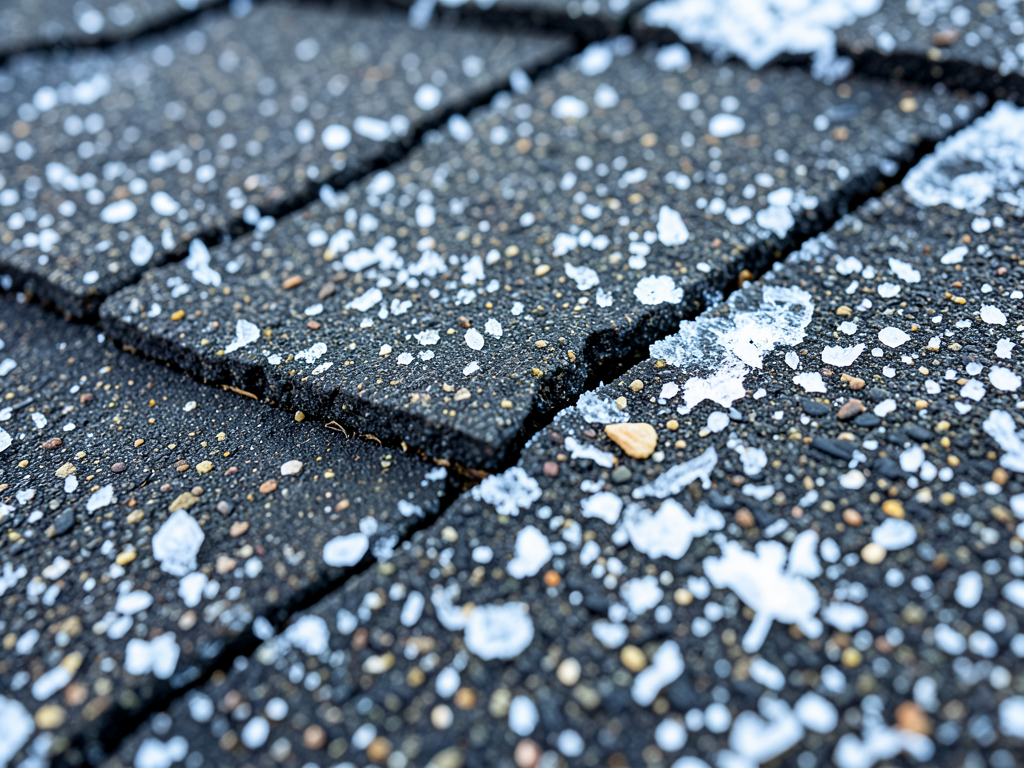
How extreme San Antonio freezes can actually damage your roof shingles and pipes
San Antonio rarely sees temperatures drop below freezing but when it happens the damage can be severe. Sudden cold snaps cause roofing materials to contract rapidly while hidden water inside pipes expands. The result is cracked shingles, split pipes and costly interior damage that many homeowners only discover days later. How to get your San Antonio roof fixed after a major hail storm.
The city’s clay-heavy soil already shifts with seasonal moisture changes. Add a hard freeze and that movement transfers directly to your roof framing. Shingles lose flexibility and become brittle. Even a small ice dam can force water under the edges and into your attic before the ice melts. How to Get Your Commercial Flat Roof Ready for San Antonio Summer Storms.
Pipes are even more vulnerable. South Texas homes often have plumbing running through attics or exterior walls with minimal insulation. When temperatures plunge pipes can freeze solid in hours. The expanding ice splits copper and PEX lines creating leaks that may go unnoticed until walls are soaked or ceilings collapse. Texas Department of Insurance.
Why San Antonio roofs are vulnerable to freeze damage
Most local homes use asphalt composition shingles rated for heat and UV exposure. These materials perform well in 100-degree summers but become surprisingly fragile in extreme cold. The rapid temperature swing from a warm afternoon to a 20-degree night causes thermal shock. Shingles can crack, curl or lose protective granules in a matter of hours.. Read more about What happens to your roof shingles during a San Antonio deep freeze.
Roof valleys and north-facing slopes stay shaded longer allowing ice to linger. As daytime temperatures rise the repeated freeze-thaw cycle forces shingles to expand and contract. Over time this weakens the adhesive strips and creates gaps where water can penetrate.
Flashing around chimneys, skylights and vent pipes is another weak point. Metal flashing contracts more than the surrounding roofing material creating small openings. Ice can wedge into these gaps and pry the flashing loose entirely. Built-Up Roofing (BUR).
Common freeze-related roof problems in San Antonio
Cracked or shattered shingles are the most obvious sign. Look for diagonal splits or pieces missing from the edges. These cracks often start near fasteners where stress is highest.
Ice dam formation is less common here but still possible. When melting snow refreezes at the roof edge it blocks drainage. Water backs up under shingles and can leak into walls or ceilings.
Gutter damage happens when ice builds up inside. The weight can pull gutters away from the fascia or cause downspouts to crack at the seams.
Attic condensation is a hidden problem. Warm indoor air hitting a suddenly cold attic surface creates moisture that drips onto insulation and framing. Over days this can lead to mold growth even without a roof leak.
Freeze damage to plumbing and how it connects to your roof
Pipes in attics or exterior walls are at highest risk. When they freeze the expanding ice can split the pipe along its length. The first sign is often a drop in water pressure. Hours later the ice thaws and pressurized water sprays into your home.
A burst pipe in an attic can soak insulation and drip through ceiling drywall. This water often travels along roof trusses before dripping out in multiple spots making the source hard to locate. Ceiling stains may appear far from the actual leak.
Water heaters in garages or attics are also vulnerable. The temperature and pressure relief valve can freeze shut preventing safe operation. In extreme cases the tank itself can crack.
How to spot freeze damage on your San Antonio roof
Start with a ground-level inspection after the freeze ends. Look for piles of shingle granules in gutters or at downspout exits. Missing granules mean the shingle surface is exposed and will deteriorate faster.
Check for sagging sections along the roofline. This can indicate water-soaked decking from a slow leak. Also look for new gaps where the roof meets walls or chimneys.
Inside your home watch for water spots on ceilings especially near exterior walls. Peeling paint or bubbling drywall often means moisture is trapped behind the surface.
If you have access to your attic bring a flashlight. Look for damp insulation, dark wood stains or visible daylight through roof boards. Ice crystals on rafters are a sure sign of condensation problems.
Emergency steps to take after a freeze
Act quickly to limit damage. If you suspect a frozen pipe shut off the main water valve immediately. This prevents flooding if the pipe bursts while thawing.
Cover roof leaks with a tarp or heavy plastic. Secure it with boards or bricks to keep wind from lifting it. This buys time until a professional can make permanent repairs. EPA water conservation guidelines.
Clear gutters of ice and debris to restore drainage. Use a plastic shovel or gloved hands rather than metal tools that can damage downspouts.
Increase attic ventilation to reduce condensation. Open gable vents or use a portable fan to circulate air. This helps dry out any moisture that has already formed.
Insurance claims for freeze-related roof and pipe damage
Most homeowner policies cover sudden damage from freezing but not neglect. Document everything with photos before making repairs. Keep receipts for emergency services like water extraction or temporary tarping.
Contact your insurance company within 24 hours of discovering damage. Many policies have strict reporting deadlines. Ask if they require a licensed roofer’s inspection before approving claims.
In Texas you have the right to choose your own contractor. Be wary of storm-chaser companies that show up uninvited. Verify licenses and insurance before signing any agreements.
Keep a detailed log of all communications with your insurer. Note dates, names and what was discussed. This can prevent disputes over coverage later.
Preventing future freeze damage in San Antonio
Upgrade to impact-resistant shingles rated for thermal shock. These cost more upfront but handle temperature swings better and may qualify for insurance discounts.
Install heat cables along roof edges and in gutters. These low-voltage wires prevent ice buildup without damaging shingles.
Insulate exposed pipes with foam sleeves or heat tape. Pay special attention to plumbing in attics crawl spaces and exterior walls. Seal any gaps where cold air can reach pipes.
Improve attic insulation to keep warm air inside. This reduces the chance of ice dams forming and lowers heating costs. Make sure soffit vents are not blocked by insulation. How much a new roof actually costs in San Antonio right now.
Consider a whole-home water shutoff system with freeze sensors. These devices can automatically turn off water if they detect a pipe burst preventing major flooding.
Best roofing materials for San Antonio’s freeze-thaw cycles
Architectural asphalt shingles with a Class 3 or 4 impact rating handle temperature swings better than basic three-tab shingles. Look for products with reinforced fiberglass mats and rubberized asphalt sealant.
Metal roofing reflects heat in summer and resists cracking in cold. Standing seam systems with hidden fasteners allow for thermal expansion without creating gaps.
For flat or low-slope roofs modified bitumen or TPO membranes provide better waterproofing than traditional built-up roofing. These materials remain flexible in cold weather and resist UV damage.
Texas cedar shake is naturally resistant to thermal shock but requires regular maintenance. Synthetic shake alternatives offer similar aesthetics with less upkeep.
When to call a professional roofer
Call immediately if you see active leaks sagging roof sections or large areas of missing shingles. Water damage spreads quickly and can compromise structural integrity.
Schedule an inspection if your home is over 15 years old or has had previous freeze damage. Small cracks can grow into major problems over time.
Professional inspection is wise after any freeze event even if you see no obvious damage. Hidden issues like lifted flashing or weakened underlayment can lead to leaks months later.
Choose a local contractor with experience in Texas weather patterns. They understand the specific challenges of clay soils thermal expansion and rare but severe freezes.
Cost factors for freeze damage repairs
Repair costs depend on the extent of damage and accessibility. Simple shingle replacement might cost a few hundred dollars while structural repairs to decking or rafters can run several thousand.
Emergency services like tarping or water extraction add to the initial cost but prevent more expensive damage. Many contractors offer 24/7 emergency response for freeze-related issues.
Insurance deductibles typically range from $500 to $2000. Some policies waive the deductible for hurricane or hail damage but not for freeze events. Check your specific coverage.
Upgrading to impact-resistant materials during repairs can increase upfront costs but may lower insurance premiums and reduce future repair needs.
Local building codes and freeze considerations
San Antonio’s building code requires minimum attic insulation levels but does not specifically address freeze protection. However contractors must follow manufacturer installation guidelines which often include temperature requirements. What to do when your San Antonio roof starts leaking in the middle of a storm.
Flat roofs in commercial buildings must have positive drainage to prevent water pooling. During freezes this becomes critical as standing water can turn to heavy ice.
Local codes require plumbing to be protected from freezing but enforcement is rare in South Texas. Many homes were built before modern freeze protection standards existed.
If you’re replacing your roof check for updated windstorm requirements. These can affect fastener patterns and material choices even if freezing is not the primary concern.
Frequently Asked Questions
How long does it take for pipes to freeze in San Antonio?
Pipes in unheated spaces can freeze within 3-6 hours when temperatures drop below 20 degrees. Wind chill and lack of insulation can speed up the process.
Can I claim freeze damage on my insurance if I was out of town?
Yes. Most policies cover sudden accidental damage regardless of occupancy. However they may deny claims if they determine you neglected to maintain heat while away.
Should I turn off my water if I suspect frozen pipes?
Yes. Shutting off the main valve prevents flooding if a pipe bursts while thawing. Leave faucets open to relieve pressure.
How can I tell if my roof has hidden freeze damage?
Look for ceiling stains peeling paint or damp insulation in your attic. These signs often appear days after the freeze when ice begins to melt.
Are metal roofs better for freeze protection?
Metal roofs shed ice and snow more effectively than asphalt. They also resist cracking from thermal shock but can be noisier during hail storms.
What’s the average cost to repair freeze damage in San Antonio?
Minor repairs start around $300 while major structural repairs can exceed $5000. Insurance typically covers sudden damage but not gradual deterioration.
How often should I inspect my roof for freeze damage?
Inspect immediately after any freeze event and again in spring. Annual professional inspections can catch problems before they cause interior damage.
{
“@context”: “https://schema.org”,
“@type”: “BlogPosting”,
“headline”: “How extreme San Antonio freezes can actually damage your roof shingles and pipes”,
“description”: “Learn how rare Texas freezes affect San Antonio roofs, pipes, and shingles. Discover warning signs, insurance steps, and emergency fixes from local roofing experts.”,
“wordCount”: 1809,
“datePublished”: “2026-05-11T10:11:00.000Z”,
“dateModified”: “2026-05-11T10:11:00.000Z”,
“inLanguage”: “en-US”,
“mainEntityOfPage”: {
“@type”: “WebPage”,
“@id”: “https://summitroofingsanantonio.com”
},
“publisher”: {
“@type”: “LocalBusiness”,
“name”: “Summit Roofing San Antonio”,
“url”: “https://summitroofingsanantonio.com”
},
“author”: {
“@type”: “Organization”,
“name”: “Summit Roofing San Antonio”,
“url”: “https://summitroofingsanantonio.com”
},
“image”: {
“@type”: “ImageObject”,
“url”: “https://summitroofingsanantonio.com/wp-content/uploads/2026/03/how-extreme-san-antonio-freezes-can-actually-damag-1.png”
}
}
{
“@context”: “https://schema.org”,
“@type”: “RoofingContractor”,
“name”: “Summit Roofing San Antonio”,
“url”: “https://summitroofingsanantonio.com”,
“address”: {
“@type”: “PostalAddress”,
“addressLocality”: “San Antonio”
},
“areaServed”: {
“@type”: “City”,
“name”: “San Antonio”
}
}
{
“@context”: “https://schema.org”,
“@type”: “FAQPage”,
“mainEntity”: [
{
“@type”: “Question”,
“name”: “How long does it take for pipes to freeze in San Antonio?”,
“acceptedAnswer”: {
“@type”: “Answer”,
“text”: “Pipes in unheated spaces can freeze within 3-6 hours when temperatures drop below 20 degrees. Wind chill and lack of insulation can speed up the process.”
}
},
{
“@type”: “Question”,
“name”: “Can I claim freeze damage on my insurance if I was out of town?”,
“acceptedAnswer”: {
“@type”: “Answer”,
“text”: “Yes. Most policies cover sudden accidental damage regardless of occupancy. However they may deny claims if they determine you neglected to maintain heat while away.”
}
},
{
“@type”: “Question”,
“name”: “Should I turn off my water if I suspect frozen pipes?”,
“acceptedAnswer”: {
“@type”: “Answer”,
“text”: “Yes. Shutting off the main valve prevents flooding if a pipe bursts while thawing. Leave faucets open to relieve pressure.”
}
},
{
“@type”: “Question”,
“name”: “How can I tell if my roof has hidden freeze damage?”,
“acceptedAnswer”: {
“@type”: “Answer”,
“text”: “Look for ceiling stains peeling paint or damp insulation in your attic. These signs often appear days after the freeze when ice begins to melt.”
}
},
{
“@type”: “Question”,
“name”: “Are metal roofs better for freeze protection?”,
“acceptedAnswer”: {
“@type”: “Answer”,
“text”: “Metal roofs shed ice and snow more effectively than asphalt. They also resist cracking from thermal shock but can be noisier during hail storms.”
}
},
{
“@type”: “Question”,
“name”: “What’s the average cost to repair freeze damage in San Antonio?”,
“acceptedAnswer”: {
“@type”: “Answer”,
“text”: “Minor repairs start around $300 while major structural repairs can exceed $5000. Insurance typically covers sudden damage but not gradual deterioration.”
}
},
{
“@type”: “Question”,
“name”: “How often should I inspect my roof for freeze damage?”,
“acceptedAnswer”: {
“@type”: “Answer”,
“text”: “Inspect immediately after any freeze event and again in spring. Annual professional inspections can catch problems before they cause interior damage.”
}
}
]
}
{
“@context”: “https://schema.org”,
“@type”: “BreadcrumbList”,
“itemListElement”: [
{
“@type”: “ListItem”,
“position”: 1,
“name”: “Home”,
“item”: “https://summitroofingsanantonio.com”
},
{
“@type”: “ListItem”,
“position”: 2,
“name”: “Blog”,
“item”: “https://summitroofingsanantonio.com/blog”
},
{
“@type”: “ListItem”,
“position”: 3,
“name”: “How extreme San Antonio freezes can actually damage your roof shingles and pipes”
}
]
}
{
“@context”: “https://schema.org”,
“@type”: “Service”,
“serviceType”: “Roofing”,
“provider”: {
“@type”: “LocalBusiness”,
“name”: “Summit Roofing San Antonio”,
“url”: “https://summitroofingsanantonio.com”
},
“areaServed”: {
“@type”: “City”,
“name”: “San Antonio”
},
“description”: “Learn how rare Texas freezes affect San Antonio roofs, pipes, and shingles. Discover warning signs, insurance steps, and emergency fixes from local roofing experts.”
}