
Choosing the Right Roof Underlayment to Battle South Texas Humidity
Your roof faces a daily assault in San Antonio. The relentless Texas sun beats down, temperatures soar past 100 degrees, and humidity clings to everything. That underlayment beneath your shingles isn’t just a layer of protection. It’s the last defense between your home and the elements. Texas climate information.
Many homeowners don’t think about underlayment until something goes wrong. But in South Texas, choosing the wrong material can mean premature roof failure, higher cooling costs, and costly repairs. The right underlayment can extend your roof’s life by years and save you money on energy bills. How much a new roof actually costs in San Antonio right now.
Why Standard Underlayment Struggles in South Texas Heat
Traditional asphalt-saturated felt underlayment starts breaking down when temperatures hit 150 degrees. In San Antonio’s attic spaces, that’s not unusual. The heat cooks the asphalt, making it brittle and prone to cracking. Once that happens, your roof loses its moisture barrier. How to get your San Antonio roof fixed after a major hail storm.
Humidity makes things worse. When warm moist air meets a cool roof deck at night, condensation forms. Standard felt can’t handle this constant moisture cycle. It absorbs water, wrinkles, and creates gaps where leaks start.
The UV exposure in Texas is brutal. If your roof gets delayed during installation or repairs, standard felt can degrade in just a few days of sun exposure. That’s a common problem during our busy storm season when roofers are backed up.
Top Underlayment Materials for Extreme Texas Conditions
Not all underlayment performs the same way under South Texas conditions. Here are the three best options for our climate.
Synthetic Underlayment
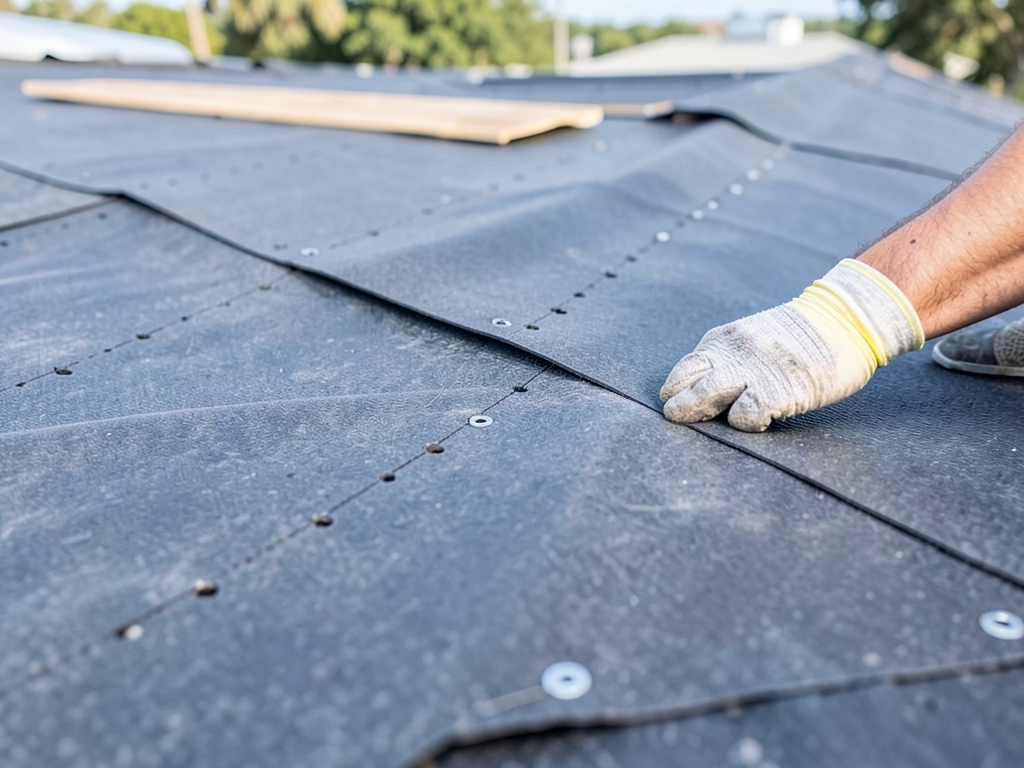
Synthetic materials made from polypropylene or polyethylene offer superior heat resistance. Most quality synthetics handle temperatures up to 240 degrees without breaking down. They’re also lighter than felt, which makes installation faster and reduces labor costs.. Read more about The best roofing materials for blocking out airport noise near Oakwell Farms.
The best synthetics include UV inhibitors that protect against sun damage for up to six months of exposure. That’s crucial during our storm season when installation delays happen. They also resist moisture absorption, so they won’t wrinkle or bubble when humidity levels spike.
Self-Adhered Rubberized Asphalt Membranes
These peel-and-stick products create a waterproof barrier that bonds directly to your roof deck. They’re particularly good at sealing around nails and other penetrations, which are common leak points. The rubberized asphalt stays flexible even in extreme heat, unlike traditional felt.
Many of these products include a slip-resistant surface, which improves safety for roofers working in our hot conditions. They also provide better sound dampening than synthetic options.
Radiant Barrier Underlayment
Radiant barrier underlayments reflect heat away from your attic instead of absorbing it. This can lower attic temperatures by 20 to 30 degrees, which reduces cooling costs and extends shingle life. They work especially well with metal roofing or in homes with limited attic ventilation.
The reflective surface can increase installation time since roofers need to be careful not to damage the reflective coating. But the energy savings often offset the higher material cost within a few years.
Synthetic vs. Traditional Felt: Which Wins in San Antonio?
Let’s compare these options side by side to see how they perform in our specific conditions.
| Feature | Traditional Felt | Synthetic | Self-Adhered |
|---|---|---|---|
| Max Temp Rating | 150°F | 240°F | 200°F |
| UV Resistance | 2-3 days | 3-6 months | 1-2 months |
| Moisture Absorption | High | None | Very Low |
| Weight per Square | 150 lbs | 40 lbs | 60 lbs |
| Cost per Square | $25-35 | $35-50 | $75-100 |
The numbers tell the story. Synthetic underlayment handles heat better, weighs less, and costs less than self-adhered options while still outperforming traditional felt in every category that matters in South Texas.
Technical Specifications That Matter in Hot Climates
When shopping for underlayment, look for these specific ratings that indicate how well the material will perform in our climate.
Service temperature rating tells you the maximum heat the material can handle before breaking down. For San Antonio, you want at least 200 degrees. Anything less won’t survive our summers. What to do when your San Antonio roof starts leaking in the middle of a storm.
Permeance rating measures how much moisture vapor can pass through the material. In our humid climate, you want a balance. Too much permeability lets moisture in, but too little can trap condensation in your attic.
Tensile strength indicates how well the material resists tearing during installation or from wind damage. Higher numbers mean better durability.
Slip resistance becomes critical when roofers are working on hot, sunny days. Look for materials with a high coefficient of friction rating.
Local Case Study: Underlayment Performance in Stone Oak
A recent project in the Stone Oak area demonstrates the difference quality underlayment makes. Two identical homes built in the same year had different underlayment installed during their roof replacements.
The home with standard felt showed granule loss on shingles within three years. The attic reached 160 degrees during summer afternoons, and the homeowners noticed higher cooling bills. By year five, they had minor leaks around vent pipes where the underlayment had cracked.
The home with synthetic underlayment maintained its shingle integrity for six years with no visible granule loss. Attic temperatures stayed 15 degrees cooler, and the homeowners reported 12% lower cooling costs. When a severe hailstorm hit, the synthetic underlayment prevented any water intrusion even where shingles were damaged.
The difference in long-term performance justified the $800 higher initial investment in underlayment.
Installation Considerations for South Texas Weather
Installing underlayment in our climate requires specific techniques. Roofers need to work early in the morning before surfaces get too hot. Most synthetic underlayments become too soft to walk on once temperatures exceed 110 degrees.
Proper overlap is crucial. In our high-wind area, manufacturers recommend 6-inch side laps instead of the standard 4 inches. End laps should be 8 inches minimum.
Fastener spacing matters more here than in cooler climates. High winds can lift poorly fastened underlayment, creating wrinkles that trap moisture. Use cap nails or screws instead of staples for better holding power.
Ventilation integration is key. The underlayment should work with your attic ventilation system, not against it. Some synthetics include pre-marked lines for vent placement, which speeds up installation and ensures proper airflow.
Cost vs. Value Analysis for San Antonio Homeowners
Quality underlayment costs more upfront but pays for itself in several ways. The initial price difference between standard felt and premium synthetic is typically $500 to $1,000 for an average home.
Energy savings add up quickly. A 15-degree reduction in attic temperature can lower cooling costs by 10 to 15%. For a typical San Antonio home, that’s $150 to $250 per year.
Extended roof life means you delay the replacement cost. A roof that lasts 25 years instead of 20 saves you the cost of an entire replacement cycle.
Reduced maintenance and repair costs add up over time. Fewer leaks mean fewer emergency calls and less interior damage to repair.
When you factor in all these benefits, premium underlayment often pays for itself within 7 to 10 years.
Building Code Requirements in Bexar County
Bexar County and San Antonio building codes have specific requirements for underlayment in our climate zone. The International Building Code requires a minimum of one layer of ASTM D226 or D4869 Type II felt for asphalt shingle roofs.
However, many local jurisdictions are updating their codes to require synthetic underlayment or self-adhered membranes in high-wind zones. The Texas Department of Insurance also recommends higher performance underlayment for homes in hail-prone areas.
Insurance companies may offer premium discounts for homes with enhanced underlayment systems. Check with your provider to see if you qualify for savings.
Frequently Asked Questions
Can I install new shingles over existing underlayment?
Building codes generally require removing old underlayment before installing new roofing. Old felt can hide damage to the roof deck and may have lost its moisture resistance. Installing over existing underlayment also voids most manufacturer warranties. Understanding Roof Warranties.
How long does underlayment last compared to shingles?
Quality synthetic underlayment can last as long as your shingles, typically 20 to 30 years. Traditional felt may need replacement after 15 to 20 years, even if your shingles are still good. Self-adhered membranes often outlast both, lasting 30+ years.
Should I use different underlayment for different roof areas?
Yes. Valleys, eaves, and areas around chimneys need enhanced protection. Many contractors use self-adhered membranes in these high-risk areas and synthetic elsewhere. This targeted approach provides maximum protection where you need it most.
Does underlayment color matter?
Light-colored underlayment reflects more heat than dark colors, which can help keep your attic cooler. However, the difference is usually only a few degrees. UV resistance and material quality matter much more than color.
Making the Right Choice for Your Home
The best underlayment for your San Antonio home depends on your specific situation. Consider your roof’s age, the local climate patterns in your neighborhood, and your long-term plans for the property.
If you’re planning to stay in your home for many years, investing in premium synthetic or self-adhered underlayment makes sense. The energy savings and extended roof life provide real returns.
For homes in areas prone to severe weather, like near Lackland Air Force Base or in the Hill Country, enhanced underlayment provides extra protection against wind and hail damage.
Budget-conscious homeowners might consider a hybrid approach, using premium underlayment in critical areas and standard felt elsewhere. This balances cost with protection.
Whatever you choose, don’t let your contractor talk you into the cheapest option. In our climate, that decision can cost you thousands in repairs and energy bills over your roof’s lifetime.
Next Steps for Protecting Your Home
Ready to upgrade your roof’s protection? Start with a professional inspection to assess your current underlayment’s condition. Many San Antonio homes built before 2010 still have standard felt that’s nearing the end of its useful life. How to Get Your Commercial Flat Roof Ready for San Antonio Summer Storms.
During your next roof replacement, insist on underlayment that meets or exceeds local building code requirements. Ask your contractor about the specific temperature ratings and UV resistance of the products they recommend.
Consider having your attic ventilation evaluated at the same time. Proper ventilation works with quality underlayment to keep your home comfortable and your roof lasting longer.
Don’t wait until you have a leak to think about underlayment. By then, the damage is already done. Take action now to protect your home from South Texas’s brutal climate.
Call Summit Roofing San Antonio today at (726) 256-6199 for a free inspection and underlayment consultation. We’ll help you choose the right protection for your specific home and budget.
{
“@context”: “https://schema.org”,
“@type”: “BlogPosting”,
“headline”: “Choosing the Right Roof Underlayment to Battle South Texas Humidity”,
“description”: “Learn which underlayment materials withstand San Antonio’s extreme heat and humidity. Expert guide to synthetic vs. felt underlayment for lasting roof protection.”,
“wordCount”: 1779,
“datePublished”: “2026-06-01T08:32:00.000Z”,
“dateModified”: “2026-06-01T08:32:00.000Z”,
“inLanguage”: “en-US”,
“mainEntityOfPage”: {
“@type”: “WebPage”,
“@id”: “https://summitroofingsanantonio.com”
},
“publisher”: {
“@type”: “LocalBusiness”,
“name”: “Summit Roofing San Antonio”,
“url”: “https://summitroofingsanantonio.com”
},
“author”: {
“@type”: “Organization”,
“name”: “Summit Roofing San Antonio”,
“url”: “https://summitroofingsanantonio.com”
},
“image”: {
“@type”: “ImageObject”,
“url”: “https://summitroofingsanantonio.com/wp-content/uploads/2026/03/choosing-the-right-roof-underlayment-to-battle-sou-1.png”
}
}
{
“@context”: “https://schema.org”,
“@type”: “RoofingContractor”,
“name”: “Summit Roofing San Antonio”,
“url”: “https://summitroofingsanantonio.com”,
“address”: {
“@type”: “PostalAddress”,
“addressLocality”: “San Antonio”
},
“areaServed”: {
“@type”: “City”,
“name”: “San Antonio”
}
}
{
“@context”: “https://schema.org”,
“@type”: “FAQPage”,
“mainEntity”: [
{
“@type”: “Question”,
“name”: “Synthetic vs. Traditional Felt: Which Wins in San Antonio?”,
“acceptedAnswer”: {
“@type”: “Answer”,
“text”: “Let’s compare these options side by side to see how they perform in our specific conditions.”
}
},
{
“@type”: “Question”,
“name”: “Can I install new shingles over existing underlayment?”,
“acceptedAnswer”: {
“@type”: “Answer”,
“text”: “Building codes generally require removing old underlayment before installing new roofing. Old felt can hide damage to the roof deck and may have lost its moisture resistance. Installing over existing underlayment also voids most manufacturer warranties. Understanding Roof Warranties.”
}
},
{
“@type”: “Question”,
“name”: “How long does underlayment last compared to shingles?”,
“acceptedAnswer”: {
“@type”: “Answer”,
“text”: “Quality synthetic underlayment can last as long as your shingles, typically 20 to 30 years. Traditional felt may need replacement after 15 to 20 years, even if your shingles are still good. Self-adhered membranes often outlast both, lasting 30+ years.”
}
},
{
“@type”: “Question”,
“name”: “Should I use different underlayment for different roof areas?”,
“acceptedAnswer”: {
“@type”: “Answer”,
“text”: “Yes. Valleys, eaves, and areas around chimneys need enhanced protection. Many contractors use self-adhered membranes in these high-risk areas and synthetic elsewhere. This targeted approach provides maximum protection where you need it most.”
}
}
]
}
{
“@context”: “https://schema.org”,
“@type”: “BreadcrumbList”,
“itemListElement”: [
{
“@type”: “ListItem”,
“position”: 1,
“name”: “Home”,
“item”: “https://summitroofingsanantonio.com”
},
{
“@type”: “ListItem”,
“position”: 2,
“name”: “Blog”,
“item”: “https://summitroofingsanantonio.com/blog”
},
{
“@type”: “ListItem”,
“position”: 3,
“name”: “Choosing the Right Roof Underlayment to Battle South Texas Humidity”
}
]
}
{
“@context”: “https://schema.org”,
“@type”: “Service”,
“serviceType”: “Roofing”,
“provider”: {
“@type”: “LocalBusiness”,
“name”: “Summit Roofing San Antonio”,
“url”: “https://summitroofingsanantonio.com”
},
“areaServed”: {
“@type”: “City”,
“name”: “San Antonio”
},
“description”: “Learn which underlayment materials withstand San Antonio’s extreme heat and humidity. Expert guide to synthetic vs. felt underlayment for lasting roof protection.”
}