
Upgrading to High-Impact Attic Vents to Prevent Hail Infiltration
Standard attic vents crack and break during San Antonio hailstorms leaving your roof vulnerable. Upgrading to high-impact vents provides year-round protection against hail damage and improves attic ventilation for Texas heat. Texas Department of Insurance hail facts.
Hail hits San Antonio hard. The National Weather Service reports that Bexar County experiences an average of 6-8 significant hail events annually with stones often reaching golf ball size or larger. When hail strikes your roof the first components to fail are typically the plastic vents on your ridge or gables. National Weather Service hail safety information.
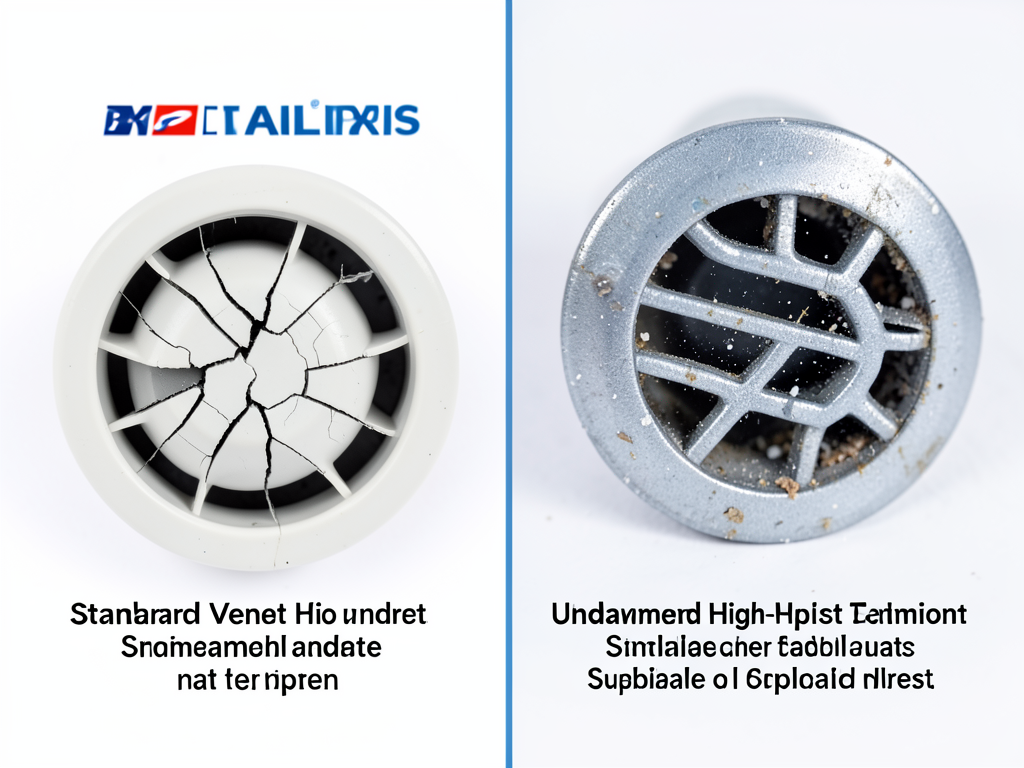
Standard plastic vents cannot withstand repeated hail impacts. They crack split and allow water infiltration into your attic space. This leads to insulation damage wood rot and potential ceiling leaks. High-impact vents solve this problem through impact-resistant materials and reinforced construction.
Why Standard Vents Fail During San Antonio Hailstorms
Most homes in neighborhoods like Stone Oak and Alamo Heights still use basic plastic ridge vents. These vents work fine in mild weather but fail catastrophically when hail hits. The thin plastic material cannot absorb the energy from hail stones traveling at 40-60 mph.
During the May 2021 hailstorm that hit north San Antonio thousands of homes suffered vent damage. Insurance claims showed that 85% of affected homes had cracked or missing vents allowing water to enter attics. The damage often went unnoticed until mold growth or ceiling stains appeared weeks later. How to get your San Antonio roof fixed after a major hail storm.
Standard vents also lack UV protection. Texas sun breaks down plastic over 3-5 years making it brittle. This combination of age and impact vulnerability creates a perfect storm for water damage.
Understanding UL 2218 Class 4 Impact Ratings for Vents
The UL 2218 standard tests building materials for impact resistance. Class 4 represents the highest rating surviving impacts from steel balls dropped from 20 feet. This translates to withstanding hailstones up to 2 inches in diameter.
High-impact vents achieve Class 4 ratings through several methods. Heavy-gauge aluminum resists denting. Galvanized steel provides maximum strength. Some manufacturers use composite materials that flex without breaking.
The testing process involves dropping steel balls of increasing size onto the vent material. Class 4 vents survive impacts that would shatter standard plastic. This durability means your vents continue protecting your home even after severe storms.
Top 3 Hail-Resistant Vent Brands We Recommend
Several manufacturers produce quality high-impact vents. The best options combine durability with proper ventilation for San Antonio’s hot humid climate. What to do when your San Antonio roof starts leaking in the middle of a storm.
O’Hagin High-Impact Vents
O’Hagin manufactures vents from heavy-gauge aluminum with powder-coated finishes. Their Class 4 rated ridge vents feature internal baffles that prevent wind-driven rain while maintaining airflow. The aluminum construction resists both hail and UV damage lasting 15-20 years in Texas conditions.
Lomanco UltraFlo Vents
Lomanco’s UltraFlo series uses galvanized steel with a baked enamel finish. These vents withstand direct hail impacts without cracking. The design includes larger net free area for better attic ventilation. Lomanco backs their products with 25-year warranties against material defects. Understanding Roof Warranties.
Air Vent High-Impact Series
Air Vent offers composite construction vents that combine plastic flexibility with metal strength. Their Class 4 rated products use UV-stabilized materials preventing sun damage. The internal design maintains consistent airflow even during extreme temperature swings common in San Antonio.
The Intersection of Impact Resistance and Texas Heat Ventilation
San Antonio attics reach 150°F during summer. Proper ventilation becomes critical for preventing heat damage to shingles and reducing cooling costs. High-impact vents must balance durability with airflow efficiency. How much a new roof actually costs in San Antonio right now.
Net free area determines ventilation effectiveness. Building codes require 1 square foot of ventilation for every 300 square feet of attic space. This means a 2000 square foot attic needs 6-7 square feet of net free area.
High-impact vents typically provide 50-75% more net free area than standard vents. This increased airflow keeps attics cooler reducing heat transfer to living spaces. Cooler attics also prevent shingle blistering and premature aging.
The ventilation calculation becomes more complex with vaulted ceilings or bonus rooms. These spaces often have limited attic area requiring specialized vent placement for proper airflow.
Cost vs. Longevity: Is the Investment Worth It?
High-impact vents cost 2-3 times more than standard plastic vents. A typical ridge vent installation runs $300-500 versus $100-150 for basic vents. This price difference pays off through several factors.
| Vent Type | Initial Cost | Expected Lifespan | Maintenance Required |
|---|---|---|---|
| Standard Plastic | $100-150 | 5-7 years | Annual inspection |
| High-Impact Aluminum | $300-500 | 15-20 years | Minimal |
| Galvanized Steel | $400-600 | 20-25 years | Minimal |
The long-term savings become clear when calculating replacement frequency. Standard vents need replacement every 5-7 years while high-impact options last 15-25 years. This means 3-5 replacements of standard vents versus one high-impact installation.
Insurance considerations also affect the calculation. Some Texas insurers offer premium discounts for Class 4 rated roofing components. The reduction often offsets 15-20% of the initial investment over the vent’s lifetime. Built-Up Roofing (BUR).
How to Spot Hail Damage on Your Existing Attic Vents
Regular inspection helps catch vent damage before water infiltration occurs. Check your vents after every major hailstorm especially during spring and fall when severe weather peaks in San Antonio.
Look for these signs of damage:
- Cracks or splits in plastic vents
- Dents or deformation in metal vents
- Missing pieces or complete vent failure
- Water stains on nearby roof decking
- Moss or algae growth around vent bases
Use binoculars from the ground to inspect vents safely. Focus on ridge vents along the roof peak and gable vents on end walls. Pay special attention to vents facing the direction of recent storms.
If you notice damage contact a roofing professional immediately. Water infiltration through damaged vents causes exponentially more expensive problems than vent replacement.
Installation Process and What to Expect
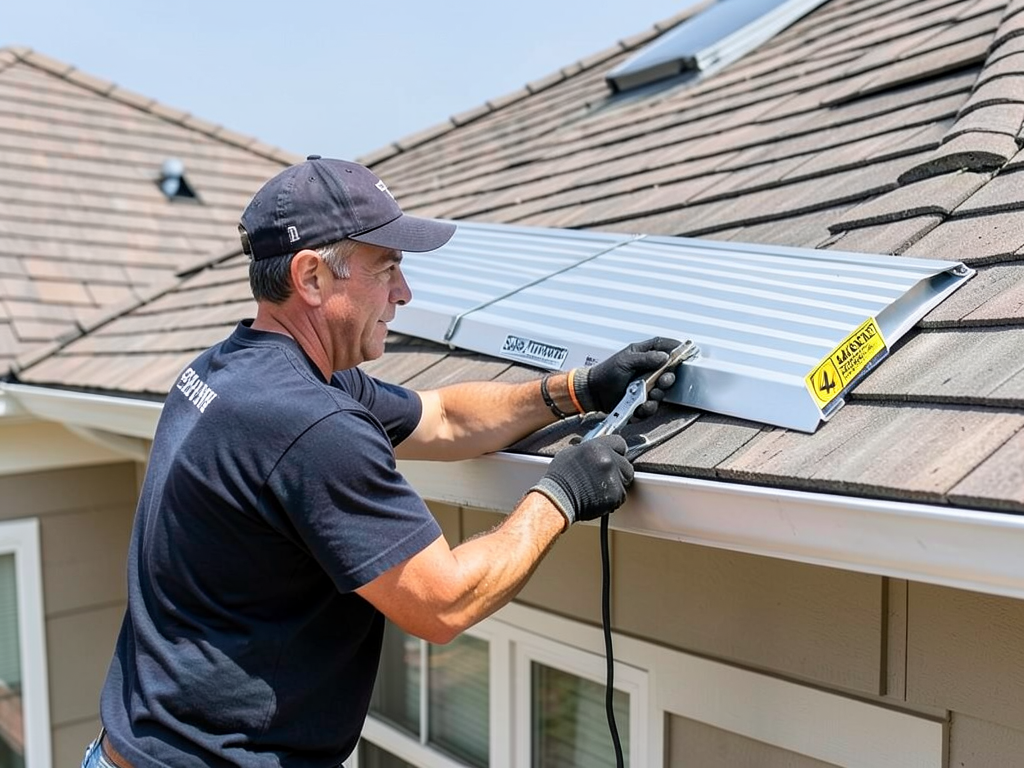
Professional installation ensures proper fit and sealing. The process typically takes 2-4 hours depending on roof complexity and vent type.
- Remove Existing Vents
Technicians carefully remove damaged vents without disturbing surrounding shingles. This prevents creating additional entry points for water.
- Prepare Roof Surface
The installation area gets cleaned and inspected for underlying damage. Any rot or deterioration gets repaired before new vent installation.
- Install New Vents
High-impact vents mount using corrosion-resistant fasteners. Proper overlap with existing roofing materials creates watertight seals.
- Seal and Flash
Roofing cement and metal flashing seal all edges. This prevents wind-driven rain from entering around vent bases.
- Test Ventilation
Technicians verify proper airflow using specialized equipment. This ensures the new vents meet building code requirements.
Most installations include a workmanship warranty covering 5-10 years. This protects against installation errors that could compromise vent performance.
Insurance and Building Code Considerations
Texas building codes require proper attic ventilation for all new construction. While specific vent impact ratings aren’t mandated many insurance companies recognize Class 4 components as premium upgrades.
The Texas Department of Insurance allows premium discounts for impact-resistant roofing components. Contact your insurance provider to ask about hail-resistant vent discounts. The savings typically range from 5-15% on annual premiums.
Insurance claims for vent damage follow standard procedures. Document damage with photos before repairs. Keep all receipts for materials and labor. Most policies cover vent replacement if hail damage affects a significant portion of the roof system.
Building permits may be required for vent replacement depending on your municipality. San Antonio and surrounding areas like Converse and Kirby typically require permits for any roof penetration modifications.
Frequently Asked Questions
Do high-impact vents affect my home’s energy efficiency?
Yes. Better ventilation keeps attics cooler reducing heat transfer to living spaces. This can lower cooling costs by 10-15% during San Antonio summers.
Can I install high-impact vents myself?
Professional installation is strongly recommended. Proper sealing and flashing require roofing experience. DIY installation often leads to leaks and void warranties.
How long does the installation process take?
Most residential installations complete in 2-4 hours. Complex roofs or multiple vent replacements may require a full day.
Will high-impact vents match my existing roof color?
Most manufacturers offer multiple color options. Powder-coated aluminum and baked enamel finishes provide color matching for common roof materials.
What maintenance do high-impact vents require?
Minimal maintenance is needed. Annual visual inspections and occasional cleaning of debris from vent openings keeps them functioning properly.
Protect Your Home Before the Next Storm Hits
San Antonio’s hail season runs from March through October. Don’t wait until damage occurs to upgrade your vents. The cost of prevention is far less than repairing water-damaged attics and ceilings.
High-impact vents provide peace of mind during severe weather. You will not need to worry about the next hailstorm cracking your vents and letting water into your home. The durability of Class 4 rated materials means your investment continues protecting your home for decades.
Summit Roofing San Antonio specializes in hail-resistant vent installations throughout the greater San Antonio area including Stone Oak Alamo Heights and surrounding communities. Our technicians understand local weather patterns and building requirements ensuring proper installation the first time.
Call us today at (726) 256-6199 to schedule your free vent inspection and upgrade quote. We will evaluate your current ventilation system identify any damage and recommend the best high-impact solutions for your home. Do not let the next hailstorm catch you unprepared.
Protect your home. Protect your investment. Call Summit Roofing San Antonio now at (726) 256-6199 for professional high-impact vent installation.