
The real difference between a local San Antonio roofer and a national storm chaser
When hail hits San Antonio you have two choices. Call a local crew who knows the streets the soil and the city codes. Or sign with a national storm chaser who rolls in after the damage. One stays. One leaves. That difference changes everything.
Why storm chasers target San Antonio every spring
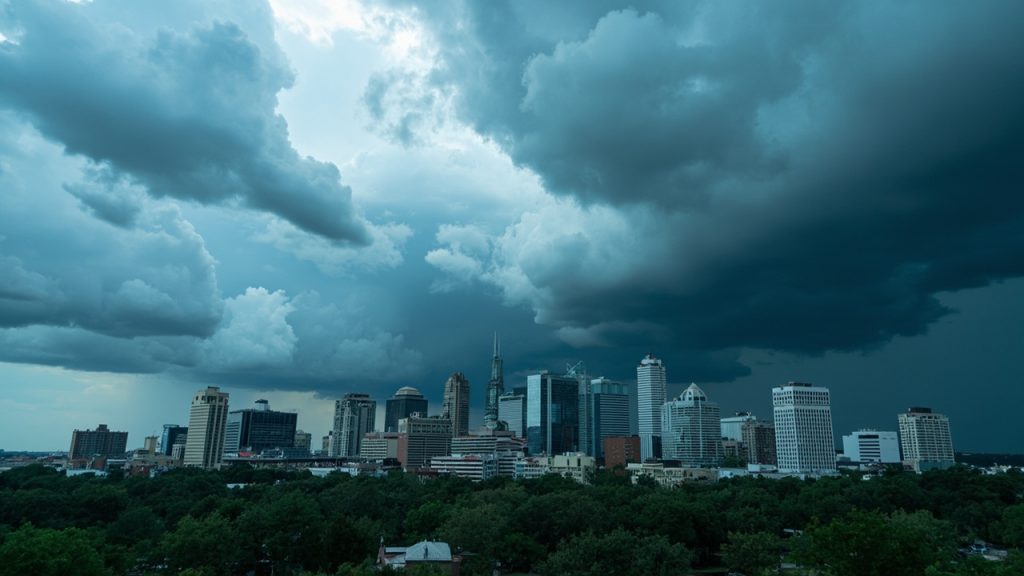
San Antonio sits in Texas Hail Alley. The area sees more hailstorms than most of the country. National crews track radar maps like treasure hunters. When storms pass they swarm in with sales teams and out-of-state trucks. They promise quick fixes and big savings. Then they move to the next town.
Local roofers live here year-round. They watch the same storms from their own windows. They know which neighborhoods flood. They know which ZIP codes have the oldest tile roofs. That local knowledge changes how they work.
Response time after a hail event
Storm chasers often arrive three to five days after the hail stops. They set up a temporary office in a hotel and start knocking doors. If you sign that day they may not start for another week. By then another storm could roll in.
Local crews can be on your roof within twenty-four hours. They keep materials in nearby warehouses. They have teams on call. In neighborhoods like Alamo Heights and Terrell Hills they can mobilize before the next round of rain.
Quick comparison
| Factor | Local San Antonio Roofer | National Storm Chaser |
|---|---|---|
| Average arrival time | Same day to 24 hours | 3-5 days |
| Material availability | Local warehouse | Shipped in |
| Knowledge of local codes | Expert | Variable |
| Post-repair warranty support | Direct and local | Out-of-state call center |
Building permits and city inspections
San Antonio requires permits for most roof replacements. The city inspects for flashing details, underlayment quality, and proper nailing patterns. A local crew walks into the Development Services office with the permit in hand. They speak the same language as the inspector.
Storm chasers often use a remote permit service. That adds days to the schedule. If the inspector finds an issue the out-of-state crew may not return for weeks. In historic districts like King William or Monte Vista that delay can stall the entire project.
Warranty work when the crew is gone
Manufacturer warranties cover defects in the shingles or membrane. Workmanship warranties cover how those materials were installed. National crews sometimes hand off workmanship claims to a call center. If the local branch closes next year you call a 1-800 number and wait.
Local roofers stake their reputation on every nail. If a leak shows up in six months they send the same crew that installed it. They know the exact batch of shingles and the attic conditions. That continuity saves you phone calls and stress.
Knowledge of Texas climate and materials
San Antonio summers hit one hundred degrees for weeks. Shingles bake. Clay tiles expand. Metal panels sweat. A local roofer selects materials tested in this exact climate. They know which brands hold up under UV and which fail after two seasons.
Storm chasers often bring whatever is cheapest that week. They may not realize that a certain synthetic underlayment melts at high attic temperatures. They may skip the extra ventilation a local crew would add for a low-slope ranch in Converse.
Climate factors that matter
- High UV index breaks down cheap asphalt faster
- Sudden temperature swings cause expansion cracks
- High humidity fuels algae and moss growth
- Expansive clay soil shifts foundations and stresses roof joints
Insurance claims and local adjusters
After a storm insurance adjusters flood the area. Local roofers have worked with these adjusters for years. They speak the same code language. They know which damage types get quick approvals in Bexar County.
Storm chasers sometimes over-promise coverage to get signatures. When the adjuster denies the claim the homeowner is stuck. Local crews give realistic scopes up front. They help document damage with drone photos and moisture scans.
Economic impact on San Antonio
Money paid to a local roofer cycles through the city. They buy lunch from a nearby café. They pay a local supply house. They sponsor Little League in Kirby or sponsor a charity run in Stone Oak.
Storm chasers funnel most revenue back to a corporate office in another state. The only local spending is on hotels and fuel. Over a decade of storms that difference means millions stay in the San Antonio economy.
Safety and liability on your property
Local crews carry Texas workers comp and liability insurance. They know OSHA standards for ladder tie-offs and fall protection. They park on your driveway with care.
Storm chasers sometimes subcontract to the lowest bidder. Those crews may lack proper insurance. If someone falls off your roof you could be liable. Always ask for a certificate of insurance before signing.
Real cost differences
Storm chasers advertise lower prices. They achieve that by using cheaper materials and skipping code upgrades. When you add repair callbacks and denied warranty claims the true cost rises.
Local roofers may charge more up front. They include code-compliant underlayment, proper flashing, and a dedicated project manager. Over ten years the difference in repair bills often favors the local bid.
Finding a trustworthy local roofer
Start with the Roofing Contractors Association of Texas (RCAT) directory. Look for a physical office in San Antonio not just a sales P.O. box. Check BBB reviews for the past twenty-four months. Ask for local references in your ZIP code.
Avoid crews that demand large cash deposits before permits are pulled. Avoid crews that refuse to give you a detailed scope. A trustworthy local roofer will walk your attic, show you the damage, and explain every line of the estimate.
When speed matters most
If a tree limb punctures your roof during a storm you need a crew now not next week. Local roofers keep emergency tarping materials on every truck. They can stop water intrusion before it destroys drywall and insulation.
Storm chasers may take days to return your call. By then the ceiling could be sagging. In San Antonio’s storm season a twenty-four-hour delay can turn a repair into a full replacement.
Long-term relationship vs. one-time sale
Local roofers count on referrals. They want you to call them again in ten years for maintenance. They send holiday cards. They remember your dog’s name.
Storm chasers measure success by signed contracts per week. Once the check clears they move on. If you need advice about gutter guards or attic ventilation next season they are long gone.
Final comparison at a glance
| Feature | Local San Antonio Roofer | National Storm Chaser |
|---|---|---|
| Community investment | High | None |
| Permit handling | Direct | Third party |
| Material selection | Climate tested | Cost driven |
| Insurance claim help | Experienced | Unfamiliar |
| Post-storm warranty | Local support | Out-of-state |
Make the choice that protects your home
Your roof guards everything under it. In San Antonio that means standing up to hail, heat, and sudden storms. A local roofer brings the experience, the materials, and the accountability to do the job right the first time.
Before you sign with a storm chaser ask yourself one question. Who will be here when the next storm hits? If the answer is not the same crew on your roof today, you may want to rethink your choice.
Frequently Asked Questions
How soon should I call a roofer after hail damage?
Call within twenty-four to forty-eight hours. Quick action prevents water intrusion and makes the damage easier to document for insurance.
Can I trust a roofer who only takes cash?
Be cautious. Reputable companies accept checks and credit cards and provide detailed invoices. Cash-only deals often lack proper permits and insurance.
What if my neighbor had no damage but I did?
Hailstones vary in size and wind direction. One house may get hit while the next escapes. Always have your own roof inspected after a storm.
Should I let a storm chaser give me a free inspection?
You can let them inspect, but compare their findings with a local roofer before signing anything. Some storm chasers overstate damage to close a sale.
How long does a typical roof replacement take in San Antonio?
Most homes finish in one to three days depending on size and weather. A local crew can often start sooner and finish faster than an out-of-state team.
What questions should I ask before hiring anyone?
Ask for their physical office address, proof of insurance, local references, and a detailed written estimate. If they dodge any of these, move on.
{
“@context”: “https://schema.org”,
“@type”: “BlogPosting”,
“headline”: “The real difference between a local San Antonio roofer and a national storm chaser”,
“description”: “Local San Antonio roofers offer faster response, better warranties, and deep knowledge of Texas hail and building codes. Learn why choosing local matters for your home.”,
“wordCount”: 1415,
“datePublished”: “2026-04-04T06:36:00.000Z”,
“dateModified”: “2026-04-04T06:36:00.000Z”,
“inLanguage”: “en-US”,
“mainEntityOfPage”: {
“@type”: “WebPage”,
“@id”: “https://summitroofingsanantonio.com”
},
“publisher”: {
“@type”: “LocalBusiness”,
“name”: “Summit Roofing San Antonio”,
“url”: “https://summitroofingsanantonio.com”
},
“author”: {
“@type”: “Organization”,
“name”: “Summit Roofing San Antonio”,
“url”: “https://summitroofingsanantonio.com”
},
“image”: {
“@type”: “ImageObject”,
“url”: “https://summitroofingsanantonio.com/wp-content/uploads/2026/03/the-real-difference-between-a-local-san-antonio-ro-1.jpg”
}
}
{
“@context”: “https://schema.org”,
“@type”: “RoofingContractor”,
“name”: “Summit Roofing San Antonio”,
“url”: “https://summitroofingsanantonio.com”,
“address”: {
“@type”: “PostalAddress”,
“addressLocality”: “San Antonio”
},
“areaServed”: {
“@type”: “City”,
“name”: “San Antonio”
}
}
{
“@context”: “https://schema.org”,
“@type”: “FAQPage”,
“mainEntity”: [
{
“@type”: “Question”,
“name”: “How soon should I call a roofer after hail damage?”,
“acceptedAnswer”: {
“@type”: “Answer”,
“text”: “Call within twenty-four to forty-eight hours. Quick action prevents water intrusion and makes the damage easier to document for insurance.”
}
},
{
“@type”: “Question”,
“name”: “Can I trust a roofer who only takes cash?”,
“acceptedAnswer”: {
“@type”: “Answer”,
“text”: “Be cautious. Reputable companies accept checks and credit cards and provide detailed invoices. Cash-only deals often lack proper permits and insurance.”
}
},
{
“@type”: “Question”,
“name”: “What if my neighbor had no damage but I did?”,
“acceptedAnswer”: {
“@type”: “Answer”,
“text”: “Hailstones vary in size and wind direction. One house may get hit while the next escapes. Always have your own roof inspected after a storm.”
}
},
{
“@type”: “Question”,
“name”: “Should I let a storm chaser give me a free inspection?”,
“acceptedAnswer”: {
“@type”: “Answer”,
“text”: “You can let them inspect, but compare their findings with a local roofer before signing anything. Some storm chasers overstate damage to close a sale.”
}
},
{
“@type”: “Question”,
“name”: “How long does a typical roof replacement take in San Antonio?”,
“acceptedAnswer”: {
“@type”: “Answer”,
“text”: “Most homes finish in one to three days depending on size and weather. A local crew can often start sooner and finish faster than an out-of-state team.”
}
},
{
“@type”: “Question”,
“name”: “What questions should I ask before hiring anyone?”,
“acceptedAnswer”: {
“@type”: “Answer”,
“text”: “Ask for their physical office address, proof of insurance, local references, and a detailed written estimate. If they dodge any of these, move on.”
}
}
]
}
{
“@context”: “https://schema.org”,
“@type”: “BreadcrumbList”,
“itemListElement”: [
{
“@type”: “ListItem”,
“position”: 1,
“name”: “Home”,
“item”: “https://summitroofingsanantonio.com”
},
{
“@type”: “ListItem”,
“position”: 2,
“name”: “Blog”,
“item”: “https://summitroofingsanantonio.com/blog”
},
{
“@type”: “ListItem”,
“position”: 3,
“name”: “The real difference between a local San Antonio roofer and a national storm chaser”
}
]
}
{
“@context”: “https://schema.org”,
“@type”: “Service”,
“serviceType”: “Roofing”,
“provider”: {
“@type”: “LocalBusiness”,
“name”: “Summit Roofing San Antonio”,
“url”: “https://summitroofingsanantonio.com”
},
“areaServed”: {
“@type”: “City”,
“name”: “San Antonio”
},
“description”: “Local San Antonio roofers offer faster response, better warranties, and deep knowledge of Texas hail and building codes. Learn why choosing local matters for your home.”
}