
The Real Risks of Using DIY Roof Patch Kits from a Big Box Store
Every San Antonio homeowner has seen them. Those colorful boxes on the shelves at the big box store promising an easy fix for that annoying roof leak. The packaging shows a smiling couple with tools in hand and a perfectly sealed roof behind them. It looks simple. It looks affordable. It looks like the solution you have been waiting for.
But here is what those boxes do not show you. They do not show you the blistering Texas sun beating down on that patch just hours after you apply it. They do not show you the humidity creeping under the edges while the sealant is still curing. They do not show you the insurance adjuster shaking their head when they see your DIY repair after the next hailstorm.
This is not about scaring you away from saving money. This is about showing you what really happens when a quick fix meets San Antonio’s brutal climate and strict building codes. Because that patch kit might cost you far more than you think.
Why San Antonio Homeowners Reach for DIY Roof Patch Kits
You notice water stains on your ceiling after a spring storm. Your roof is only ten years old. The damage looks small. You call three roofing companies and get estimates ranging from $800 to $2500. That is a lot of money for what looks like a tiny problem. Built-Up Roofing (BUR).
The patch kit at the store costs $35. It promises to fix leaks in minutes. The videos online make it look foolproof. You think you can handle this yourself. You are handy around the house. You have patched drywall. You have fixed a leaky faucet. A roof patch cannot be that different.
But here is where most DIY repairs go wrong in San Antonio. The weather does not care about your good intentions.
The San Antonio Climate Problem No One Talks About
San Antonio sits in a unique climate zone that destroys most DIY roofing products within months. Our summers regularly hit 100 degrees Fahrenheit with humidity levels above 70 percent. Those conditions create a perfect storm for DIY repairs.
The intense UV radiation from our clear skies breaks down the chemical bonds in most consumer-grade sealants within weeks. What starts as a flexible patch becomes brittle and cracks. The high humidity prevents proper curing of many products, leaving them soft and prone to failure. When temperatures swing from 100 degrees during the day to 75 degrees at night, materials expand and contract at different rates, pulling patches apart.
Then there is the hail season. San Antonio averages six to eight hailstorms per year. Those storms bring hailstones ranging from pea size to golf ball size. A DIY patch that survived the summer heat often cannot withstand the first significant hail impact.
The Warranty Void You Did Not See Coming
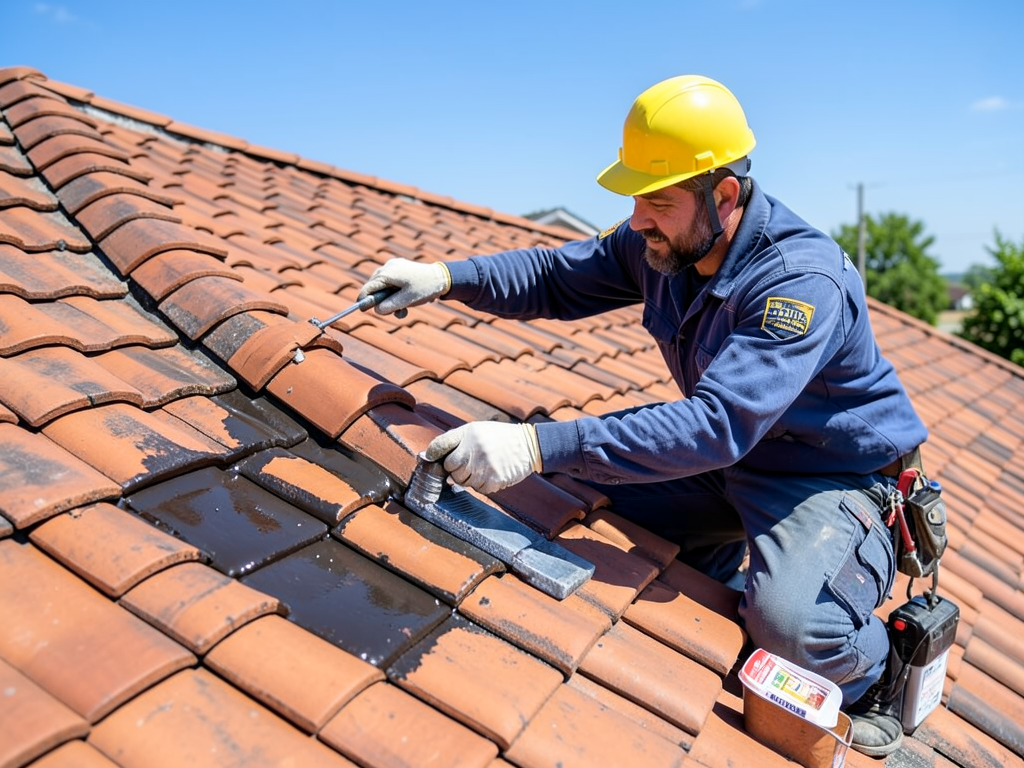
Most homeowners do not realize that applying a DIY patch voids their roof warranty. Major manufacturers like GAF, Owens Corning, and CertainTeed explicitly state in their warranty documents that unauthorized repairs or modifications void coverage.
Here is what that means in real terms. You spend $35 on a patch kit. Six months later, a major storm damages 20 square feet of your roof. Your insurance adjuster determines the damage started at the DIY repair site. Because you used unauthorized materials, the manufacturer denies your warranty claim. Your insurance company denies your claim because the damage resulted from improper maintenance. Now you are facing a $8000 roof replacement bill instead of a $200 professional repair.
The math is simple. A $35 patch kit can cost you $8000 in denied claims and voided warranties. Understanding Roof Warranties.
Insurance Claims and the DIY Repair Problem
San Antonio homeowners file thousands of roof insurance claims every year. Most of these claims involve hail damage or wind damage from spring and fall storms. Insurance companies have become increasingly sophisticated at identifying DIY repairs.
When an adjuster inspects your roof, they look for several telltale signs of DIY work. They check for inconsistent sealant types, improper flashing installation, and mismatched materials. They use moisture meters to detect water intrusion around repair sites. They examine the underside of your roof deck for signs of amateur repair work.
If they find evidence of DIY repairs, they may deny your claim entirely. The reasoning is straightforward. Insurance covers sudden damage from covered events like hail or wind. It does not cover damage resulting from improper maintenance or repairs. A failed DIY patch is considered improper maintenance.
The Texas Department of Insurance reports that DIY roofing repairs are among the top five reasons for claim denials in Bexar County. That means thousands of San Antonio homeowners lose their coverage every year because of a $35 patch kit.
San Antonio Building Codes and Permit Requirements
Many San Antonio homeowners do not realize that certain roof repairs require permits from the City of San Antonio. The Development Services Department requires permits for any repair affecting the roof structure, flashing, or waterproofing membrane.
Without proper permits, you risk fines from the city. More importantly, unpermitted work can create liability issues if you sell your home. Most real estate transactions now include a review of permit records. Unpermitted roof repairs must be disclosed to buyers and can kill a sale.
Professional roofing contractors pull permits as part of their standard process. They ensure all work meets current building codes. They schedule inspections at critical stages. This protects you from future liability and ensures your roof meets all safety standards.
The Safety Risks Most DIYers Never Consider
Roof work is dangerous. Every year, hundreds of San Antonio homeowners suffer serious injuries from falls while attempting DIY roof repairs. The combination of steep roof pitches, hot surfaces, and unstable footing creates a perfect environment for accidents.
Professional roofers use specialized safety equipment. They wear harnesses attached to roof anchors. They use ladder stabilizers and roof brackets. They work in teams with spotters watching for hazards. They know how to navigate wet or damaged surfaces safely.
A DIYer on a hot San Antonio afternoon faces different risks. The roof surface can reach 150 degrees Fahrenheit, causing burns through clothing. Metal roofs become extremely slippery when wet. Clay tile roofs have uneven surfaces that create tripping hazards. One misstep can mean a fall from a two-story height.
The cost of a professional repair suddenly looks very reasonable compared to a trip to the emergency room or worse. Emergency Roof Leak Detection.
Common DIY Mistakes That Cost Thousands
Professional roofers see the same DIY mistakes over and over in San Antonio. These errors often lead to extensive water damage that costs far more to repair than the original problem.
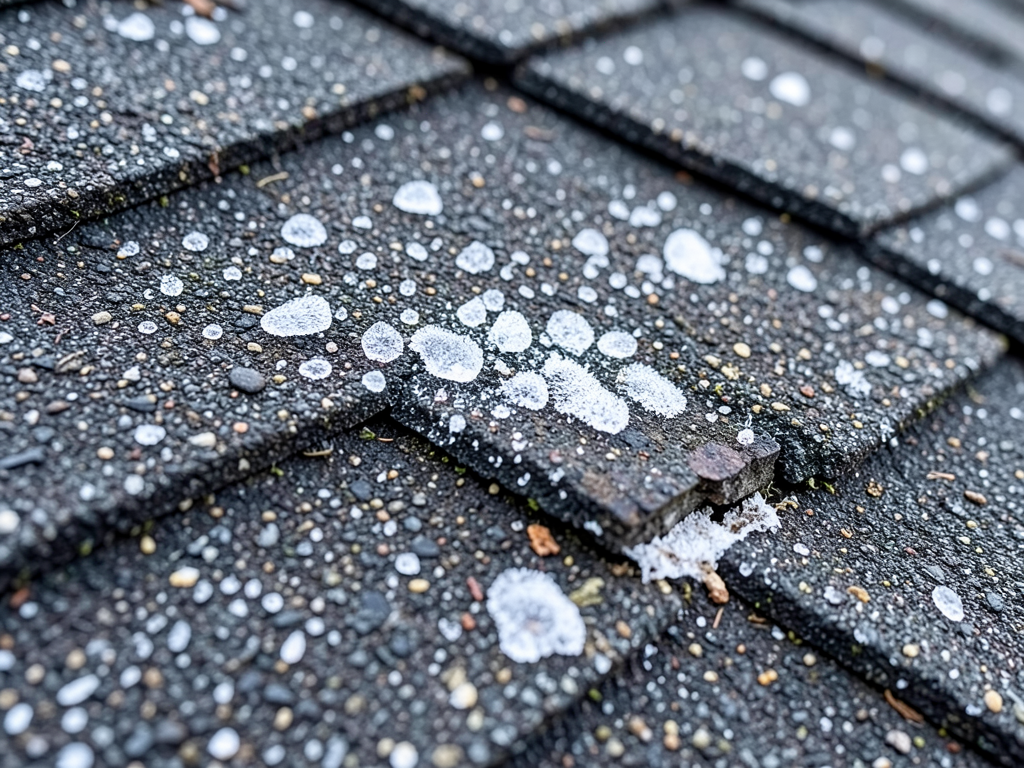
Improper flashing installation is the most common mistake. Flashing directs water away from vulnerable areas like chimneys, vents, and roof valleys. DIYers often use the wrong type of flashing or install it in a way that traps water rather than directing it away. This leads to rot in the roof deck and water intrusion into your attic.
Over-nailing shingles is another frequent error. Each shingle has a specific nailing pattern. DIYers often nail too high on the shingle or use too many nails. This creates stress points that tear in high winds. In San Antonio’s frequent storm systems, those tears quickly become major leaks.
Using incompatible materials causes problems that are not immediately visible. Different roofing materials expand and contract at different rates. When you mix products from different manufacturers or use consumer-grade materials with professional-grade materials, you create stress points that fail over time.
The Cost Comparison Most People Never Calculate
Let us break down the real cost of a DIY roof repair versus professional service in San Antonio.
| Cost Factor | DIY Approach | Professional Service |
|---|---|---|
| Patch Kit Materials | $35 | Included in service |
| Safety Equipment Rental | $75-150 | Included |
| Tools Purchase/ Rental | $100-300 | Included |
| Your Time (4-8 hours) | $200-400 (your hourly rate) | Not your time |
| Permit Costs | $50-150 (if you even know to get one) | Handled by contractor |
| Potential Warranty Void | $0 immediate, $5000-15000 potential | Warranty preserved |
| Insurance Claim Risk | $0 immediate, $10000+ potential | Insurance compliant |
| Total Real Cost | $460-915 + hidden risks | $400-800 with protection |
The numbers tell a clear story. The DIY approach often costs more when you factor in all the hidden expenses and risks. Professional service includes everything you need with the added benefit of liability protection and warranty preservation.
When DIY Roof Work Makes Sense in San Antonio
Not all roof work requires a professional. Some minor maintenance tasks are perfectly safe for homeowners to handle themselves. The key is knowing which tasks are appropriate and which ones carry too much risk.
Gutter cleaning is a safe DIY task. Removing leaves and debris from your gutters prevents water backup that can damage your roof edge. This task requires no special tools beyond a sturdy ladder and gloves. The risk level is low as long as you follow basic ladder safety.
Replacing a single missing shingle on a low-slope roof can be a DIY project if you have the right replacement shingle and proper roofing cement. This works best on roofs with a pitch of 4:12 or less. You need to match the exact shingle type and color to maintain your roof’s appearance and warranty compliance.
Cleaning roof vents and checking for obvious damage are safe inspection tasks. You can look for cracked or missing shingles, damaged flashing, or signs of algae growth. However, any repair beyond basic cleaning should be left to professionals.
The general rule is simple. If the repair involves structural elements, waterproofing membranes, or anything above the first story, call a professional. The risk of causing more damage or injuring yourself is not worth the potential savings.
Finding the Right Professional for Your San Antonio Roof
When you need professional roof repair in San Antonio, you want someone who understands our specific climate challenges. Look for contractors with experience working in the Texas heat and humidity. They should be familiar with local building codes and permit requirements.
Ask potential contractors about their experience with your specific roof type. Tile roofs common in neighborhoods like Alamo Heights require different techniques than asphalt shingle roofs in Universal City. Commercial flat roofs in industrial areas need specialized knowledge of built-up roofing systems. How to Get Your Commercial Flat Roof Ready for San Antonio Summer Storms.
Check for proper licensing and insurance. Texas requires roofing contractors to carry general liability insurance and workers’ compensation coverage. Ask to see current certificates. A reputable contractor will gladly provide this documentation.
Read reviews from other San Antonio homeowners. Look for comments about how the contractor handled weather delays, permit processes, and warranty issues. Local experience matters more than national brand recognition.
Learn more about roof replacement costs in San Antonio to understand what fair pricing looks like for your specific situation.
The Bottom Line on DIY Roof Patch Kits
Those colorful boxes at the big box store promise an easy solution to a frustrating problem. They show smiling homeowners with perfect results. But they do not show you the Texas heat that destroys most consumer-grade sealants within weeks. They do not show you the insurance adjuster denying your claim because of that DIY repair. They do not show you the voided warranty that leaves you paying thousands for what should have been a simple repair.
In San Antonio’s unique climate, most DIY roof patch kits fail within months. The humidity prevents proper curing. The UV radiation breaks down chemical bonds. The thermal expansion and contraction from our extreme temperature swings pulls patches apart. Then the hail season arrives and finishes what the heat started.
When you factor in the real costs of tools, safety equipment, permits, and your time, the DIY approach often costs more than professional service. Add in the potential for voided warranties, denied insurance claims, and serious injury, and the choice becomes clear.
Your roof protects everything you value. It protects your family, your belongings, and your investment. That protection deserves professional materials, professional installation, and professional accountability. The $35 patch kit is not worth the risk.
Learn what to do when your roof starts leaking before the next storm hits.
Frequently Asked Questions
Can I use a DIY roof patch kit for a small leak?
Small leaks often indicate larger problems that a patch kit cannot fix. In San Antonio’s climate, most DIY patches fail within months due to heat and humidity. Professional assessment can identify the true source of the leak and provide a lasting solution.
Will my homeowners insurance cover damage from a failed DIY repair?
Most insurance policies do not cover damage resulting from improper maintenance or repairs. If your DIY patch fails and causes water damage, your claim will likely be denied. Insurance covers sudden damage from covered events, not failures from DIY work.
How long do DIY roof patches last in San Antonio weather?
Most consumer-grade patches last between three to six months in San Antonio’s extreme climate. The combination of intense UV radiation, high humidity, and temperature swings breaks down the materials quickly. Professional repairs using commercial-grade materials last years longer.
Do I need a permit for roof repairs in San Antonio?
Permits are required for most roof repairs affecting structural elements, flashing, or waterproofing membranes. The City of San Antonio requires permits to ensure work meets building codes and safety standards. Professional contractors handle permit requirements as part of their service.
What are the risks of walking on my roof to inspect for damage?
Roof walking carries serious fall risks, especially on steep pitches or hot surfaces. San Antonio roofs can reach 150 degrees Fahrenheit, causing burns and making surfaces slippery. Professional roofers use safety equipment and have training in safe roof navigation. DIY inspection from the ground using binoculars is safer.
How can I tell if my roof damage is covered by warranty?
Review your warranty documents for specific coverage terms. Most warranties require professional repairs using approved materials. DIY repairs typically void warranties. Contact your roofing manufacturer or a professional roofer to assess whether your damage falls under warranty coverage.
Ready to protect your home with professional roof repair? Call Summit Roofing San Antonio at (726) 256-6199 for a free inspection and estimate. Our experienced team understands San Antonio’s unique climate challenges and provides lasting solutions that protect your warranty and your peace of mind.
Learn about hail damage repair services to prepare for storm season.
{
“@context”: “https://schema.org”,
“@type”: “BlogPosting”,
“headline”: “The Real Risks of Using DIY Roof Patch Kits from a Big Box Store”,
“description”: “Learn why DIY roof patch kits fail in San Antonio’s harsh climate and how they can void warranties, deny insurance claims, and cost you thousands in repairs.”,
“wordCount”: 2419,
“datePublished”: “2026-04-22T06:23:00.000Z”,
“dateModified”: “2026-04-22T06:23:00.000Z”,
“inLanguage”: “en-US”,
“mainEntityOfPage”: {
“@type”: “WebPage”,
“@id”: “https://summitroofingsanantonio.com”
},
“publisher”: {
“@type”: “LocalBusiness”,
“name”: “Summit Roofing San Antonio”,
“url”: “https://summitroofingsanantonio.com”
},
“author”: {
“@type”: “Organization”,
“name”: “Summit Roofing San Antonio”,
“url”: “https://summitroofingsanantonio.com”
},
“image”: {
“@type”: “ImageObject”,
“url”: “https://summitroofingsanantonio.com/wp-content/uploads/2026/03/the-real-risks-of-using-diy-roof-patch-kits-from-a-1.png”
}
}
{
“@context”: “https://schema.org”,
“@type”: “RoofingContractor”,
“name”: “Summit Roofing San Antonio”,
“url”: “https://summitroofingsanantonio.com”,
“address”: {
“@type”: “PostalAddress”,
“addressLocality”: “San Antonio”
},
“areaServed”: {
“@type”: “City”,
“name”: “San Antonio”
}
}
{
“@context”: “https://schema.org”,
“@type”: “FAQPage”,
“mainEntity”: [
{
“@type”: “Question”,
“name”: “Can I use a DIY roof patch kit for a small leak?”,
“acceptedAnswer”: {
“@type”: “Answer”,
“text”: “Small leaks often indicate larger problems that a patch kit cannot fix. In San Antonio’s climate, most DIY patches fail within months due to heat and humidity. Professional assessment can identify the true source of the leak and provide a lasting solution.”
}
},
{
“@type”: “Question”,
“name”: “Will my homeowners insurance cover damage from a failed DIY repair?”,
“acceptedAnswer”: {
“@type”: “Answer”,
“text”: “Most insurance policies do not cover damage resulting from improper maintenance or repairs. If your DIY patch fails and causes water damage, your claim will likely be denied. Insurance covers sudden damage from covered events, not failures from DIY work.”
}
},
{
“@type”: “Question”,
“name”: “How long do DIY roof patches last in San Antonio weather?”,
“acceptedAnswer”: {
“@type”: “Answer”,
“text”: “Most consumer-grade patches last between three to six months in San Antonio’s extreme climate. The combination of intense UV radiation, high humidity, and temperature swings breaks down the materials quickly. Professional repairs using commercial-grade materials last years longer.”
}
},
{
“@type”: “Question”,
“name”: “Do I need a permit for roof repairs in San Antonio?”,
“acceptedAnswer”: {
“@type”: “Answer”,
“text”: “Permits are required for most roof repairs affecting structural elements, flashing, or waterproofing membranes. The City of San Antonio requires permits to ensure work meets building codes and safety standards. Professional contractors handle permit requirements as part of their service.”
}
},
{
“@type”: “Question”,
“name”: “What are the risks of walking on my roof to inspect for damage?”,
“acceptedAnswer”: {
“@type”: “Answer”,
“text”: “Roof walking carries serious fall risks, especially on steep pitches or hot surfaces. San Antonio roofs can reach 150 degrees Fahrenheit, causing burns and making surfaces slippery. Professional roofers use safety equipment and have training in safe roof navigation. DIY inspection from the ground using binoculars is safer.”
}
},
{
“@type”: “Question”,
“name”: “How can I tell if my roof damage is covered by warranty?”,
“acceptedAnswer”: {
“@type”: “Answer”,
“text”: “Review your warranty documents for specific coverage terms. Most warranties require professional repairs using approved materials. DIY repairs typically void warranties. Contact your roofing manufacturer or a professional roofer to assess whether your damage falls under warranty coverage.”
}
}
]
}
{
“@context”: “https://schema.org”,
“@type”: “BreadcrumbList”,
“itemListElement”: [
{
“@type”: “ListItem”,
“position”: 1,
“name”: “Home”,
“item”: “https://summitroofingsanantonio.com”
},
{
“@type”: “ListItem”,
“position”: 2,
“name”: “Blog”,
“item”: “https://summitroofingsanantonio.com/blog”
},
{
“@type”: “ListItem”,
“position”: 3,
“name”: “The Real Risks of Using DIY Roof Patch Kits from a Big Box Store”
}
]
}
{
“@context”: “https://schema.org”,
“@type”: “Service”,
“serviceType”: “Roofing”,
“provider”: {
“@type”: “LocalBusiness”,
“name”: “Summit Roofing San Antonio”,
“url”: “https://summitroofingsanantonio.com”
},
“areaServed”: {
“@type”: “City”,
“name”: “San Antonio”
},
“description”: “Learn why DIY roof patch kits fail in San Antonio’s harsh climate and how they can void warranties, deny insurance claims, and cost you thousands in repairs.”
}