
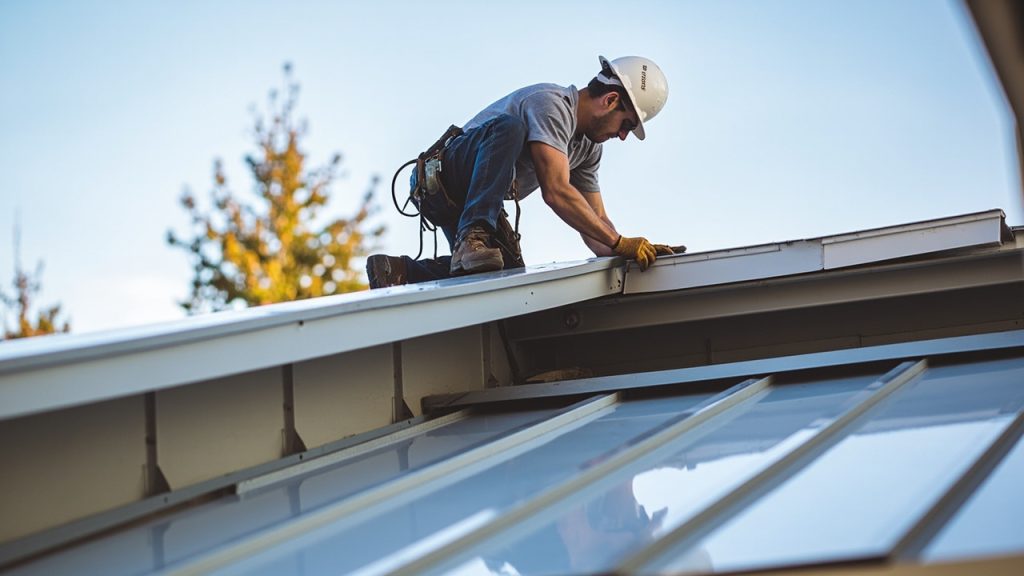
Understanding Mid-Century Modern Roofing Challenges in Castle Hills
The mid-century modern homes in Castle Hills feature distinctive architectural elements that present unique roofing challenges. These homes typically showcase low-slope or flat roof sections, butterfly roof profiles, and minimal eaves that create the signature clean lines. However these same design features can create significant problems in San Antonio’s climate.
The expansive clay soils in Castle Hills cause foundation movement that stresses roof joints. When the foundation shifts the rigid roof structure experiences cracking especially around parapet walls and flat roof sections. Additionally the low-slope designs common to MCM homes struggle with proper drainage during San Antonio’s intense thunderstorms leading to ponding water and accelerated deterioration.
Castle Hills experiences some of the highest UV exposure in the San Antonio area. The thin roof profiles typical of MCM architecture offer minimal insulation creating hot attics that stress roofing materials. The combination of intense heat and occasional hail from springtime storms creates a harsh environment for traditional roofing materials.
Best Modern Roofing Materials for Castle Hills MCM Homes
Modernizing a mid-century roof requires balancing authentic aesthetics with contemporary performance. Here are the top material options that maintain the MCM character while addressing San Antonio’s climate challenges.
Standing Seam Metal Roofing
Standing seam metal offers exceptional durability for Castle Hills MCM homes. The clean vertical lines complement the architectural style while providing superior hail resistance. Modern standing seam systems feature hidden fasteners that prevent leaks and can be installed over existing roofs reducing demolition waste.
The reflective properties of metal roofing help combat San Antonio’s intense heat. Quality standing seam systems can achieve Solar Reflectance Index ratings above 60 reducing cooling costs by up to 25 percent. The material also handles the thermal expansion and contraction common in Castle Hills’ temperature swings without compromising the roof’s integrity.
TPO and PVC Membrane Systems
For flat or low-slope sections thermoplastic polyolefin and PVC membranes provide excellent waterproofing. These single-ply systems create seamless protection that works perfectly with the MCM aesthetic. Modern TPO membranes come in white or light gray reflecting heat while maintaining the subtle appearance MCM homes require.
The flexibility of TPO and PVC systems accommodates the foundation movement common in Castle Hills. These materials can stretch and contract without cracking making them ideal for homes built on expansive clay soils. The heat-welded seams create watertight connections that outperform traditional roofing methods.
Modified Bitumen for Accent Areas
Modified bitumen offers a cost-effective solution for smaller flat roof sections or patio covers. The granulated surface provides texture while maintaining the low-profile appearance MCM homes demand. Modern polymer-modified versions offer improved flexibility and UV resistance compared to traditional built-up roofing.
This material works particularly well for carports and entry canopies common in Castle Hills MCM designs. The multiple layers provide redundancy against leaks while the smooth surface maintains the architectural integrity of the original design.
Preserving Architectural Integrity During Roof Replacement
Maintaining the authentic MCM character requires attention to detail beyond the roofing material itself. Several architectural elements require special consideration during the modernization process.
Fascia and Soffit Considerations
The thin fascia boards characteristic of MCM homes often need replacement due to rot or damage. Modern materials like cellular PVC or fiber cement can replicate the original dimensions while providing superior durability. These materials resist the moisture damage common in Castle Hills’ humid climate.
Maintaining the original fascia profile is crucial for preserving the home’s character. The clean horizontal lines created by the fascia contribute significantly to the MCM aesthetic. Any replacement should match the original dimensions exactly to avoid altering the home’s appearance.
Clerestory Window Flashing
Many Castle Hills MCM homes feature clerestory windows that require specialized flashing techniques. The integration between the roof and these elevated windows must maintain watertight integrity while preserving the clean lines. Custom-fabricated flashing that matches the original profile ensures both function and form.
The flashing details around clerestory windows often determine the success of a roof replacement. Poor execution creates visible defects that detract from the MCM aesthetic. Experienced contractors understand the importance of these details and use techniques that remain invisible from the ground.
Tongue and Groove Ceiling Preservation
Many MCM homes in Castle Hills feature exposed tongue and groove ceilings beneath overhangs. These architectural elements require careful protection during roof replacement. The original wood ceilings often need cleaning and sealing rather than replacement to maintain authenticity.
Modern clear sealants can protect these ceilings from UV damage and moisture while preserving the natural wood appearance. This approach maintains the indoor-outdoor connection that defines MCM architecture while extending the life of these architectural features.
San Antonio Climate Considerations for MCM Roofing
Castle Hills experiences specific climate challenges that impact roofing decisions. Understanding these factors helps homeowners choose materials that will perform well long-term.
Heat and UV Exposure
San Antonio receives over 220 sunny days annually creating intense UV exposure that degrades roofing materials. The Castle Hills area often experiences higher temperatures due to its elevation and lack of tree canopy in some sections. This creates a microclimate that accelerates material deterioration.
Materials with high Solar Reflectance Index ratings perform best in this environment. White or light-colored TPO membranes reflect up to 85 percent of solar radiation reducing attic temperatures by 20 to 30 degrees. This heat reduction extends the life of both the roofing system and the home’s interior components.
Hail Resistance Requirements
Hail damage affects many Castle Hills homes each spring and fall. The area falls within Texas Department of Insurance hail zones requiring Class 4 impact resistance for optimal protection. This rating indicates the material can withstand impacts from steel balls dropped from specific heights without cracking.
Standing seam metal roofing and certain TPO membranes achieve Class 4 ratings providing peace of mind during hail season. These materials absorb impacts without the granule loss common with traditional asphalt shingles. The long-term cost savings from avoiding hail damage often justify the higher initial investment.
Humidity and Moisture Management
Castle Hills’ humidity levels create condensation concerns especially with flat roof sections. Proper ventilation becomes critical for preventing moisture accumulation that leads to mold and material degradation. Modern roofing systems incorporate ventilation strategies that address these concerns while maintaining the MCM aesthetic.
The clay soils in Castle Hills also contribute to moisture issues. When wet these soils expand creating pressure against foundation walls that can affect roof drainage. Proper grading and drainage systems prevent water from backing up under roofing materials.
Cost Factors for MCM Roof Modernization in Castle Hills
Roof replacement costs vary significantly based on several factors specific to Castle Hills MCM homes. Understanding these variables helps homeowners budget appropriately for their projects.
Material Selection Impact
Material costs range from $5 to $15 per square foot depending on the chosen system. Standing seam metal represents the premium option while modified bitumen offers the most economical solution. TPO membranes typically fall in the middle range providing good value for the performance delivered.
The complexity of MCM roof designs often increases labor costs. Multiple roof planes, low-slope sections, and architectural details require more installation time than simple gable roofs. Castle Hills homes with extensive clerestory windows or butterfly roof sections may see labor costs 20 to 30 percent higher than standard installations.
Permit and Code Requirements
Bexar County and the City of Castle Hills have specific permitting requirements for roof replacements. These permits ensure compliance with local building codes and may include additional inspections for historic or architecturally significant homes. Permit fees typically range from $200 to $500 depending on the project scope.
Older MCM homes may require upgrades to meet current building codes. This could include enhanced underlayment, improved ventilation, or updated flashing details. These code compliance upgrades add to the overall project cost but provide long-term benefits in performance and durability.
Timeline Considerations
Roof replacement projects in Castle Hills typically require 3 to 5 days for completion depending on weather conditions and project complexity. Spring and fall offer the most favorable weather but also represent peak demand periods when contractors may charge premium rates.
Scheduling during winter months can sometimes reduce costs by 10 to 15 percent due to lower demand. However this must be balanced against the slightly higher risk of weather delays. Most Castle Hills homeowners find that scheduling during moderate seasons provides the best balance of cost and convenience.
Finding the Right Contractor for Your MCM Roof Project
Not all roofing contractors have experience with MCM architecture. Selecting the right professional ensures your roof replacement preserves the home’s character while providing modern performance.
Experience with MCM Architecture
Look for contractors who specifically mention MCM or mid-century modern experience. These professionals understand the importance of maintaining clean lines and proper proportions. They should be able to discuss specific MCM features like butterfly roofs, clerestory windows, and exposed beams with authority.
Request to see photos of previous MCM projects rather than generic roofing work. A qualified contractor should have a portfolio showing before and after examples of similar Castle Hills homes. They should be able to explain how they addressed specific challenges like preserving tongue and groove ceilings or maintaining fascia profiles.
Material Knowledge and Options
The right contractor should offer multiple material options and explain the pros and cons of each for your specific situation. They should discuss factors like heat reflectivity, hail resistance, and maintenance requirements in the context of Castle Hills’ climate. Be wary of contractors who only recommend one material without explaining alternatives.
Quality contractors provide detailed specifications including manufacturer information, warranty details, and installation methods. They should explain the difference between various material grades and help you understand which options provide the best value for your priorities.
Project Management Approach
Professional contractors provide detailed project timelines and communication plans. They should explain how they will protect your property during the work including landscaping, exterior features, and interior spaces. The best contractors assign a project manager who serves as your single point of contact throughout the process.
Ask about their approach to unexpected issues like hidden damage or code compliance upgrades. Quality contractors build contingencies into their proposals and communicate proactively when issues arise. They should provide written change order procedures before work begins.
Maintenance Strategies for Your Modernized MCM Roof
Proper maintenance extends the life of your new roof and protects your investment. Castle Hills’ specific conditions require targeted maintenance strategies.
Seasonal Inspection Schedule
Conduct inspections twice yearly in spring and fall to identify potential issues before they become major problems. Spring inspections should check for hail damage while fall inspections should verify preparation for winter conditions. Pay special attention to flat roof sections where debris accumulation can cause drainage issues.
Look for signs of material degradation like cracking, blistering, or fastener exposure. Check flashing details around chimneys, vents, and clerestory windows for signs of separation. Early detection of these issues prevents water intrusion that could damage the home’s interior.
Cleaning and Debris Removal
Castle Hills’ mature trees create debris that accumulates on roofs and in gutters. This organic material retains moisture and can accelerate material deterioration. Clean gutters and roof surfaces quarterly to prevent water backup and material staining.
For flat roof sections remove leaves and branches promptly to prevent drainage blockages. Standing water on low-slope roofs creates ideal conditions for algae and moss growth. These organisms can degrade roofing materials and create unsightly staining that detracts from the MCM aesthetic.
Professional Maintenance Services
Consider annual professional maintenance inspections particularly for complex roof designs. Professional roofers can identify issues that homeowners might miss like subtle flashing problems or early signs of material fatigue. These inspections typically cost $150 to $300 but can prevent thousands in repair costs.
Professional maintenance often includes minor repairs like sealant replacement or fastener tightening. These small interventions prevent larger problems from developing. Many contractors offer maintenance agreements that provide priority service and discounted rates for ongoing care.
Energy Efficiency Benefits of Modern MCM Roofing
Modern roofing materials offer significant energy efficiency improvements over original MCM installations. These benefits extend beyond simple utility savings to improve overall home comfort.
Cool Roof Technology
Cool roof materials reflect solar radiation rather than absorbing it reducing heat transfer to the home’s interior. This technology can lower roof surface temperatures by 50 to 60 degrees compared to traditional dark materials. In Castle Hills’ climate this translates to attic temperature reductions of 20 to 30 degrees.
The energy savings from cool roofing vary based on home design and local utility rates. However most Castle Hills homeowners report 15 to 25 percent reductions in cooling costs after installing reflective roofing systems. These savings often offset the higher initial material costs within 5 to 7 years.
Ventilation Improvements
Modern roofing systems incorporate advanced ventilation strategies that were unavailable during the MCM era. Proper ventilation prevents heat buildup in attics reducing the load on air conditioning systems. It also prevents moisture accumulation that can degrade insulation and create indoor air quality issues.
Continuous ridge and soffit ventilation provides the most effective airflow. This system draws cool air in through soffit vents while exhausting hot air through ridge vents creating natural convection currents. The result is more consistent attic temperatures and reduced energy consumption year-round.
Insulation Integration
Modern roofing projects provide opportunities to improve insulation beyond what was originally installed. Adding insulation during roof replacement costs significantly less than retrofitting later. The improved thermal performance reduces both heating and cooling loads improving year-round comfort.
Consider upgrading to modern insulation materials with higher R-values than the original fiberglass batts. Spray foam insulation can seal gaps and create an air barrier while providing superior thermal resistance. These improvements work synergistically with cool roofing materials to maximize energy efficiency.
Local Resources and Support for MCM Homeowners
Castle Hills and the greater San Antonio area offer resources for homeowners undertaking MCM roof modernization projects. These resources provide valuable information and sometimes financial incentives.
Historic District Guidelines
While Castle Hills itself is not a historic district many nearby neighborhoods have preservation guidelines. The City of San Antonio Office of Historic Preservation provides resources for maintaining architectural integrity even in non-designated areas. These guidelines can help homeowners make decisions that preserve their home’s character.
Local historic preservation societies often host workshops and provide consultation services. These organizations understand the importance of maintaining MCM architecture and can offer specific advice for Castle Hills homes. They may also maintain lists of contractors with experience in preservation work.
Utility Rebate Programs
CPS Energy offers rebates for energy-efficient home improvements including certain roofing materials. These programs can offset 10 to 20 percent of the cost of qualifying cool roofing installations. The utility company provides specific guidelines for material eligibility and installation requirements.
Check with both CPS Energy and local roofing contractors about current rebate programs. These incentives change periodically based on funding availability and policy priorities. Some contractors handle rebate paperwork as part of their service making the process easier for homeowners.
Financing Options
Several financing options exist for roofing projects in Castle Hills. Local credit unions often offer home improvement loans with favorable terms for energy-efficient upgrades. Some contractors partner with financing companies to provide payment plans that spread costs over several years.
Consider energy-efficiency mortgages or similar loan products that factor utility savings into qualifying criteria. These programs can help homeowners afford premium roofing materials by accounting for the long-term energy savings in the loan qualification process.
Making Your Decision: Balancing Form and Function
Modernizing your Castle Hills MCM roof ultimately requires balancing multiple priorities. The right decision depends on your specific home, budget, and long-term goals.
Prioritizing Your Needs
Start by identifying your primary objectives. Are you most concerned with preserving architectural authenticity, improving energy efficiency, or ensuring maximum durability? Most homeowners find they must balance all three priorities to some degree.
Consider your timeline for staying in the home. If you plan to remain for decades the higher initial cost of premium materials often makes sense. If you expect to sell within a few years focus on improvements that provide the best return on investment while maintaining the home’s character.
Getting Professional Input
Consult with multiple contractors who specialize in MCM homes before making final decisions. Each professional may offer different insights based on their experience with similar Castle Hills properties. This diversity of opinion helps you understand the full range of options available.
Request detailed proposals that include material specifications, installation methods, and warranty information. Compare these proposals not just on price but on the completeness of the approach and the contractor’s understanding of MCM architecture. The cheapest option rarely provides the best long-term value for these specialized projects.
Moving Forward with Confidence
Once you’ve selected your materials and contractor prepare for the disruption that roof replacement entails. Quality contractors will explain the process timeline and what to expect each day. They should provide a detailed schedule and communicate proactively about any delays or issues.
Document your home’s current condition with photos before work begins. This provides a reference point and protects both you and the contractor in case of accidental damage. Maintain open communication throughout the project and don’t hesitate to ask questions when concerns arise.
The investment in properly modernizing your MCM roof pays dividends through improved comfort, lower energy bills, and preserved architectural integrity. Castle Hills homeowners who choose quality materials and experienced contractors consistently report satisfaction with both the process and the results.
Frequently Asked Questions
How long does a typical MCM roof replacement take in Castle Hills?
Most MCM roof replacements in Castle Hills require 3 to 5 days depending on the project’s complexity and weather conditions. Homes with extensive flat roof sections or multiple architectural details may require additional time. Your contractor should provide a detailed timeline before starting work.
Will a new roof improve my home’s energy efficiency?
Yes modern roofing materials can significantly improve energy efficiency. Cool roof technology can reduce cooling costs by 15 to 25 percent in Castle Hills’ climate. The exact savings depend on your home’s design insulation levels and local utility rates.
Are permits required for roof replacement in Castle Hills?
Yes both Bexar County and the City of Castle Hills require permits for roof replacements. These permits ensure compliance with current building codes and may include inspections during and after the project. Permit fees typically range from $200 to $500.
Can I install solar panels with a new MCM roof?
Absolutely many MCM homeowners are adding solar panels during roof replacement projects. Modern standing seam metal roofing actually facilitates solar installation with clamp-on mounting systems that avoid roof penetrations. Your contractor can discuss integration options that maintain your home’s aesthetic.
How do I know if my MCM roof needs replacement versus repair?
Signs that replacement may be needed include widespread granule loss multiple leak locations sagging roof sections and materials approaching their expected lifespan. A professional inspection can assess your roof’s condition and recommend whether repair or replacement offers the best value.
Will replacing my roof change my home’s appearance?
When done properly roof replacement should maintain or enhance your home’s MCM character. Quality contractors match original profiles use appropriate materials and preserve architectural details. The goal is to improve performance while keeping the authentic aesthetic that makes MCM homes special.
What warranties should I expect with a new MCM roof?
Material warranties typically range from 20 to 50 years depending on the chosen product. Workmanship warranties from contractors usually cover 5 to 10 years. Ask about both warranties and understand what each covers including labor for potential future repairs.
How do Castle Hills’ soil conditions affect roofing decisions?
The expansive clay soils in Castle Hills cause foundation movement that stresses roof structures. This makes flexible materials like TPO membranes or properly installed standing seam metal preferable to rigid options. Your contractor should account for soil movement in the installation details.
Can I stay in my home during roof replacement?
Most homeowners remain in their homes during roof replacement though some choose temporary accommodation for comfort. The work creates noise and some vibration but doesn’t typically make the home unsafe. Discuss your preferences with your contractor who can advise based on your specific project scope.
How do I choose between different roofing materials?
Consider factors like your budget desired lifespan energy efficiency goals and architectural compatibility. Standing seam metal offers premium durability TPO provides excellent waterproofing and modified bitumen offers economical protection. A qualified MCM contractor can help you weigh these options for your specific situation.
What maintenance will my new roof require?
Modern roofing materials require minimal maintenance typically limited to twice-yearly inspections and debris removal. Flat roof sections need more frequent cleaning to prevent drainage issues. Professional maintenance every 2 to 3 years can identify potential problems early.
How do I find a contractor experienced with MCM homes?
Look for contractors who specifically mention MCM or mid-century modern experience in their marketing. Ask for portfolios showing similar projects and check references from previous MCM clients. Local historic preservation organizations may also recommend contractors familiar with this architectural style.
{
“@context”: “https://schema.org”,
“@type”: “BlogPosting”,
“headline”: “Modernizing the Roof on Your Mid-Century Castle Hills Home Without Losing Its Character”,
“description”: “Expert guide to updating your Castle Hills mid-century roof with modern materials while preserving its iconic architectural lines and character.”,
“wordCount”: 3490,
“datePublished”: “2026-04-14T06:11:00.000Z”,
“dateModified”: “2026-04-14T06:11:00.000Z”,
“inLanguage”: “en-US”,
“mainEntityOfPage”: {
“@type”: “WebPage”,
“@id”: “https://summitroofingsanantonio.com”
},
“publisher”: {
“@type”: “LocalBusiness”,
“name”: “Summit Roofing San Antonio”,
“url”: “https://summitroofingsanantonio.com”
},
“author”: {
“@type”: “Organization”,
“name”: “Summit Roofing San Antonio”,
“url”: “https://summitroofingsanantonio.com”
},
“image”: {
“@type”: “ImageObject”,
“url”: “https://summitroofingsanantonio.com/wp-content/uploads/2026/03/modernizing-the-roof-on-your-mid-century-castle-hi-1.jpg”
}
}
{
“@context”: “https://schema.org”,
“@type”: “RoofingContractor”,
“name”: “Summit Roofing San Antonio”,
“url”: “https://summitroofingsanantonio.com”,
“address”: {
“@type”: “PostalAddress”,
“addressLocality”: “San Antonio”
},
“areaServed”: {
“@type”: “City”,
“name”: “San Antonio”
}
}
{
“@context”: “https://schema.org”,
“@type”: “FAQPage”,
“mainEntity”: [
{
“@type”: “Question”,
“name”: “How long does a typical MCM roof replacement take in Castle Hills?”,
“acceptedAnswer”: {
“@type”: “Answer”,
“text”: “Most MCM roof replacements in Castle Hills require 3 to 5 days depending on the project’s complexity and weather conditions. Homes with extensive flat roof sections or multiple architectural details may require additional time. Your contractor should provide a detailed timeline before starting work.”
}
},
{
“@type”: “Question”,
“name”: “Will a new roof improve my home’s energy efficiency?”,
“acceptedAnswer”: {
“@type”: “Answer”,
“text”: “Yes modern roofing materials can significantly improve energy efficiency. Cool roof technology can reduce cooling costs by 15 to 25 percent in Castle Hills’ climate. The exact savings depend on your home’s design insulation levels and local utility rates.”
}
},
{
“@type”: “Question”,
“name”: “Are permits required for roof replacement in Castle Hills?”,
“acceptedAnswer”: {
“@type”: “Answer”,
“text”: “Yes both Bexar County and the City of Castle Hills require permits for roof replacements. These permits ensure compliance with current building codes and may include inspections during and after the project. Permit fees typically range from $200 to $500.”
}
},
{
“@type”: “Question”,
“name”: “Can I install solar panels with a new MCM roof?”,
“acceptedAnswer”: {
“@type”: “Answer”,
“text”: “Absolutely many MCM homeowners are adding solar panels during roof replacement projects. Modern standing seam metal roofing actually facilitates solar installation with clamp-on mounting systems that avoid roof penetrations. Your contractor can discuss integration options that maintain your home’s aesthetic.”
}
},
{
“@type”: “Question”,
“name”: “How do I know if my MCM roof needs replacement versus repair?”,
“acceptedAnswer”: {
“@type”: “Answer”,
“text”: “Signs that replacement may be needed include widespread granule loss multiple leak locations sagging roof sections and materials approaching their expected lifespan. A professional inspection can assess your roof’s condition and recommend whether repair or replacement offers the best value.”
}
},
{
“@type”: “Question”,
“name”: “Will replacing my roof change my home’s appearance?”,
“acceptedAnswer”: {
“@type”: “Answer”,
“text”: “When done properly roof replacement should maintain or enhance your home’s MCM character. Quality contractors match original profiles use appropriate materials and preserve architectural details. The goal is to improve performance while keeping the authentic aesthetic that makes MCM homes special.”
}
},
{
“@type”: “Question”,
“name”: “What warranties should I expect with a new MCM roof?”,
“acceptedAnswer”: {
“@type”: “Answer”,
“text”: “Material warranties typically range from 20 to 50 years depending on the chosen product. Workmanship warranties from contractors usually cover 5 to 10 years. Ask about both warranties and understand what each covers including labor for potential future repairs.”
}
},
{
“@type”: “Question”,
“name”: “How do Castle Hills’ soil conditions affect roofing decisions?”,
“acceptedAnswer”: {
“@type”: “Answer”,
“text”: “The expansive clay soils in Castle Hills cause foundation movement that stresses roof structures. This makes flexible materials like TPO membranes or properly installed standing seam metal preferable to rigid options. Your contractor should account for soil movement in the installation details.”
}
},
{
“@type”: “Question”,
“name”: “Can I stay in my home during roof replacement?”,
“acceptedAnswer”: {
“@type”: “Answer”,
“text”: “Most homeowners remain in their homes during roof replacement though some choose temporary accommodation for comfort. The work creates noise and some vibration but doesn’t typically make the home unsafe. Discuss your preferences with your contractor who can advise based on your specific project scope.”
}
},
{
“@type”: “Question”,
“name”: “How do I choose between different roofing materials?”,
“acceptedAnswer”: {
“@type”: “Answer”,
“text”: “Consider factors like your budget desired lifespan energy efficiency goals and architectural compatibility. Standing seam metal offers premium durability TPO provides excellent waterproofing and modified bitumen offers economical protection. A qualified MCM contractor can help you weigh these options for your specific situation.”
}
},
{
“@type”: “Question”,
“name”: “What maintenance will my new roof require?”,
“acceptedAnswer”: {
“@type”: “Answer”,
“text”: “Modern roofing materials require minimal maintenance typically limited to twice-yearly inspections and debris removal. Flat roof sections need more frequent cleaning to prevent drainage issues. Professional maintenance every 2 to 3 years can identify potential problems early.”
}
},
{
“@type”: “Question”,
“name”: “How do I find a contractor experienced with MCM homes?”,
“acceptedAnswer”: {
“@type”: “Answer”,
“text”: “Look for contractors who specifically mention MCM or mid-century modern experience in their marketing. Ask for portfolios showing similar projects and check references from previous MCM clients. Local historic preservation organizations may also recommend contractors familiar with this architectural style.”
}
}
]
}
{
“@context”: “https://schema.org”,
“@type”: “BreadcrumbList”,
“itemListElement”: [
{
“@type”: “ListItem”,
“position”: 1,
“name”: “Home”,
“item”: “https://summitroofingsanantonio.com”
},
{
“@type”: “ListItem”,
“position”: 2,
“name”: “Blog”,
“item”: “https://summitroofingsanantonio.com/blog”
},
{
“@type”: “ListItem”,
“position”: 3,
“name”: “Modernizing the Roof on Your Mid-Century Castle Hills Home Without Losing Its Character”
}
]
}
{
“@context”: “https://schema.org”,
“@type”: “Service”,
“serviceType”: “Roofing”,
“provider”: {
“@type”: “LocalBusiness”,
“name”: “Summit Roofing San Antonio”,
“url”: “https://summitroofingsanantonio.com”
},
“areaServed”: {
“@type”: “City”,
“name”: “San Antonio”
},
“description”: “Expert guide to updating your Castle Hills mid-century roof with modern materials while preserving its iconic architectural lines and character.”
}