
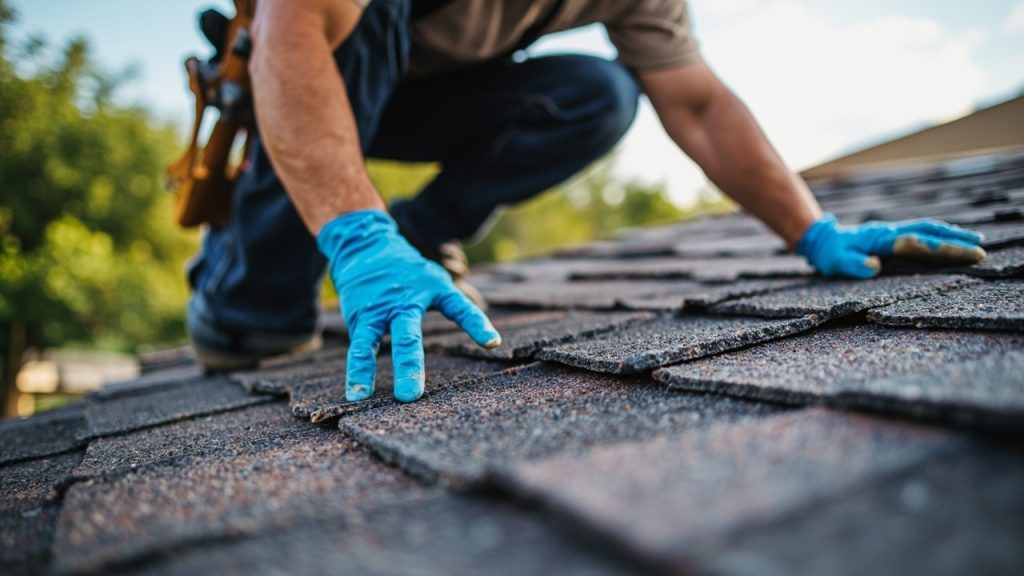
Signs it is finally time to replace your San Antonio roof
Your roof works harder than you think. Under the relentless Texas sun and through spring hail storms, your shingles take a beating every single day. Most San Antonio homeowners don’t realize their roof is failing until water stains appear on the ceiling or a sudden leak appears during a thunderstorm. By then, the damage is already done.. Read more about GAF versus CertainTeed Shingles — Which One Actually Survives San Antonio Hail Better?.
The question isn’t if you need a new roof. The question is when. And right now, your roof might be giving you clear signals that replacement is the smartest investment you can make for your home’s safety and value.
San Antonio’s climate creates unique challenges that accelerate roof deterioration. The combination of extreme UV radiation, frequent hail events, and high humidity creates a perfect storm for roofing materials. Understanding these local factors helps you recognize when replacement becomes necessary rather than optional.
Visible shingle damage that demands attention
Curling and buckling shingles tell a story of heat stress and moisture damage. When you see the edges of your shingles turning upward or the middle section creating waves, your roof has lost its ability to protect your home effectively. This happens when the asphalt base becomes brittle from years of UV exposure and thermal cycling.
Granule loss represents another critical warning sign. Those tiny rock particles that give your shingles their color and UV protection gradually wash away. You’ll notice them accumulating in your gutters or finding them in your yard after a heavy rain. Once the granules are gone, the asphalt underneath becomes vulnerable to sun damage and deterioration accelerates rapidly.
Missing shingles create immediate vulnerabilities. Whether from high winds or storm damage, gaps in your roof’s surface allow water infiltration. Even a single missing shingle can lead to thousands of dollars in interior damage if left unaddressed during San Antonio’s rainy season.
Age-related deterioration specific to San Antonio
Most asphalt shingle roofs in San Antonio last between 15 to 20 years under normal conditions. However, our extreme climate often reduces that lifespan significantly. If your roof is approaching the 15-year mark and shows any signs of wear, replacement should be your primary consideration rather than repair.
The combination of high UV index and frequent temperature swings creates stress that conventional roofing materials weren’t designed to handle. Shingles expand and contract with every temperature change, causing the adhesive bonds to weaken over time. This process happens faster in San Antonio than in most other parts of the country.
Algae and moss growth thrive in our humid climate. While these organisms might seem harmless, they actually trap moisture against your roof surface. This constant moisture exposure leads to wood rot in the decking and accelerates shingle deterioration from the underside out.
Interior warning signs you cannot ignore
Water stains on your ceiling or walls indicate active roof failure. By the time you see these stains, water has already penetrated through multiple layers of your roofing system. The source might be several feet away from where the stain appears, making professional inspection crucial.
Attic moisture and mold growth signal ventilation problems that compromise your entire roofing system. During San Antonio’s humid summers, poor attic ventilation allows moisture to accumulate, leading to wood rot and creating ideal conditions for mold growth. This affects both your roof’s structural integrity and your home’s indoor air quality.
Increased energy bills often trace back to roof problems. When your attic becomes excessively hot due to poor ventilation or damaged roofing materials, your air conditioning system works harder to maintain comfortable temperatures. This hidden cost adds up quickly over San Antonio’s long cooling season.
Storm damage assessment after San Antonio weather events
Hail damage requires immediate attention in San Antonio. Hailstones larger than one inch can crack or puncture shingles, creating entry points for water. Even smaller hail causes granule loss that shortens your roof’s remaining lifespan. After any significant hail event, professional inspection becomes essential.
High wind damage manifests in several ways. Shingles might be completely torn off, or the adhesive strips might fail, allowing wind to get underneath and cause progressive damage. San Antonio’s location in Tornado Alley means our roofs face wind loads that exceed standard building code requirements.
Tree damage from falling branches creates immediate structural concerns. Even if the branch didn’t penetrate the roof surface, the impact can crack underlying decking or shift the entire roofing system out of alignment. This type of damage often requires complete replacement rather than repair.
Structural issues that indicate replacement necessity
Sagging roof decks signal serious structural problems. This usually indicates water damage to the underlying wood structure or problems with your home’s foundation. San Antonio’s expansive clay soils can cause foundation movement that stresses your roof framing, leading to visible sagging over time.
Flashing deterioration around chimneys, vents, and valleys creates leak-prone areas. When the metal flashing corrodes or separates from the roof surface, water finds its way into your home. This type of damage often indicates the entire roofing system is nearing the end of its useful life.
Multiple repair attempts that keep failing suggest your roof has reached a point where replacement makes more financial sense than continued patchwork repairs. Each repair addresses only the visible damage while underlying problems continue to worsen.
Financial considerations for San Antonio homeowners
Insurance companies in Texas increasingly deny coverage for older roofs or require premium increases for roofs over 15 years old. A new roof installation can actually lower your insurance costs while providing better protection against storm damage.
Energy efficiency improvements from modern roofing materials can offset a significant portion of replacement costs. Cool roof technologies and better ventilation systems reduce cooling costs during San Antonio’s long, hot summers. Many homeowners see 15-25% reductions in their summer energy bills after upgrading to energy-efficient roofing.
Home resale value increases substantially with a new roof. Potential buyers view a new roof as a major selling point, often willing to pay premium prices for homes with recently replaced roofing systems. This becomes especially important in competitive San Antonio real estate markets.
San Antonio-specific roofing solutions
Class 4 impact-resistant shingles provide superior protection against hail damage. These shingles carry a UL 2218 Class 4 rating and can withstand impacts from steel balls dropped from specific heights. Many San Antonio insurance companies offer premium discounts for homes with Class 4 rated roofing materials.
Metal roofing systems offer exceptional longevity in our climate. While the initial investment is higher, metal roofs can last 40-70 years with minimal maintenance. They reflect solar heat effectively, reducing cooling costs, and provide superior wind resistance during storm season.
Tiled roofing systems work exceptionally well for San Antonio’s Spanish Colonial and Mediterranean-style homes. Clay and concrete tiles withstand our UV exposure and provide excellent thermal mass properties. However, they require proper installation and maintenance to prevent cracking from thermal expansion.
Permitting and code requirements in San Antonio
Bexar County requires permits for all roof replacements, ensuring compliance with local building codes. The permitting process includes inspections at various stages to verify proper installation techniques and material specifications. Working with experienced local contractors ensures smooth permitting and inspection processes.
Texas Department of Insurance (TDI) regulations affect roofing material choices in hail-prone areas. Certain materials must meet specific impact resistance standards, and contractors must follow installation guidelines that maintain warranty coverage. Understanding these requirements prevents costly mistakes during replacement.
Energy efficiency standards continue evolving in San Antonio. Cool roof requirements for new construction and major renovations encourage the use of reflective materials and proper ventilation systems. These standards help reduce the urban heat island effect while lowering individual energy consumption.
Choosing the right contractor for your replacement
Local experience matters significantly in San Antonio. Contractors familiar with our specific climate challenges understand which materials perform best and how to install them for maximum longevity. They also understand local permitting requirements and can navigate the insurance claim process effectively.
Manufacturer certifications indicate a contractor’s commitment to quality. GAF Master Elite, Owens Corning Platinum Preferred, and other certifications require ongoing training and adherence to strict installation standards. These certifications often come with extended warranty coverage that protects your investment.
Insurance claim experience becomes crucial after storm damage. Reputable contractors work directly with insurance adjusters, providing detailed documentation and damage assessments that support your claim. This expertise can mean the difference between claim approval and denial.
Timeline considerations for roof replacement
Spring and fall represent the busiest seasons for roof replacement in San Antonio. During these periods, contractors often have extended wait times due to high demand following storm seasons. Planning your replacement during off-peak times can result in better pricing and scheduling flexibility.
Emergency replacements require different considerations than planned replacements. When active leaks or storm damage create immediate threats to your home, temporary protection might be necessary while permanent replacement materials are ordered. This process requires careful coordination with your contractor.
Supply chain factors affect material availability and pricing. Recent years have shown significant price volatility in roofing materials, making timing an important consideration for budget planning. Working with established local suppliers helps ensure material availability when you need it.
Maintenance strategies to maximize roof life
Regular inspections catch problems before they become major issues. Professional inspections twice yearly, combined with checks after severe weather events, help identify developing problems early. This proactive approach can extend your roof’s life by several years.
Gutter maintenance prevents water damage to your roof edge. Clogged gutters cause water to back up under shingles, leading to rot and deterioration. Clean gutters also prevent ice dam formation during rare freezing events, protecting your roof structure.
Tree trimming reduces debris accumulation and prevents physical damage. Overhanging branches drop leaves that trap moisture and provide pathways for pests. During storms, these same branches can cause significant damage to your roofing system.
Energy efficiency and environmental considerations
Cool roof technologies reflect solar radiation, reducing heat absorption by up to 70%. This translates to lower cooling costs and reduced strain on your HVAC system. Many San Antonio homeowners qualify for CPS Energy rebates when installing energy-efficient roofing systems.
Recycled content in modern roofing materials reduces environmental impact. Many manufacturers now offer shingles containing recycled materials without sacrificing performance. These eco-friendly options often qualify for additional incentives and tax benefits.
Solar integration becomes easier with new roof installations. If you’re considering solar panels in the future, coordinating roof replacement with solar planning can save significant costs and ensure optimal system performance.
Financial planning for your roof replacement
Multiple financing options exist for roof replacement in San Antonio. Many contractors offer payment plans, and several local credit unions provide home improvement loans with competitive rates. Understanding these options helps you make informed decisions about timing and material choices.
Insurance coverage varies significantly based on your policy and the cause of damage. Understanding your coverage limits and deductibles helps you plan for out-of-pocket expenses. Some policies cover full replacement for storm damage while excluding wear-and-tear related issues.
Investment timing affects your overall costs. Material prices fluctuate based on supply and demand, and contractor availability affects labor costs. Getting multiple quotes and understanding market conditions helps you secure the best value for your investment.
Frequently Asked Questions
How long does a typical roof replacement take in San Antonio?
Most residential roof replacements in San Antonio take 1-3 days depending on roof size, complexity, and weather conditions. Larger homes or those with complex architectural features might require additional time. Your contractor should provide a detailed timeline before starting work.
Will my homeowner’s insurance cover roof replacement?
Insurance typically covers replacement when damage results from covered perils like hail, wind, or falling trees. However, damage from normal wear and tear or lack of maintenance usually isn’t covered. Review your policy or consult with your insurance agent to understand your specific coverage.
What’s the best roofing material for San Antonio’s climate?
Class 4 impact-resistant asphalt shingles work well for most homes, offering good protection against hail and UV damage. Metal roofing provides superior longevity and energy efficiency but costs more initially. The best choice depends on your budget, home style, and specific needs.
Making your decision about roof replacement
Recognizing the signs that your San Antonio roof needs replacement requires understanding both visible damage and hidden problems. The combination of our extreme climate, frequent storms, and aging roofing materials creates situations where replacement becomes the most cost-effective solution.
Don’t wait until water damage becomes visible inside your home. By that point, you’re already facing emergency repair costs and potential interior damage. Instead, schedule a professional inspection if you notice any of the warning signs discussed in this article.
Your roof represents one of your home’s most important protective systems. Investing in quality replacement materials and professional installation protects your family, your belongings, and your home’s value for decades to come. The peace of mind that comes with a new, properly installed roof is worth every penny of the investment.
Ready to protect your San Antonio home with a new roof? Contact our team today for a comprehensive inspection and detailed replacement estimate. We’ll help you understand your options and make the best decision for your home’s specific needs.
- Schedule Professional Inspection
Have a licensed roofing contractor examine your roof for damage, age-related deterioration, and structural issues. This inspection should include both exterior and attic assessment.
- Document Current Condition
Take photos of any visible damage, including missing shingles, water stains, or sagging areas. This documentation helps with insurance claims and contractor estimates.
- Review Insurance Coverage
Contact your insurance provider to understand what damage types are covered and what your deductible amounts are for roof replacement claims.
- Get Multiple Estimates
Obtain detailed quotes from at least three reputable contractors, comparing materials, warranties, and project timelines before making your final decision.
{
“@context”: “https://schema.org”,
“@type”: “BlogPosting”,
“headline”: “Signs it is finally time to replace your San Antonio roof”,
“description”: “Is your San Antonio roof ready for replacement? Learn the key warning signs, from hail damage to aging shingles, and discover how our local experts can help.”,
“wordCount”: 2290,
“datePublished”: “2026-03-16T08:59:00.000Z”,
“dateModified”: “2026-03-16T08:59:00.000Z”,
“inLanguage”: “en-US”,
“mainEntityOfPage”: {
“@type”: “WebPage”,
“@id”: “https://summitroofingsanantonio.com”
},
“publisher”: {
“@type”: “LocalBusiness”,
“name”: “Summit Roofing San Antonio”,
“url”: “https://summitroofingsanantonio.com”
},
“author”: {
“@type”: “Organization”,
“name”: “Summit Roofing San Antonio”,
“url”: “https://summitroofingsanantonio.com”
},
“image”: {
“@type”: “ImageObject”,
“url”: “https://summitroofingsanantonio.com/wp-content/uploads/2026/03/signs-it-is-finally-time-to-replace-your-san-anton-1.jpg”
}
}
{
“@context”: “https://schema.org”,
“@type”: “RoofingContractor”,
“name”: “Summit Roofing San Antonio”,
“url”: “https://summitroofingsanantonio.com”,
“address”: {
“@type”: “PostalAddress”,
“addressLocality”: “San Antonio”
},
“areaServed”: {
“@type”: “City”,
“name”: “San Antonio”
}
}
{
“@context”: “https://schema.org”,
“@type”: “FAQPage”,
“mainEntity”: [
{
“@type”: “Question”,
“name”: “How long does a typical roof replacement take in San Antonio?”,
“acceptedAnswer”: {
“@type”: “Answer”,
“text”: “Most residential roof replacements in San Antonio take 1-3 days depending on roof size, complexity, and weather conditions. Larger homes or those with complex architectural features might require additional time. Your contractor should provide a detailed timeline before starting work.”
}
},
{
“@type”: “Question”,
“name”: “Will my homeowner’s insurance cover roof replacement?”,
“acceptedAnswer”: {
“@type”: “Answer”,
“text”: “Insurance typically covers replacement when damage results from covered perils like hail, wind, or falling trees. However, damage from normal wear and tear or lack of maintenance usually isn’t covered. Review your policy or consult with your insurance agent to understand your specific coverage.”
}
},
{
“@type”: “Question”,
“name”: “What’s the best roofing material for San Antonio’s climate?”,
“acceptedAnswer”: {
“@type”: “Answer”,
“text”: “Class 4 impact-resistant asphalt shingles work well for most homes, offering good protection against hail and UV damage. Metal roofing provides superior longevity and energy efficiency but costs more initially. The best choice depends on your budget, home style, and specific needs.”
}
}
]
}
{
“@context”: “https://schema.org”,
“@type”: “HowTo”,
“name”: “How to Assess Your Roof Replacement Needs”,
“step”: [
{
“@type”: “HowToStep”,
“position”: 1,
“name”: “Schedule Professional Inspection”,
“text”: “Have a licensed roofing contractor examine your roof for damage, age-related deterioration, and structural issues. This inspection should include both exterior and attic assessment.”
},
{
“@type”: “HowToStep”,
“position”: 2,
“name”: “Document Current Condition”,
“text”: “Take photos of any visible damage, including missing shingles, water stains, or sagging areas. This documentation helps with insurance claims and contractor estimates.”
},
{
“@type”: “HowToStep”,
“position”: 3,
“name”: “Review Insurance Coverage”,
“text”: “Contact your insurance provider to understand what damage types are covered and what your deductible amounts are for roof replacement claims.”
},
{
“@type”: “HowToStep”,
“position”: 4,
“name”: “Get Multiple Estimates”,
“text”: “Obtain detailed quotes from at least three reputable contractors, comparing materials, warranties, and project timelines before making your final decision.”
}
],
“image”: “https://summitroofingsanantonio.com/wp-content/uploads/2026/03/signs-it-is-finally-time-to-replace-your-san-anton-1.jpg”
}
{
“@context”: “https://schema.org”,
“@type”: “BreadcrumbList”,
“itemListElement”: [
{
“@type”: “ListItem”,
“position”: 1,
“name”: “Home”,
“item”: “https://summitroofingsanantonio.com”
},
{
“@type”: “ListItem”,
“position”: 2,
“name”: “Blog”,
“item”: “https://summitroofingsanantonio.com/blog”
},
{
“@type”: “ListItem”,
“position”: 3,
“name”: “Signs it is finally time to replace your San Antonio roof”
}
]
}
{
“@context”: “https://schema.org”,
“@type”: “Service”,
“serviceType”: “Roofing”,
“provider”: {
“@type”: “LocalBusiness”,
“name”: “Summit Roofing San Antonio”,
“url”: “https://summitroofingsanantonio.com”
},
“areaServed”: {
“@type”: “City”,
“name”: “San Antonio”
},
“description”: “Is your San Antonio roof ready for replacement? Learn the key warning signs, from hail damage to aging shingles, and discover how our local experts can help.”
}