





Menu

Shopping Center Roof Repair in San Antonio – Minimize Tenant Disruption and Protect Revenue Flow

Summit Roofing San Antonio delivers commercial retail roof repair solutions engineered for business continuity, code compliance, and zero tenant displacement across strip malls, shopping plazas, and retail complexes.

Slider Image 1
Slider Image 2
Slider Image 3
Slider Image 4
Slider Image 5
Slider Image 7
Slider Image 8
Slider Image 9
Slider Image 10
Slider Image 11

San Antonio's Climate Creates Unique Challenges for Commercial Retail Roofing Systems

Your shopping center roof faces relentless punishment in San Antonio. The combination of intense UV exposure, thermal cycling that swings 40 degrees in a single day, and sudden hail events during spring storms degrades commercial roofing membranes faster than in most regions. The result is ponding water on flat retail center roofs, membrane splitting, and flashing failures that threaten tenant operations.

Strip mall roof repair becomes critical when water intrusion damages inventory or forces retail tenants to close temporarily. You lose lease revenue every hour a space stays empty due to roof damage. Commercial retail roof repair in San Antonio requires contractors who understand the urgency of maintaining business operations while executing structural repairs.

The flat and low-slope systems common to shopping plaza roof repair present additional vulnerabilities. San Antonio's clay soil expands and contracts with moisture changes, creating stress on parapet walls and roof-to-wall connections. These movement patterns accelerate wear on EPDM seams, TPO welds, and modified bitumen laps. Small leaks become catastrophic failures when left unaddressed through a full Texas summer.

Retail complex roof repair demands more than patching. You need systematic assessment of drainage adequacy, HVAC curb integrity, and membrane condition across potentially 50,000 square feet or more. The difference between a repair that lasts two years and one that protects your investment for fifteen comes down to proper diagnosis of the root cause, not just the visible symptom.

San Antonio's Climate Creates Unique Challenges for Commercial Retail Roofing Systems
Our Commercial Retail Roof Repair Methodology Prioritizes Zero Revenue Loss

Our Commercial Retail Roof Repair Methodology Prioritizes Zero Revenue Loss

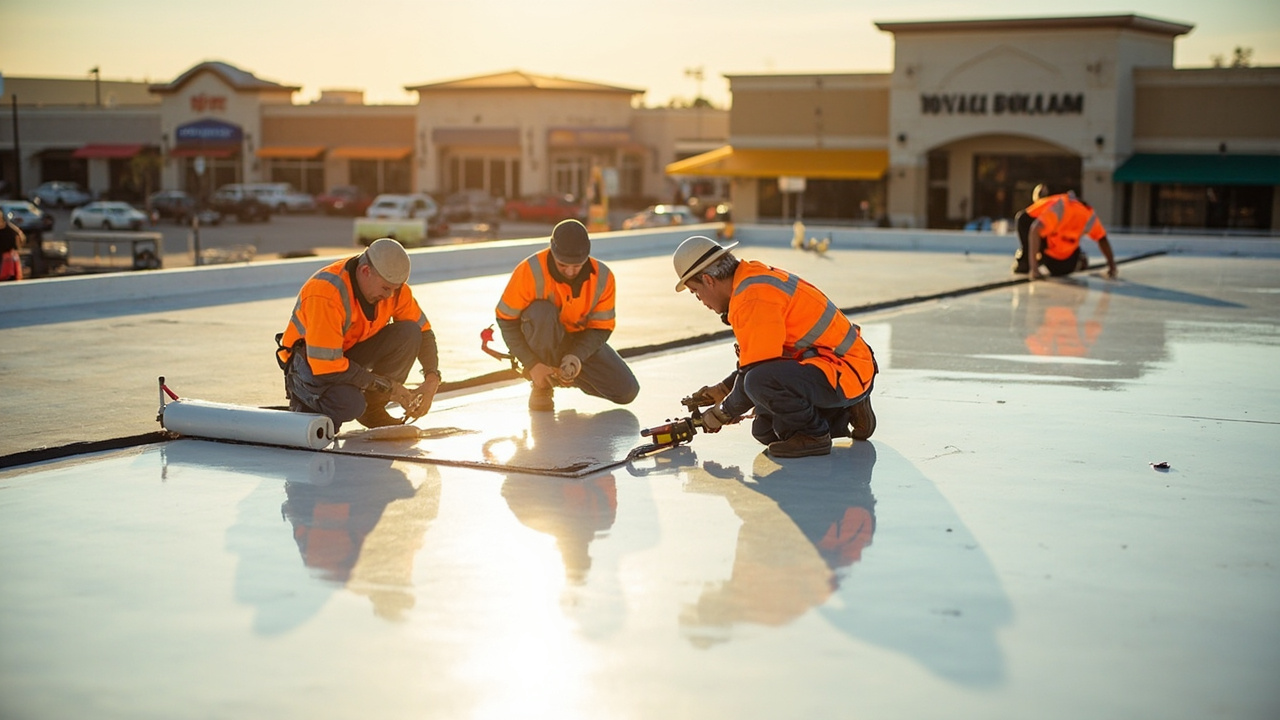
Summit Roofing San Antonio approaches shopping center roof repair with a business-first mentality. We schedule work during tenant off-hours when possible and section projects to maintain parking access and storefront visibility. Our crews work in coordinated phases that isolate repair zones, preventing the entire retail complex from appearing under construction simultaneously.

We begin every commercial retail roof repair project with infrared thermography and core sampling to map trapped moisture in insulation layers. This diagnostic step prevents the common mistake of re-covering wet insulation that will continue degrading the new membrane from beneath. You get a roof system with predictable longevity, not a cosmetic fix that fails within 36 months.

For strip mall roof repair, we address drainage deficiencies that cause ponding water, the primary killer of commercial flat roofs in San Antonio. This includes reconfiguring scupper locations, installing additional drains, and building crickets to direct water flow. These engineering interventions extend roof life by eliminating standing water that degrades membranes through UV concentration and biological growth.

Material selection matters in retail center roof repair. We specify systems based on your roof's slope, HVAC load, foot traffic patterns, and whether you plan to add rooftop equipment within ten years. TPO offers excellent reflectivity for energy savings. Modified bitumen withstands heavy foot traffic around HVAC units. EPDM provides cost efficiency for owner-occupied properties. Each system gets mechanically fastened or fully adhered based on San Antonio's wind exposure classification and your building's structural capacity. You receive a roof engineered for your specific operational requirements and financial objectives.

What Happens During Your Shopping Center Roof Repair Project

Shopping Center Roof Repair in San Antonio – Minimize Tenant Disruption and Protect Revenue Flow
01

Commercial Building Assessment

We conduct a comprehensive roof inspection during non-business hours to avoid disrupting customer traffic. Our team maps all penetrations, evaluates flashing conditions at parapet walls and HVAC curbs, tests drainage flow rates, and uses moisture meters to identify saturated insulation. You receive a detailed report with thermal imaging that shows exactly where problems exist and prioritizes repairs by urgency and tenant impact risk.
02

Phased Repair Execution

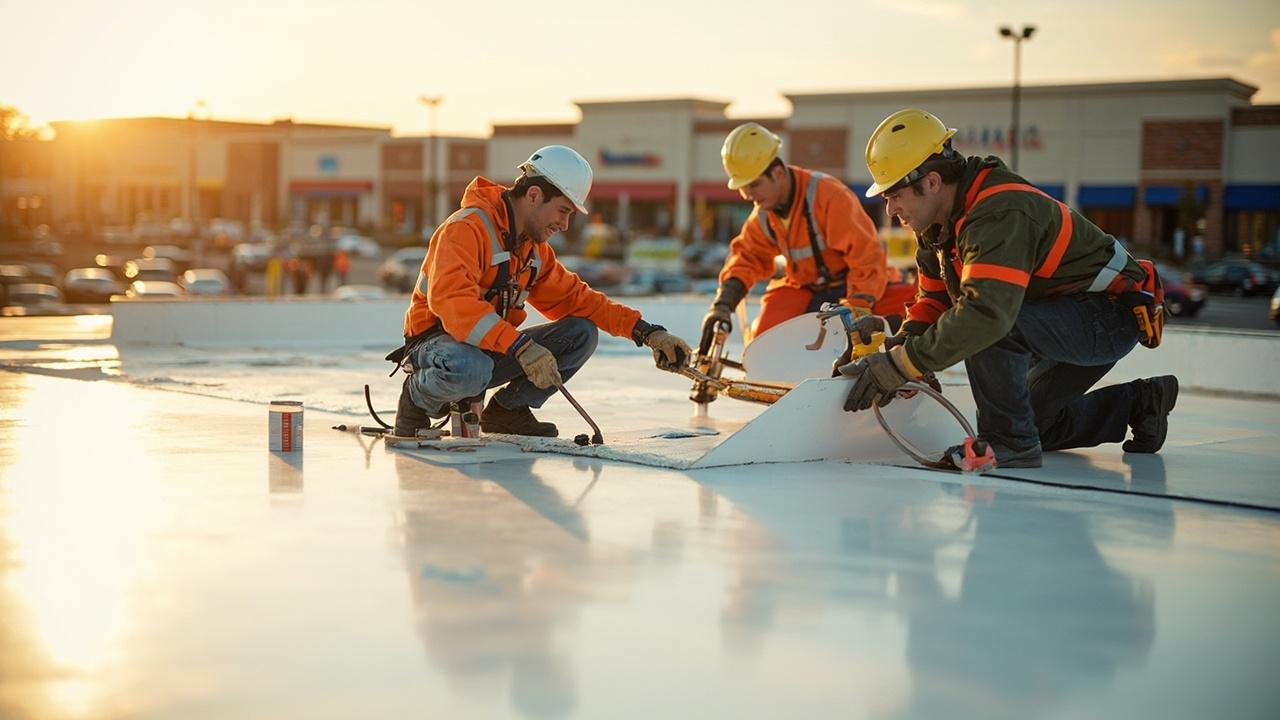
We isolate work zones to maintain retail operations and parking access. Repairs proceed in sections, with each phase completed and weather-sealed before moving to the next area. Membrane installation happens during optimal temperature windows to ensure proper adhesion. We coordinate with property managers on delivery schedules and dumpster placement to maintain curb appeal. Tenants receive advance notice of any temporary impacts to their specific suite.
03

Final Inspection and Documentation

After installation, we conduct water testing on all repaired areas and verify proper drainage under simulated rain conditions. You receive as-built documentation, warranty registration, and a roof maintenance protocol specific to your membrane system. We photograph all work areas before and after repairs. This documentation proves code compliance for your insurance carrier and provides a baseline for future maintenance planning and capital reserve studies.

Why San Antonio Property Managers Choose Summit Roofing for Retail Complex Repairs

Shopping plaza roof repair requires contractors who understand commercial lease obligations and tenant coordination. Summit Roofing San Antonio has repaired roofs across retail properties from the Medical Center to Stone Oak, working within the constraints of active retail operations. We know that your tenants depend on uninterrupted business, and your reputation depends on minimal disruption.

We maintain relationships with local roofing material suppliers, which means we can source emergency materials within hours when unexpected damage occurs. This supply chain advantage prevents project delays that extend construction timelines and increase tenant frustration. You do not wait three weeks for a specialty flashing piece while tarps cover your roof.

Our crews understand San Antonio's building code requirements for commercial properties, including fire rating specifications for roof assemblies and mandated wind uplift resistance based on your building's exposure category. We pull permits, coordinate inspections, and ensure all work meets International Building Code standards as adopted by San Antonio. This compliance protects you from liability and prevents insurance claim denials due to non-conforming repairs.

We also recognize the financial reality of commercial retail roof repair. Projects get scoped with clear phase options so you can prioritize critical repairs now and schedule additional work when capital becomes available. You receive transparent pricing broken down by repair area, not vague estimates that balloon during execution. Our project managers communicate directly with you and your tenants, providing update schedules that respect everyone's time. This professionalism reduces conflict and keeps your retail center operating smoothly throughout the repair process.

What to Expect from Your Shopping Center Roof Repair Process

Project Timeline and Scheduling

Most strip mall roof repair projects span two to four weeks depending on square footage and weather windows. We schedule work to minimize impact on peak shopping hours and coordinate with your anchor tenants on delivery timing. Emergency repairs can begin within 24 hours when active leaks threaten inventory or force store closures. Larger retail complex roof repair projects get phased across multiple months, with each phase weather-sealed before moving to the next section. You receive a detailed schedule during the proposal phase showing which roof sections get addressed each week and when parking areas will be temporarily affected.

Initial Roof Assessment Process

Our initial inspection includes roof access to examine membrane condition, test moisture levels in insulation, and evaluate structural deck integrity. We photograph all problem areas and use infrared cameras to identify wet insulation that requires removal. You receive a written assessment detailing each deficiency, the cause of failure, and recommended repair approach. For retail center roof repair involving insurance claims, we document all damage with measurements and date stamps that support your claim submission. This assessment typically takes two to four hours and can be scheduled outside business hours to avoid disrupting tenant operations or customer parking.

Quality Standards and Materials

We install only commercial-grade roofing systems rated for Texas wind loads and UV exposure. All membrane seams get tested during installation to verify watertight integrity. Flashing installations around HVAC units, parapet walls, and roof penetrations follow manufacturer specifications to maintain system warranties. You receive a roof that meets or exceeds San Antonio building code requirements for fire resistance and wind uplift. Our material selection prioritizes longevity and energy efficiency, with reflective membranes that reduce cooling loads. Each shopping plaza roof repair gets executed to the same standards we would apply on our own buildings.

Post-Repair Support and Maintenance

After completing your commercial retail roof repair, we provide a detailed maintenance protocol specific to your membrane type. This includes recommended drain cleaning frequency, HVAC curb inspection schedules, and signs of developing problems to watch for. We offer annual inspection services that identify minor issues before they become expensive emergency repairs. All work is documented with photographs and material certifications that support warranty claims if future problems develop. Our team remains available to answer questions from your property management staff or respond to tenant concerns about the repaired roof areas. You gain a long-term roofing partner, not just a one-time contractor.

Frequently Asked Questions

You Have Questions,
We Have Answers

How much should a roof repair be? +

Shopping center roof repair costs vary based on damage scope, roof type, and accessibility. Minor membrane patches on flat commercial roofs range from a few hundred to several thousand dollars. Extensive flashing repairs, drainage issues, or structural damage escalate costs significantly. San Antonio's intense UV exposure and sudden hailstorms often require EPDM or TPO membrane repairs. Request a detailed scope of work that identifies the root cause, not just surface symptoms. Prioritize repairs that prevent business interruption and liability exposure. Deferred maintenance always costs more long-term than proactive fixes.

How much do roofing repairs typically cost? +

Commercial roof repairs typically cost substantially more than residential work due to scale, access requirements, and materials. Expect higher per-square-foot rates for shopping centers because of specialized equipment, safety protocols, and coordination around tenant operations. Flat roof systems common in San Antonio retail properties require precision work on membranes, seams, and drainage components. Emergency repairs cost more than scheduled maintenance. The true cost driver is not the repair itself but the potential revenue loss from tenant displacement or code violations. Budget for diagnostic inspections to prevent repeat failures.

Does commercial insurance cover roof replacement? +

Commercial insurance typically covers roof replacement if damage results from a covered peril like hail, wind, or fire. Gradual wear, poor maintenance, or installation defects are excluded. San Antonio properties face frequent hail and wind events that qualify for coverage. Your policy likely includes depreciation schedules that reduce payout over time. Most carriers require documentation of regular maintenance to honor claims. Engage a commercial roofing contractor who understands insurance protocols and can provide loss documentation. Review your policy's replacement cost versus actual cash value provisions before filing.

Who is responsible for roof repairs? +

The property owner is responsible for roof repairs unless the lease explicitly transfers that duty to tenants. In triple-net leases common to shopping centers, tenants may share repair costs proportionally. Structural issues and major system failures remain the landlord's obligation. Damage caused by tenant alterations or negligence shifts responsibility to the tenant. San Antonio property owners must maintain roofs to code and prevent habitability issues that create liability. Review your lease agreements and consult legal counsel before allocating repair costs. Document all maintenance to protect against tenant disputes.

What is the most expensive part of replacing a roof? +

For shopping centers, the most expensive replacement component is the roof deck if structural damage exists. Rotted or corroded decking requires removal, disposal, and installation of new substrate before applying membranes. This triples labor costs and extends downtime. In San Antonio's humid climate, undetected leaks often compromise wood or metal decking over time. The membrane system itself is costly but predictable. Hidden structural issues discovered during tear-off create budget overruns. Regular infrared moisture surveys identify deck problems early, preventing expensive surprises during replacement projects.

What is the best time of year for roof repair? +

October through April offers optimal conditions for shopping center roof repair in San Antonio. Cooler temperatures allow proper adhesive curing and worker productivity without heat-related delays. Avoid summer months when surface temperatures exceed 150 degrees, compromising material bonds and worker safety. Spring hailstorms can disrupt schedules, but fall provides a stable weather window before winter freezes. Schedule repairs during low-traffic tenant hours to minimize business disruption. Plan major work after the summer monsoon season ends. Proactive fall repairs prevent winter water intrusion that damages inventory and creates slip hazards.

What is the cheapest way to repair a roof? +

The cheapest way to repair a shopping center roof is prevention through scheduled maintenance. Reactive repairs always cost more than proactive interventions. For existing damage, targeted membrane patches and sealant applications address localized failures without full replacement. However, cheap fixes on systemic problems create liability and repeat service calls. San Antonio's weather demands quality materials that withstand UV and thermal cycling. Cutting corners on flashing or drainage repairs leads to tenant complaints and potential lease violations. The lowest total cost of ownership comes from correct diagnosis and durable repairs, not temporary patches.

Are roof repairs covered by homeowners insurance? +

This question addresses residential coverage, but shopping center owners face different considerations. Commercial property policies cover roof damage from insured perils but exclude maintenance-related failures. Homeowners insurance does not apply to retail properties. Commercial policies require documented maintenance programs and often depreciate roof value annually. San Antonio shopping centers should carry adequate replacement cost coverage given hail frequency. File claims only when damage exceeds your deductible and when neglect is not a factor. Repeated small claims can trigger non-renewal. Consult your commercial insurance broker before proceeding.

How much does it cost to replace a 2000 sq ft roof? +

A 2,000-square-foot roof replacement pertains to residential properties, not shopping centers. Retail roofs span tens of thousands of square feet with commercial-grade systems. For perspective, a small neighborhood shopping center roof starts at 20,000 square feet minimum. Commercial flat roof replacement in San Antonio ranges significantly higher per square foot than residential work due to stricter codes, specialized membranes like TPO or modified bitumen, and coordination requirements. Focus on life-cycle cost analysis and business continuity rather than residential comparisons. Request proposals based on your actual square footage and system type.

Is it worth claiming roof damage on insurance? +

Claiming roof damage on commercial insurance is worth it when repair costs significantly exceed your deductible and when you have documented maintenance records. For shopping centers in San Antonio, hail and wind damage claims are common and legitimate. Calculate the financial impact of premium increases against repair costs. Consider tenant lease obligations and potential liability if you defer repairs. An unrepaired roof that leaks creates property damage claims from tenants that cost more than fixing the roof. Document damage immediately with photos and professional assessments. Strong claims documentation prevents disputes and expedites payment.

How San Antonio's Retail Growth Patterns Increase Shopping Center Roof Repair Demands

San Antonio's retail expansion into areas like Stone Oak, Alamo Ranch, and the far West Side has created hundreds of shopping centers built between 1995 and 2010 that now require major roof system attention. These retail complexes used first-generation TPO and EPDM systems that are reaching end-of-life simultaneously. The city's position in a hail corridor means many of these roofs have sustained repeated impact damage that accelerated aging. Combined with inadequate drainage design common in that construction era, property owners face strip mall roof repair needs that affect multiple tenants and require careful financial planning.

Shopping plaza roof repair in San Antonio must account for the city's adoption of the 2018 International Building Code, which imposes stricter wind uplift requirements than previous codes. Older retail centers built under earlier code cycles may not meet current standards, creating compliance issues during major repairs. Summit Roofing San Antonio stays current with local code amendments and works directly with city inspectors to ensure all retail complex roof repair projects meet or exceed current requirements. This local expertise prevents failed inspections that delay project completion and increase your costs. Our familiarity with San Antonio's inspection process protects your timeline and budget.
Roofing Services in The San Antonio Area

Explore our service coverage in and around San Antonio using the map below. Summit proudly serves residential and commercial clients throughout the region. Whether you're in the heart of the city or in the nearby suburbs, we’re just a call away. We make it easy to reach us for inspections, quotes, or emergency assistance. Your trusted roofing team is always nearby.

Address:
Summit Roofing San Antonio, 1100 NW Loop 410, Suite 700, San Antonio, TX, 78213

Additional Services We Offer

Our news updates

Latest Articles & News from The Blogs

Why High End Metal Shingles Are the New Standard in Hill Country Village Homeowners in Hill Country Village are discovering…

Why High End Metal Shingles Are the New Standard in Hill Country Village

Why High End Metal Shingles Are the New Standard in Hill Country Village Homeowners in Hill Country Village are discovering…

The hidden costs of ignoring roof algae and black streaks on your King William home

The hidden costs of ignoring roof algae and black streaks on your King William home Those dark streaks running down…

Signs it is finally time to replace your San Antonio roof

Signs it is finally time to replace your San Antonio roof Your roof works harder than you think. Under the…

Contact Us

Contact Summit Roofing San Antonio at (726) 256-6199 for a comprehensive commercial roof assessment. We provide detailed repair proposals with phased options that align with your capital budget and tenant lease obligations. Schedule your inspection today.